

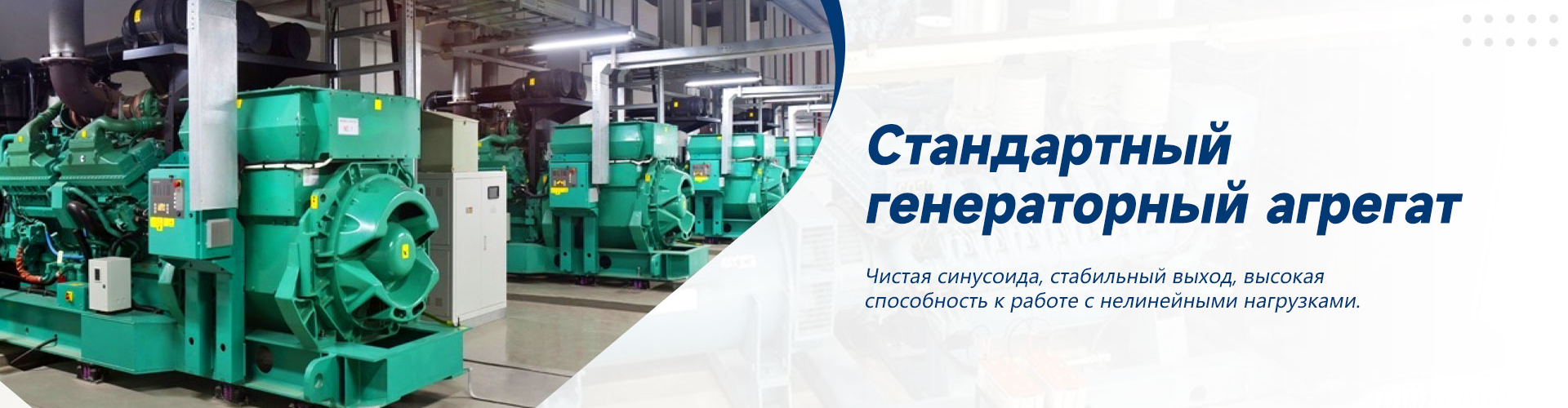
Biogas power plant
Biogas power plantis a plant that uses biogas obtained from organic waste to produce electricity. It recycles waste while generating clean electricity and heat, making it an attractive solution for agriculture, food processing and other industries. Electricity generation atbiogas power plantcarried out by means of a gas piston generator (GPG) or a gas turbine, which converts the energy of biogas combustion into electrical and thermal energy.
What is biogas and how is it produced?
Biogas is a mixture of gases resulting from the anaerobic decomposition of organic matter such as manure, crop residues, food waste and sewage sludge. The main components of biogas are methane (CH4) and carbon dioxide (CO2), as well as small amounts of other gases such as hydrogen sulfide (H2S) and ammonia (NH3).
The process of producing biogas is called anaerobic digestion and occurs in special reactors - digesters or bioreactors. Under these conditions, microorganisms decompose organic matter, releasing biogas. Effective anaerobic digestion requires certain conditions such as temperature, humidity, pH and the availability of essential nutrients.
Operating principle of a biogas power plant
Biogas power plantconsists of several main components:
- Raw material preparation system:involves grinding, mixing and pre-treatment of organic waste to provide optimal conditions for anaerobic digestion.
- Bioreactor (digester):In this reactor, anaerobic digestion of organic matter occurs with the formation of biogas.
- Biogas purification system:The biogas produced from the bioreactor contains impurities such as hydrogen sulfide and carbon dioxide, which must be removed to ensure efficient operation of the gas generator.
- Gas piston generator (GPG) or gas turbine:The GPG or gas turbine converts the combustion energy of biogas into electrical energy. PPGs are most often used inbiogas power plantslow and medium power.
- Heat recovery system:the heat generated during the combustion of biogas in HGT can be used for heating, hot water supply or technological needs.
- Management and control system:provides automatic operationbiogas power plant, monitoring process parameters and equipment control.
Advantages and disadvantages of biogas power plants
Benefits:
- Environmental friendliness:Using biogas reduces greenhouse gas emissions and reduces dependence on fossil fuels.
- Waste disposal: Biogas power plantsallow you to effectively utilize organic waste, converting it into useful energy.
- Electricity and heat production: Biogas power plantsproduce both electricity and heat, which increases their efficiency.
- Economic benefit: Biogas power plantscan reduce energy and waste disposal costs, as well as generate additional income from the sale of electricity.
- Autonomy: Biogas power plantcan ensure energy independence of an enterprise or locality.
Disadvantages:
- High initial investment:Constructionbiogas power plantrequires significant capital investment.
- The need for a constant source of raw materials:For stable operationbiogas power planta constant and reliable source of organic waste is needed.
- Difficulty of operation: Biogas power plantRequires qualified personnel for maintenance and operation.
- Temperature dependence:The efficiency of anaerobic digestion depends on temperature, so in the cold season, additional heating of the bioreactor may be required.
- Presence of odor:The biogas production process may be accompanied by an unpleasant odor, especially if the equipment is not used correctly.
Application areas of biogas power plants
Biogas power plantscan be used in various industries:
- Agriculture:Disposal of manure, plant residues and other agricultural waste. This can be especially useful for large livestock operations.
- Food industry:Disposal of food waste, such as waste from processing vegetables and fruits, waste from the production of meat and dairy products.
- Treatment facilities:Disposal of sewage sludge.
- Solid waste landfills:Disposal of the organic fraction of municipal solid waste.
- Industrial enterprises:Disposal of organic waste generated during the production process.
Choosing a Biogas Power Plant: Key Factors
When choosingbiogas power plantThe following factors must be taken into account:
- Volume and composition of raw materials:It is necessary to assess the volume and composition of organic waste available for processing. Different types of waste require different anaerobic digestion technologies.
- Required power:It is necessary to determine the required powerbiogas power plantdepending on the needs for electricity and heat.
- Budget:It is necessary to determine the budget available for construction and operationbiogas power plant.
- Anaerobic digestion technology:There are several anaerobic digestion technologies, each with its own advantages and disadvantages. It is necessary to select the technology most suitable for specific conditions.
- Equipment Manufacturer:It is necessary to choose a reliable equipment manufacturer forbiogas power plant.
- Availability of qualified personnel:It is necessary to ensure the availability of qualified personnel for maintenance and operationbiogas power plant.
- Environmental requirements:It is necessary to take into account the environmental requirements forbiogas power plants.
Economic efficiency of a biogas power plant
Economic efficiencybiogas power plantdepends on several factors such as:
- Cost of raw materials:The lower the cost of raw materials, the higher the economic efficiencybiogas power plant.
- Electricity cost:The higher the cost of electricity, the higher the economic efficiencybiogas power plant.
- Waste disposal cost:The higher the cost of waste disposal, the higher the economic efficiencybiogas power plant.
- Government support:The presence of government support in the form of subsidies and benefits can significantly increase economic efficiencybiogas power plant.
Examples of successful biogas power plant projects
There are many successful projects in the worldbiogas power plants. Here are some examples:
Example 1:Biogas plant on a dairy farm in Germany. This plant uses cattle manure to produce biogas, which is then used to generate electricity and heat. The installation provides the farm with electricity and heat, and also reduces the cost of manure disposal.
Example 2:Biogas plant at a food processing plant in Denmark. This plant uses food waste to produce biogas, which is then used to generate electricity and heat. The installation provides the enterprise with electricity and heat, and also reduces the cost of food waste disposal.
Development trends of biogas power plants
The following development trends are currently observedbiogas power plants:
- Power increase:Construction of largerbiogas power plants.
- Use of new types of raw materials:Use of new types of raw materials such as algae and microorganisms.
- Development of new anaerobic digestion technologies:Development of new anaerobic digestion technologies to improve process efficiency and reduce costs.
- Integration with other technologies:Integrationbiogas power plantswith other technologies such as solar and wind power plants.
Yuke Co.,Ltd (Shandong) Electrical Technology and Biogas Solutions
Yuke (Shandong) Electrical Technology Co.,Ltdoffers modern solutions for energy production from renewable sources, including complex projectsbiogas power plants. We provide a full range of services, from design and construction to equipment supply and service. Our specialists will help you develop the optimal solution for your business, taking into account all your needs and features.
Conclusion
Biogas power plantis a promising solution for the production of electricity and heat from organic waste. It allows you to recycle waste, reduce greenhouse gas emissions and ensure energy independence.
Correspondingproducts
Related Products
Best Sellingproducts
Best Selling Products-
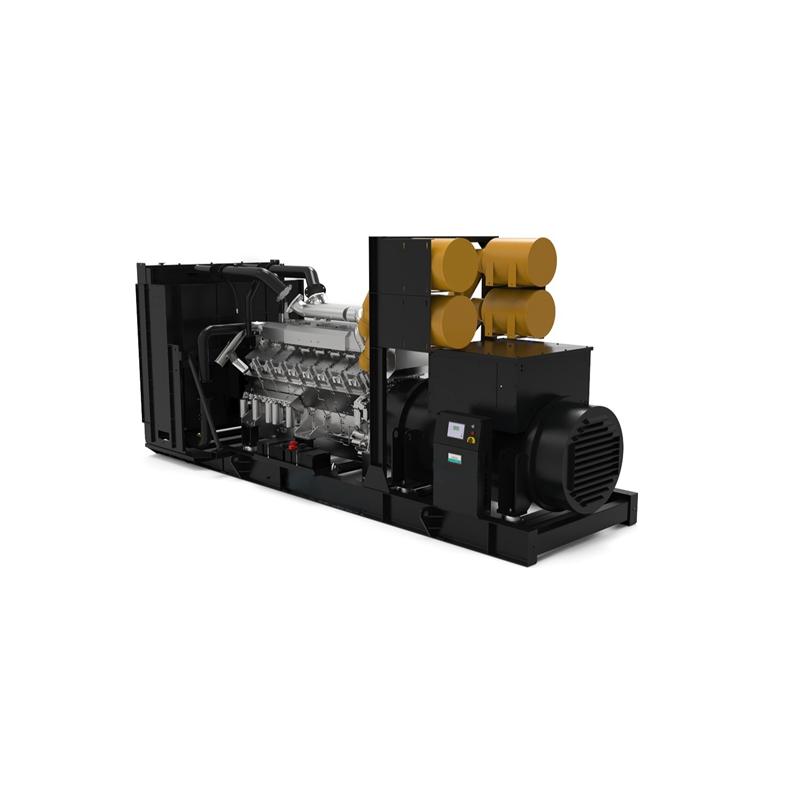 VHSD5-SEM Series High Voltage Generator
 -
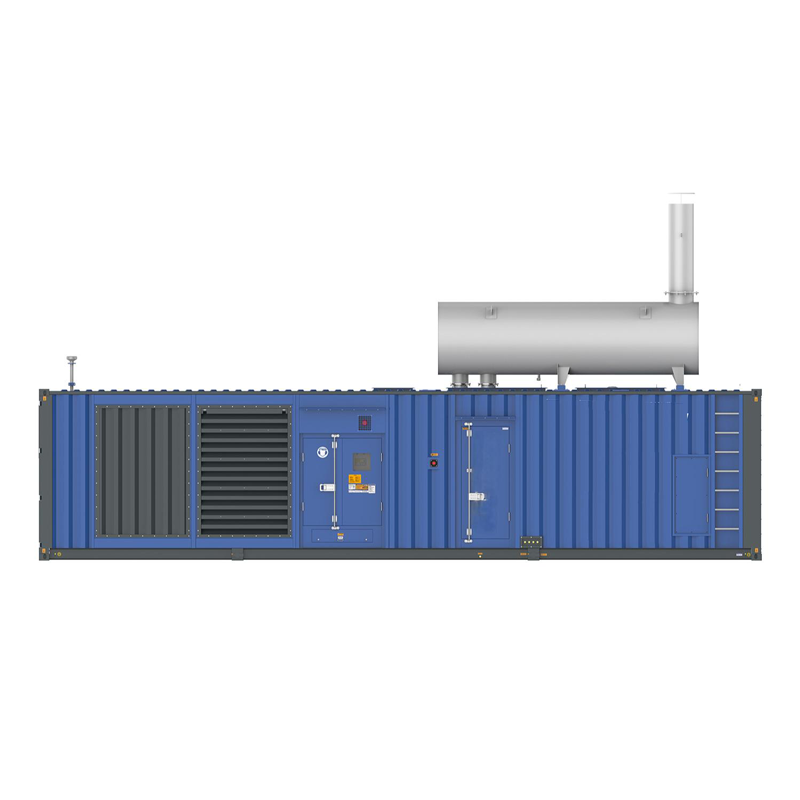 Yuchai VCYD5-S Series Container Generator Set
 -
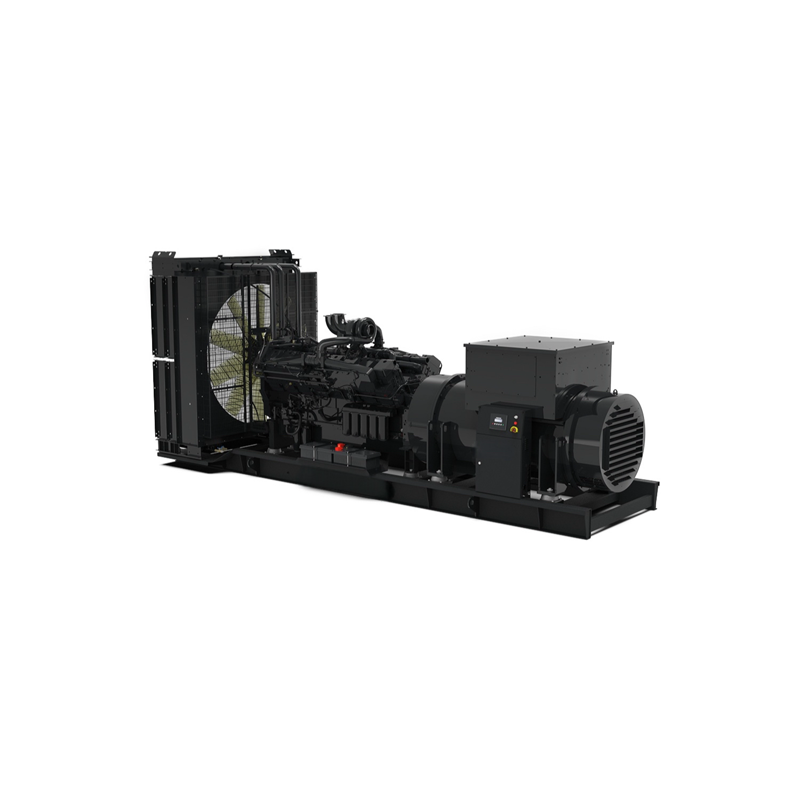 VHCD5-Cummins Series High Voltage Generator
 -
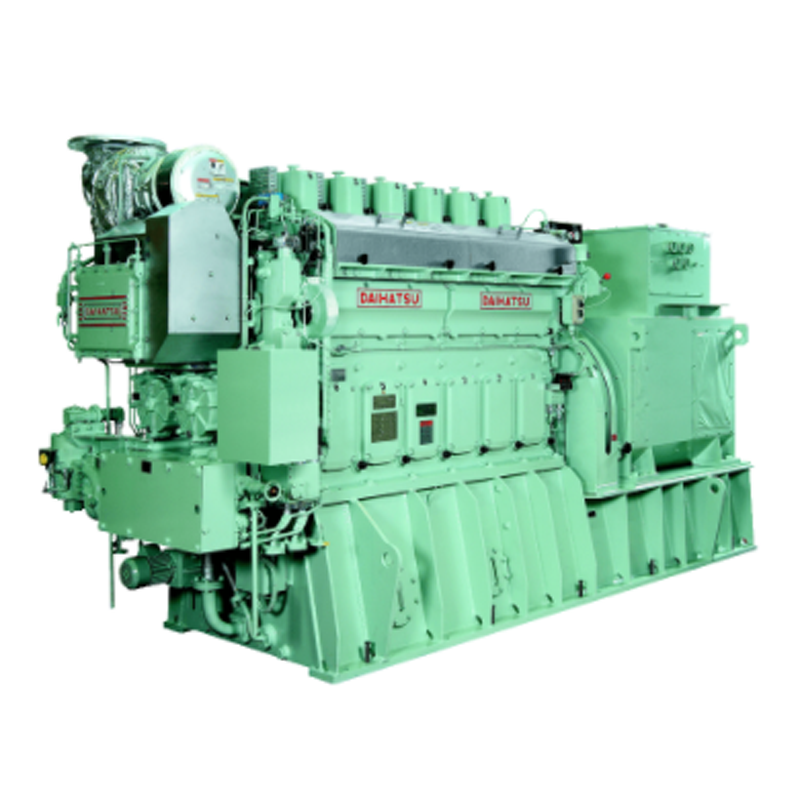 VMH-MAN Series Heavy Oil Generator Set
 -
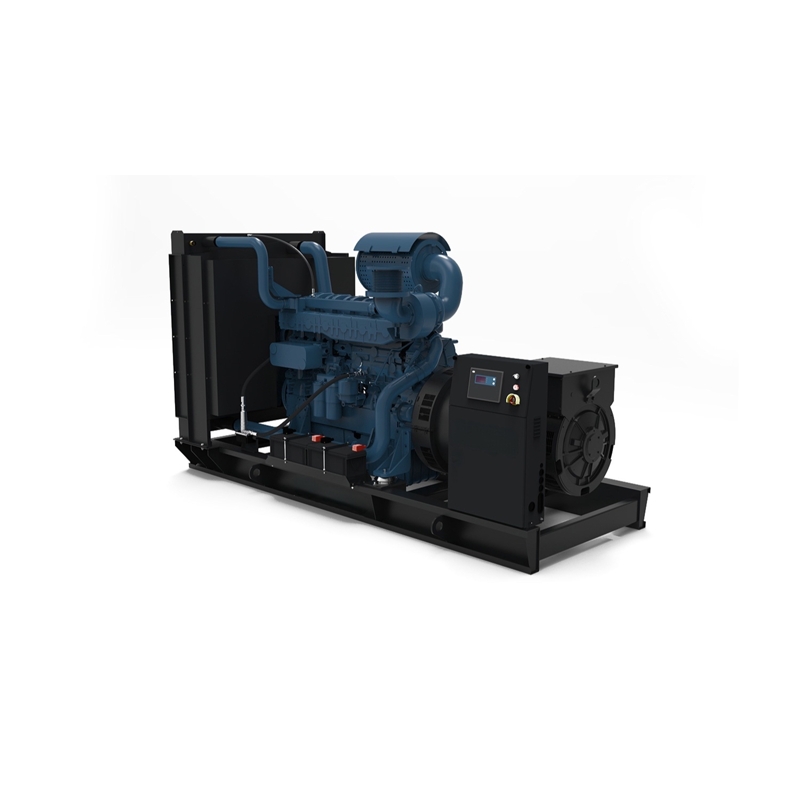 VYD-Yuchai Series Diesel Generator Set
 -
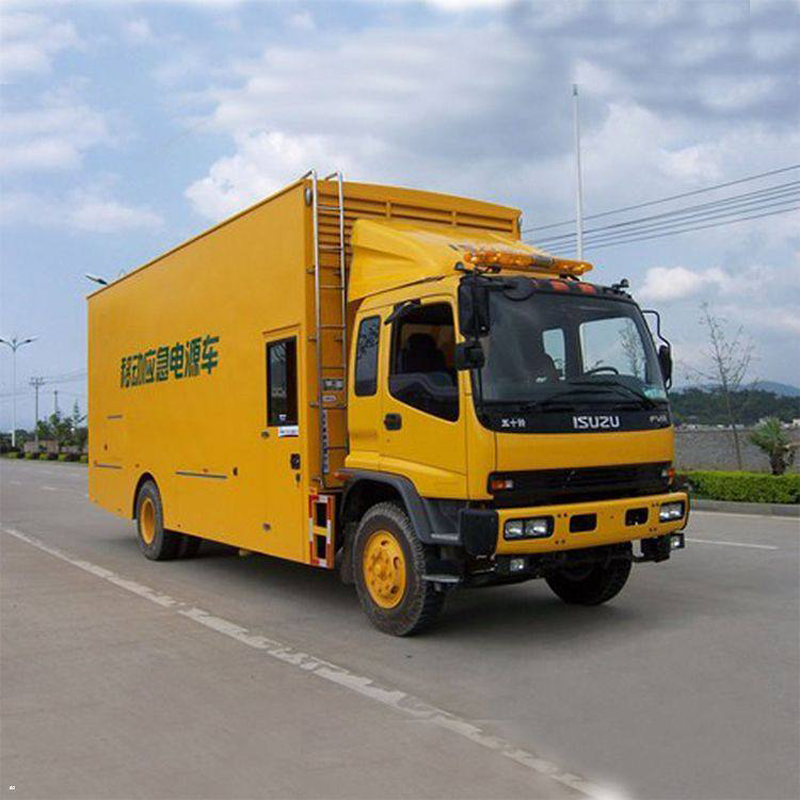 Emergency power supply vehicle
 -
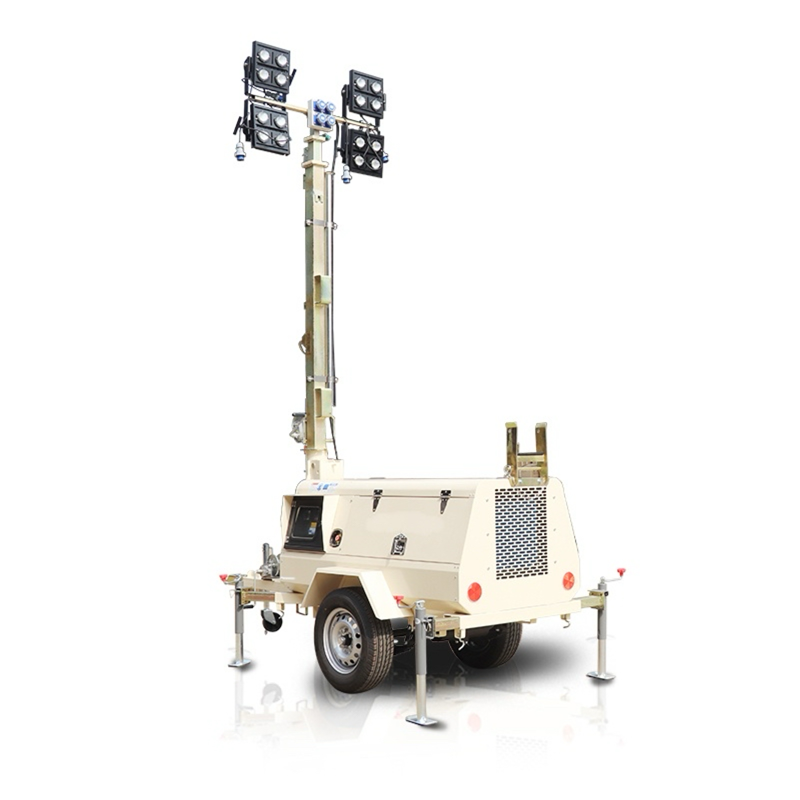 4TN Series
 -
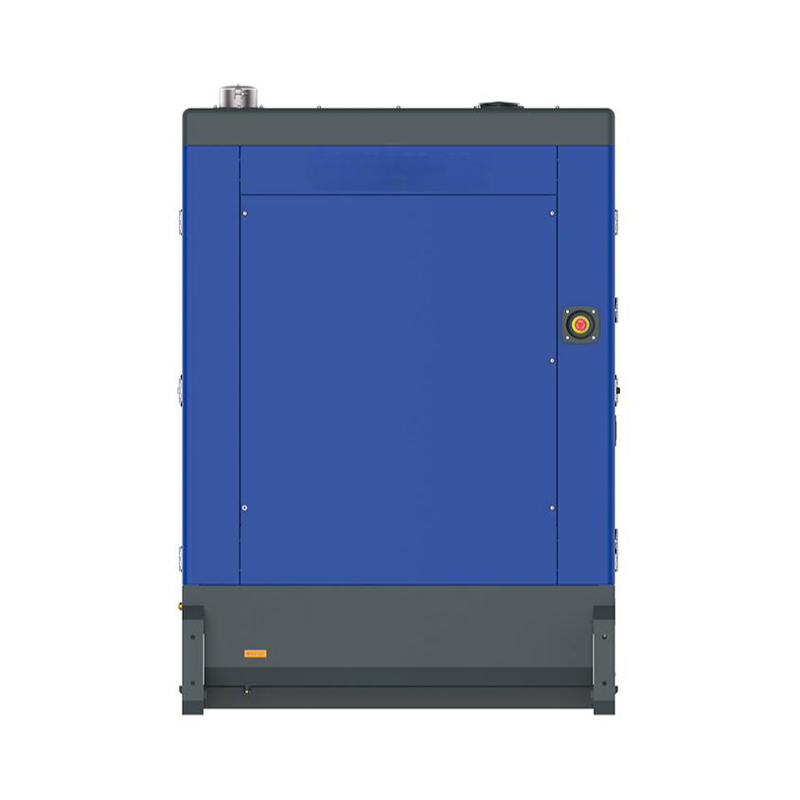 VSCD5-Cummins Series Quiet Generator Set
 -
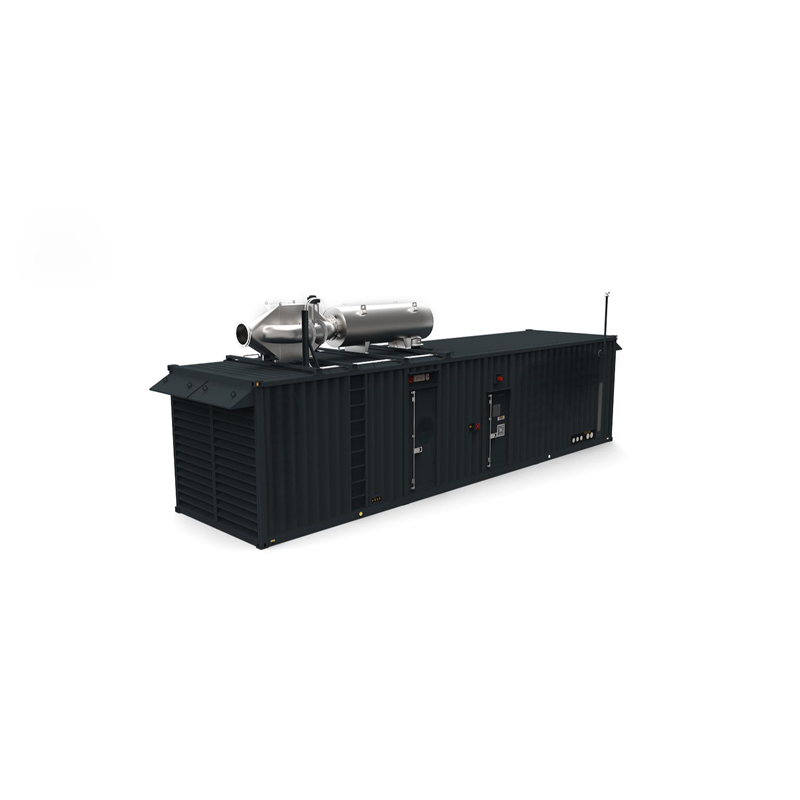 VCSD5-SME Series Container Generator Set
 -
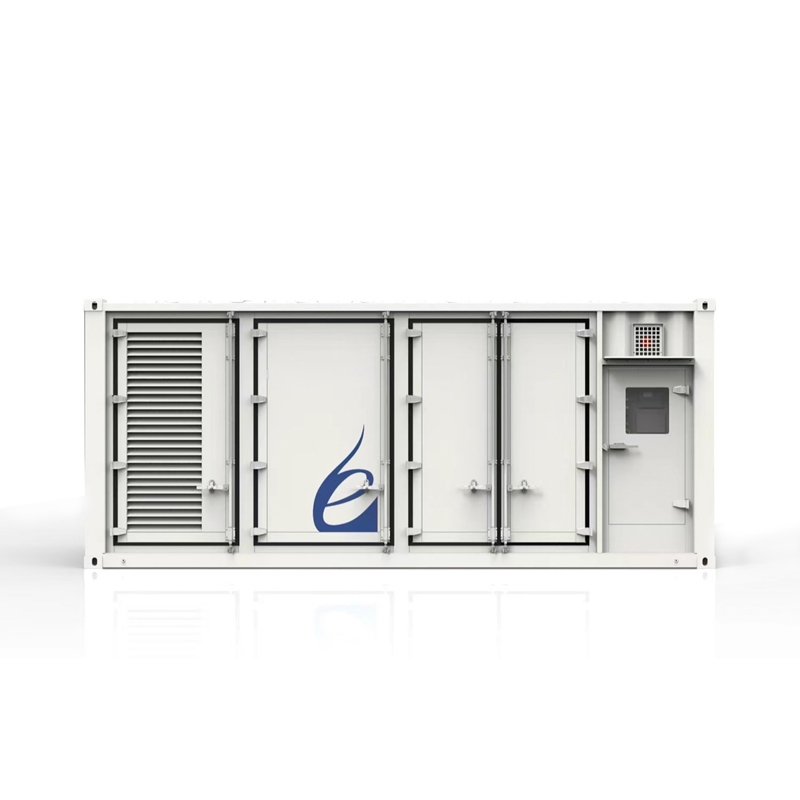 Energy storage container
 -
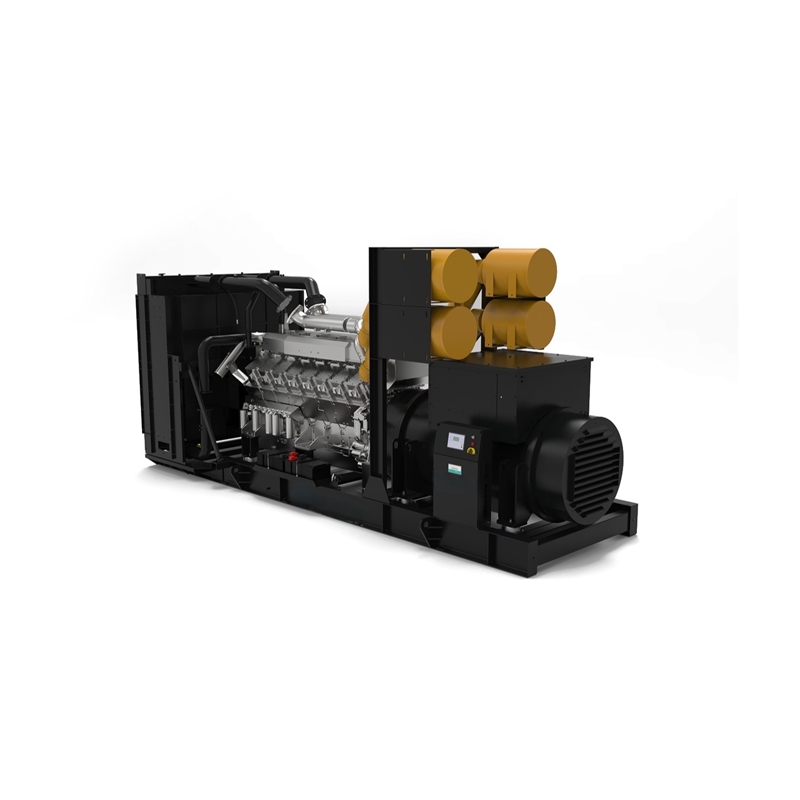 Diesel generator set VSD-SEM series
 -
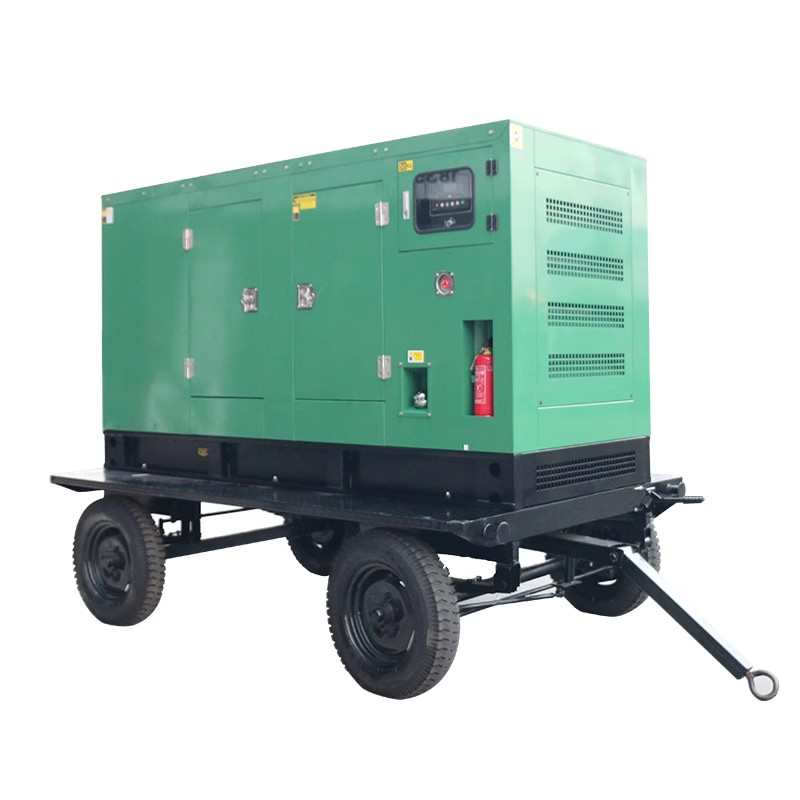 Mobile trailer
Relatedsearch
Related Search- Chinese mobile solar powered light tower
- Famous Caterpillar diesel generator sets
- ISTOK generator sets in China
- Buy a generator set in a container
- 100 diesel generator set
- 1800 kW container generator
- Excellent low noise generator set
- Excellent lighting
- Leading Oil Generator Sets
- Cheap diesel generator equipment systems