


Oil power plant
Oil power plant(MES) is a thermal power plant that uses fuel oil as the main fuel to produce electricity. The principle of its operation is based on burning fuel oil in a boiler, heating water to the state of steam, which rotates a turbine connected to a generator. The generator converts mechanical rotational energy into electrical energy.Oil fired power plantsare used as backup energy sources, to cover peak loads and in regions with limited access to other types of fuel.
What is an oil-fired power plant and how does it work?
Oil power plantis a complex energy facility designed to convert the chemical energy of fuel oil into electrical energy. It is a type of thermal power plant (TPP), and its operation is based on the thermodynamic Rankine cycle. Let's consider the main stages of MES operation:
- Fuel oil preparation:The fuel oil enters the station, where it is cleaned from mechanical impurities and heated to ensure optimal viscosity and atomization.
- Burning fuel oil:The heated fuel oil is sprayed into the boiler furnace and burned in the presence of air. During combustion, thermal energy is released.
- Getting steam:Thermal energy from the combustion of fuel oil is used to heat water in the boiler. Water turns into steam at high pressure and temperature.
- Turbine rotation:High pressure steam is directed onto the blades of the steam turbine, causing it to rotate.
- Electricity generation:The turbine is connected to a generator, which converts the mechanical energy of the turbine rotation into electrical energy.
- Steam condensation:The exhaust steam from the turbine enters the condenser, where it is cooled and converted back into water. This water is returned to the boiler to be cycled again.
- Cooling:To cool the steam in the condenser, a cooling system is used, which can be based on the use of water from a river, lake or cooling tower.
Advantages and disadvantages of oil-fired power plants
Oil fired power plantshave both advantages and disadvantages that must be taken into account when assessing their feasibility:
Benefits:
- Relatively low construction costs:Compared to nuclear power plants, constructionfuel oil power plantrequires less capital investment.
- Quick commissioning:Construction and commissioning times for MPPs are usually shorter than for other types of power plants.
- Maneuverability:MES can quickly change their output depending on the needs of the power system, making them useful for covering peak loads.
- Possibility of using different types of fuel:Some MES can be adapted to run on other liquid fuels such as diesel or crude oil.
Disadvantages:
- High fuel cost:Fuel oil is a relatively expensive fuel, resulting in high operating costs.
- High emissions:Burning fuel oil releases pollutants such as sulfur oxides, nitrogen oxides and particulate matter, which negatively impacts the environment.
- Dependence on fuel oil supplies:The operation of MES is entirely dependent on a stable supply of fuel oil, which can be a problem in conditions of instability in the fuel market.
- Need for fuel storage facilities:To ensure continuous operation of MES, it is necessary to have large fuel oil storage facilities, which requires additional costs and takes up territory.
Application of oil fired power plants
Oil fired power plantsfind application in various fields:
- Backup energy sources:MES are used as backup energy sources to ensure power supply in case of accidents or outages at main power plants.
- Peak load coverage:MPPs can quickly increase their capacity to cover peak loads in the power system, especially during periods of increased electricity consumption.
- Power supply to remote areas:In regions with limited access to other fuels,fuel oil power plantsmay be the only source of electricity.
- Energy supply for industrial enterprises:Some industrial enterprises have their own MES to meet their needs for electricity and heat.
Technologies for increasing efficiency and reducing emissions of fuel oil power plants
Various technologies are currently being developed and implemented to improve efficiency and reduce emissionsfuel oil power plants:
- Use of modern boilers and turbines:The use of modern boilers with high efficiency and steam turbines with improved characteristics makes it possible to reduce fuel consumption and increase electricity generation.
- Implementation of flue gas purification systems:Installation of flue gas purification systems, such as desulphurization, denitrification and electrostatic precipitators, can reduce emissions of pollutants into the atmosphere.
- Use of alternative fuels:Converting MES to other fuels, such as natural gas or biomass, can significantly reduce emissions of greenhouse gases and other pollutants.
- Introduction of cogeneration systems:Using the heat generated by burning fuel oil to produce not only electricity, but also heat (hot water or steam) can significantly improve the overall efficiency of the plant.
Prospects for the development of fuel oil power plants
Development prospectsfuel oil power plantslargely depend on environmental policies and the availability of other fuels. In the context of tightening environmental requirements and the development of renewable energy sources, the role of MES may gradually decrease. However, in some regions, especially in remote and inaccessible ones,fuel oil power plantsmay remain an important source of electricity for some time to come. At the same time, it is necessary to pay special attention to the introduction of modern technologies aimed at increasing efficiency and reducing the negative impact on the environment.
Example of operation and maintenance of an oil-fired power plant
Let's look at an example of operation and maintenancefuel oil power plantwith a capacity of 100 MW. Let's assume that the station operates around the clock and provides electricity to a small city. During operation, the station consumes about 2,000 tons of fuel oil per day. To ensure continuous operation of the station, it is necessary to carry out regular maintenance and repair of equipment. Maintenance includes checking and cleaning the boiler, turbine, generator and other equipment. Repairs may include replacing worn parts, repairing piping and electrical equipment. An important aspect is control over the quality of fuel oil and compliance with safety requirements. Plant personnel must undergo regular training and instruction on safety precautions and equipment operation.
How to choose a fuel oil power plant: key parameters and criteria
Choicefuel oil power plant– a complex task that requires taking into account many factors. When choosing, you must consider the following key parameters and criteria:
- Power:The power of the station must correspond to the electricity needs. Current and projected electricity consumption must be taken into account.
- Efficiency:The plant efficiency determines the efficiency of converting fuel energy into electricity. The higher the efficiency, the lower the fuel consumption and the lower the operating costs.
- Emissions:It is necessary to take into account the level of emissions of pollutants into the atmosphere. The station must comply with environmental requirements and regulations.
- Reliability:The reliability of a station determines its ability to operate without failures or interruptions. It is necessary to choose equipment with a high level of reliability and a proven reputation.
- Cost:The cost of construction, operation and maintenance of the plant must be taken into account. A cost-benefit analysis must be carried out to determine the best option.
- Operating conditions:It is necessary to take into account the climatic and geographical conditions of the station's operation. Equipment must be adapted to local conditions.
- Fuel availability:The availability and cost of fuel oil must be taken into account. It is necessary to conclude long-term contracts for the supply of fuel at competitive prices.
Economic efficiency of oil-fired power plants
Economic efficiencyfuel oil power plantsdepends on many factors, including the cost of fuel oil, plant efficiency, emissions and operating and maintenance costs. To assess economic efficiency, it is necessary to conduct a technical and economic analysis that takes into account all costs and income. An important factor is also government support and regulation of the industry. In some countries, the government provides subsidies for the use of renewable energy sources, which makes MES less competitive. However, in other countries where heavy fuel oil is the main fuel,fuel oil power plantsmay remain economically viable.
Environmental aspects of using oil-fired power plants
As already noted,fuel oil power plantsare a source of emissions of pollutants such as sulfur oxides, nitrogen oxides and particulate matter. These substances can have negative effects on human health and the environment. To reduce the negative impact, it is necessary to introduce modern flue gas purification technologies and use cleaner fuel. An important aspect is also monitoring emissions and monitoring compliance with environmental standards. Yuke (Shandong) Electrical Technology Co.,Ltd (https://www.voyoko.ru/) offers modern solutions to improve the environmental safety of energy facilities.
The future of fuel oil energy: alternatives and innovations
The future of fuel oil energy largely depends on the development of alternative energy sources and the introduction of innovative technologies. Renewable energy sources such as solar, wind and hydropower are becoming increasingly competitive and can replacefuel oil power plantsin the future. However, to ensure a stable power supply, it is necessary to develop energy storage systems and smart grids. Innovative technologies such as fuel oil gasification and the use of fuel cells can improve the efficiency and reduce emissions of MES. Also, a promising direction is the use of synthetic fuels obtained from renewable energy sources.
| Characteristics | Oil power plant | Gas power plant |
|---|---|---|
| Fuel cost | High | Average |
| Emissions | High (SOx, NOx, particles) | Medium (NOx, CO2) |
| Maneuverability | Average | High |
| Difficulty storing fuel | High | Low (if there is a gas pipeline) |
| Construction cost | Average | Average |
Conclusion
Oil fired power plantshave played and continue to play an important role in providing electricity to various regions and industries. However, in the context of tightening environmental requirements and the development of renewable energy sources, the future of MES is becoming increasingly uncertain. To ensure competitiveness and minimize the negative impact on the environment, it is necessary to introduce modern technologies, use cleaner fuel and develop alternative energy sources. An important aspect is also government support and regulation of the industry, aimed at stimulating environmentally friendly technologies and reducing emissions of pollutants.
Correspondingproducts
Related Products

Best Sellingproducts
Best Selling Products-
 Series 4HV
 -
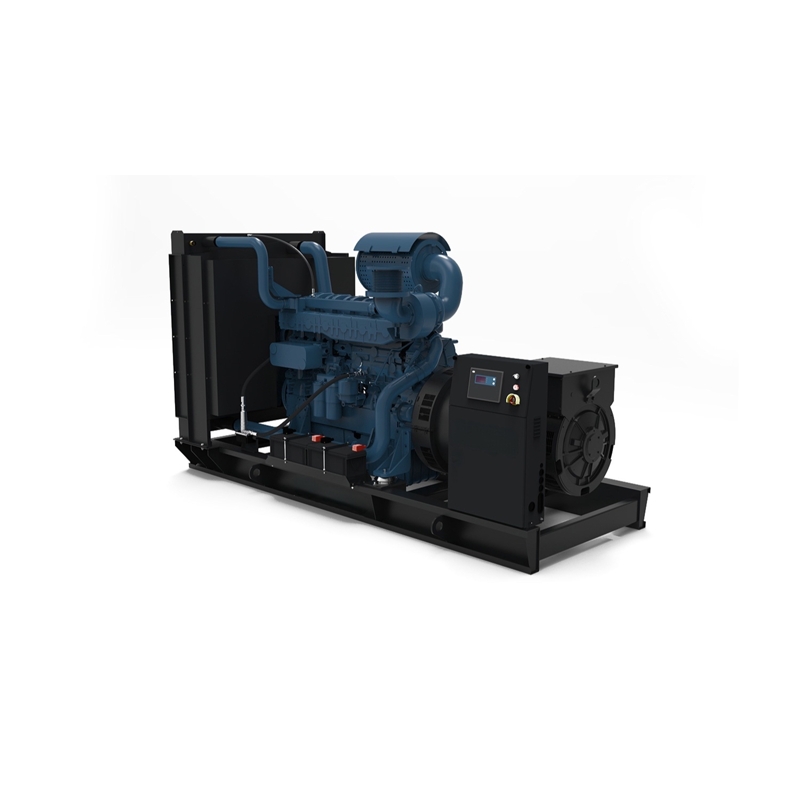 VYD-Yuchai Series Diesel Generator Set
 -
 i9T Series
 -
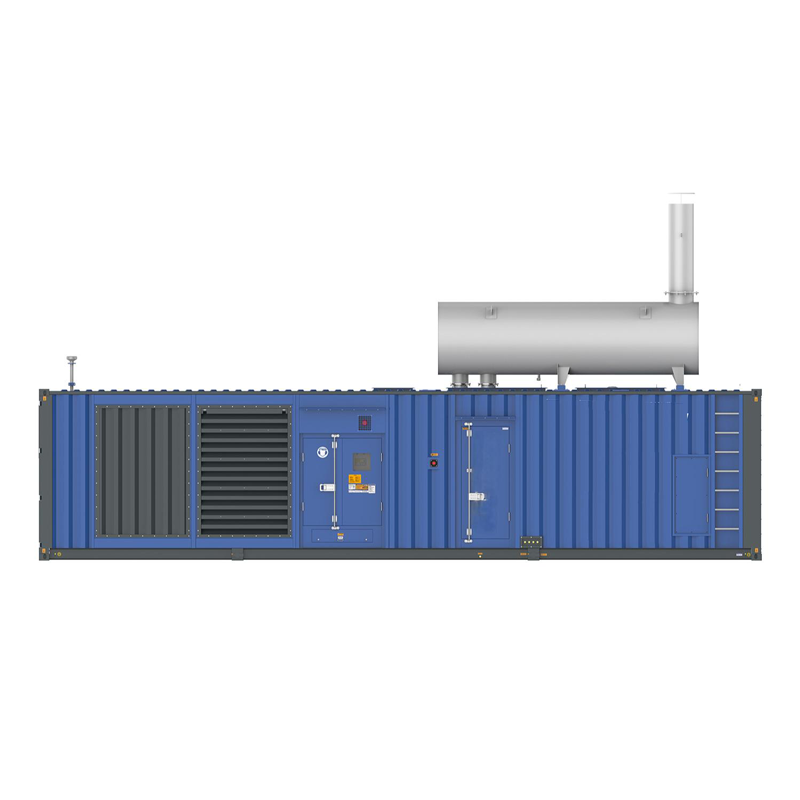 Yuchai VCYD5-S Series Container Generator Set
 -
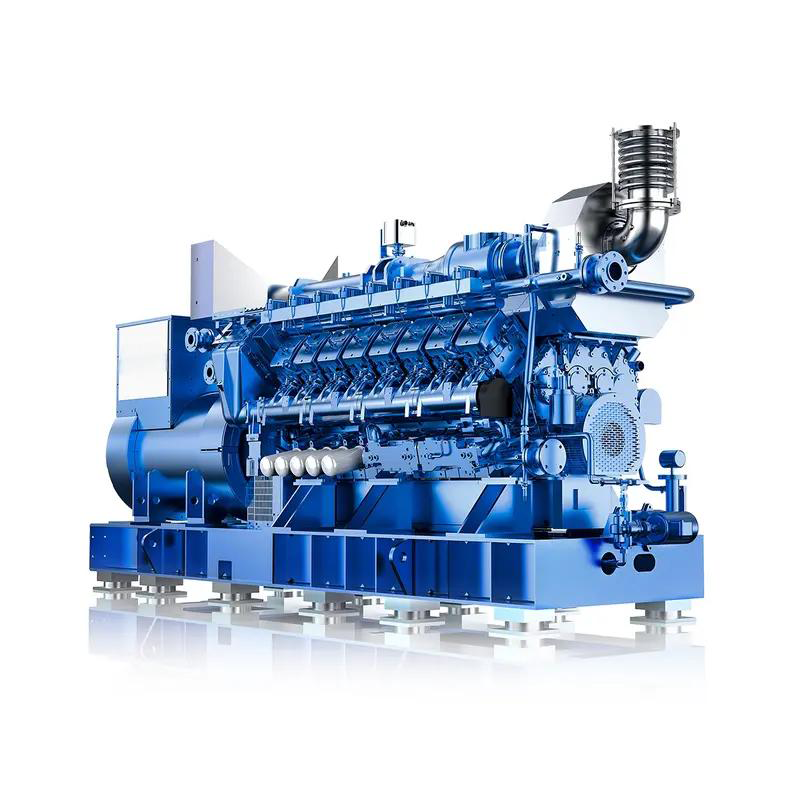 VLYG series gas generating unit
 -
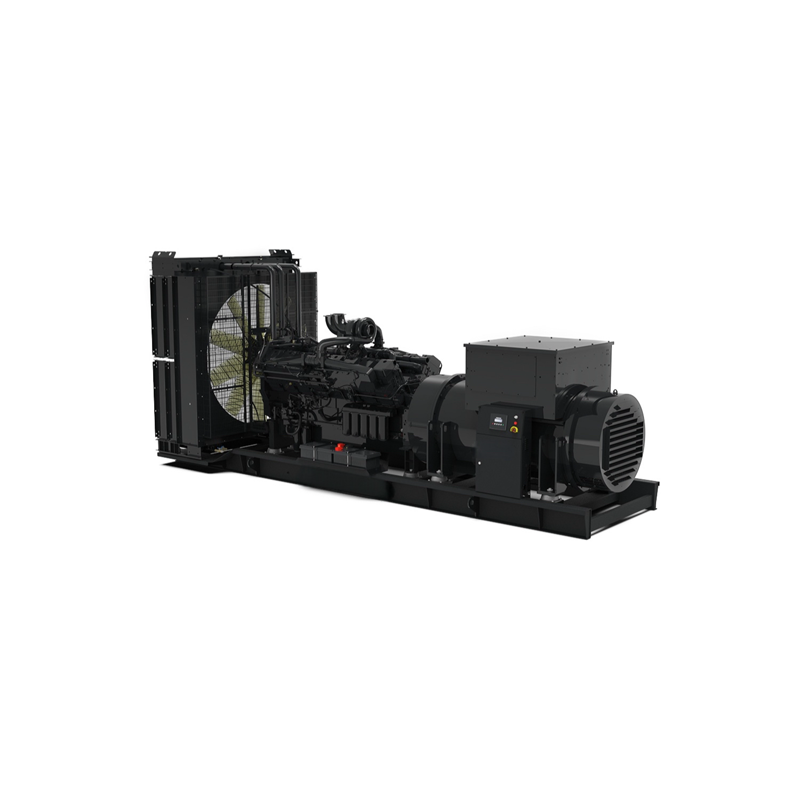 VHCD5-Cummins Series High Voltage Generator
 -
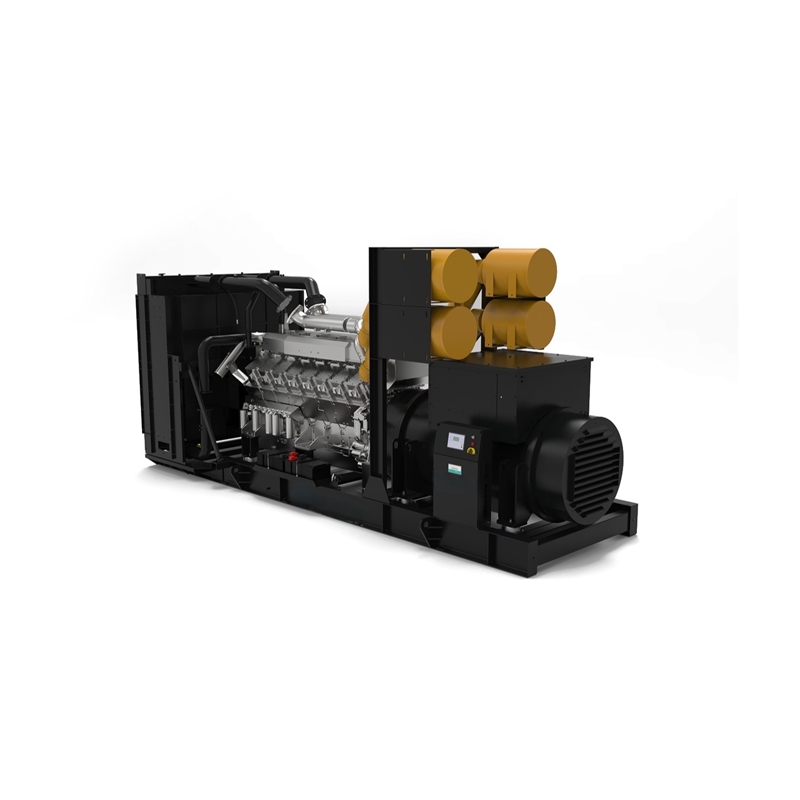 Diesel generator set VSD-SEM series
 -
 75 series for oil fields
 -
 Emergency power supply vehicle
 -
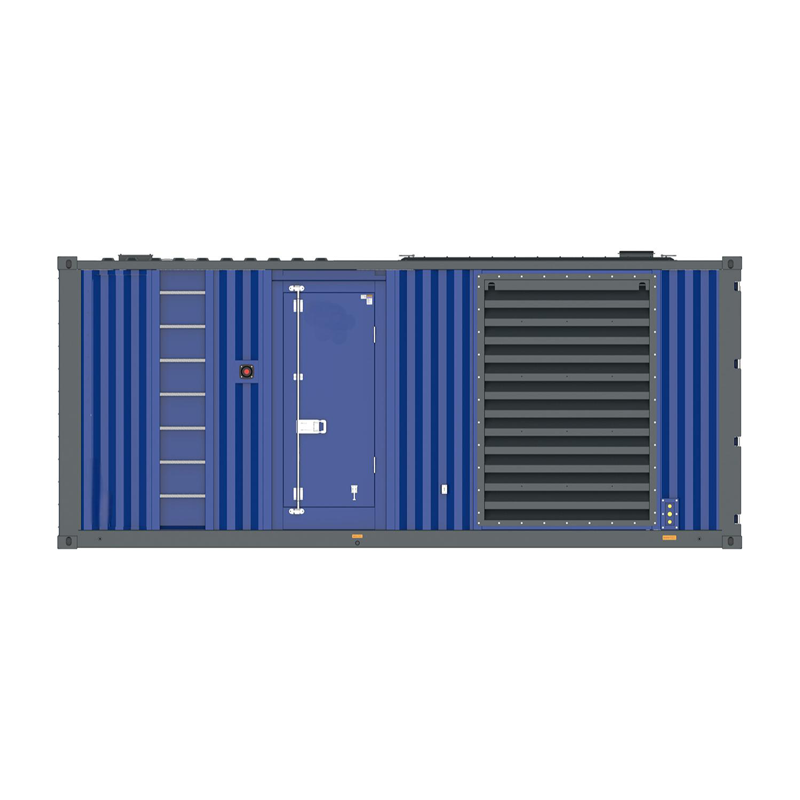 VCCD5-Cummins Series Container Generator Set
 -
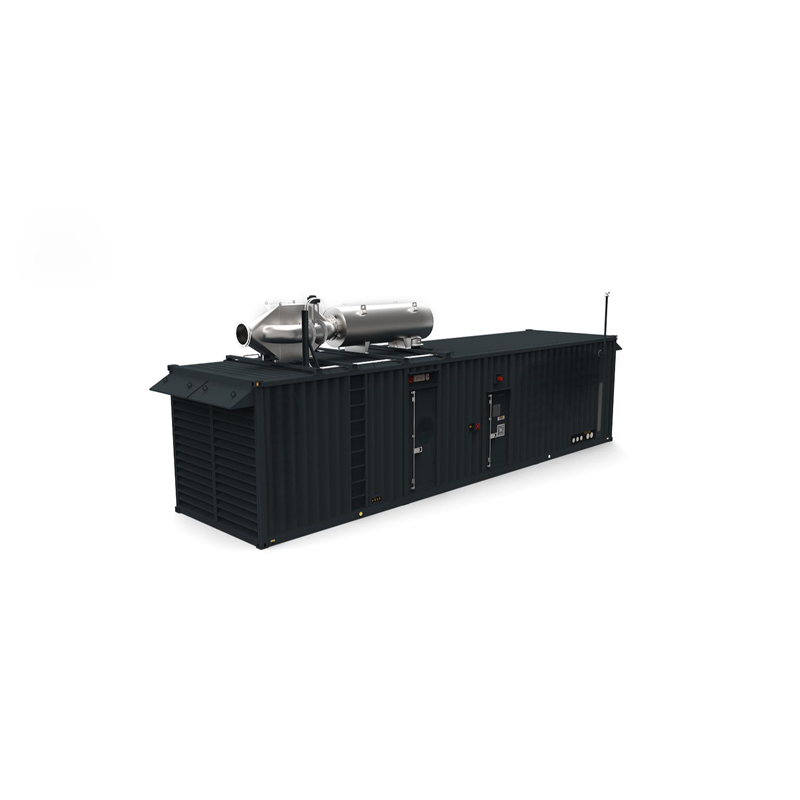 VCSD5-SME Series Container Generator Set
 -
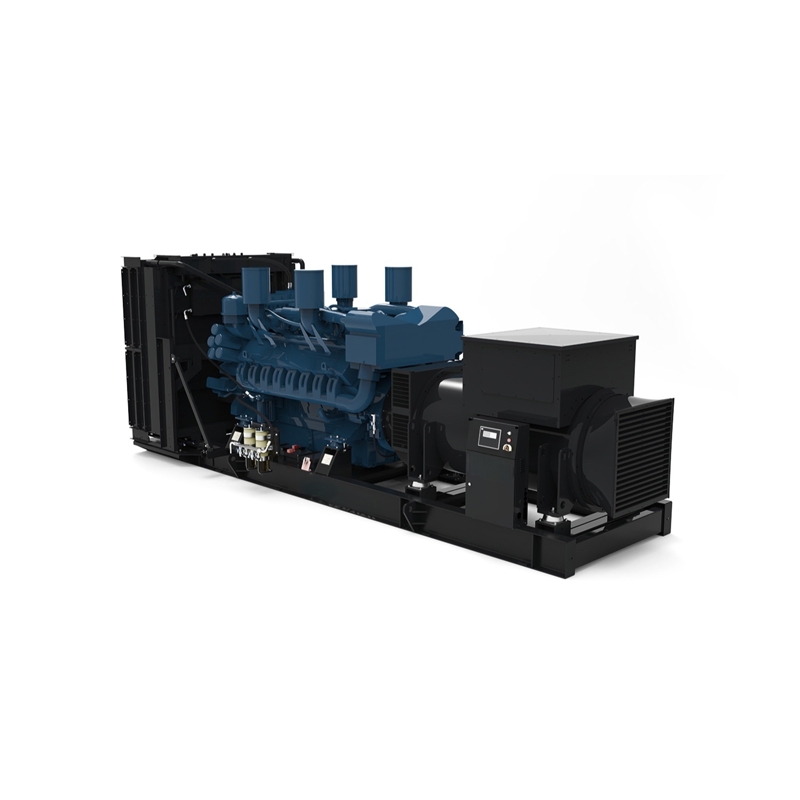 Diesel generator set VMD-MTU series