

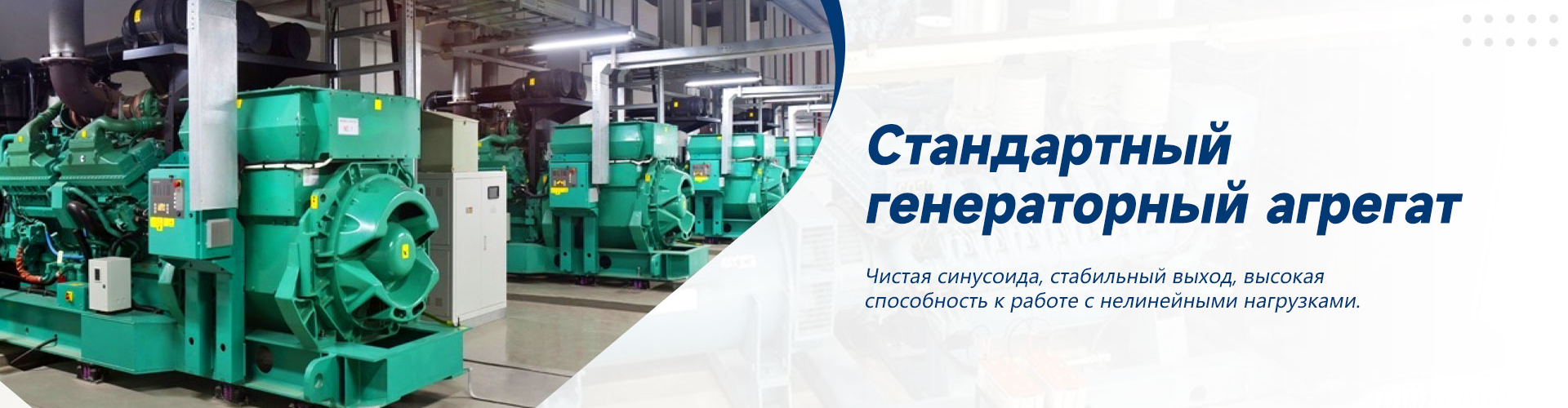
Natural gas power generation in China
Natural gas power generation in Chinaplays an important role in the country's energy balance, providing stable electricity supply and helping to reduce emissions compared to coal generation. It is characterized by high efficiency, flexibility and relatively low greenhouse gas emissions, making it an attractive option to meet China's growing electricity demand. Let's look at key aspects of the industry's development, including its current state, key technologies, regulatory framework and future prospects.
Current status of natural gas power generation in China
In recent decadesnatural gas power generation in Chinashows steady growth. Several factors contribute to this, including:
- Increased production and import of natural gas.
- Government policy aimed at diversifying energy sources and reducing dependence on coal.
- Development of gas generation technologies.
- Tightening environmental standards.
Despite significant progress, the share of gas generation in China's overall electricity mix is still relatively small compared to coal and hydropower. However, given current trends and government support, further growth is expected in this sector.
Basic gas generation technologies
Various technologies are used in Chinanatural gas power generation, including:
Gas turbine units (GTU)
Gas turbines are the most common technology, characterized by high efficiency and flexibility. They can be used in both simple cycles and combined cycles (CCGT), which provide even higher efficiency.
Gas piston units (GPU)
GPUs are usually used for small power plants and cogeneration (simultaneous production of electricity and heat). They are characterized by high reliability and low emissions.
Cogeneration plants (CHP)
CHP plants allow the simultaneous production of electricity and heat, increasing the overall efficiency of natural gas use. They are widely used in industrial areas and cities.
Regulatory framework
Developmentnatural gas power generation in Chinaregulated by a number of regulations, including:
- China's energy strategy.
- Energy sector development plans.
- Environmental standards and norms.
- Policies to support renewable energy sources and gas generation.
The state provides various benefits and subsidies to stimulate investment in gas generation, including tax reductions and simplified licensing procedures.
Advantages and disadvantages of natural gas power generation
Natural gas power generationhas a number of advantages compared to other energy sources:
- Lower greenhouse gas emissionscompared to coal generation.
- High efficiency, especially when using combined cycles and cogeneration.
- Flexibilityand the ability to quickly start and stop, which is important for maintaining grid stability.
- Reliabilityand relatively low operating costs.
However, there are some disadvantages:
- Dependency on natural gas supplies, both domestic and imported.
- Higher cost of natural gascompared to coal in some regions.
- The need to build gas infrastructure, including gas pipelines and storage facilities.
Prospects for the development of natural gas power generation in China
It is expected thatnatural gas power generation in Chinawill continue to develop in the coming years. This is facilitated by:
- Growing demand for electricitydue to economic growth and urbanization.
- Commitment to reducing greenhouse gas emissionsand improving the environmental situation.
- Development of gas generation technologies, including more efficient and environmentally friendly installations.
- State support, aimed at diversifying energy sources.
Yuke (Shandong) Electrical Technology Co.,Ltd (https://www.voyoko.ru/) offers advanced solutions in the field of electrical energy, including equipment fornatural gas power generation.
Examples of natural gas power generation projects in China
Many successful projects in the field ofnatural gas power generation. Here are some examples:
- Natural gas power plant in Shanghai: Large power plant using gas turbine units to produce electricity and heat.
- Gas piston power plant in Beijing: A small power plant that provides electricity and heat to residential and industrial areas.
- Cogeneration plant in Guangdong Province: Modern thermal power plant using natural gas to produce electricity and steam for industrial plants.
Economic aspects of natural gas power generation
Costnatural gas power generationdepends on several factors, including:
- Cost of natural gas.
- Capital costs for the construction of a power plant.
- Operating costs.
- Installation efficiency.
Currently, the cost of gas generation may be higher than coal, but taking into account environmental costs and government support, it is becoming increasingly competitive. In addition, the development of technology and the reduction in the cost of natural gas contribute to a further reduction in the cost of gas generation.
Environmental impact
Natural gas power generationhas less negative impact on the environment than coal generation. In particular, emissions of greenhouse gases, pollutants and particulate matter are significantly lower. However, it must be taken into account that during the extraction and transportation of natural gas, leaks of methane, which is a strong greenhouse gas, may occur.
Comparison of natural gas power generation with other energy sources
The following table shows the comparisonnatural gas power generationwith other main energy sources:
| Energy source | Benefits | Disadvantages |
|---|---|---|
| Natural gas | Low emissions compared to coal, high efficiency, flexibility | Supply dependency, gas costs, methane emissions |
| Coal | Low cost, availability | High emissions, environmental pollution |
| Hydropower | Renewable source, low operating costs | Impact on the environment, dependence on hydrological regime |
| Solar energy | Renewable source, low operating costs | Dependence on weather conditions, high cost, need for energy storage devices |
| Wind power | Renewable source, low operating costs | Dependence on weather conditions, impact on the landscape |
Conclusion
Natural gas power generation in Chinaplays an important role in ensuring energy security and reducing greenhouse gas emissions. The sector is expected to continue to grow in the coming years, driven by government support, technological advancements and growing demand for electricity. Despite some shortcomings, gas generation remains one of the most promising options for meeting China's energy needs.
Sources: Data from the National Statistics Office of China, China Energy Strategy, reports from international energy organizations.
Correspondingproducts
Related Products
Best Sellingproducts
Best Selling Products-
 VSCD5-Cummins Series Quiet Generator Set
 -
 Series 4HV
 -
 VHCD5-Cummins Series High Voltage Generator
 -
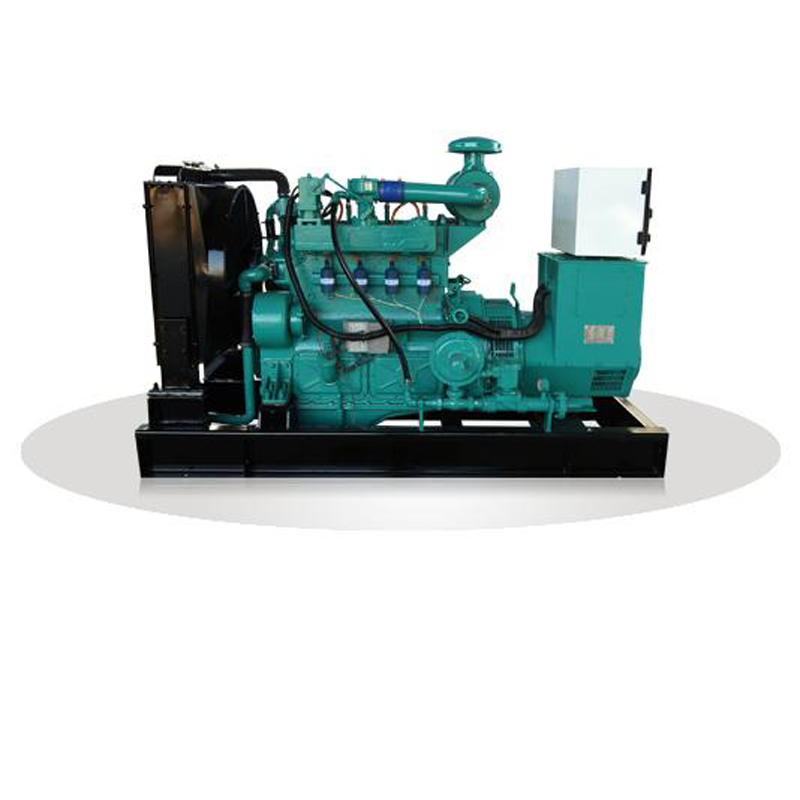 VYG Yuchai Series Natural Gas Generators
 -
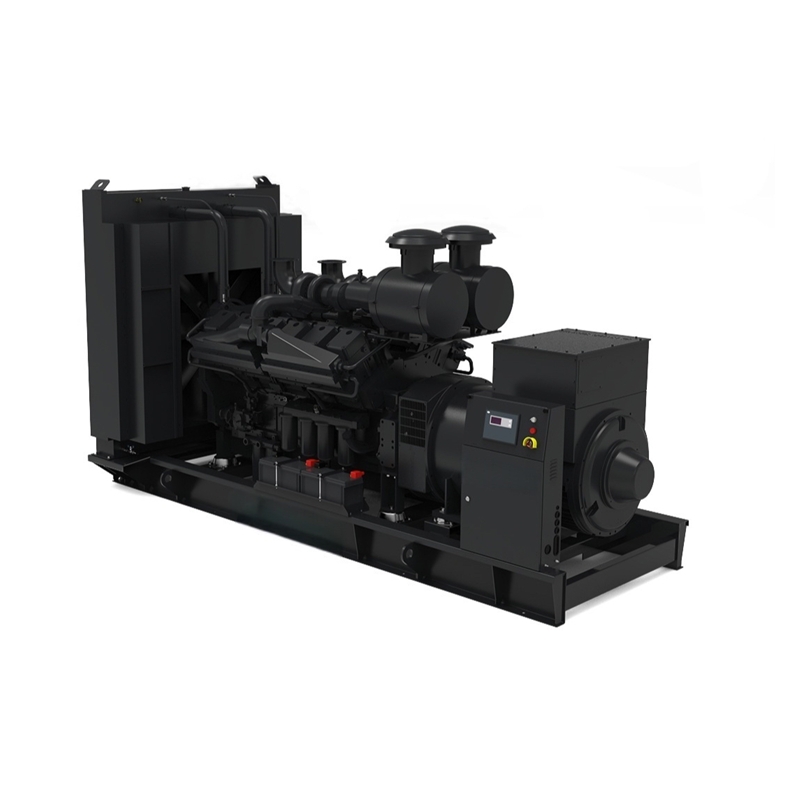 VCD-Cummins Series Diesel Generator Set
 -
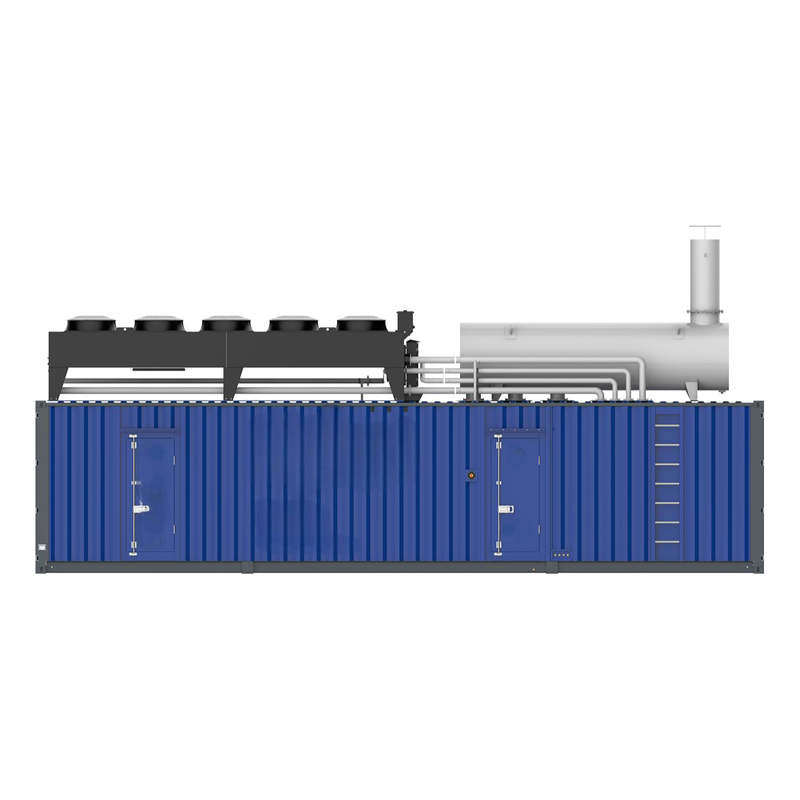 VCMD5-MTU Series Container Generator Set
 -
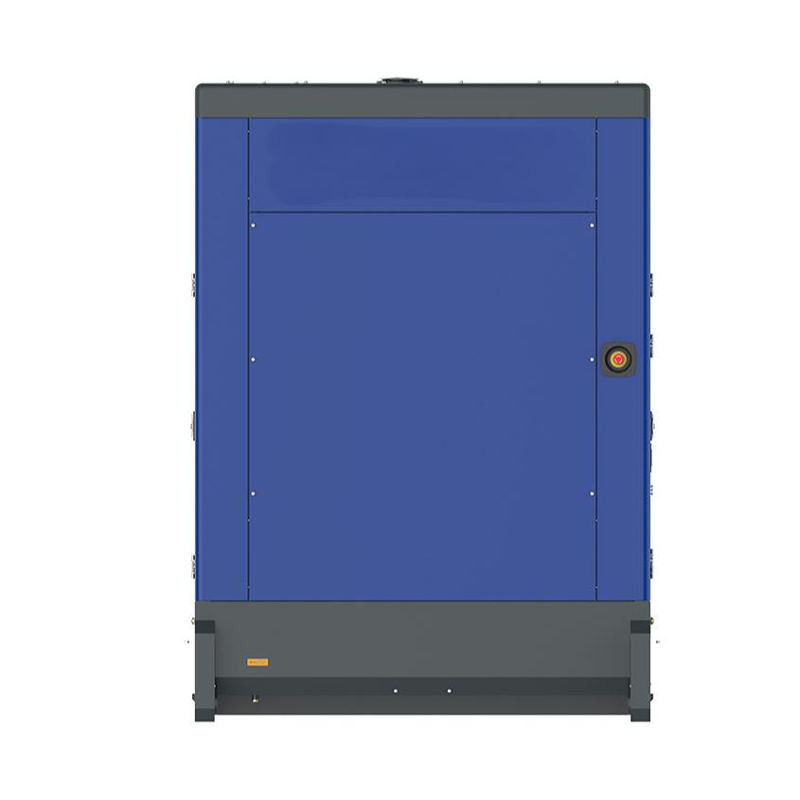 VSYD5-Yuchai Series Silent Generator Set
 -
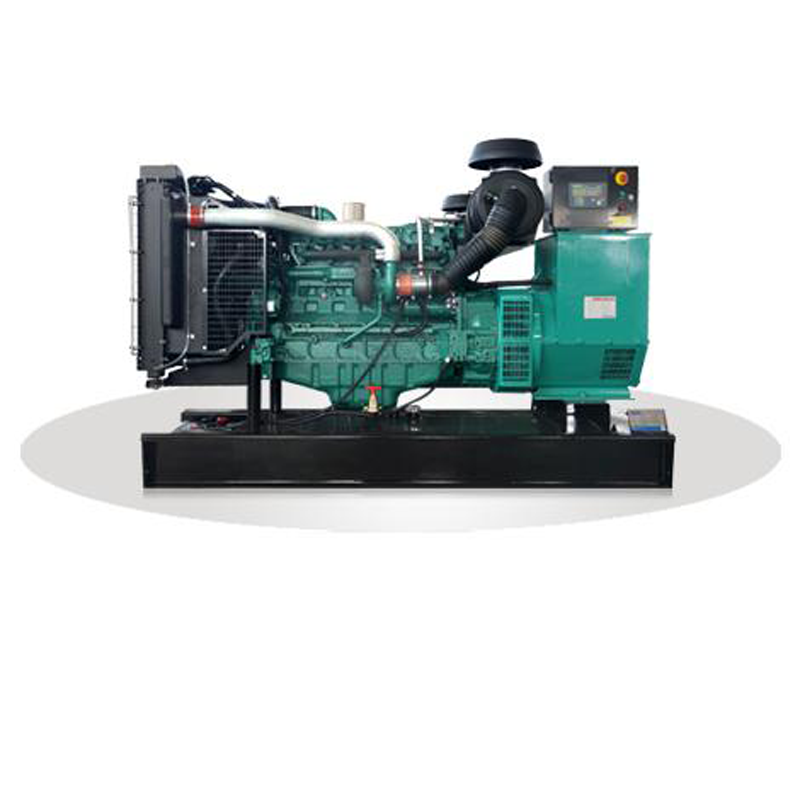 Diesel generator set VVD-VOLVO series
 -
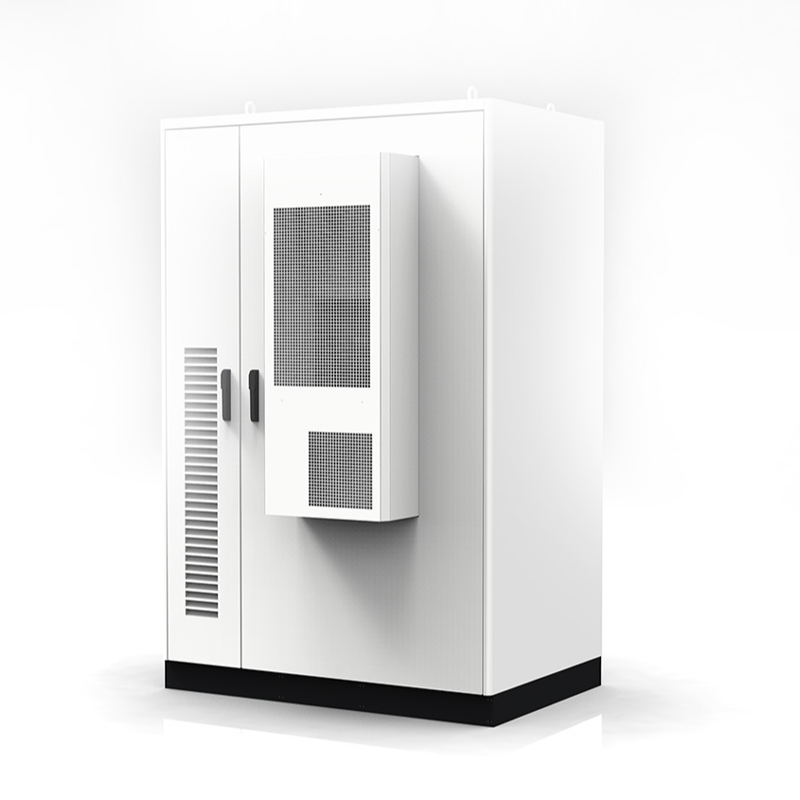 Air Cooled Energy Storage Cabinet
 -
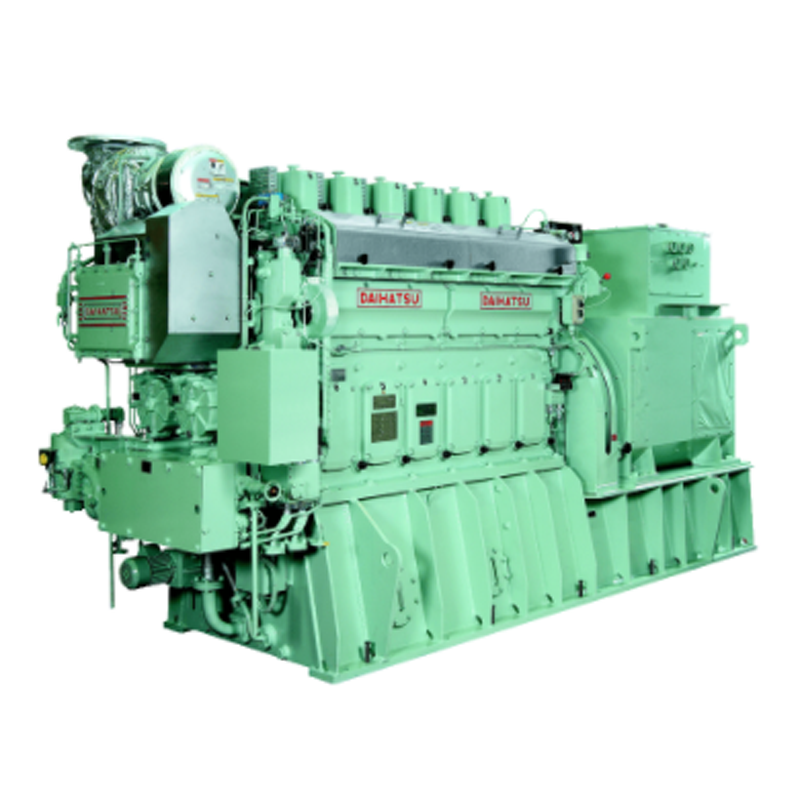 VMH-MAN Series Heavy Oil Generator Set
 -
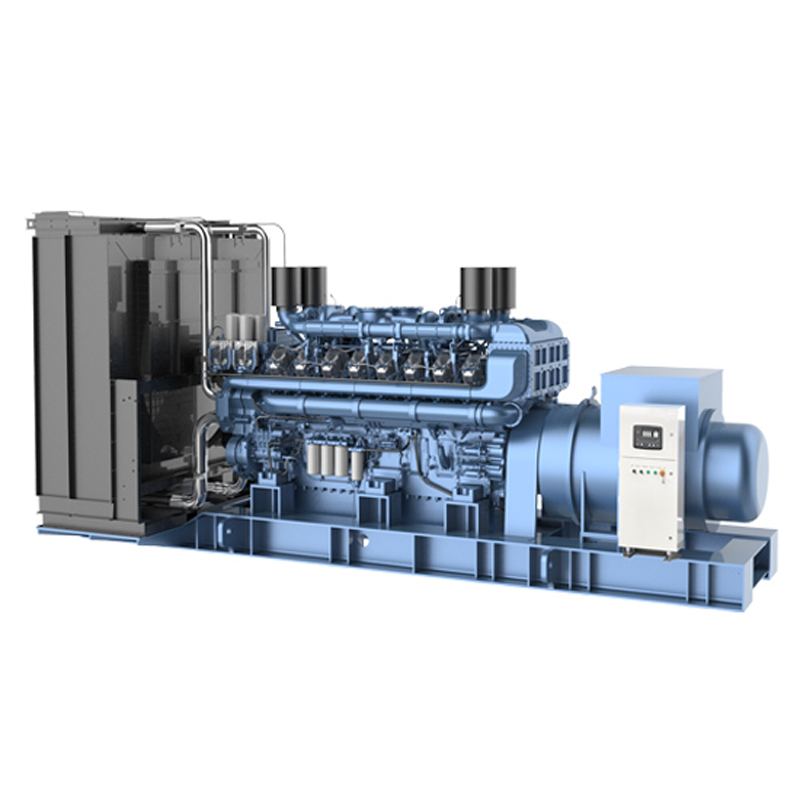 VWG-Weichai Series Natural Gas Generators
 -
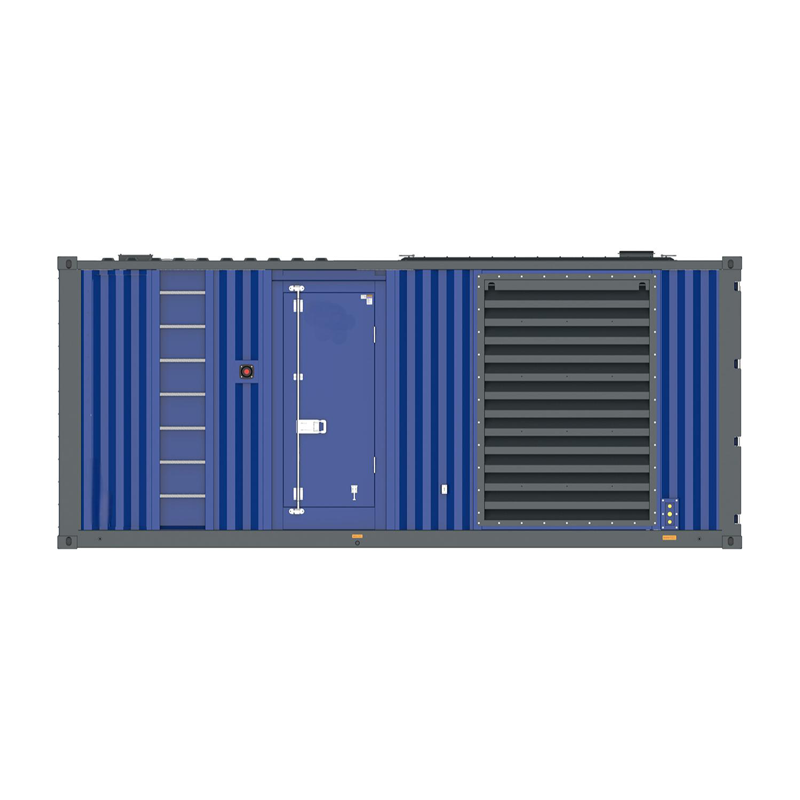 VCCD5-Cummins Series Container Generator Set
Relatedsearch
Related Search- Wholesale 1000KW Gas Generator Sets
- Block type generator sets in China
- 1500 kW biogas generator set in China
- Wholesale of diesel engines
- Wholesale of diesel generator sets SDMO
- Buy a gas and diesel power plant
- Leading gas generation facilities
- Buy a 400 kW generator set
- Famous gas generating plants
- Famous Types of Diesel Generator Sets