

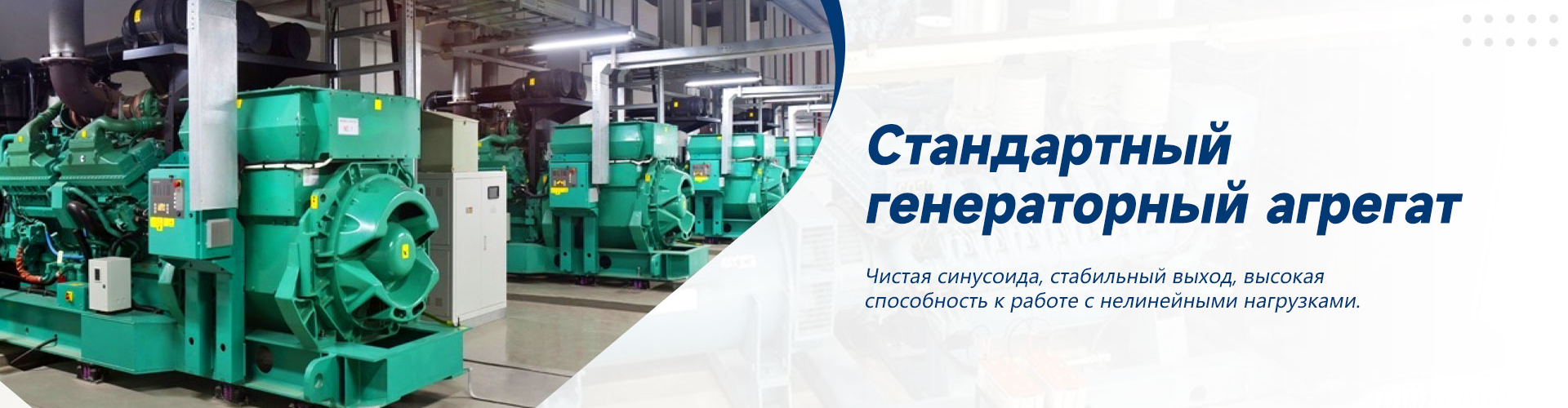
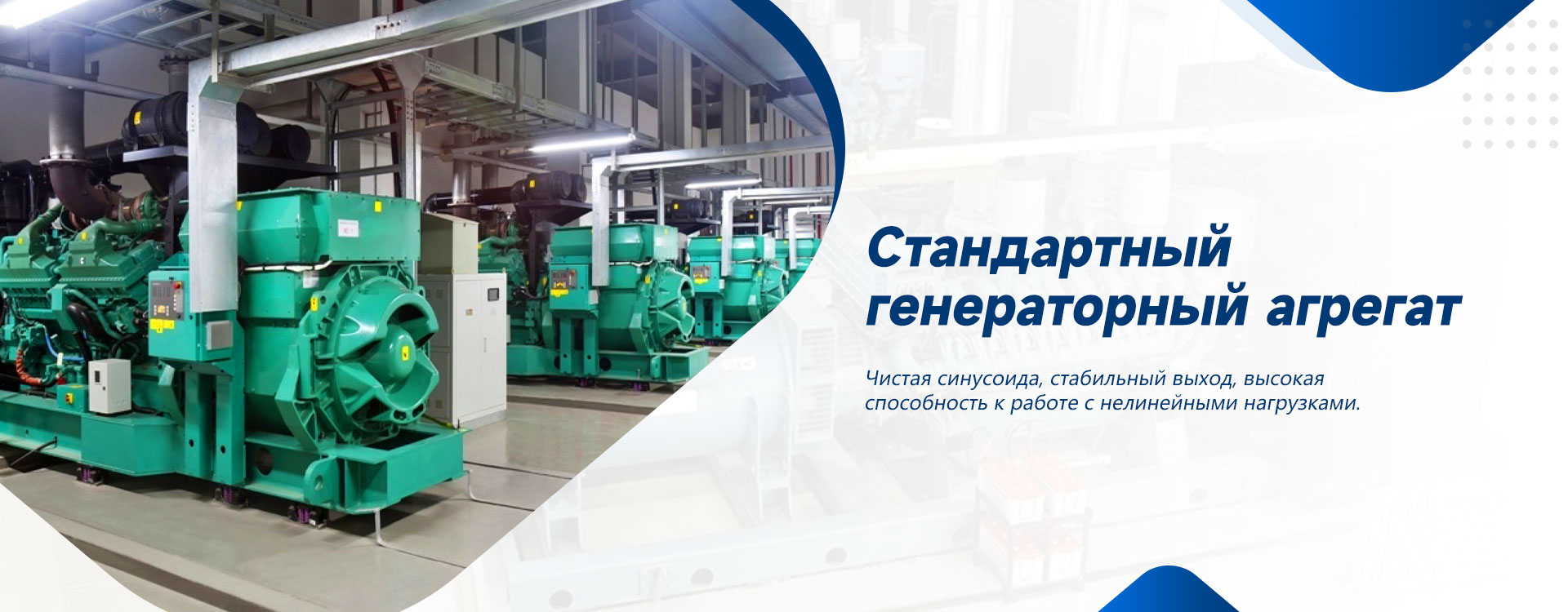
Gas power plant
Gas power plantis a thermal power plant that uses natural gas as fuel to produce electricity. They are highly efficient, have relatively low emissions compared to other types of thermal power plants and are flexible in operation, making them an important element of modern energy infrastructure. Yuke LLC (Shandong) Electrical Engineering Technologies (Voyoko.ru) offers comprehensive solutions for gas power plants, from design to maintenance.
Operating principle of a gas power plant
Gas power plantworks on the following principle:
- Natural gas is burned in the combustion chamber of a gas turbine.
- The hot gases rotate the turbine blades, which in turn drive the generator.
- The generator converts mechanical rotational energy into electrical energy.
- Exhaust gases are usually vented to the atmosphere through a chimney, but some modern power plants use exhaust heat recovery systems to improve overall efficiency.
Types of gas power plants
There are several main typesgas power plants:
Gas turbine power plants (GTPP)
This is the most common typegas power plant. They are characterized by simplicity of design and relatively low capital costs. Efficiency is usually 30-40%.
Combined-cycle plants (CCGTs)
PGU is a more efficient typegas power plant, which combines a gas turbine and a steam turbine. The heat from the gas turbine exhaust is used to produce steam, which then spins the steam turbine, generating additional electricity. The efficiency of CCGT units can reach 60% and higher. CompanyYuke (Shandong) Electrical Technology Co.,Ltdspecializes in the supply of equipment for CCGT units.
Combined heat and power generation systems (cogeneration)
Cogeneration plants use the heat generated during electricity production for heating or other needs, increasing overall fuel efficiency. They can use both gas turbine and combined cycle technologies.
Advantages of gas power plants
Gas power plantshave a number of advantages:
- High efficiency:Especially CCGT units, which achieve an efficiency of up to 60% and higher.
- Low emissions:Compared to coal and oil power plants, gas power plants produce fewer emissions of pollutants such as CO2, SOx and NOx.
- Flexibility in operation:Gas-fired power plants can start and stop quickly, making them ideal for meeting peak loads and compensating for fluctuations in renewable energy sources.
- Relatively low capital costs:Compared to nuclear power plants, the construction of gas power plants requires less investment.
- Compactness:Occupy less space than coal power plants.
Disadvantages of gas power plants
Despite its advantages,gas power plantsalso have disadvantages:
- Dependence on gas supplies:The price and availability of natural gas can fluctuate, affecting the cost of electricity.
- CO2 emissions:Although smaller than coal-fired power plants, gas-fired power plants still emits greenhouse gases that contribute to climate change.
- Infrastructure Needs:To operate a gas power plant, a developed gas transportation infrastructure is required.
Application of gas power plants
Gas power plantsWidely used in various fields:
- Electricity production for power grids:Gas-fired power plants are an important source of electricity for industrial enterprises, cities and regions.
- Peak load coverage:Because of their flexibility, gas-fired power plants can quickly ramp up or down their electricity production based on demand.
- Backup power supply:Gas-fired power plants can be used as a backup power source for critical facilities such as hospitals and data centers.
- Cogeneration:Gas power plants can be used to simultaneously produce electricity and heat for industrial enterprises, residential complexes and other consumers.
Prospects for the development of gas power plants
Future rolegas power plantswill probably change. On the one hand, they will continue to play an important role in ensuring the reliability and stability of electricity supply, especially as the share of renewable energy sources grows. On the other hand, technologies aimed at reducing CO2 emissions will be developed, such as:
- Use of hydrogen as fuel:Hydrogen does not release CO2 when burned.
- CO2 capture and storage:Technologies that allow CO2 to be captured from exhaust gases and stored underground.
- Increasing the efficiency of gas turbines and CCGT units:Development of new materials and designs to increase efficiency and reduce fuel consumption.
Technical characteristics of gas power plants
Main technical characteristicsgas power plantsinclude:
| Characteristics | Meaning |
|---|---|
| Power | From several MW to hundreds of MW |
| Efficiency (GTPP) | 30-40% |
| Efficiency (CCG) | 50-65% |
| Fuel | Natural gas, associated petroleum gas, biogas |
| NOx emissions | Depending on the technology, usually below 50 ppm |
| CO2 emissions | Depending on the type of power plant and fuel, usually 350-450 g/kWh |
Data is approximate and depends on the specific power plant model.
Selecting a gas power plant
When choosinggas power plantThe following factors must be taken into account:
- Power consumption:It is necessary to determine the required power plant capacity to cover current and future needs.
- Power plant type:The choice between GTPP, CCGT and cogeneration plant depends on the required efficiency, flexibility and the availability of heat utilization.
- Fuel:The availability and cost of different types of gas fuel must be taken into account.
- Environmental requirements:Pollutant emission requirements must be taken into account.
- Cost:Capital costs, operating costs and fuel costs need to be considered.
Conclusion
Gas power plantsare an important element of modern energy infrastructure, providing reliable and relatively clean electricity production. Due to their flexibility and high efficiency, they will continue to play an important role in the future, especially in the transition to more sustainable energy. Yuke (Shandong) Electrical Technology Co.,Ltd provides advanced solutions for gas power plants, meeting the needs of various industries.
Correspondingproducts
Related Products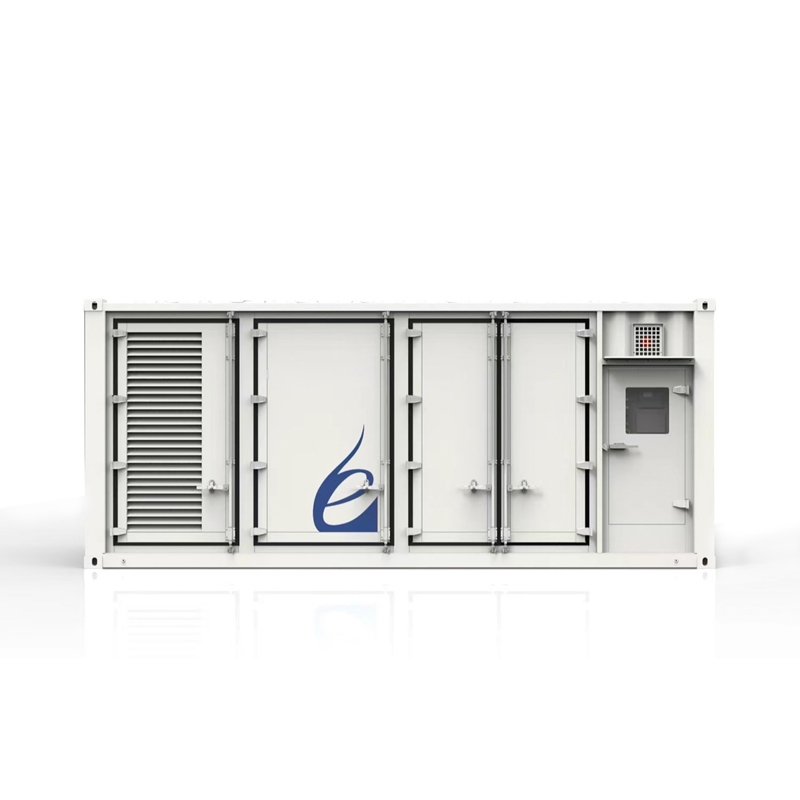
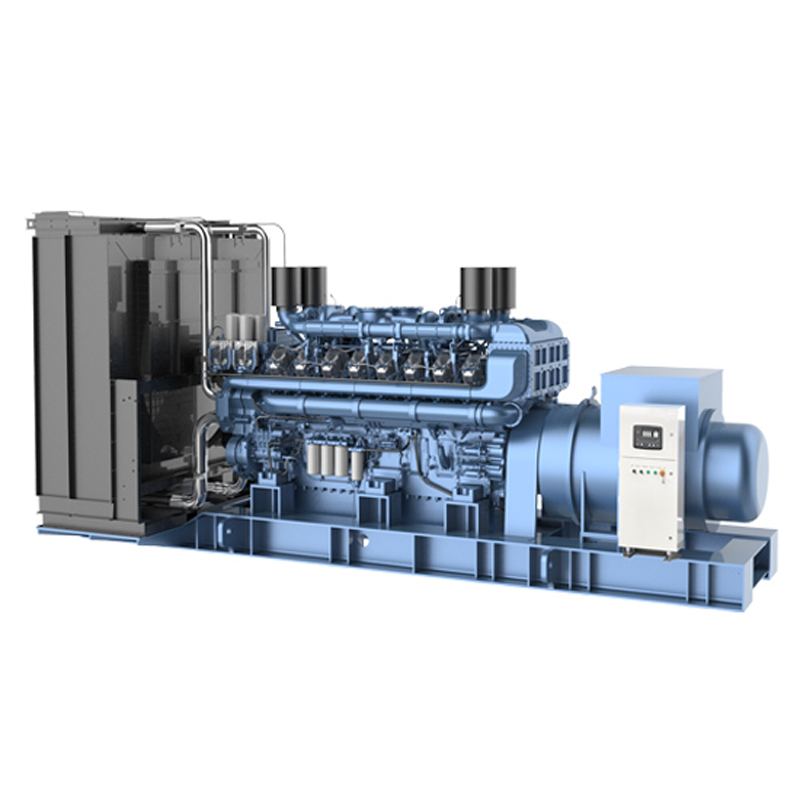

Best Sellingproducts
Best Selling Products-
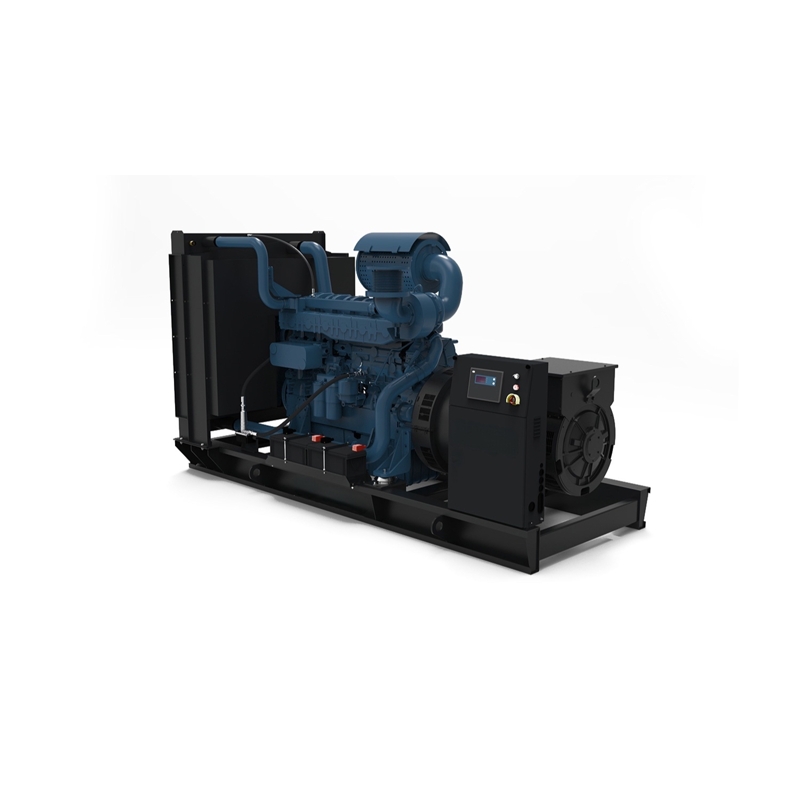 VYD-Yuchai Series Diesel Generator Set
 -
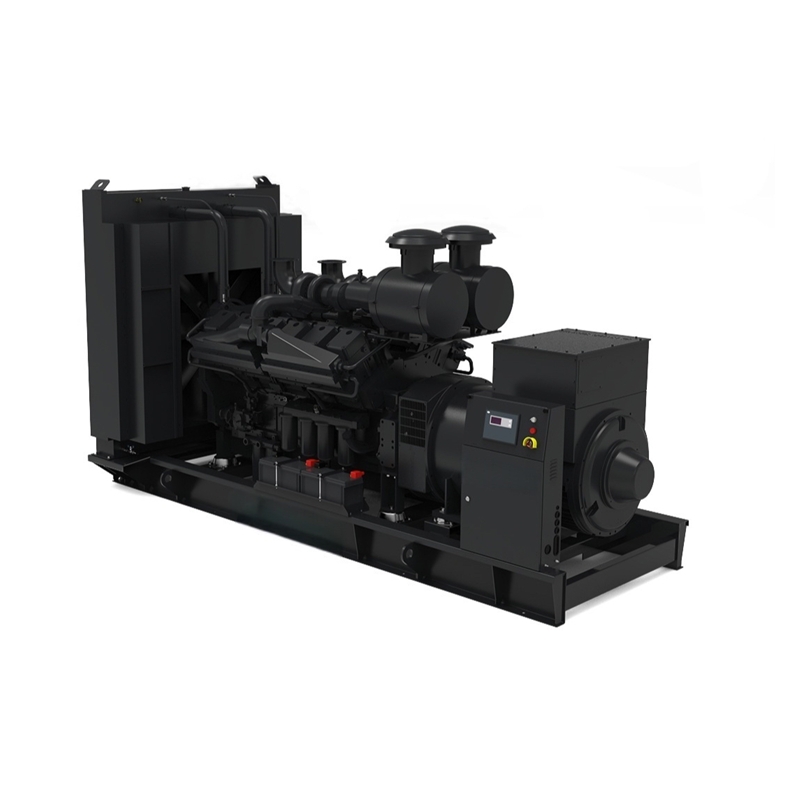 VCD-Cummins Series Diesel Generator Set
 -
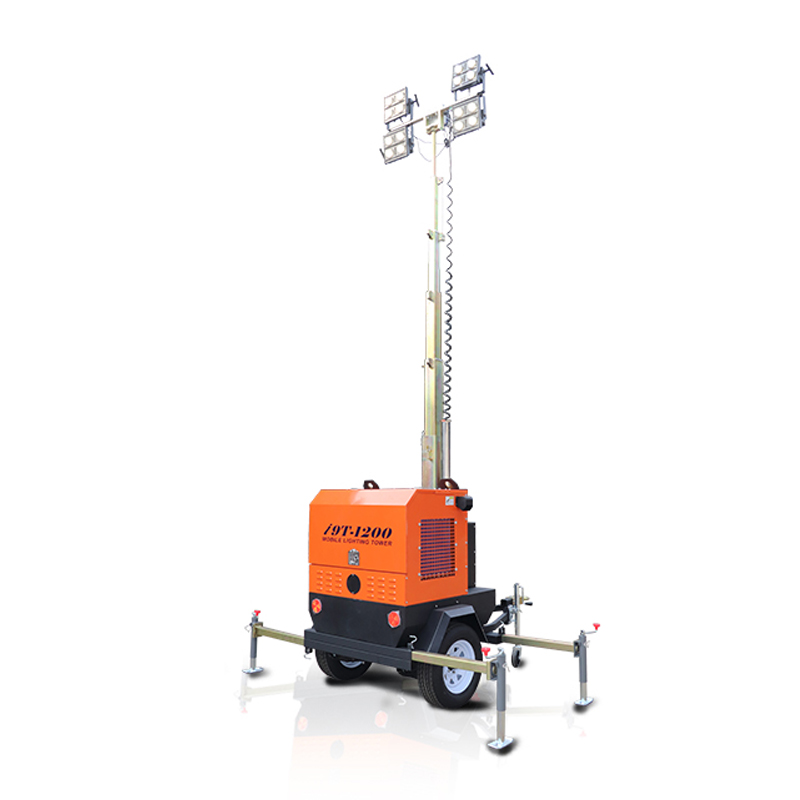 i9T Series
 -
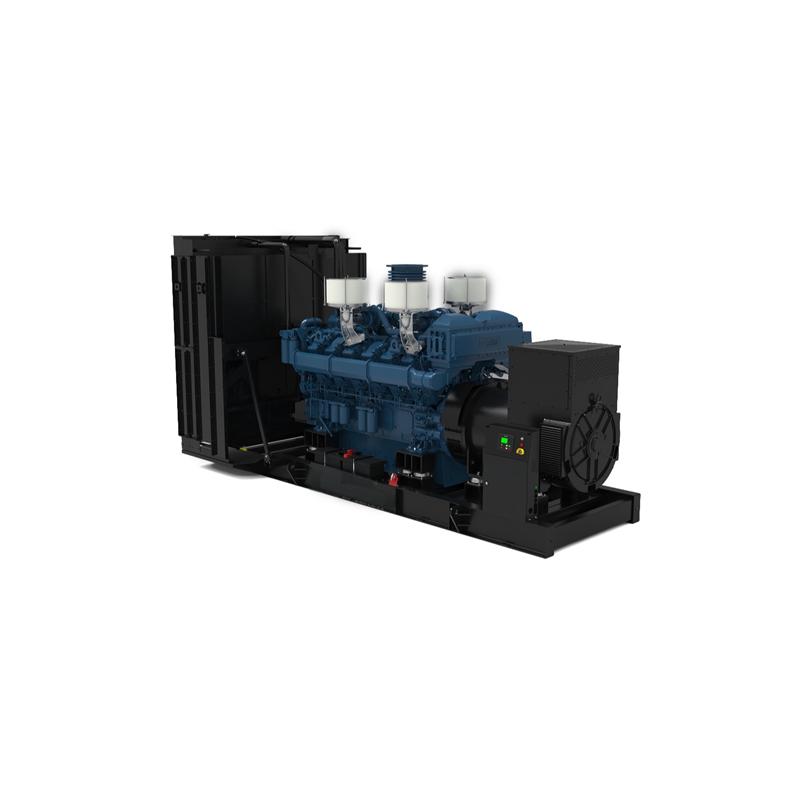 VHYD5-Yuchai Series High Voltage Generator
 -
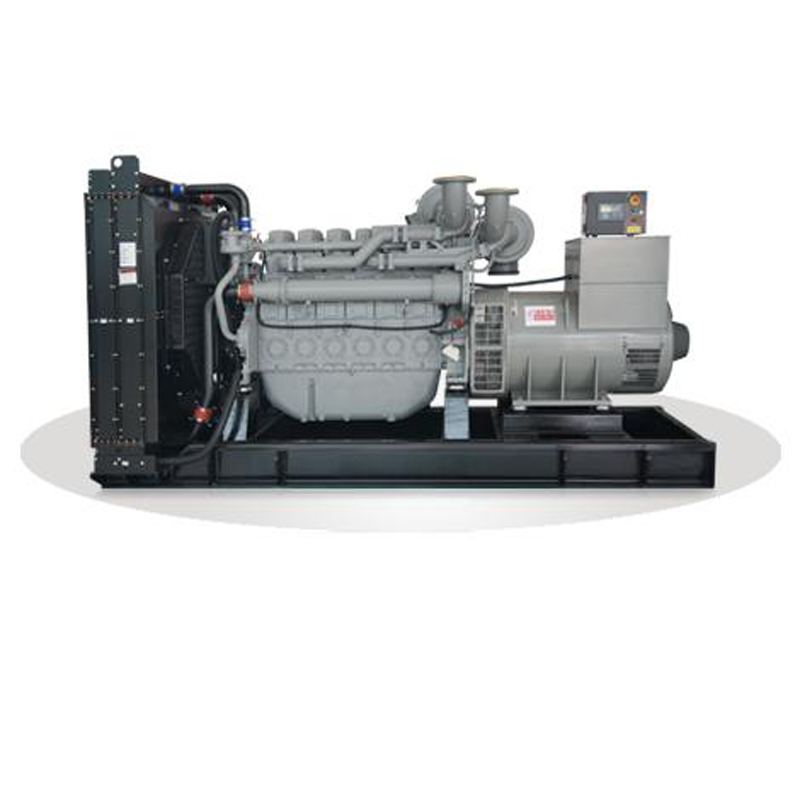 VPD-Perkins Series Diesel Generator Set
 -
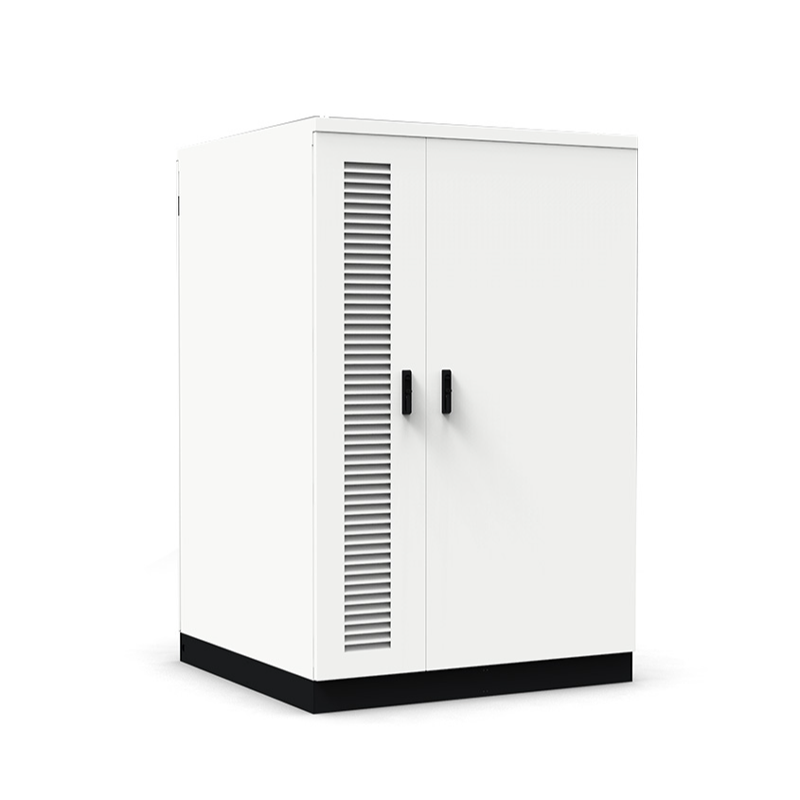 Liquid Cooled Energy Storage Cabinet
 -
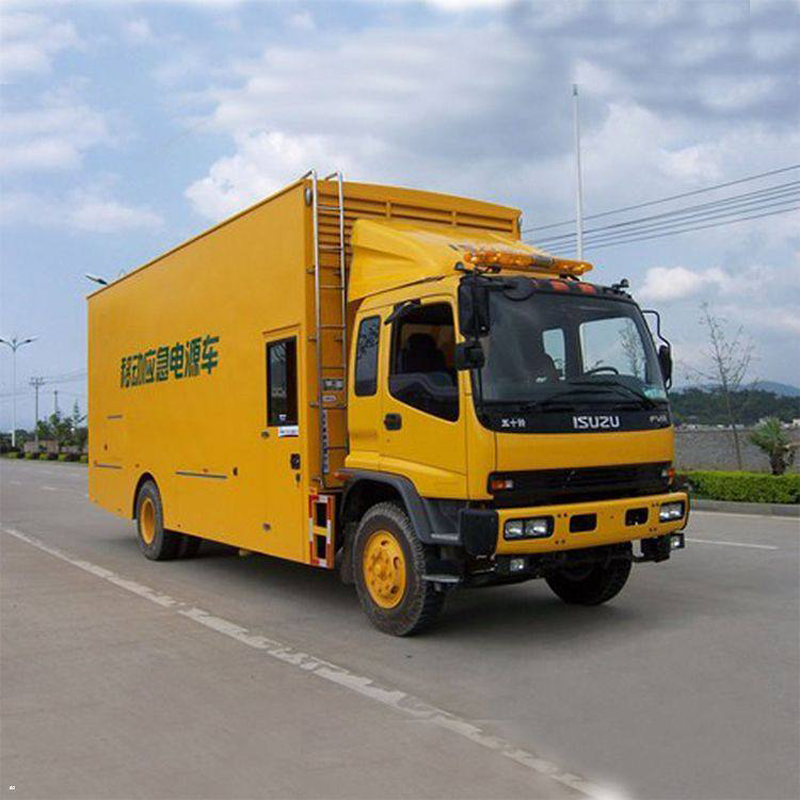 Emergency power supply vehicle
 -
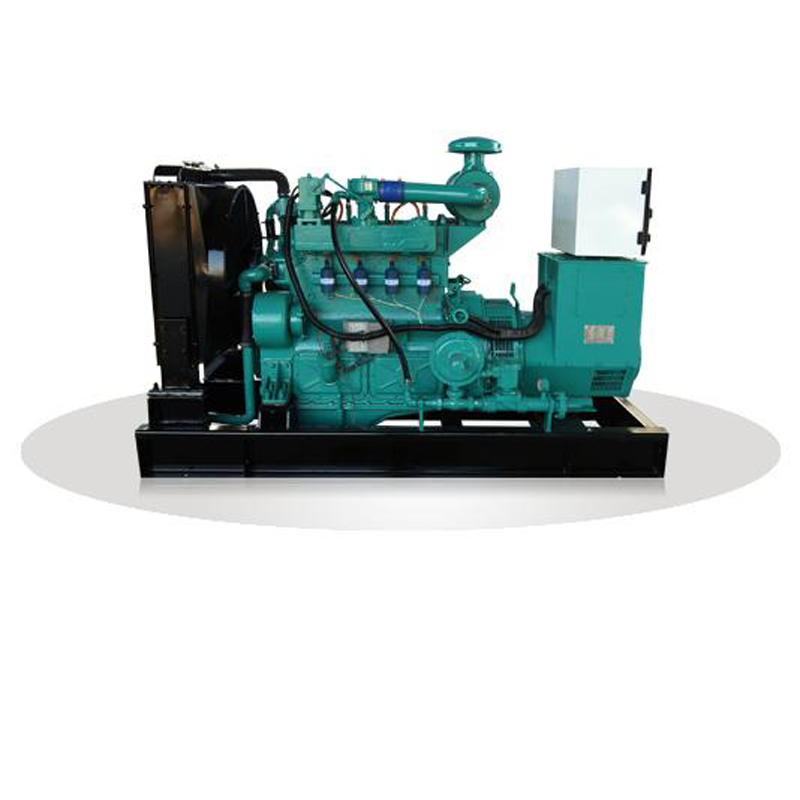 VYG Yuchai Series Natural Gas Generators
 -
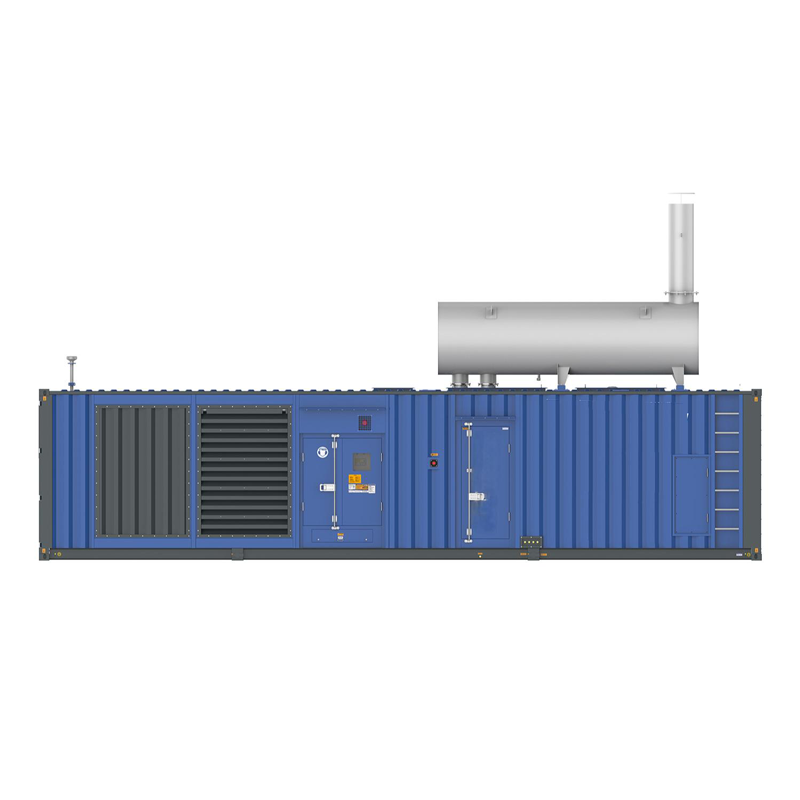 Yuchai VCYD5-S Series Container Generator Set
 -
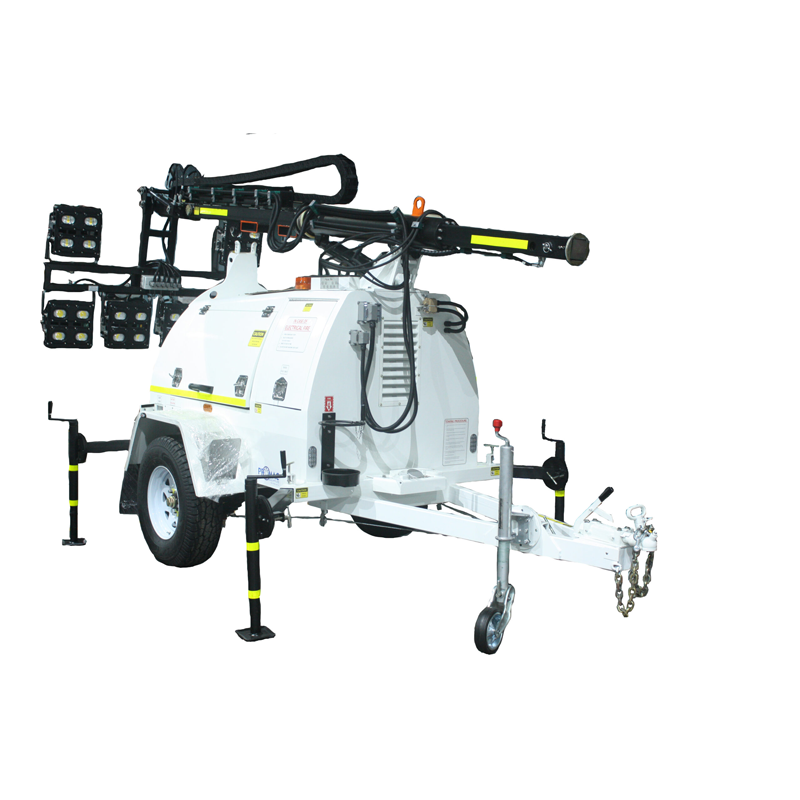 75 series for oil fields
 -
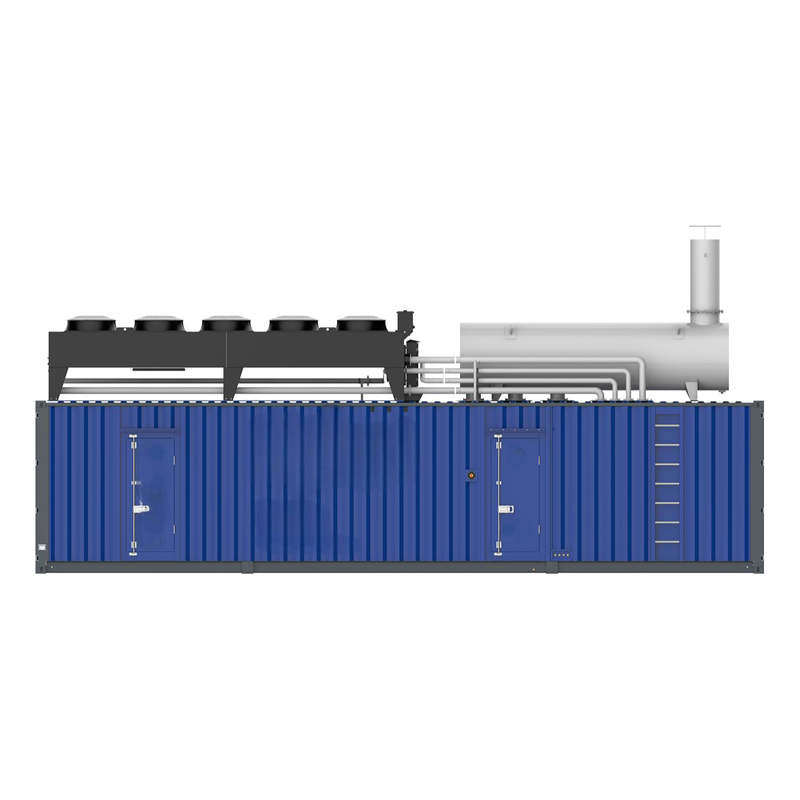 VCMD5-MTU Series Container Generator Set
 -
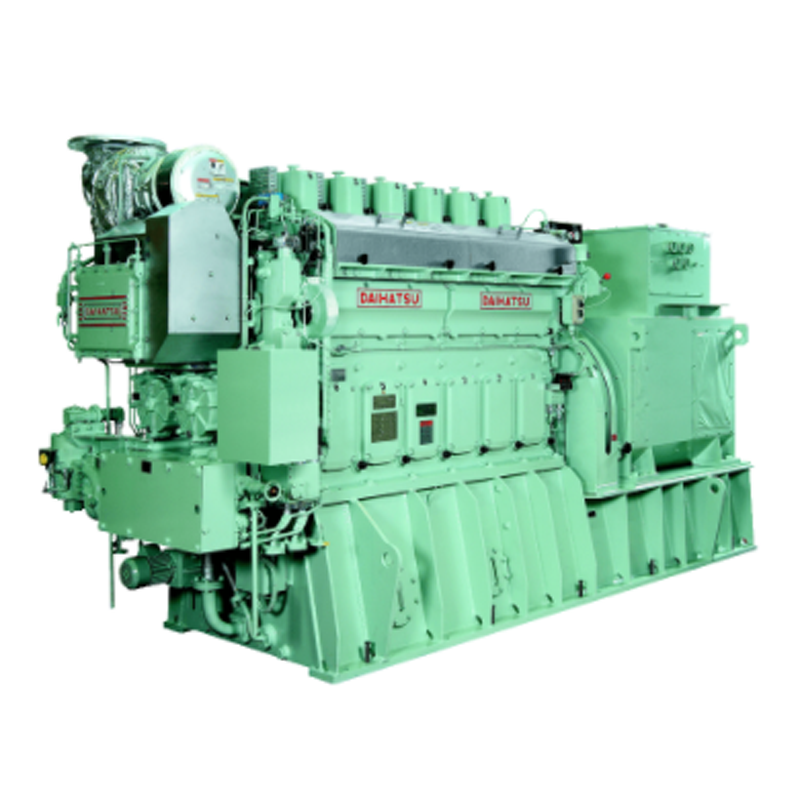 VMH-MAN Series Heavy Oil Generator Set
Relatedsearch
Related Search- Wholesale trade of electric generator sets
- OEM Diesel Power Generation 1000
- Famous Azimuth diesel generator set
- Excellent DGU Diesel Generator Equipment
- Top 10 diesel power plants
- Cheap 900KW Bass Generator Set
- Buy Mobile lighting system
- OEM Generator Set Installation
- Cheap mobile lighting poles
- Electric generator using fuel oil