


gas diesel power plant
Gas diesel power plant(GDES) is a combined power plant using two types of fuel: natural gas and diesel fuel. This provides increased reliability and flexibility in the provision of electricity, especially in conditions of unstable access to one of the fuel types or when it is necessary to optimize costs. GDPPs can operate both in autonomous mode and in parallel with a centralized network, which makes them a universal solution for various objects - from industrial enterprises to residential complexes.
What is a gas-diesel power plant and how does it work?
Gas diesel power plant(GDES) is an electricity generating unit that can run on both natural gas and diesel fuel. Typically, a GDS is based on an internal combustion engine, specially designed or adapted to operate on two types of fuel. Depending on the model and manufacturer, switching between gas and diesel can occur automatically or manually. Automatic switching is usually implemented based on monitoring the availability and cost of fuel.
The operating process of the GDPP in general is as follows:
- Fuel supply:Gas or diesel fuel is supplied to the engine.
- Combustion:The fuel mixes with air and ignites in the engine cylinders, releasing thermal energy.
- Energy conversion:Thermal energy is converted into mechanical energy of rotation of the motor shaft.
- Electricity generation:The motor shaft is connected to a generator, which converts mechanical energy into electrical energy.
- Electricity distribution:The generated electricity is sent to consumers through the distribution system.
Advantages of using gas-diesel power plants
Gas-diesel power plantshave a number of advantages compared to power plants operating only on one type of fuel:
- Increased reliability:The ability to operate on two types of fuel guarantees power supply even if there are interruptions in one of them.
- Economic benefit:You can choose the most cost-effective fuel type depending on current prices and availability.
- Environmental friendliness:When operating on gas, emissions of harmful substances are significantly lower than when operating on diesel fuel.
- Application flexibility:GDPPs can be used for various purposes, from backup power supply to continuous power generation.
- Autonomy:Provide independence from centralized networks, which is especially important for remote sites.
Application areas of gas-diesel power plants
Thanks to its versatility and reliability,gas diesel power plantshave found wide application in various industries:
- Industry:Ensuring uninterrupted power supply to manufacturing enterprises, especially in industries with high reliability requirements (for example, chemical industry, metallurgy).
- Oil and gas industry:Power supply to drilling rigs, refineries and other oil and gas infrastructure, often located in remote areas.
- Agriculture:Energy supply for farms, greenhouses, livestock complexes, including for irrigation and heating systems.
- Residential complexes and cottage villages:Autonomous power supply, ensuring independence from centralized networks and reducing energy costs.
- Social facilities:Energy supply to hospitals, schools, kindergartens and other social infrastructure facilities where uninterrupted operation is important.
- Telecommunications:Power supply for cellular base stations and other telecommunications infrastructure facilities, ensuring continuity of communications.
Criteria for choosing a gas-diesel power plant
When choosinggas diesel power plantThe following factors must be taken into account:
- Power:Determined based on the total power consumption of the facility and taking into account peak loads.
- Engine type:There are different types of engines, differing in efficiency, reliability and environmental friendliness.
- Fuel consumption:An important indicator affecting the economic efficiency of the power plant.
- Control system:Must provide automatic switching between fuel types, monitoring of operating parameters and protection from emergency situations.
- Noise level:Important considerations when installing power plants near residential areas.
- Warranty and service:Availability of a qualified service center and availability of spare parts.
- Environmental Compliance:Make sure the power plant meets emissions regulations.
Major manufacturers of gas-diesel power plants
Present on the marketgas diesel power plantsfrom various manufacturers. When choosing, it is recommended to pay attention to the manufacturer’s reputation, experience in the market and availability of service support. Here are some of the famous manufacturers:
- Cummins:American manufacturer of engines and power plants, known for their reliability and durability.
- Caterpillar:Another American manufacturer offering a wide range of energy solutions, including hydroelectric power stations.
- MTU Friedrichshafen (Rolls-Royce Power Systems):German manufacturer specializing in diesel and gas engines for various applications, including power plants.
- W?rtsil?:Finnish company offering comprehensive solutions for the energy industry, including the development and production of hydroelectric power stations.
- Yuke (Shandong) Electrical Technology Co.,Ltd (VOYOKO):Offers a wide range of generator sets includinggas diesel power plants, combining accessibility and quality. You can view the range and get advice on the websitevoyoko.ru.
An example of calculating the economic efficiency of using a gas-diesel power plant
To assess the economic feasibility of usinggas diesel power plantit is necessary to calculate the costs of fuel, maintenance and depreciation of equipment. Let's look at an example:
The enterprise consumes 100 kW of electricity per hour. The average price of 1 kWh of electricity from a centralized network is 5 rubles. The company is considering the possibility of installing a hydroelectric power station.
GDS parameters:
- Power: 150 kW
- Gas consumption: 0.3 m3/kWh
- Diesel fuel consumption: 0.25 l/kWh
- Gas price: 7 rubles/m3
- Diesel fuel price: 50 rubles/l
Let's calculate the cost of 1 kWh of electricity produced by gas-fired power plants:
Gas cost per 1 kWh = 0.3 m3 * 7 rubles/m3 = 2.1 rubles
Let's calculate the cost of 1 kWh of electricity produced by a diesel power plant:
Cost of diesel fuel per 1 kWh = 0.25 l * 50 rubles/l = 12.5 rubles
As can be seen from the calculation, the cost of electricity produced by gas-fired power plants is significantly lower than the cost of electricity from a centralized network. When using diesel fuel the cost is higher. Therefore, if you have access to gas, the use of a hydroelectric power station can be a cost-effective solution.
| Electricity source | Cost of 1 kWh, rub. |
|---|---|
| Centralized network | 5 |
| GDES (gas) | 2.1 |
| GDES (diesel) | 12.5 |
It is important to note that this is a simplified calculation and additional factors such as maintenance costs, depreciation and fuel efficiency must be taken into account to obtain a more accurate estimate.
Installation and maintenance of gas-diesel power plants
Installation and maintenancegas diesel power plantrequire special knowledge and experience. It is recommended to contact qualified specialists who have licenses and certificates to perform such work. Installation and maintenance steps include:
- Design:Development of an installation project taking into account safety requirements and regulatory documents.
- Site preparation:Preparing the foundation for the installation of a power plant, ensuring ventilation and exhaust gas removal.
- Equipment installation:Installation of engine, generator, control system and other components.
- Network connection:Connecting the power plant to the facility's power supply system.
- Commissioning works:Setting up power plant operating parameters and checking its performance.
- Maintenance:Regular maintenance includes changing oil, filters, spark plugs and other work necessary to keep the power plant in good condition.
- Repair:In the event of a power plant breakdown, it is necessary to promptly carry out repair work to restore its functionality.
Correspondingproducts
Related Products
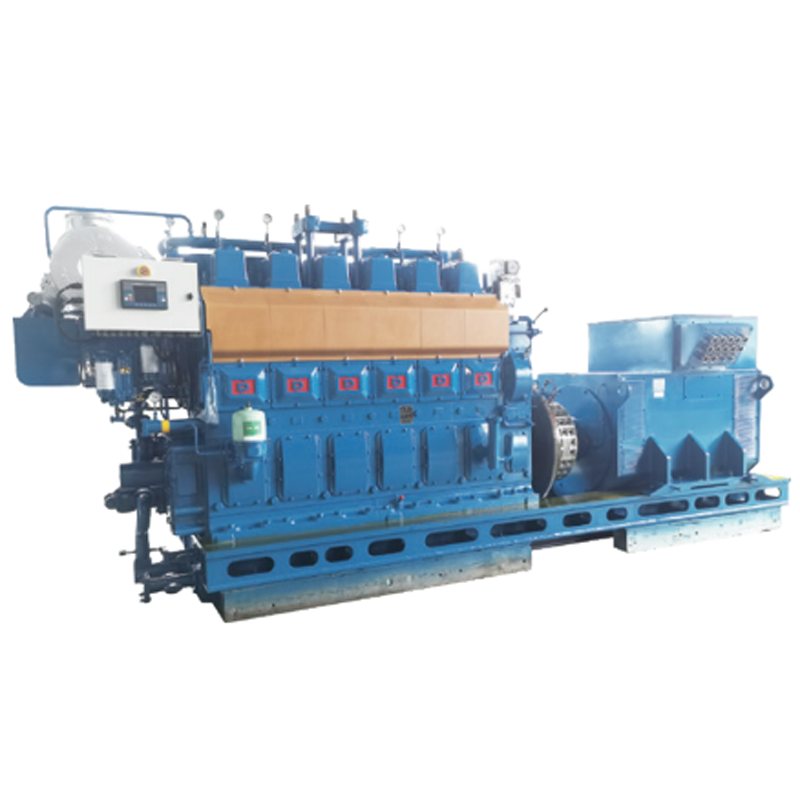
Best Sellingproducts
Best Selling Products-
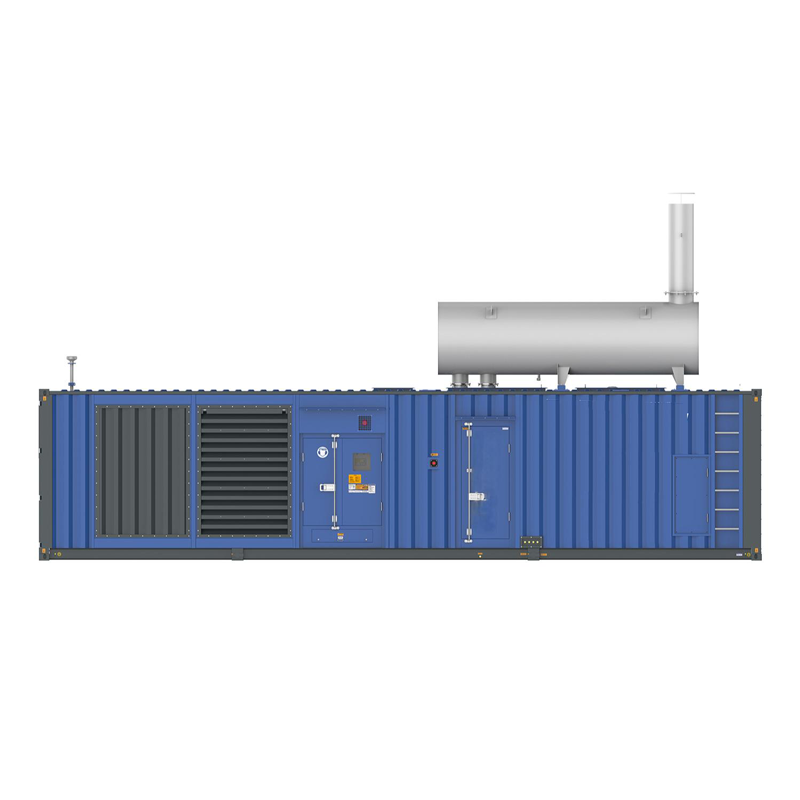 Yuchai VCYD5-S Series Container Generator Set
 -
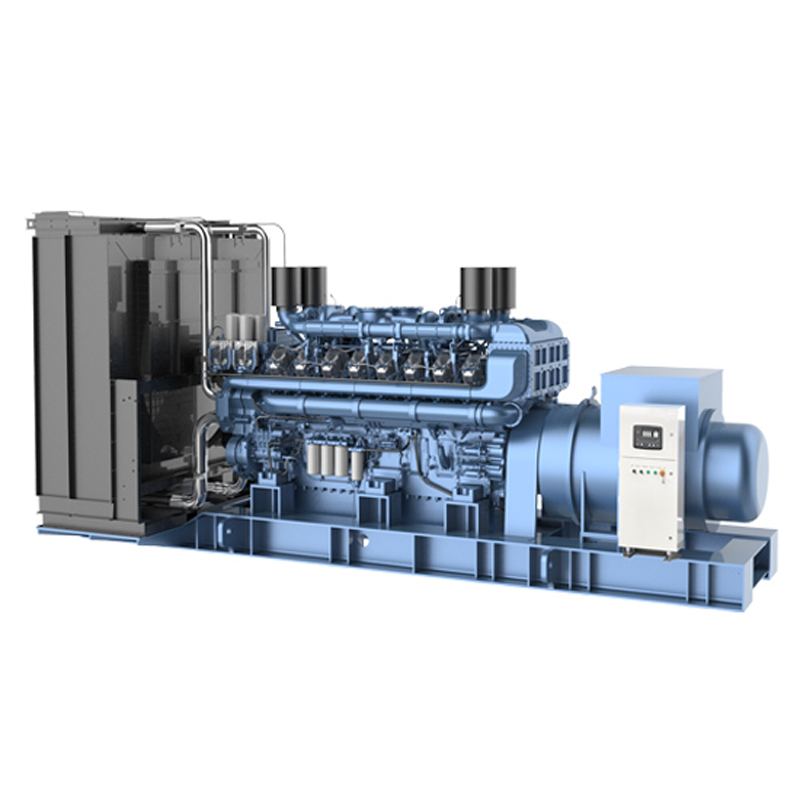 VWG-Weichai Series Natural Gas Generators
 -
 VHYD5-Yuchai Series High Voltage Generator
 -
 VMH-MAN Series Heavy Oil Generator Set
 -
 Air Cooled Energy Storage Cabinet
 -
 VSCD5-Cummins Series Quiet Generator Set
 -
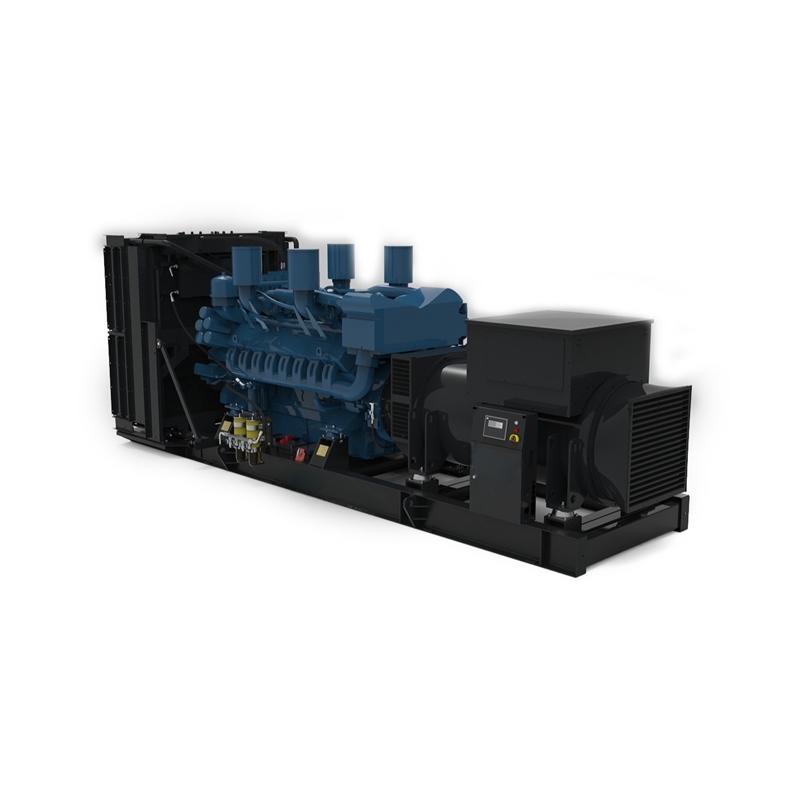 VHMD5-MTU Series High Voltage Generator
 -
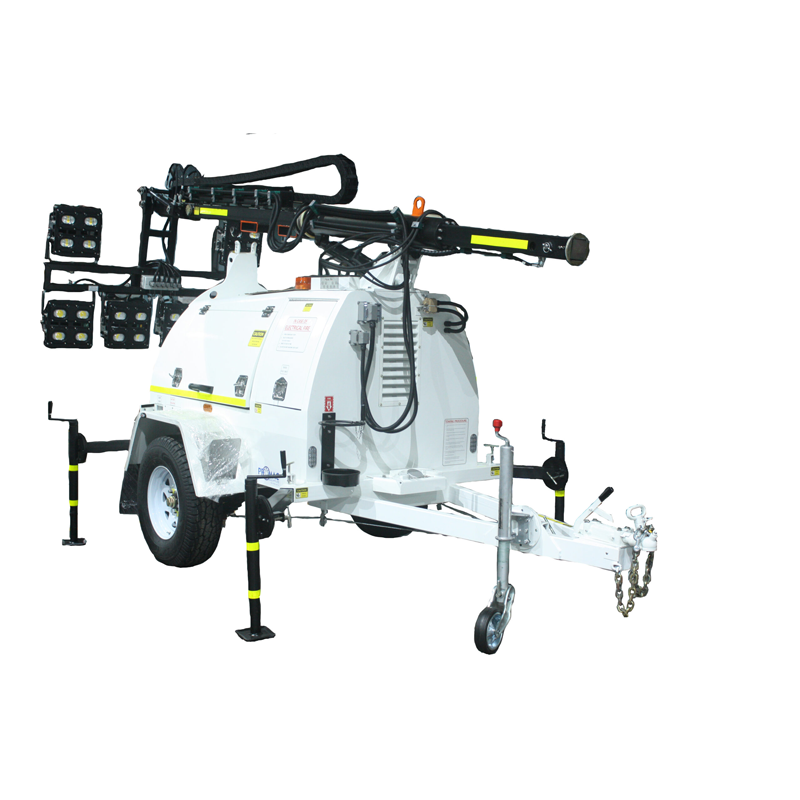 75 series for oil fields
 -
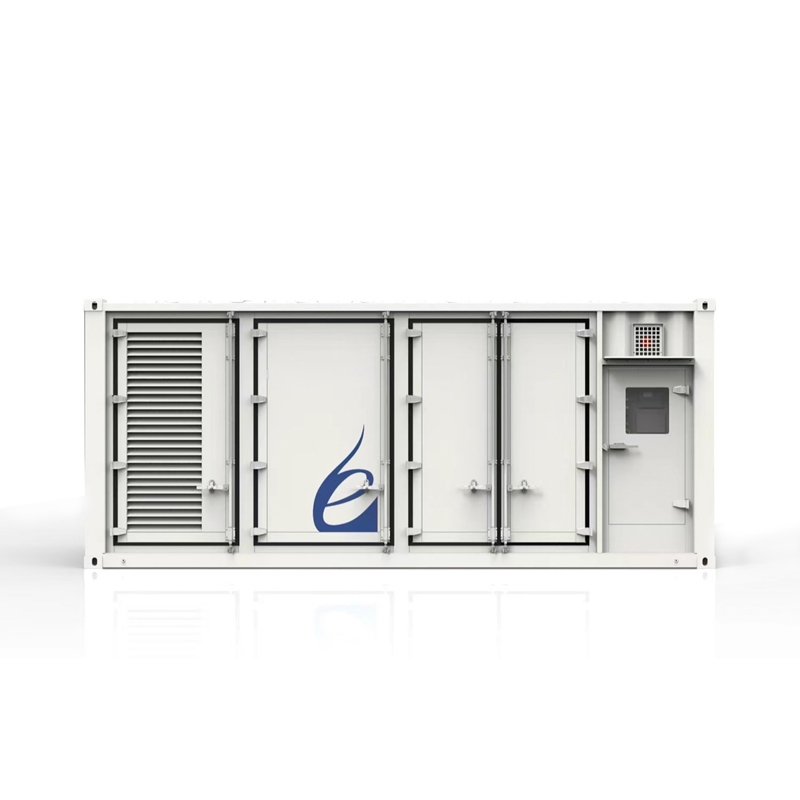 Energy storage container
 -
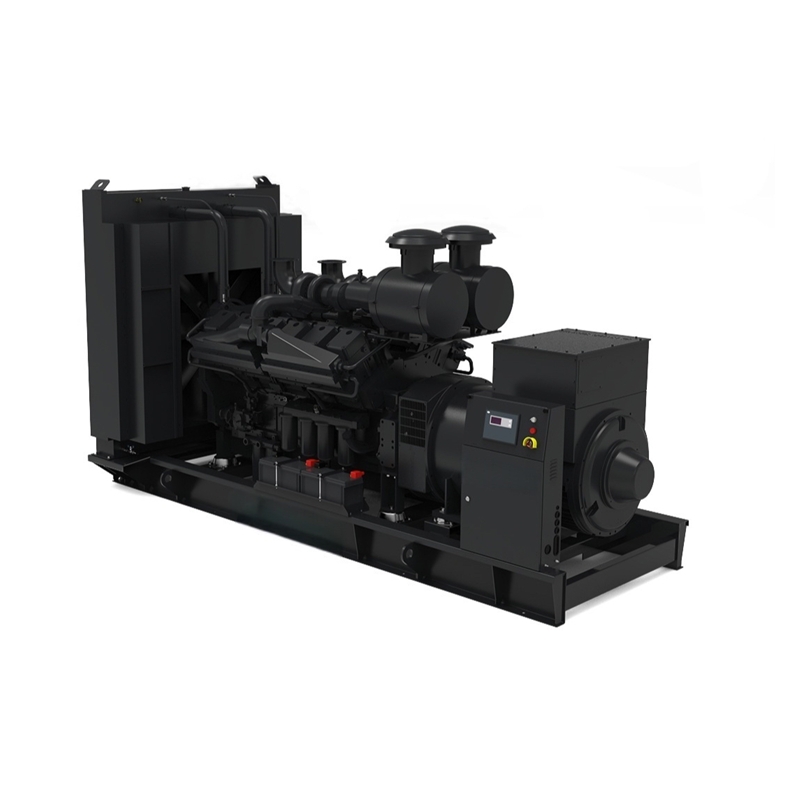 VCD-Cummins Series Diesel Generator Set
 -
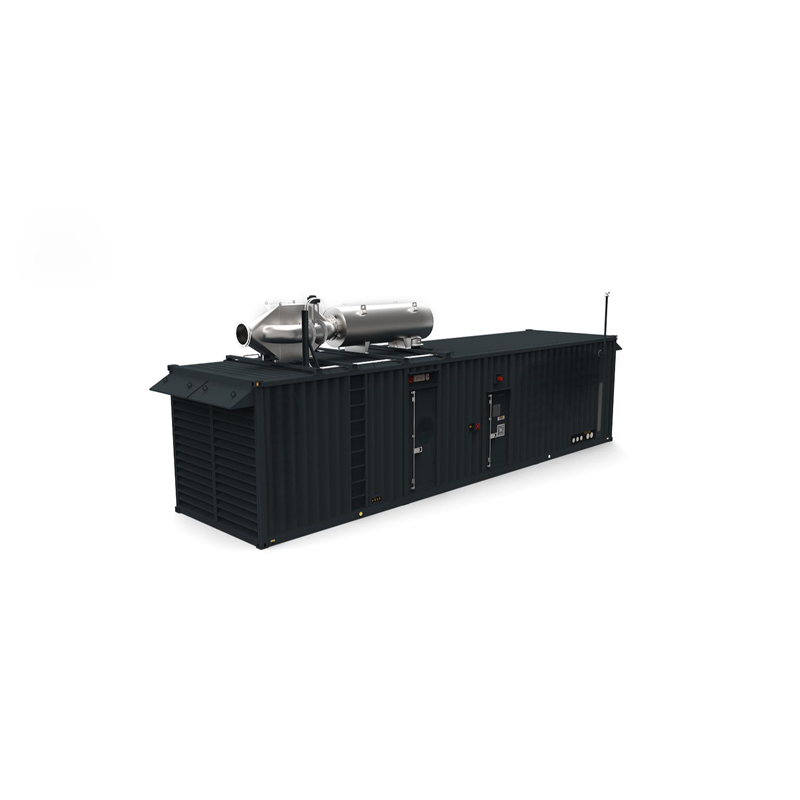 VCSD5-SME Series Container Generator Set
 -
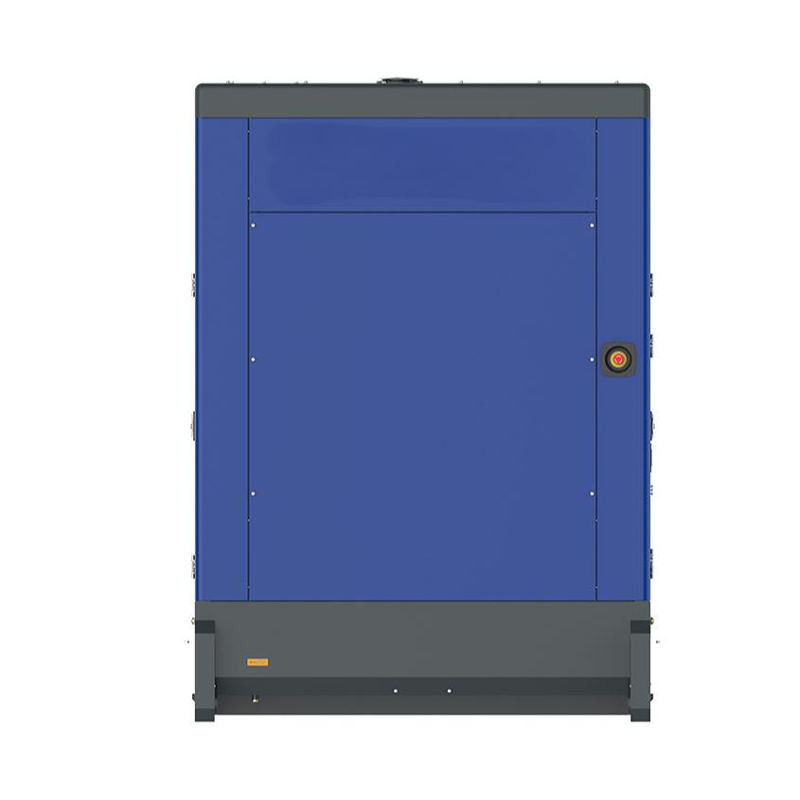 VSYD5-Yuchai Series Silent Generator Set
Relatedsearch
Related Search- Excellent power generation using diesel fuel 30
- Famous Diesel Power Generation TSS
- Wholesale Wilson Generator Sets
- Famous diesel power plant 400 kW
- mobile generator sets
- Leading manufacturer of diesel generator sets
- OEM Fuel Generator
- Cheap generator sets with internal combustion engine
- Excellent Wilson Diesel Generator Sets
- 500kw diesel generator set in china