

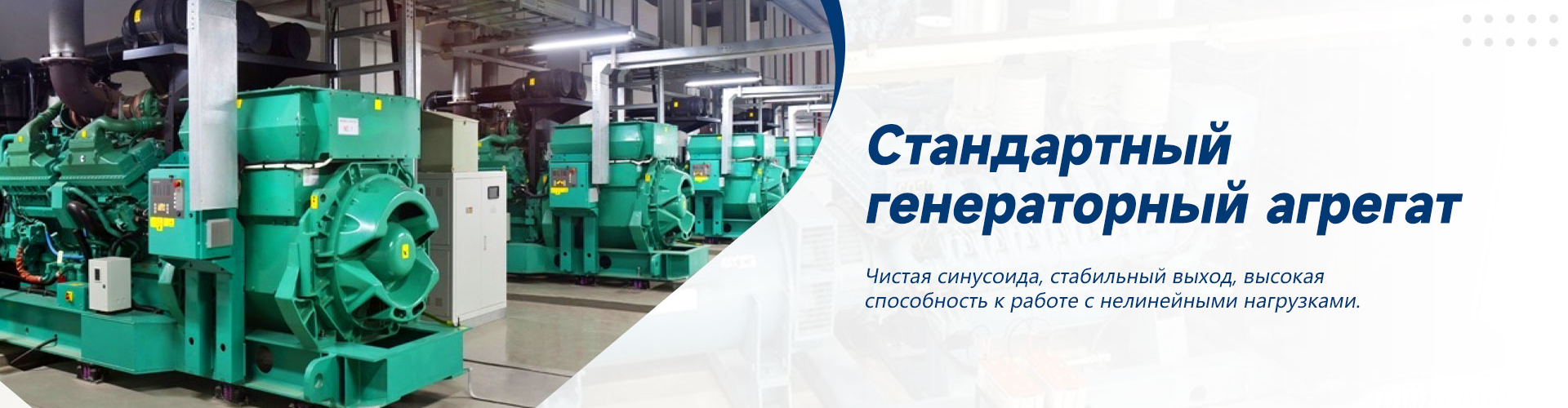
gas power plants
Gas fired power plantsare power plants that use natural gas as fuel to produce electricity. They are characterized by high efficiency, relatively low emissions compared to coal plants and flexibility in operation, making them an important element of the modern energy system.
Advantages and disadvantages of gas power plants
Gas fired power plantshave a number of advantages, but also have some disadvantages that should be taken into account when choosing this type of energy supply.
Benefits
- High efficiency:Modern gas turbine units (GTUs) can achieve an efficiency of 50-60% in a combined cycle (combined cycle unit - CCGT).
- Relatively low emissions:Compared to coal power plants,gas power plantsproduce fewer emissions of carbon dioxide (CO2), sulfur oxides (SOx) and particulate matter.
- Flexibility in operation: Gas fired power plantscan start and stop quickly, allowing them to effectively respond to changes in electricity demand.
- Relatively low construction costs:Constructiongas power plantusually cheaper than building a coal or nuclear power plant.
- Fuel availability:Natural gas is a relatively affordable and widespread fuel.
Disadvantages
- Dependence on gas prices:Cost of electricity producedgas power plant, directly depends on natural gas prices.
- Greenhouse gas emissions:Although CO2 emissions are lower than coal-fired power plants, they are still significant and contribute to climate change.
- Need for gas infrastructure:For workgas power planta developed gas infrastructure is required, including gas pipelines and gas distribution stations.
Types of gas power plants
There are several main typesgas-fired power plants, differing in the technologies used and operating principles.
Gas turbine power plants (GTPP)
GTPPs use a gas turbine to convert gas combustion energy into mechanical energy, which in turn drives an electric generator. This is the most common typegas-fired power plants. They are compact and quick to start.
Combined-cycle plants (CCGTs)
CCGT units combine gas turbine and steam turbines. The heat from the gas turbine exhaust is used to produce steam, which powers the steam turbine. This can significantly improve the overall efficiency of the power plant. For example, the company Yuke LLC (Shandong) Electrical Technology (voyoko.ru) offers modern solutions for power plants, including components for CCGT units, ensuring the reliability and durability of the equipment.
Gas piston power plants (GPPP)
GPPPs use a gas internal combustion engine to drive an electric generator. They are highly efficient in small capacities and can be used for cogeneration (simultaneous production of electricity and heat). Typically used for local power supply.
Application of gas power plants
Gas fired power plantsare widely used in various fields.
- Centralized energy supply:Largegas power plantsare used to provide electricity to cities and regions.
- Industrial power supply: Gas fired power plantscan be used to supply energy to industrial enterprises.
- Backup power supply: Gas fired power plantscan be used as a backup power source for critical facilities such as hospitals and data centers.
- Cogeneration: Gas fired power plantscan be used for cogeneration, providing simultaneous production of electricity and heat for heating and hot water supply.
Factors influencing the choice of gas power plant
When choosinggas power plantThere are a number of factors to consider, such as:
- Required power:The choice of power plant type depends on the required power.
- Efficiency:A power plant with high efficiency should be selected to reduce fuel costs.
- Environmental requirements:It is necessary to take into account environmental requirements and select a power plant with low emissions.
- Cost:The cost of building and operating a power plant must be taken into account.
- Fuel availability:The availability of natural gas must be taken into account.
Comparison of different types of gas power plants
The table below provides a comparison of the different typesgas-fired power plantsaccording to the main parameters.
| Power plant type | Efficiency | Power | Application |
|---|---|---|---|
| Gas turbine power plants (GTPP) | 30-40% | 5-500 MW | Centralized and industrial energy supply |
| Combined-cycle plants (CCGTs) | 50-60% | 50-1500 MW | Centralized energy supply |
| Gas piston power plants (GPPP) | 35-45% (electric) to 90% (with cogeneration) | 0.1-20 MW | Local energy supply, cogeneration |
Development trends of gas power plants
The following development trends are currently observedgas-fired power plants:
- Increased efficiency:New technologies are being developed to improve efficiencygas-fired power plants, such as advanced gas turbines and heat recovery systems.
- Emissions reduction:Technologies are being developed to reduce emissions of greenhouse gases and other pollutants, such as carbon capture and storage systems.
- Integration with renewable energy sources: Gas fired power plantsare increasingly used as a backup power source for renewable energy sources such as solar and wind power.
- Development of local energy:Gas piston power plants are becoming increasingly popular for local power supply.
Conclusion
Gas fired power plantsplay an important role in the modern energy system. They provide a reliable and efficient energy supply and also have relatively low emissions compared to coal-fired plants. Technology developments and integration with renewable energy sources makegas power plantsa promising direction for energy development.
Correspondingproducts
Related Products
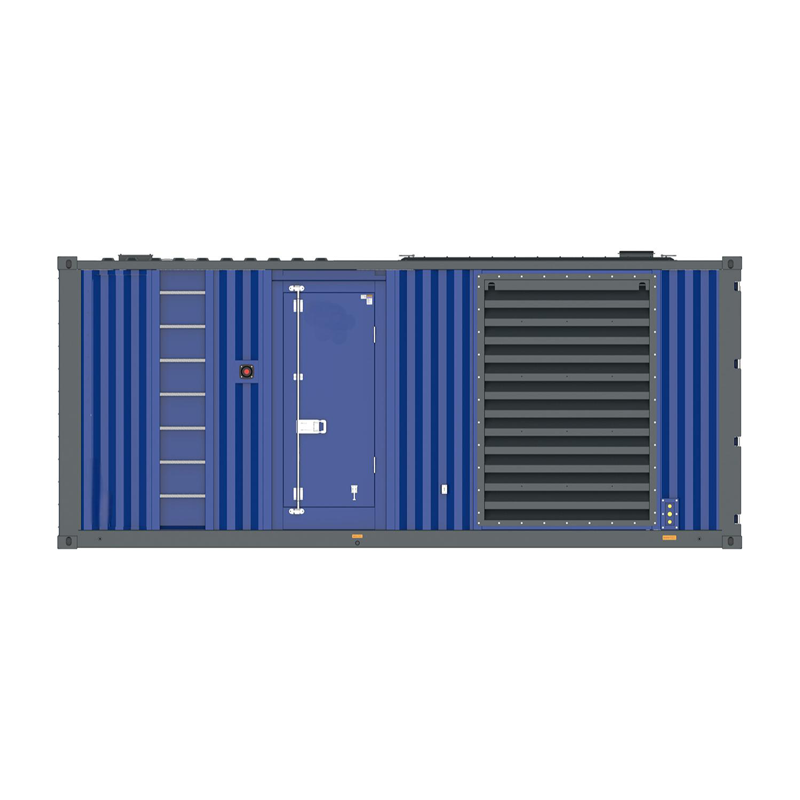
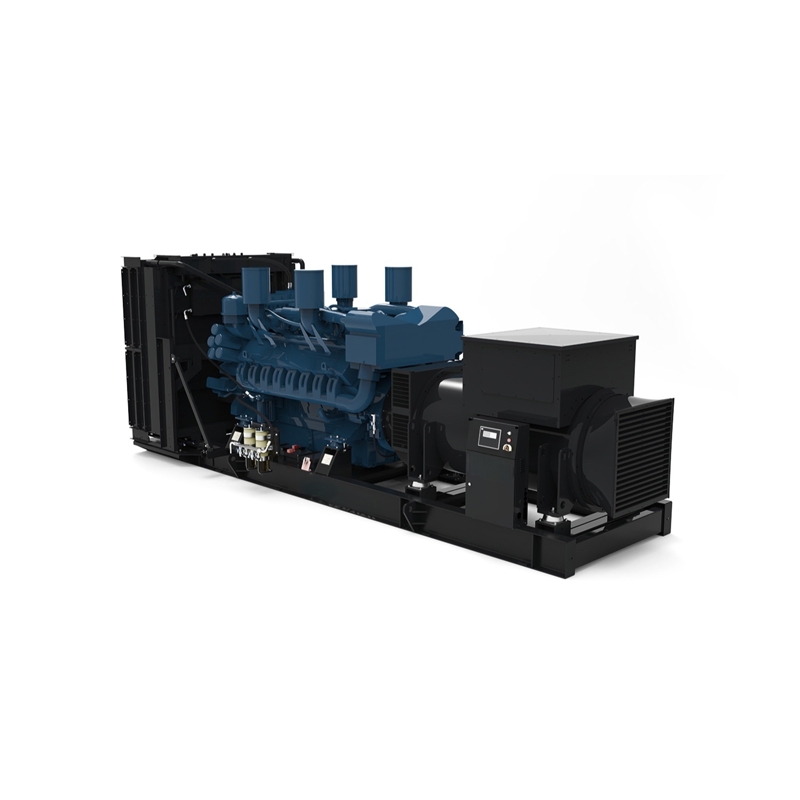
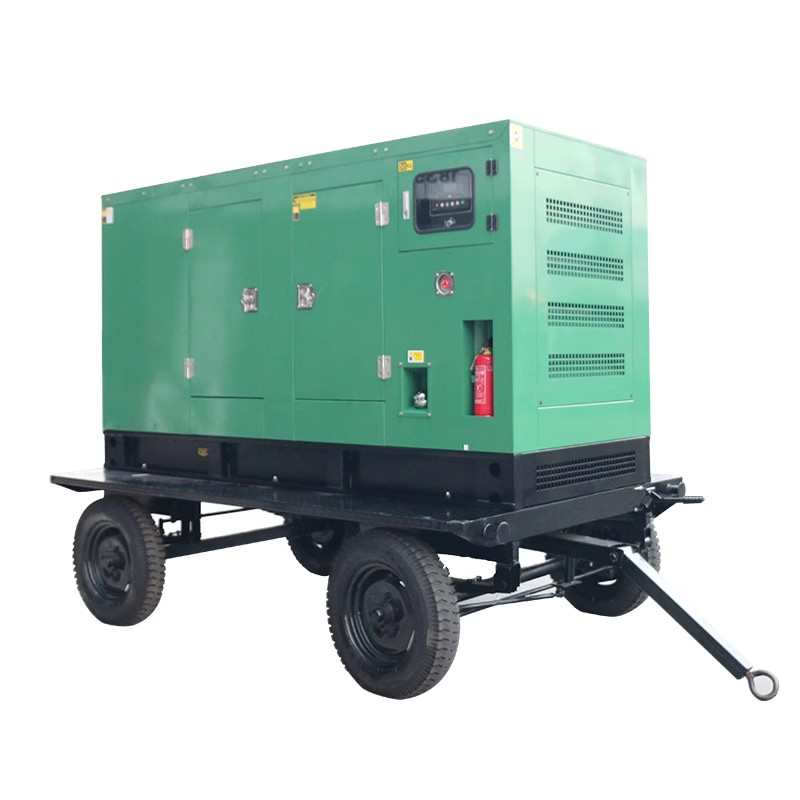
Best Sellingproducts
Best Selling Products-
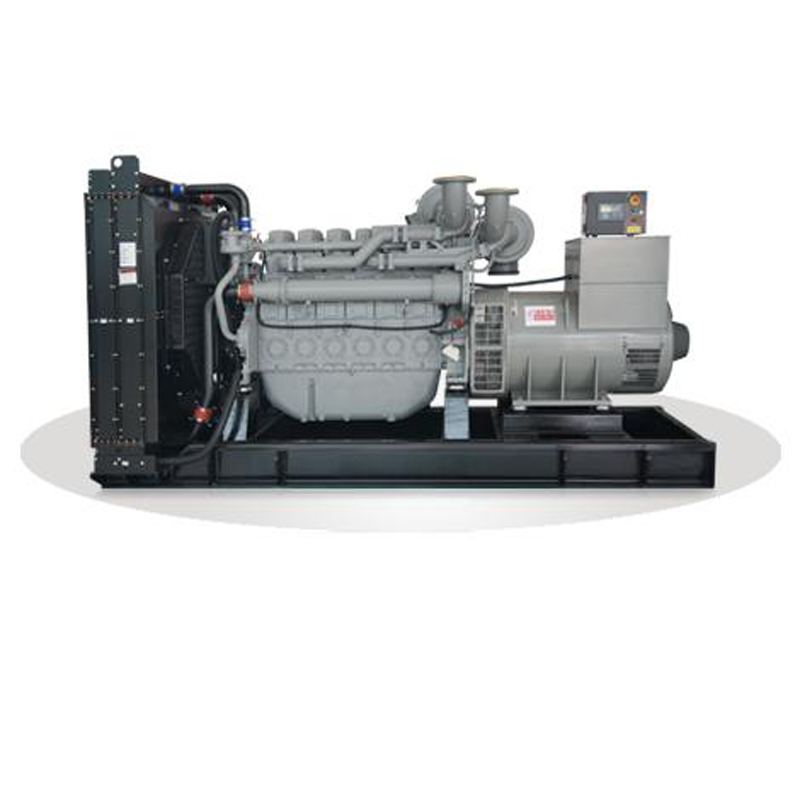 VPD-Perkins Series Diesel Generator Set
 -
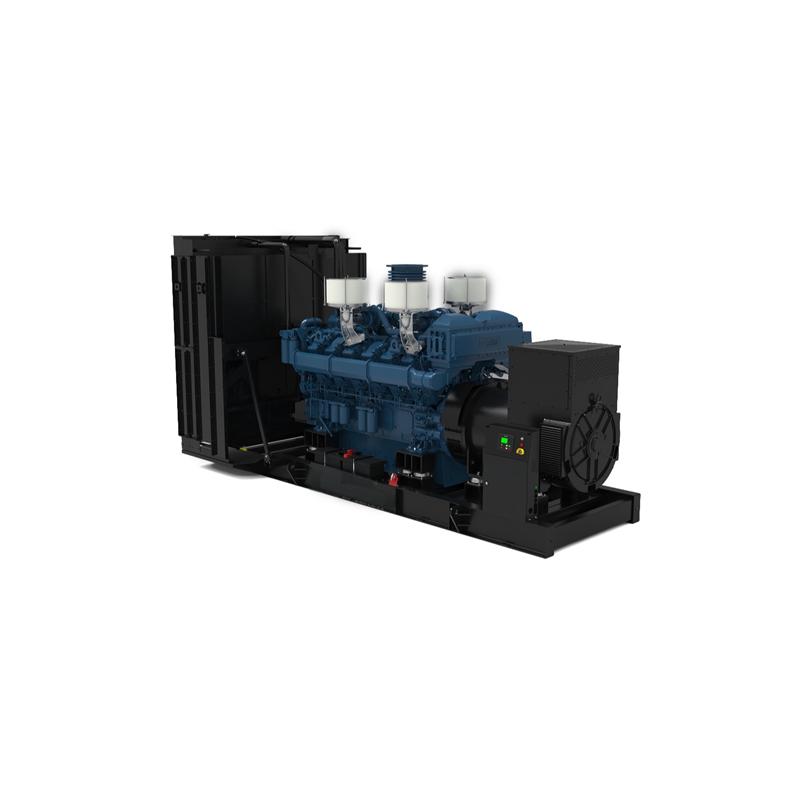 VHYD5-Yuchai Series High Voltage Generator
 -
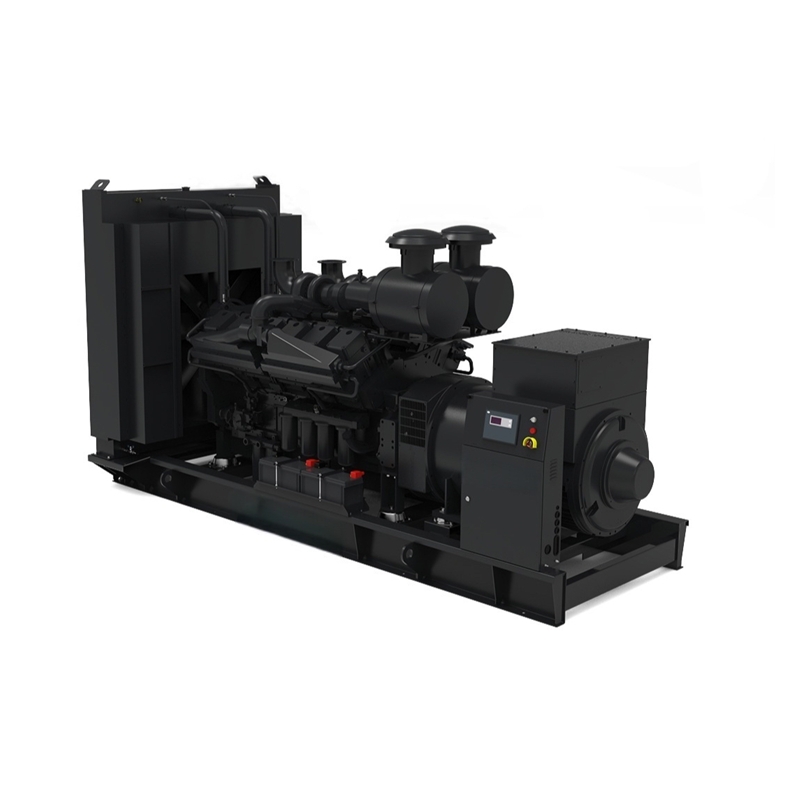 VCD-Cummins Series Diesel Generator Set
 -
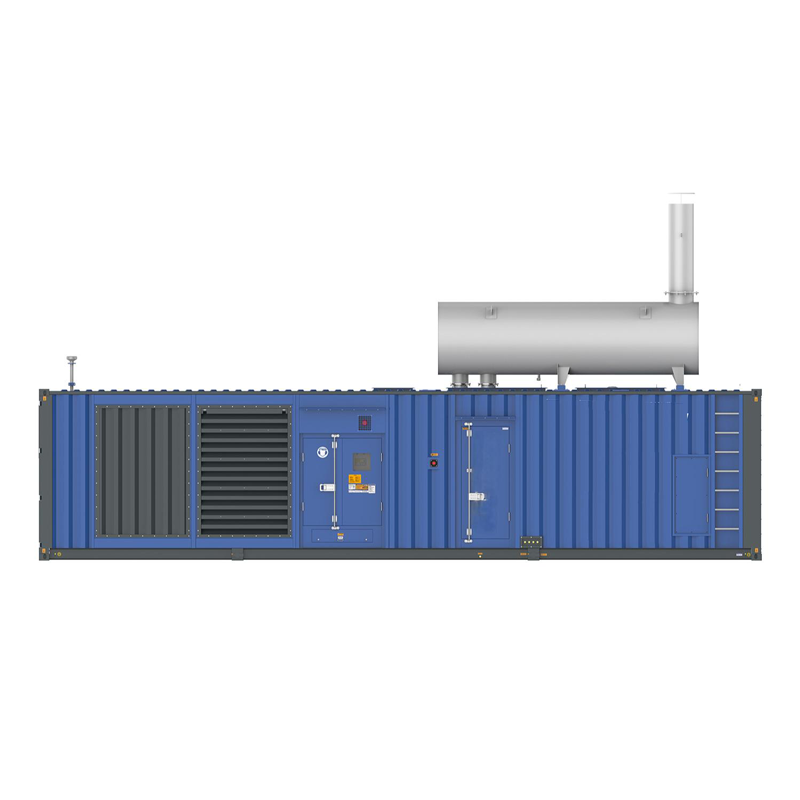 Yuchai VCYD5-S Series Container Generator Set
 -
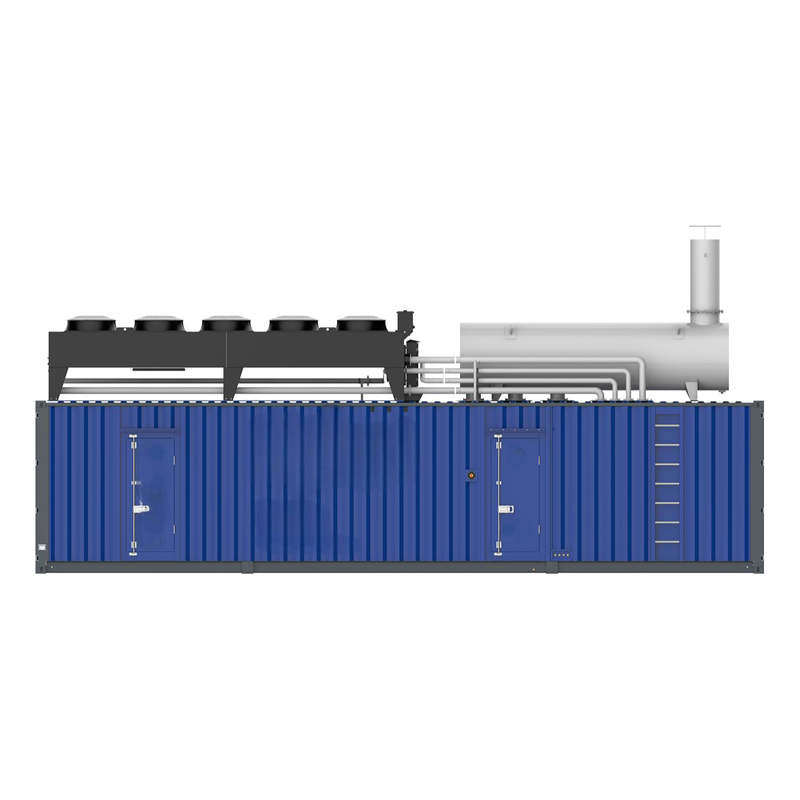 VCMD5-MTU Series Container Generator Set
 -
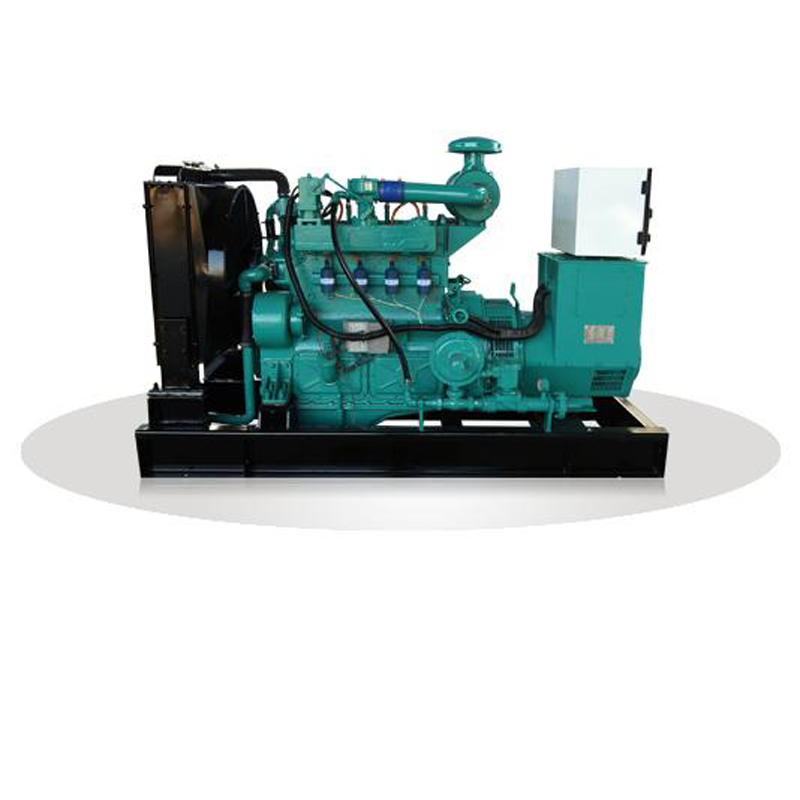 VYG Yuchai Series Natural Gas Generators
 -
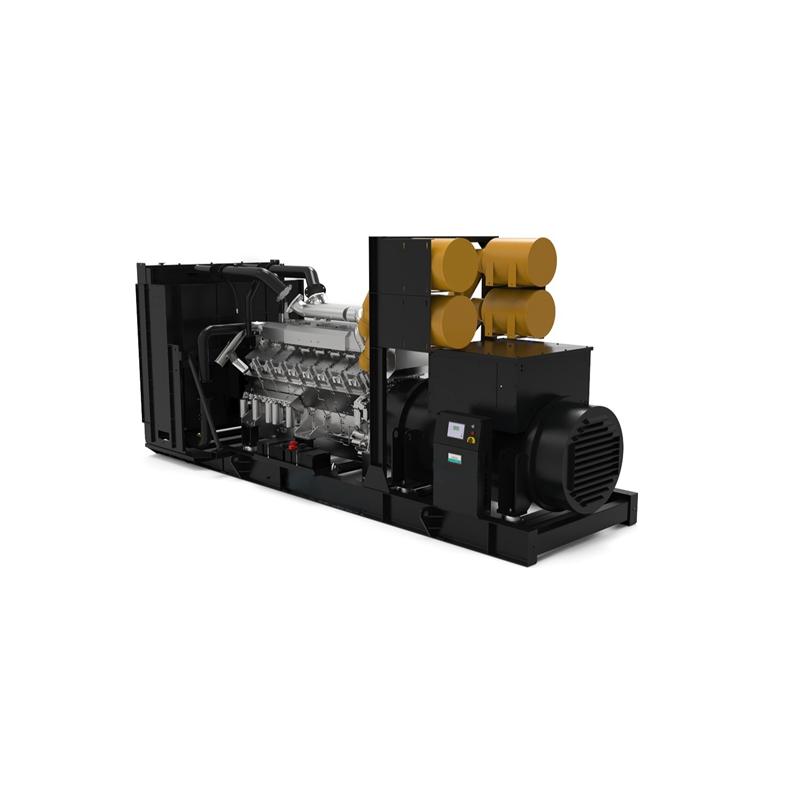 VHSD5-SEM Series High Voltage Generator
 -
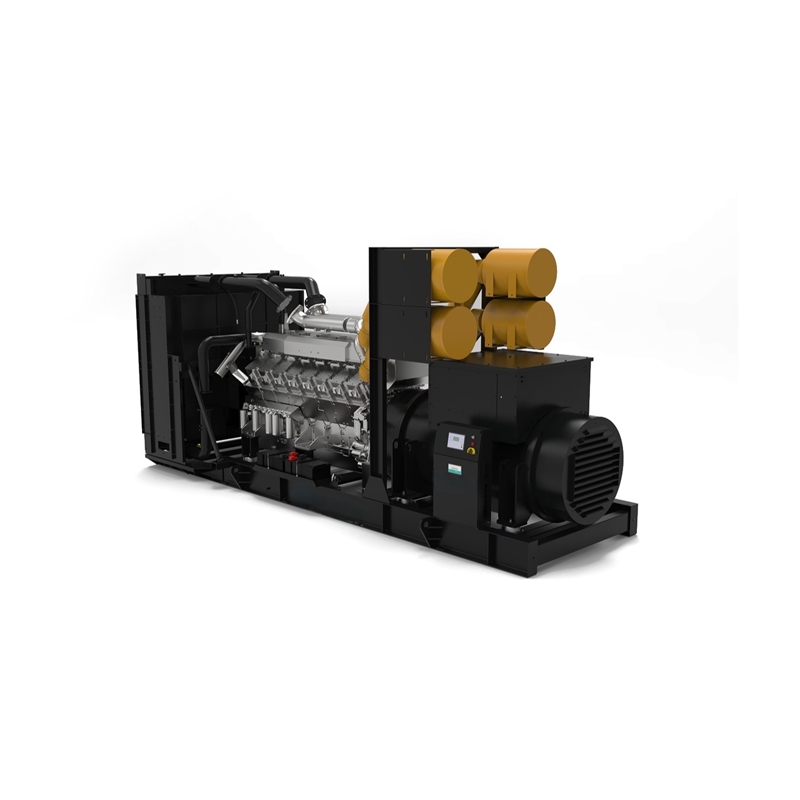 Diesel generator set VSD-SEM series
 -
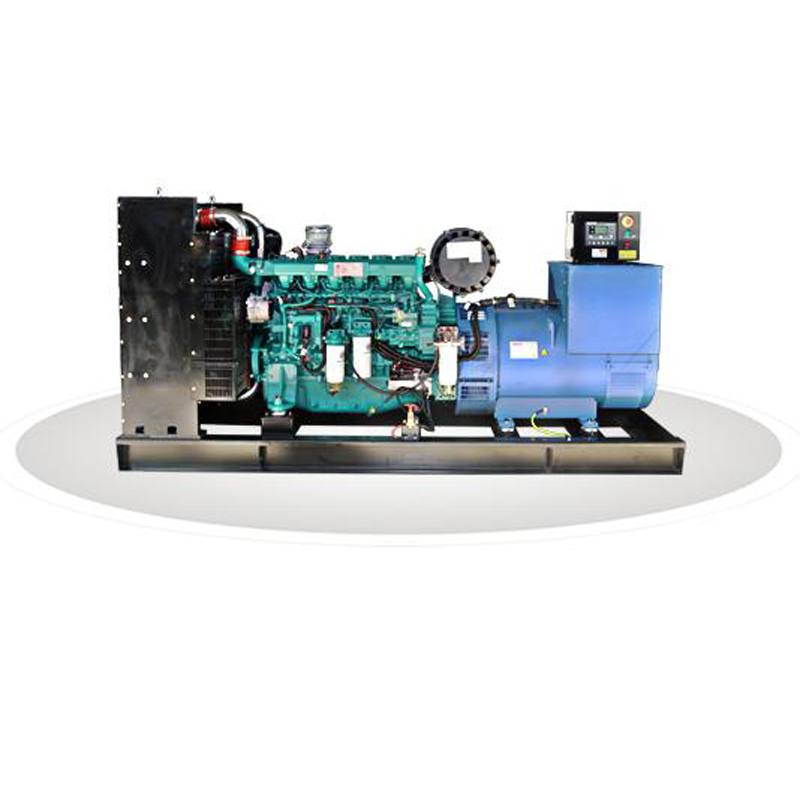 VBD-Baudouin series diesel generator set
 -
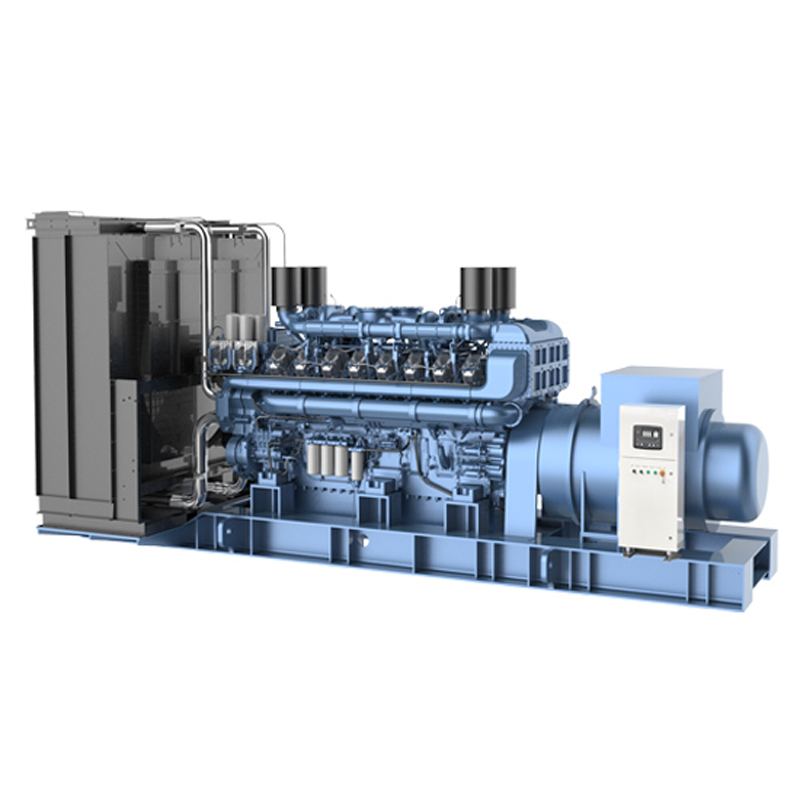 VWG-Weichai Series Natural Gas Generators
 -
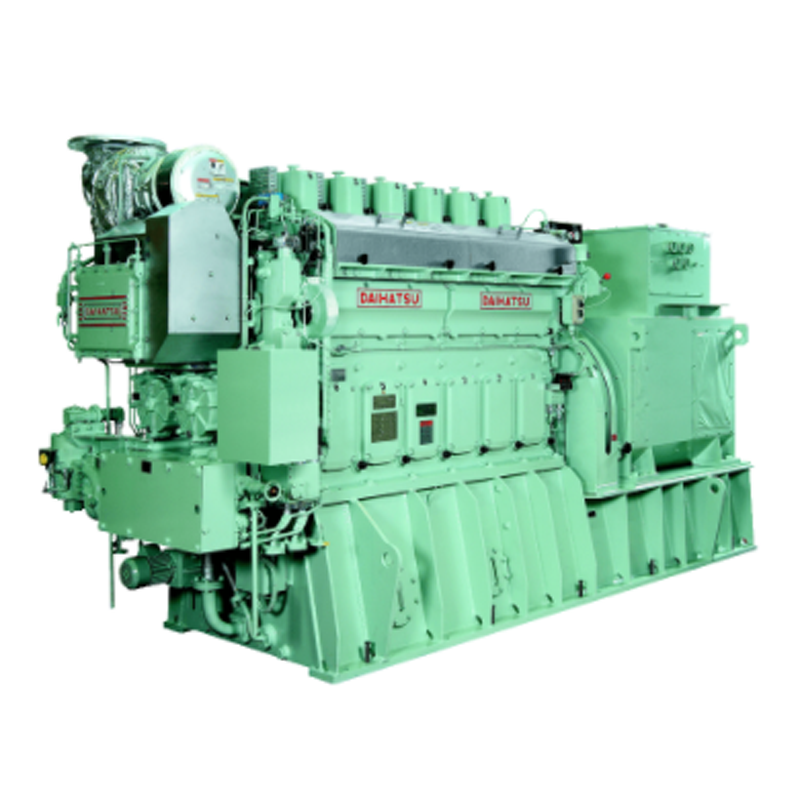 VMH-MAN Series Heavy Oil Generator Set
 -
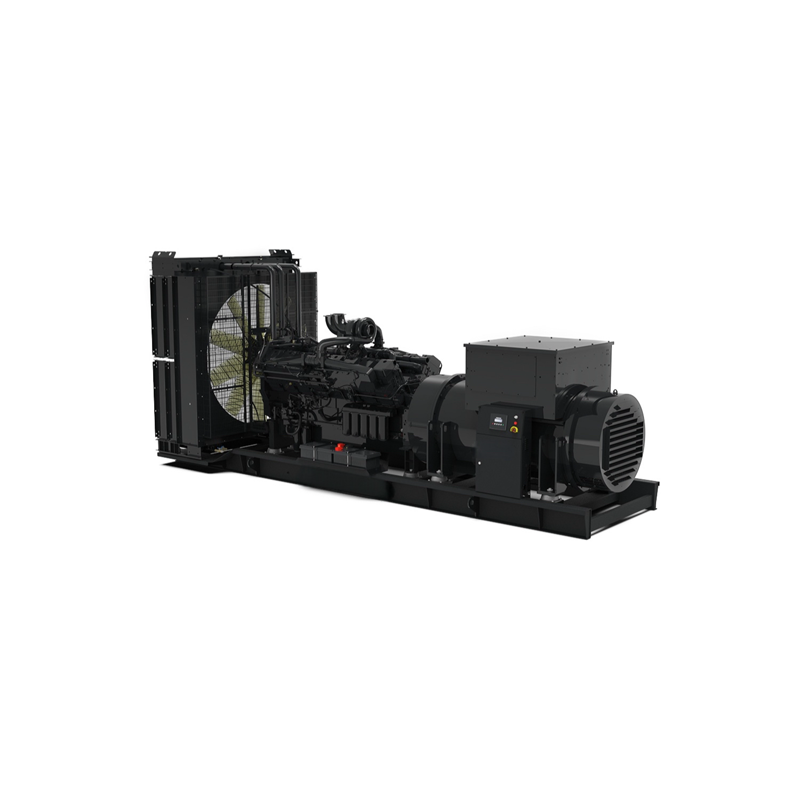 VHCD5-Cummins Series High Voltage Generator