

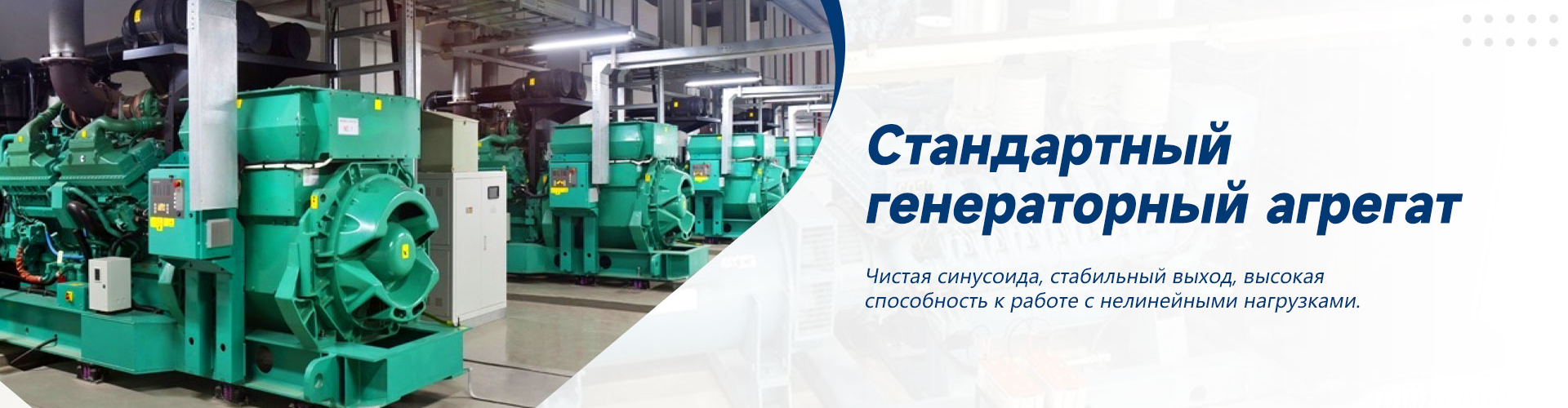
Generating equipment
Generating equipmentis a reliable source of electricity during network outages or in places where there is no access to centralized power supply. The correct choice of generator and its proper operation guarantee stable operation of electrical appliances and equipment, and also ensure safety of use.
What isgenerator equipment?
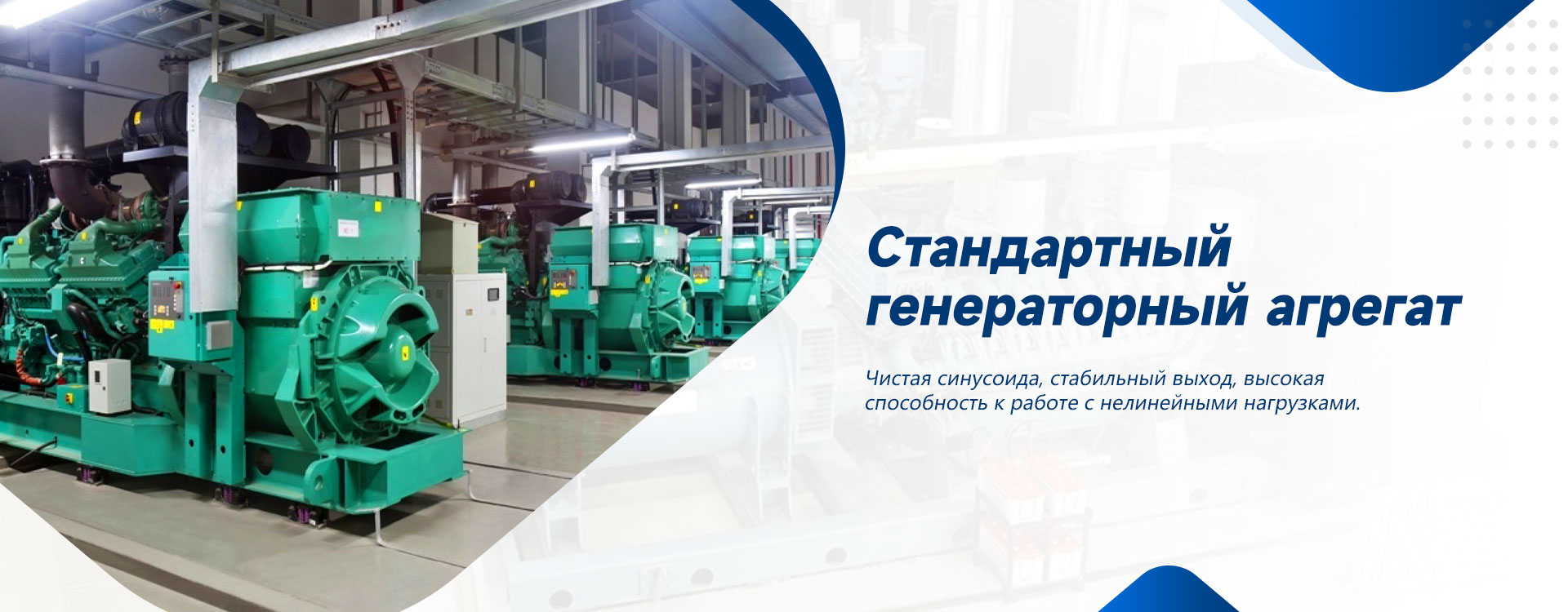
Generating equipment- These are devices that convert mechanical energy into electrical energy. They consist of an internal combustion engine that drives an alternator.Generatorsare widely used in various fields, from domestic needs to industrial enterprises.
Typesgenerator equipment
There are several typesgenerators, differing in fuel type, power and application.
Gasoline generators
Gasolinegenerators- These are portable and relatively inexpensive devices, ideal for use in the country, on a hike or on a construction site. They are compact in size and easy to operate. It is important to remember that gasoline is a flammable substance, so safety precautions must be observed during storage and use.
Diesel generators
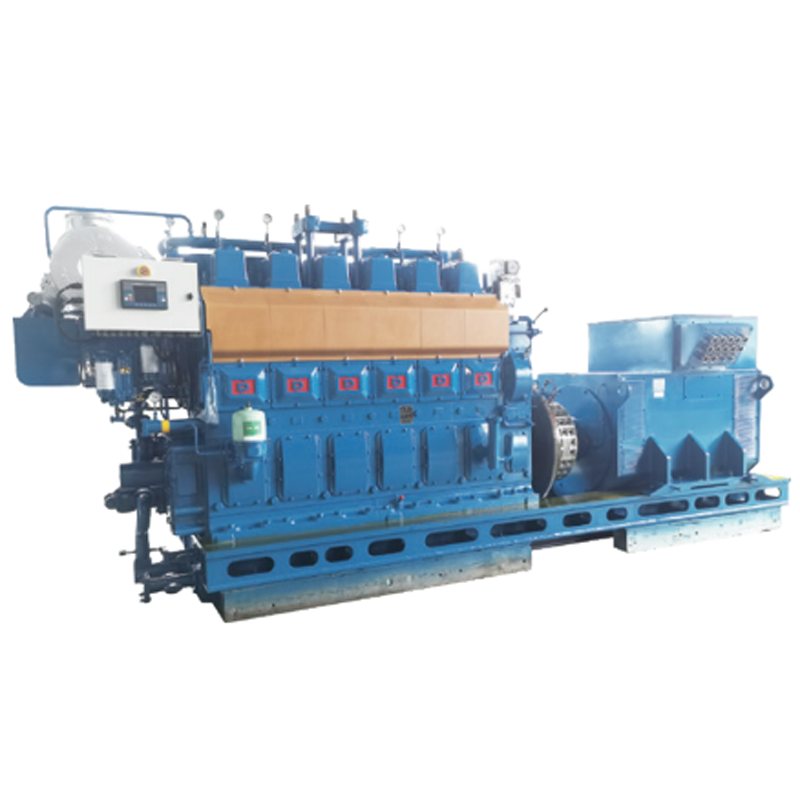
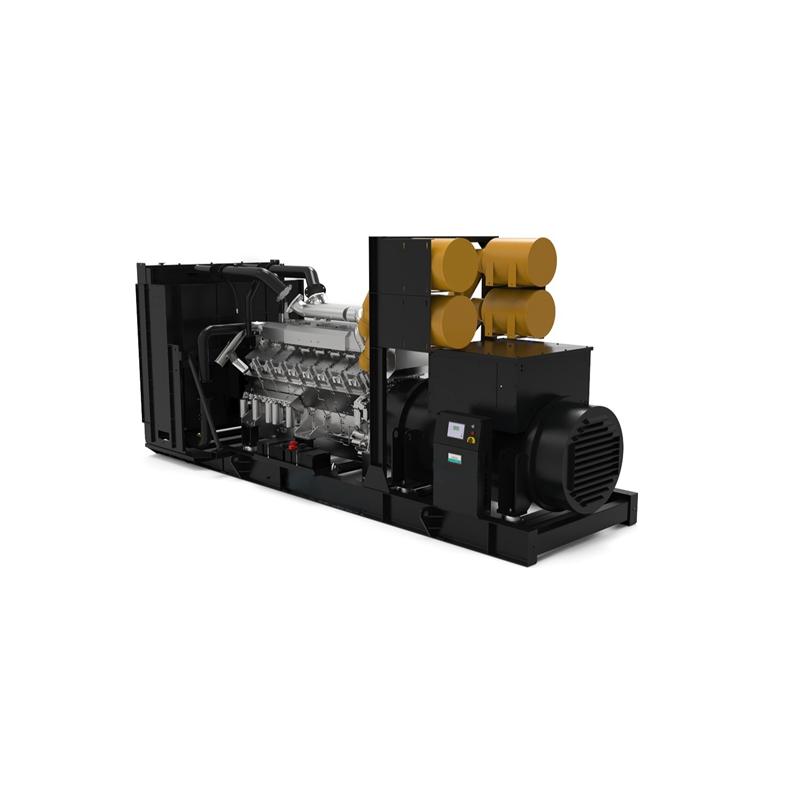
Dieselgeneratorsmore economical and reliable than gasoline ones. They are designed to last for a long time and are often used as a backup power source in businesses, hospitals and other facilities where uninterrupted power supply is required. Yuke (Shandong) Electrical Technology Co.,Ltd (https://voyoko.ru/) offers a wide range of diesel generators of various capacities.
Gas generators
Gasgeneratorsrun on natural gas or propane-butane. They are environmentally friendly and economical, but require connection to a gas main or the use of gas cylinders. Gasgeneratorsoften used in private homes and cottages as a backup power source.
Inverter generators
Invertergenerators- These are high-tech devices that provide stable voltage and current frequency. They are ideal for powering sensitive electronics such as computers, televisions and medical equipment. InvertergeneratorsThey are characterized by quiet operation and compact dimensions.
How to choosegenerator equipment?
When choosinggeneratorSeveral factors need to be taken into account:
- Power:Determine the total power of all electrical appliances that you plan to connect togenerator. It is recommended to choosegeneratorwith a power reserve of about 20-30%.
- Fuel type:Choose the type of fuel that is most affordable and convenient for you.
- Operating time:Consider how long you will need to usegeneratorwithout refueling.
- Noise level:Ifgeneratorwill be used in a residential area, please pay attention to the noise level.
- Price:Compare prices for different models and choose the best option in terms of price and quality ratio.
Powergenerator equipment: how to calculate?
Determining the required powergenerator– a key stage when choosing equipment. Add up the power of all devices that you plan to connect at the same time. Be aware of the inrush currents of some electrical appliances, such as refrigerators and power tools. For them, the starting power can be several times higher than the rated power. Typically, the power in watts (W) or kilowatts (kW) is indicated on the device body or in the technical documentation. Conversion between them: 1 kW = 1000 W.
Calculation example:
Let's say you plan to simultaneously connect:
- Refrigerator (starting power 700 W, nominal 200 W)
- TV (150 W)
- Bulb (100 W)
Total power = 700 W (refrigerator) + 150 W (TV) + 100 W (light bulb) = 950 W. You will needgeneratorwith a power of at least 1 kW (including reserve).
Servicegenerator equipment
Regular Maintenancegenerator– the key to its long and reliable operation. It is necessary to monitor the oil level, filters, spark plugs and other components. It is recommended to carry out maintenance in accordance with the manufacturer's instructions.
Safety precautions when working withgenerator equipment
When working withgeneratorThe following safety precautions must be observed:
- Do not installgeneratorindoors, as it emits carbon monoxide.
- RefuelgeneratorOnly outdoors, with the engine off.
- Do not allow water to come into contact withgenerator.
- Use extension cords and outlets designed to work withgenerators.
- Don't connectgeneratorto the power supply network without using a circuit breaker.
Comparison of main typesgenerator equipment
| Generator type | Benefits | Disadvantages | Application |
|---|---|---|---|
| Gasoline | Portable, low price | High fuel consumption, shorter service life | Cottages, hikes, construction sites |
| Diesel | Cost-effective, reliable, long service life | Higher price, more weight | Enterprises, hospitals, backup power supply |
| Gas | Environmentally friendly, economical | The need to connect to the gas main | Private houses, cottages |
| Inverter | Stable voltage, quiet operation, compact size | Higher price | Sensitive Electronics |
Table: Comparison of types of generating equipment
Conclusion
Correct choice and proper operationgenerator equipmentwill provide reliable power supply in any conditions. Consider your needs, follow safety precautions and maintain regularlygeneratorso that it serves you for many years.
Correspondingproducts
Related Products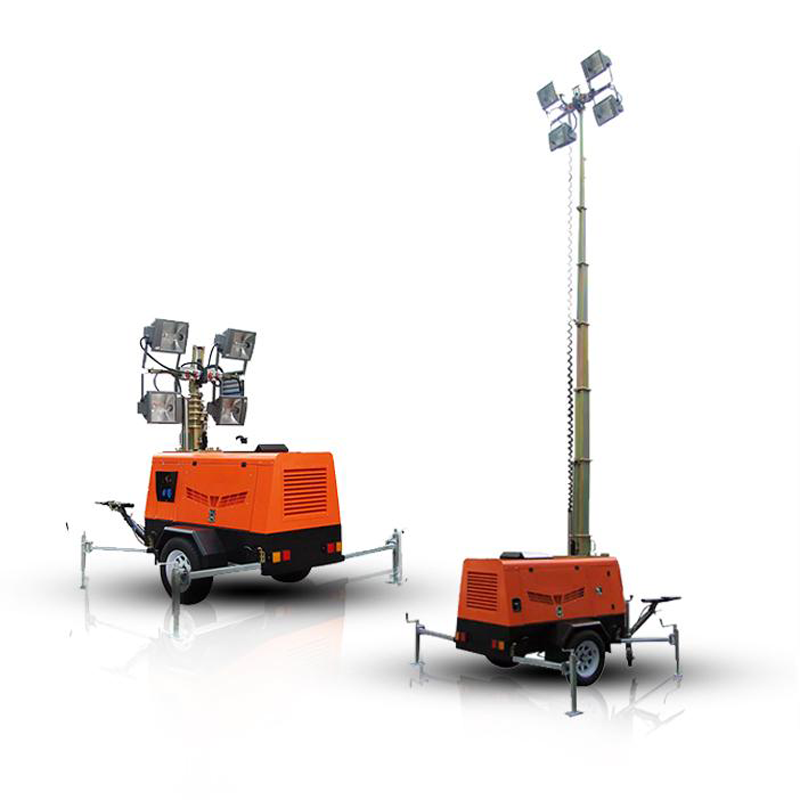
Best Sellingproducts
Best Selling Products-
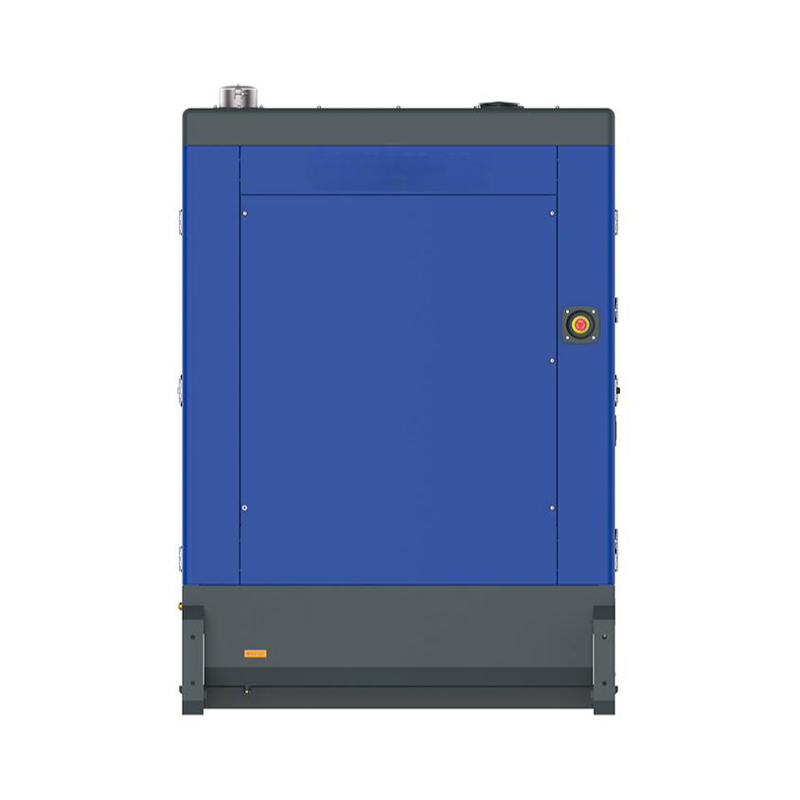
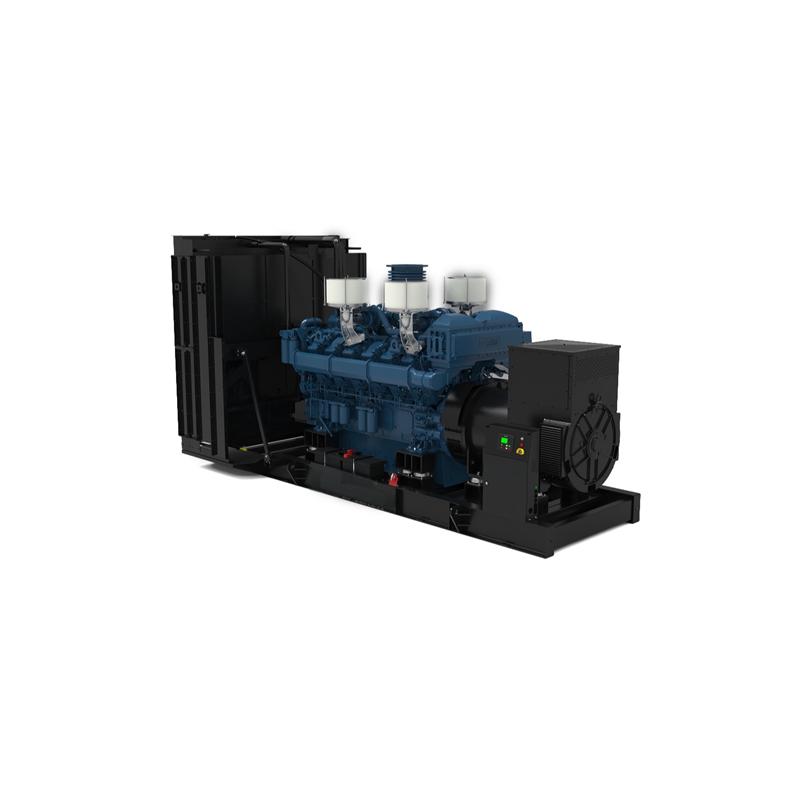 VHYD5-Yuchai Series High Voltage Generator
 -
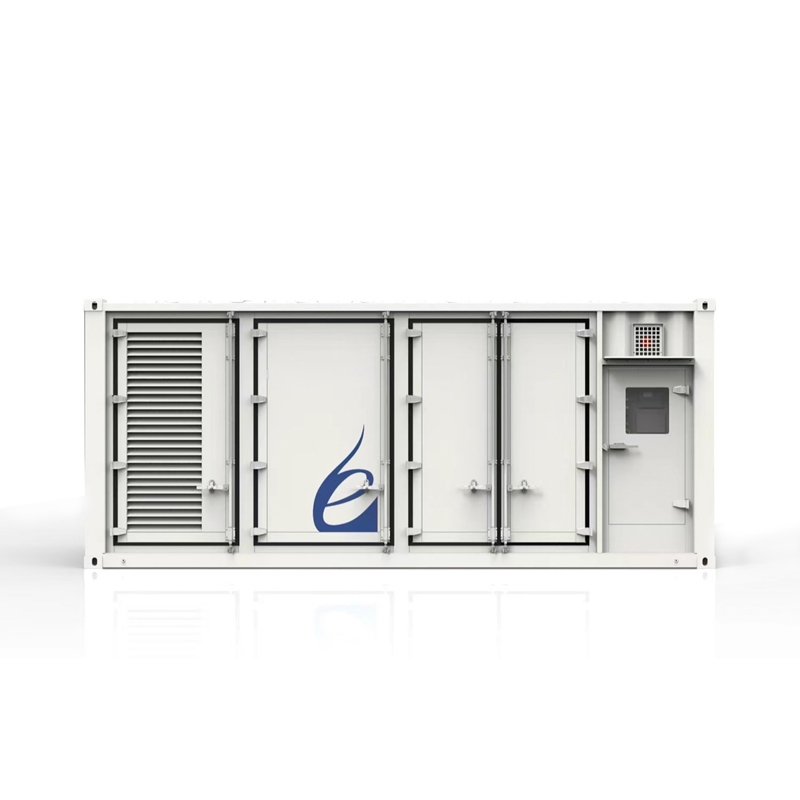
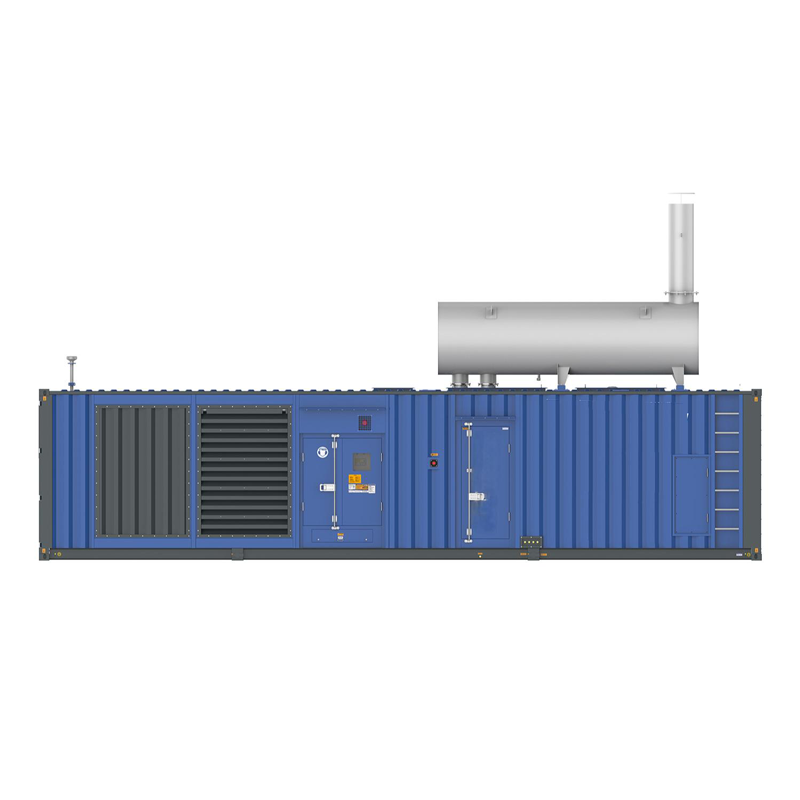 Yuchai VCYD5-S Series Container Generator Set
 -
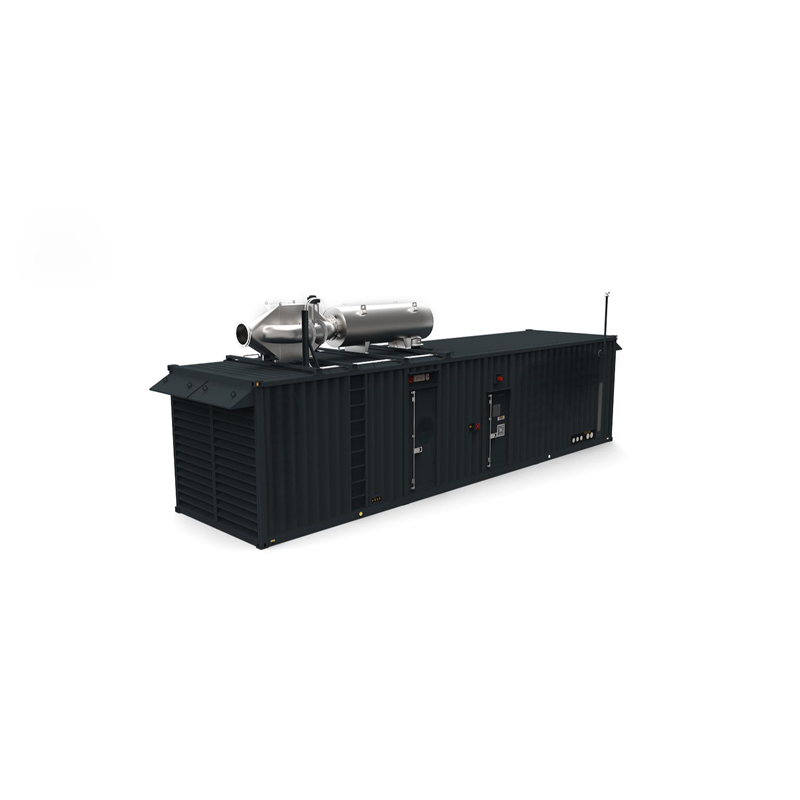 VCSD5-SME Series Container Generator Set
 -
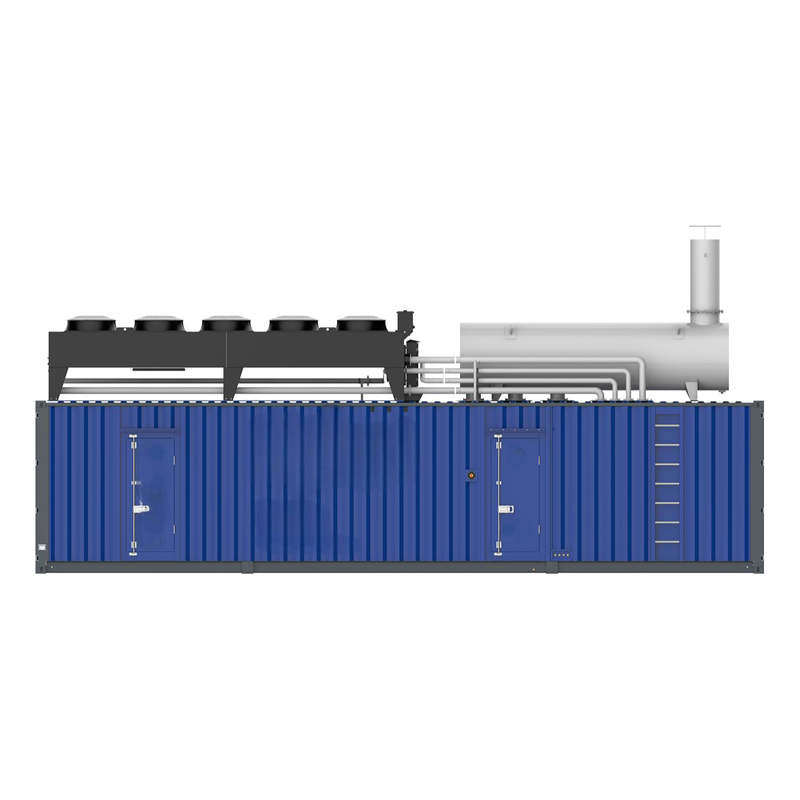 VCMD5-MTU Series Container Generator Set
 -
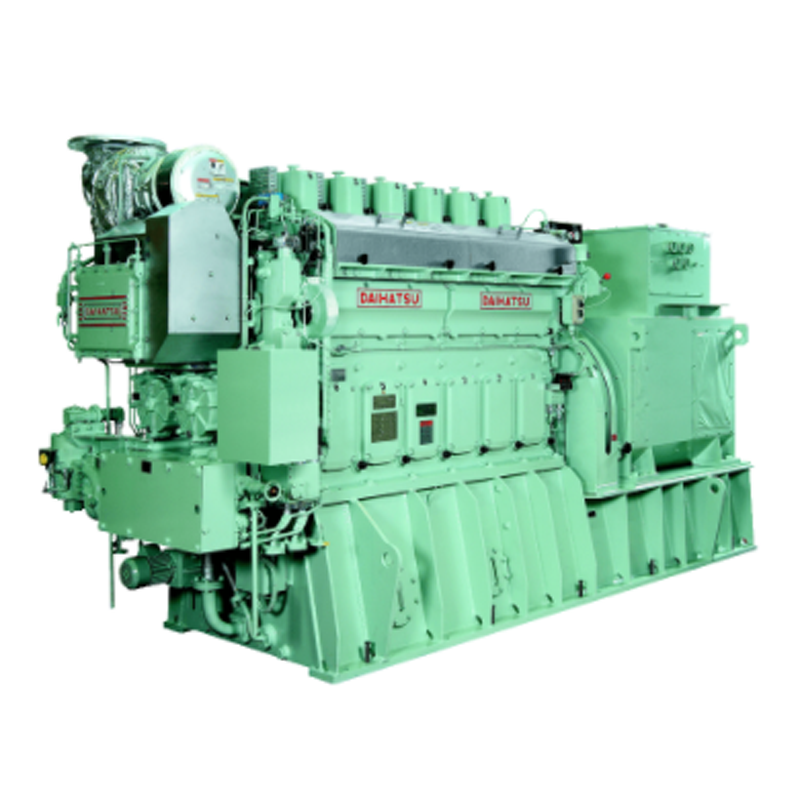 VMH-MAN Series Heavy Oil Generator Set
 -
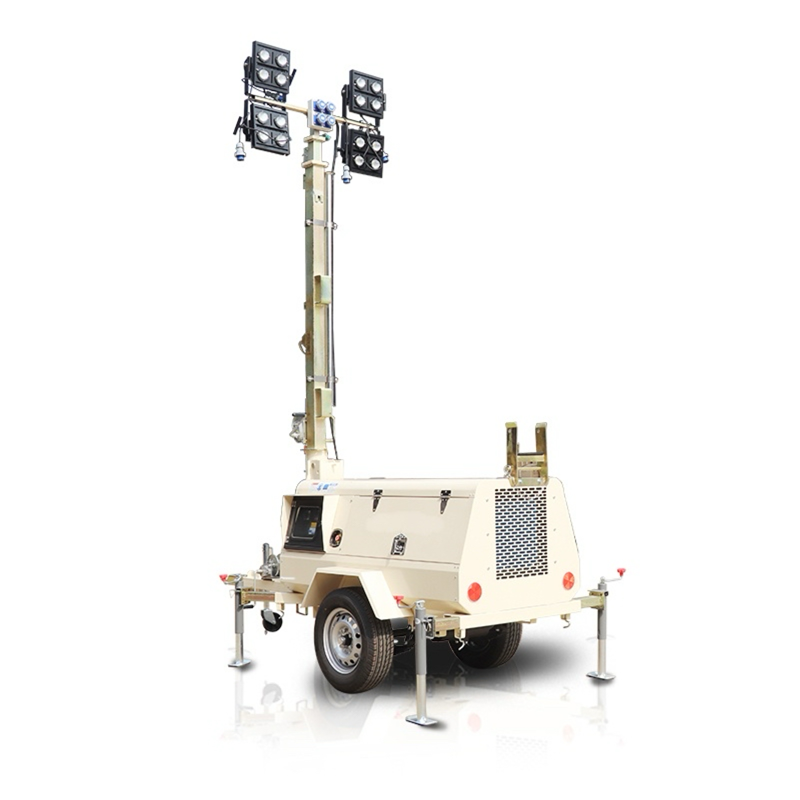 4TN Series
 -
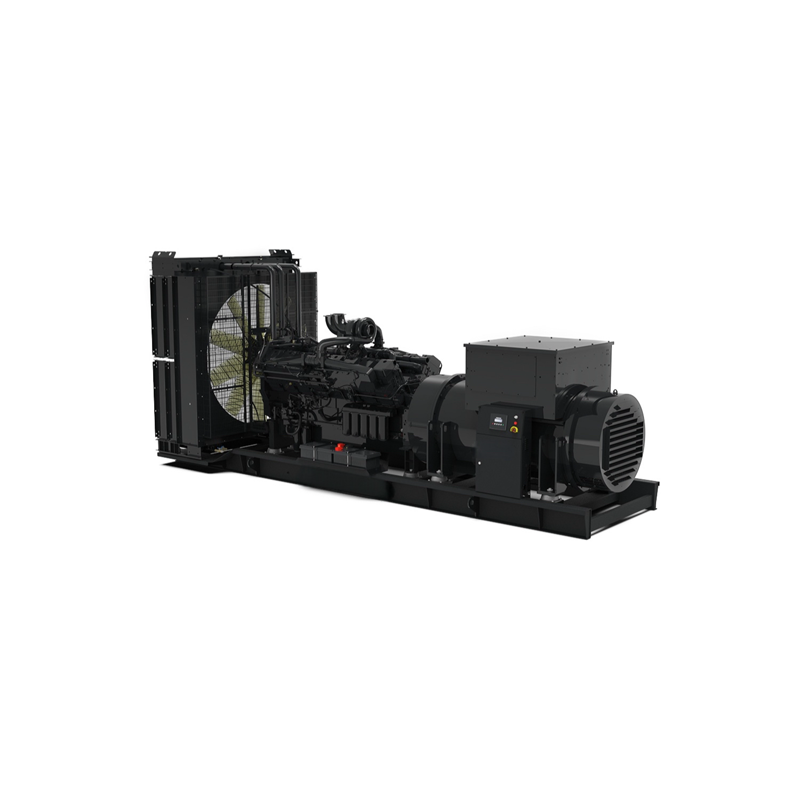 VHCD5-Cummins Series High Voltage Generator
 -
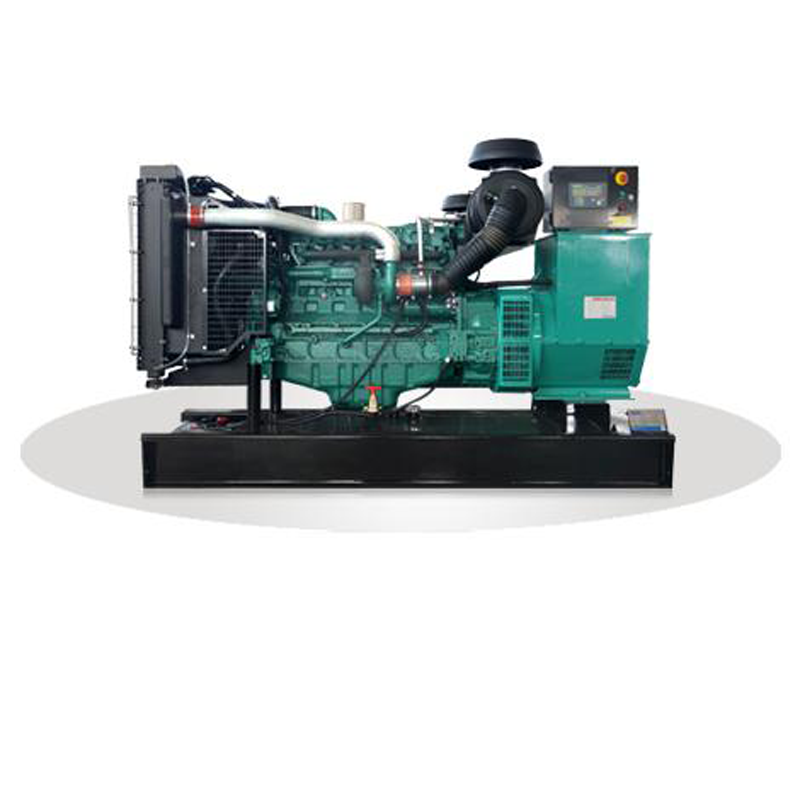 Diesel generator set VVD-VOLVO series
 -
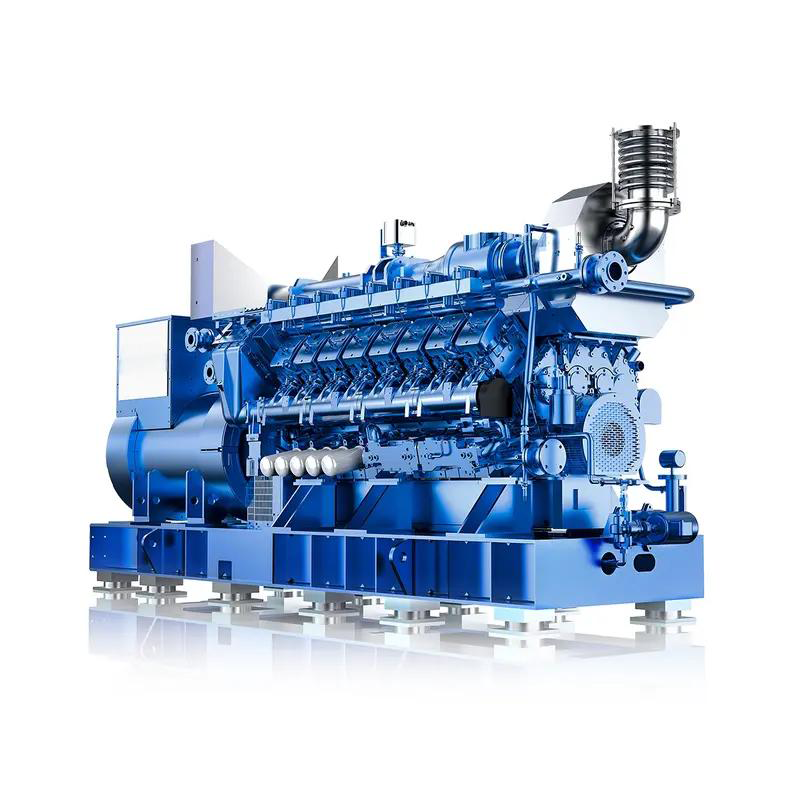 VLYG series gas generating unit
 -
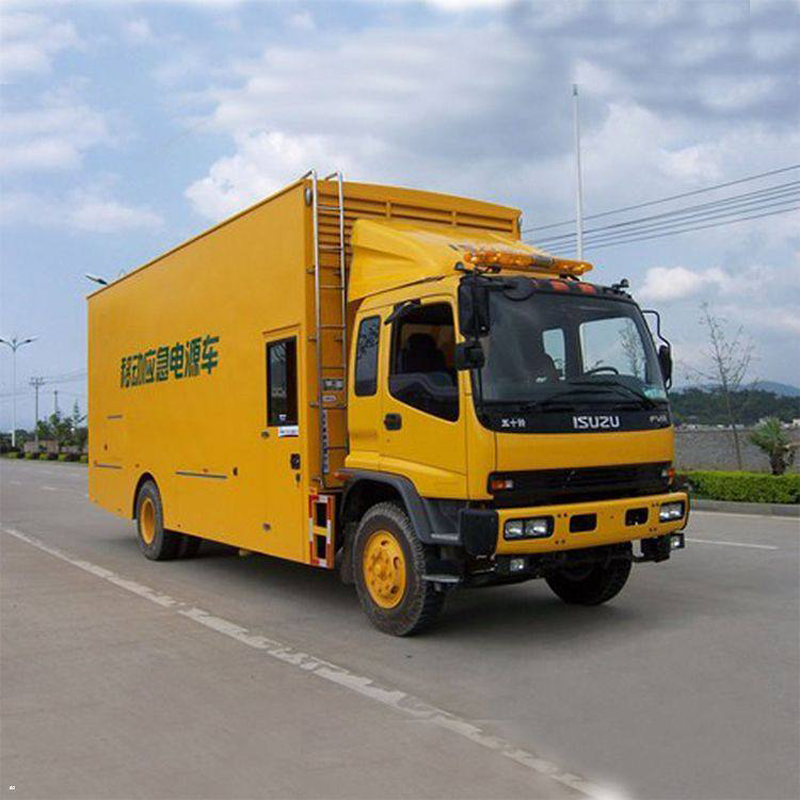 Emergency power supply vehicle
 -
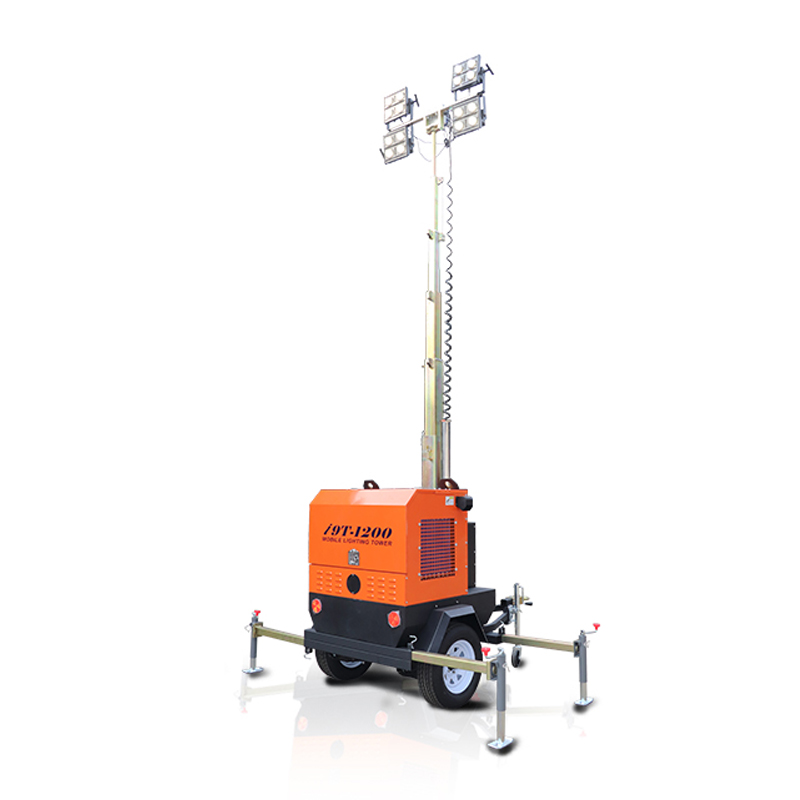 i9T Series
 -
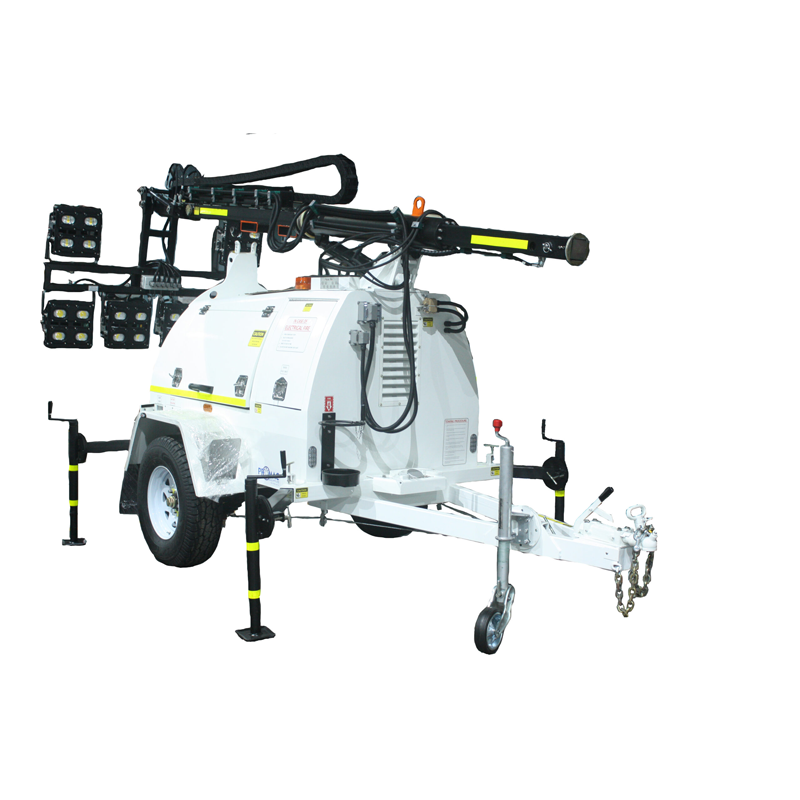 75 series for oil fields
Relatedsearch
Related Search- Cheap Industrial Gas Generator Sets
- Diesel power station OEM 200
- Buy diesel generator 200
- Generator Excellent
- Leading Diesel Power Plant 5
- Lighting equipment in China
- OEM container type diesel generator set
- Wholesale rental of diesel generators
- Buy a diesel generator set for an internal combustion locomotive
- Buy lighting equipment