

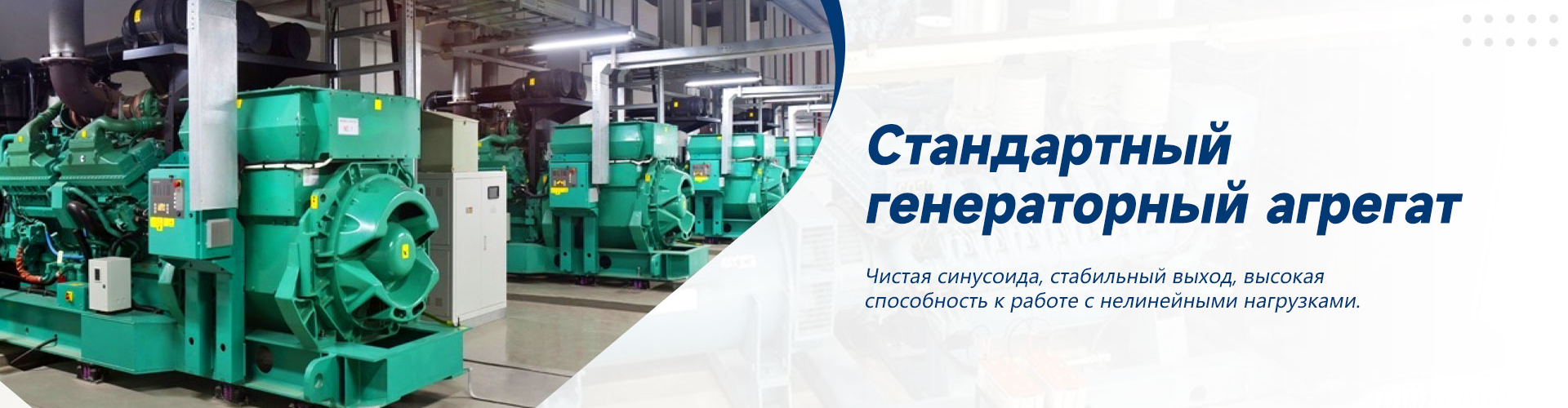
Oil fuel generator
Oil fuel generators- These are reliable sources of electricity, especially in the absence of a centralized power supply. When choosing, it is important to consider power, fuel type, battery life and noise level. Proper use will ensure long service life and safety.
What isoil fuel generatorand where is it used?
Oil fuel generatoris a device that converts the energy of fuel combustion (most often gasoline or diesel) into electrical energy. It consists of an internal combustion engine that drives an alternator.Oil fuel generatorsWidely used in the following areas:
- Construction:for powering power tools and lighting on construction sites where there is no access to the power grid.
- Households:as a backup source of electricity when the centralized power supply is turned off.
- Outdoor events:to provide electricity to retail outlets, stages and other facilities at outdoor events.
- Agriculture:for powering pumps, compressors and other equipment.
- Field work and expeditions:as an autonomous source of energy far from civilization.
Main typesoil fuel generators
Oil fuel generatorsclassified according to several parameters:
By fuel type:
- Gasoline generators:lighter and more compact than diesel engines, suitable for short-term use and light loads. Yuke (Shandong) Electrical Technology Co., Ltd. offers a wide range of gasoline generators suitable for various applications. Lookon our website.
- Diesel generators:more economical and durable than gasoline ones, designed for long-term operation and heavy loads.
- Gas generators:They run on natural or liquefied gas, more environmentally friendly than gasoline and diesel engines, but require connection to a gas line or cylinder.
By type of output current:
- Single-phase generators:produce a voltage of 220 V, suitable for powering household appliances and power tools.
- Three-phase generators:They produce a voltage of 380 V and are used to power powerful industrial equipment.
By type of execution:
- Open generators:They have a simple design, are more affordable, but produce more noise.
- Enclosed generators:equipped with a noise-insulating casing that reduces noise levels, more convenient for use in residential areas.
- Inverter generators:They produce stable current with minimal distortion and are suitable for powering sensitive electronics.
How to chooseoil fuel generator?
When choosingoil fuel generatorThe following factors must be taken into account:
- Power:the total power of all consumers that will be connected to the generator. It is necessary to take into account inrush currents, which can significantly exceed the rated power of the devices. It is recommended to choose a generator with a power reserve of 20-30%.
- Fuel type:gasoline, diesel or gas. The choice depends on your needs and operating conditions. Gasoline generators are suitable for short-term use, diesel generators for long-term operation, gas generators for economy and environmental friendliness.
- Battery life:determined by the volume of the fuel tank and fuel consumption. It is necessary to consider how long the generator should run without refueling.
- Noise level:is especially important if the generator will be used in a residential area. Enclosed generators produce less noise.
- Availability of additional functions:such as automatic start during a power outage (AVR), overload and short circuit protection, fuel level indicator.
- Price:depends on power, fuel type, functionality and manufacturer.
Technical characteristics of popular modelsoil fuel generators
For comparison, here are the technical characteristics of several popular modelsoil fuel generators:
| Model | Fuel type | Power (kW) | Working time (h) | Noise level (dB) |
|---|---|---|---|---|
| Hyundai HY3000Si | Gasoline | 2.8 | 6 | 62 |
| Fubag TI 3600 | Gasoline | 3.3 | 12 | 68 |
| Kipor KDE6500E | Diesel | 5.0 | 12.5 | 72 |
Source: data from the official websites of manufacturers for 2024.
Operating rulesoil fuel generator
To ensure safe and durable operationoil fuel generatorThe following rules must be observed:
- Before the first start:Please read the operating instructions carefully. Fill in the required amount of oil and fuel.
- Installation location:The generator should be installed on a level, dry and well-ventilated surface, away from flammable materials.
- Load connection:Connect the load only after the generator has started and the voltage has stabilized. Do not exceed the rated power of the generator.
- Maintenance:regularly check the oil and fuel levels, clean the air filter, change spark plugs (for gasoline generators).
- Storage:During long-term storage, drain the fuel from the tank and carburetor (for gasoline generators).
- Security:Do not use the generator in enclosed areas, as the exhaust gases contain carbon monoxide, which is deadly. Use protective equipment when working with a generator.
Common problems and their solutions
Here are some common problems withoil fuel generatorsand ways to solve them:
- The generator does not start:Check the presence of fuel and oil, spark plug (for gasoline generators), and air filter.
- The generator is unstable:check the fuel filter, adjust the carburetor (for gasoline generators).
- The generator does not produce voltage:check the fuses and the condition of the generator brushes.
- The generator makes unusual sounds:Contact a service center for diagnosis and repair.
Conclusion
Oil fuel generatoris a reliable and convenient source of electricity that can be useful in various situations. Correct selection and operation of the generator will ensure its long service life and your safety. Contact the specialists of Yuke LLC (Shandong) Electrical Engineering Technologies for advice and selection of the optimal generator model for your needs.
Correspondingproducts
Related Products
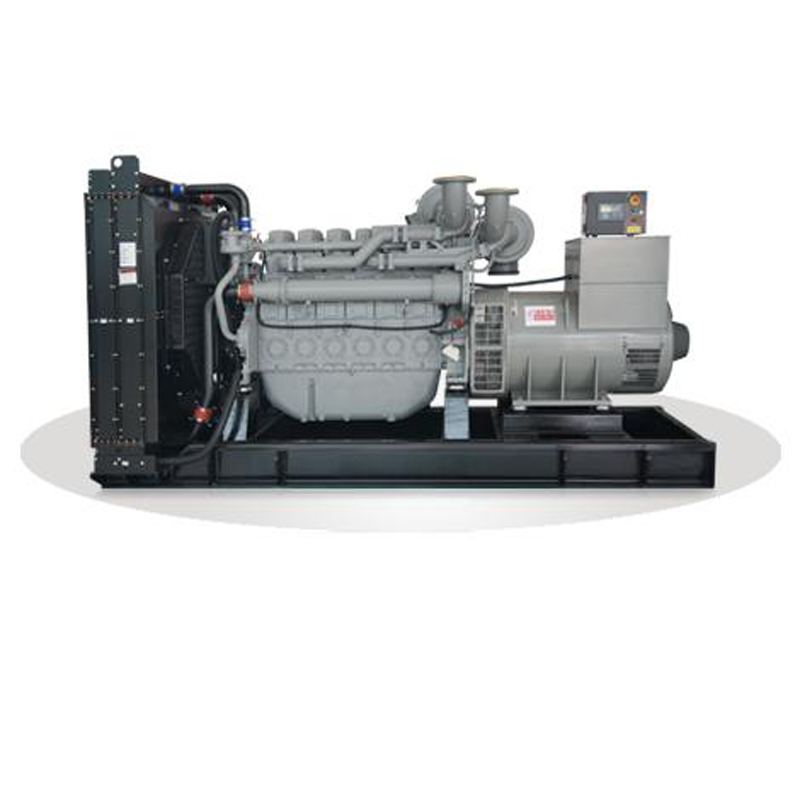
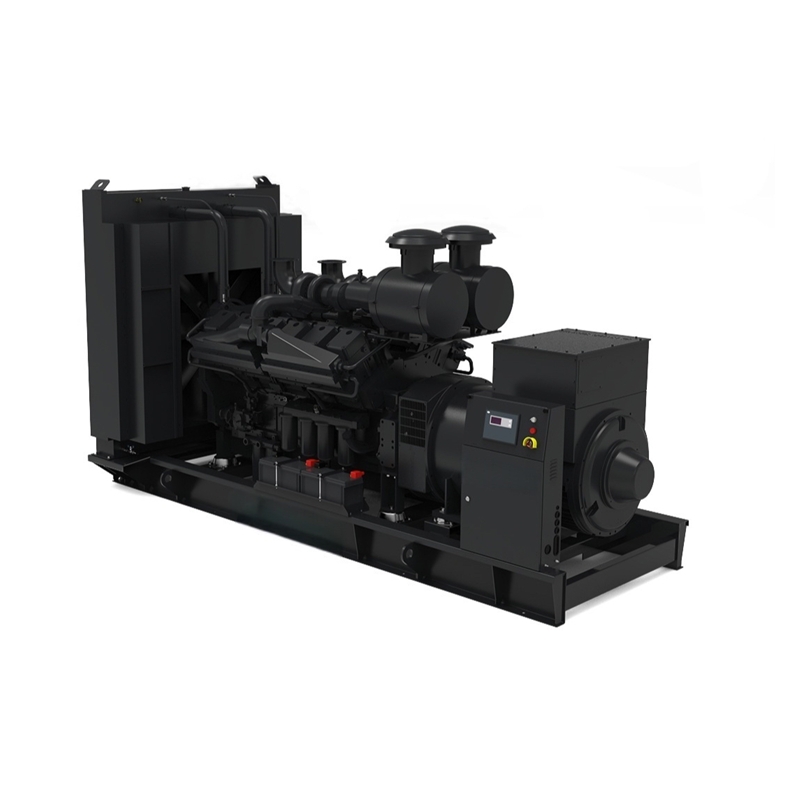
Best Sellingproducts
Best Selling Products-
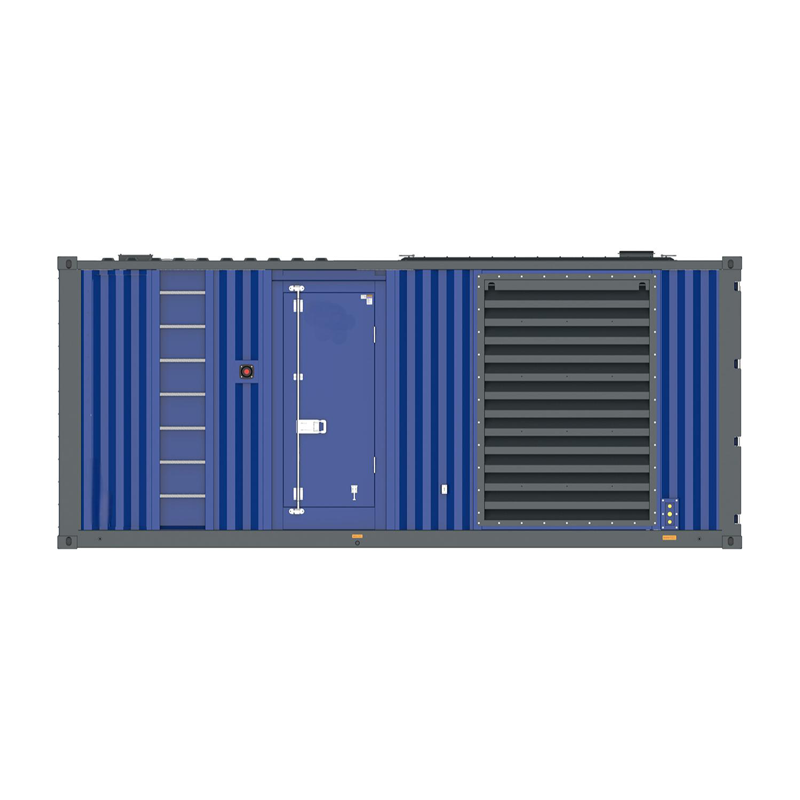 VCCD5-Cummins Series Container Generator Set
 -
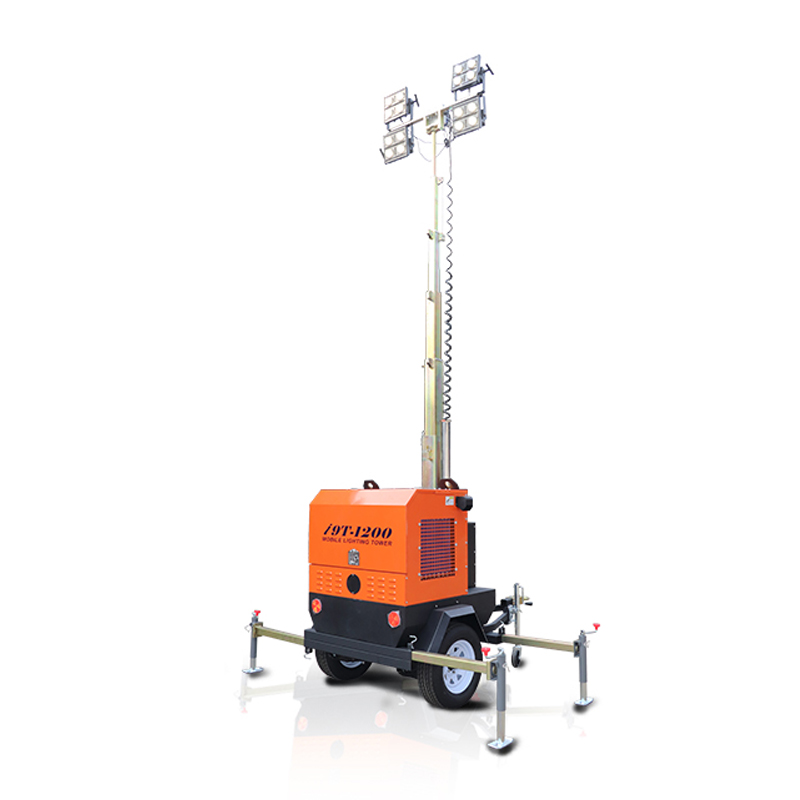 i9T Series
 -
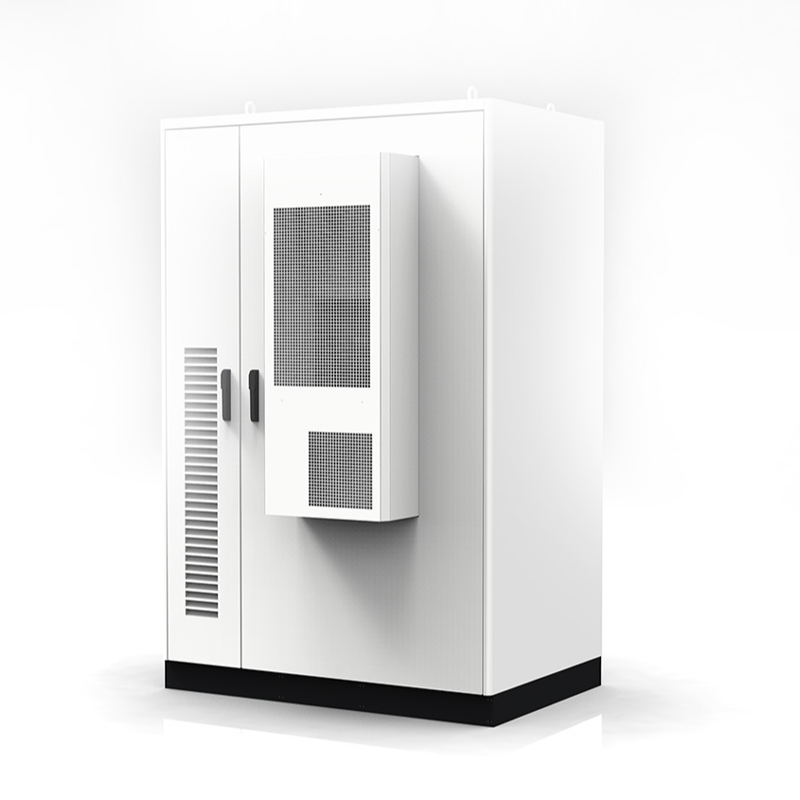 Air Cooled Energy Storage Cabinet
 -
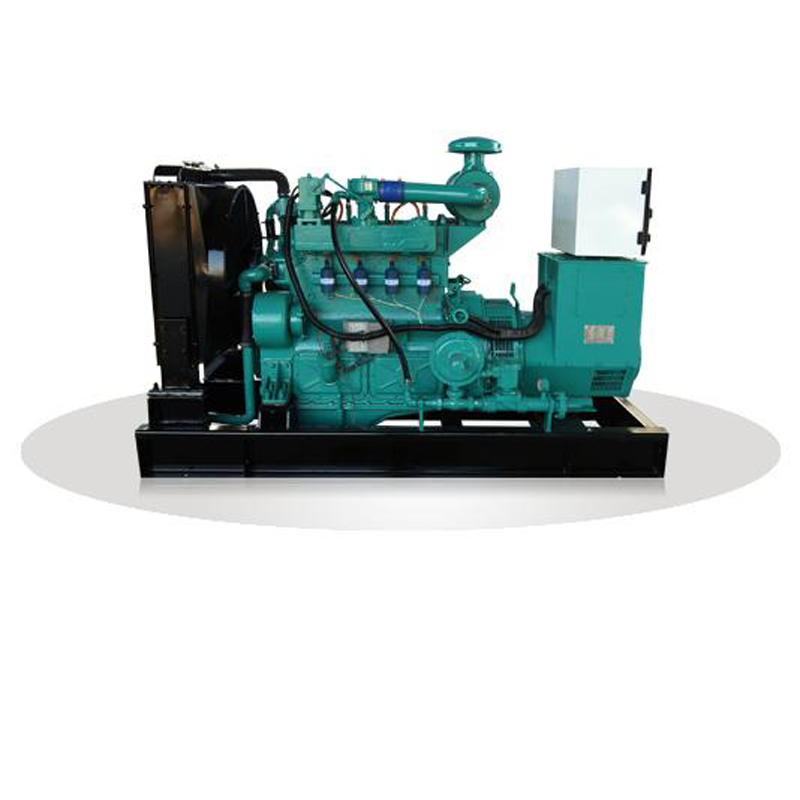 VYG Yuchai Series Natural Gas Generators
 -
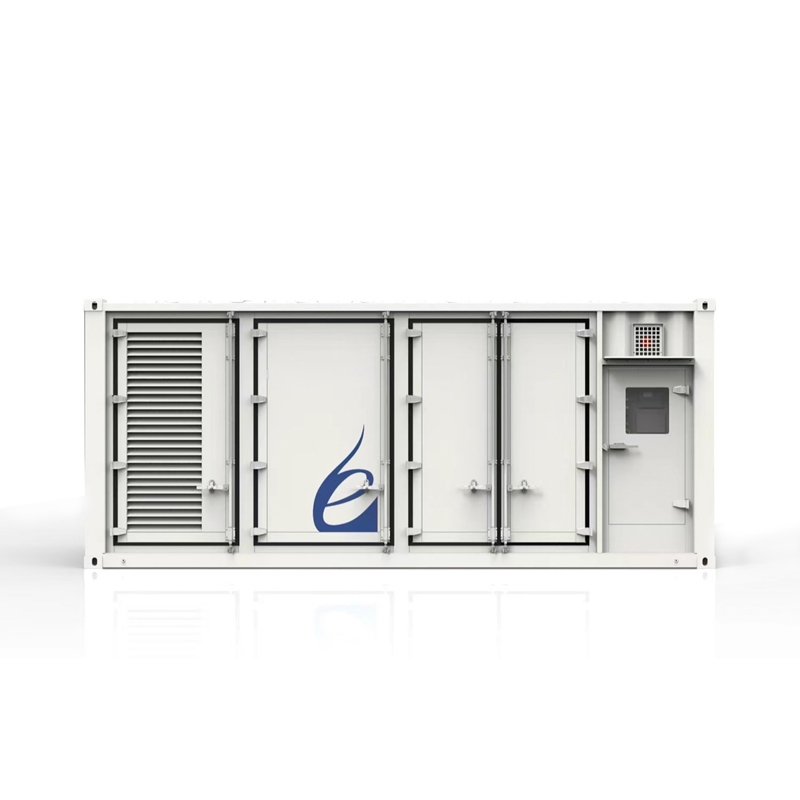 Energy storage container
 -
 Solar cell type SV9
 -
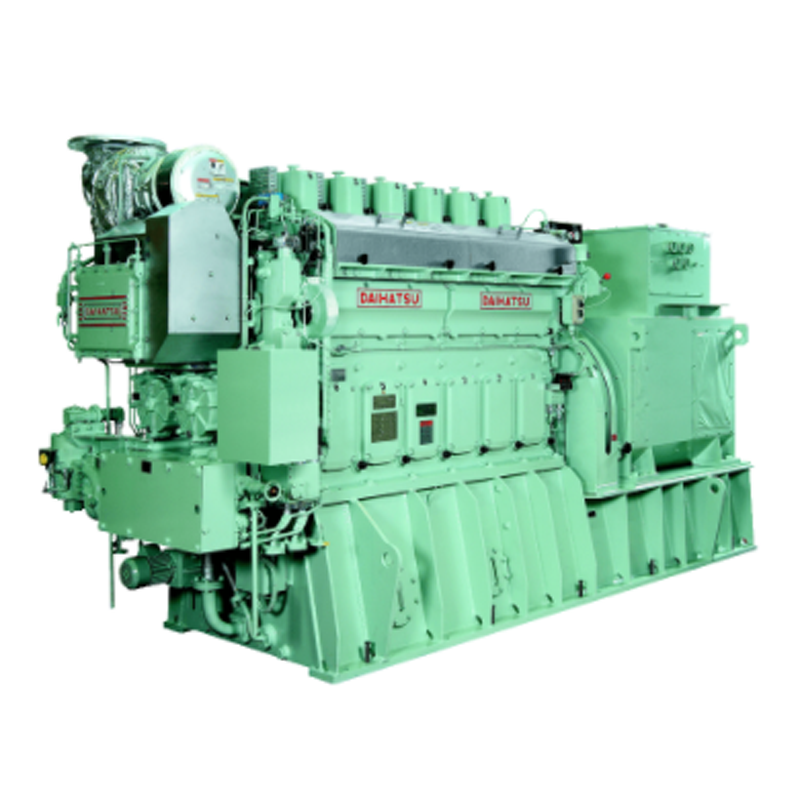 VMH-MAN Series Heavy Oil Generator Set
 -
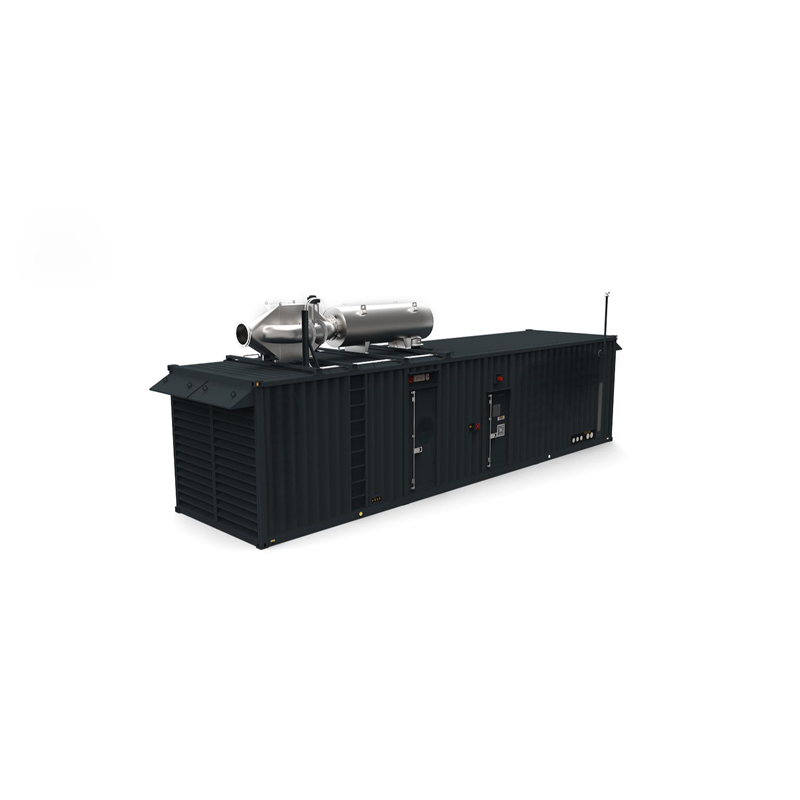 VCSD5-SME Series Container Generator Set
 -
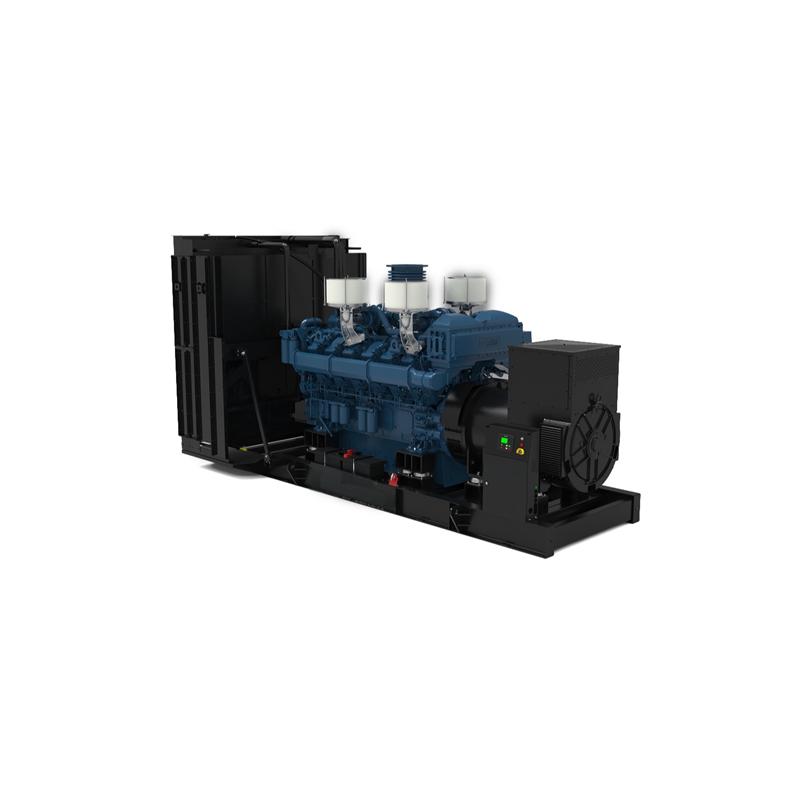 VHYD5-Yuchai Series High Voltage Generator
 -
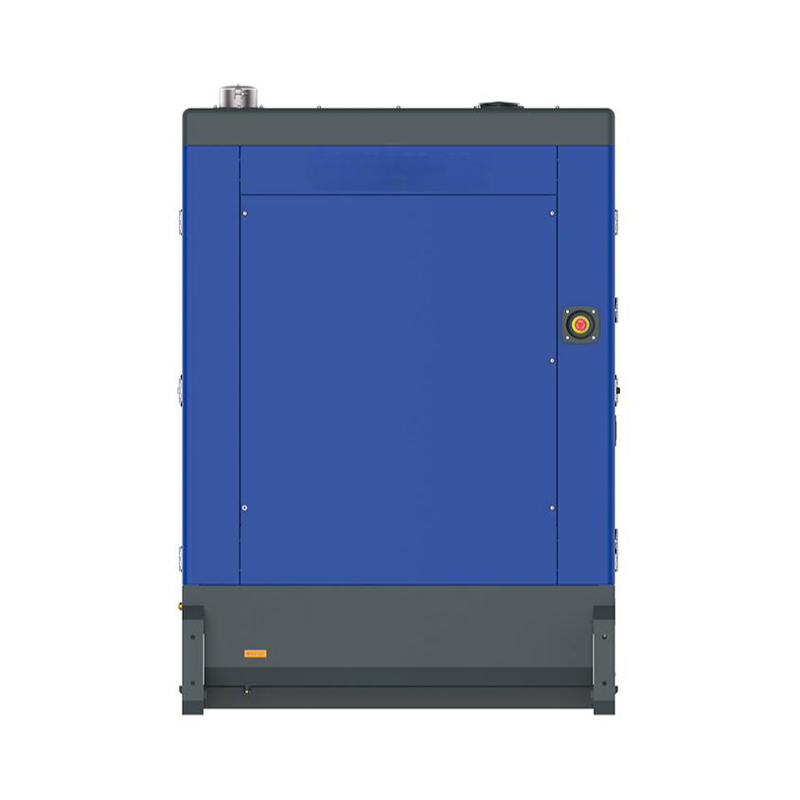 VSCD5-Cummins Series Quiet Generator Set
 -
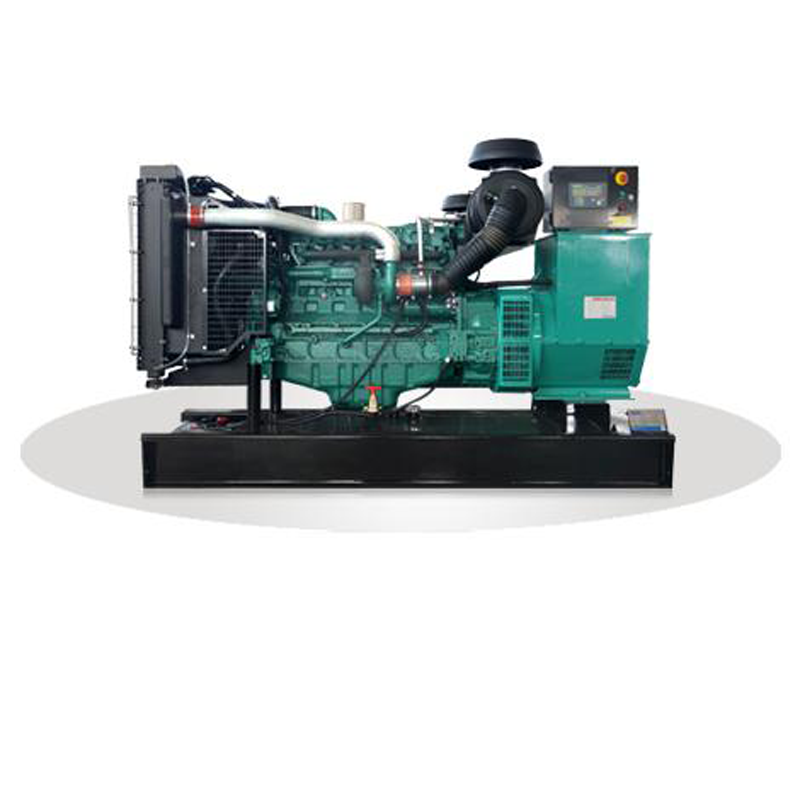 Diesel generator set VVD-VOLVO series
 -
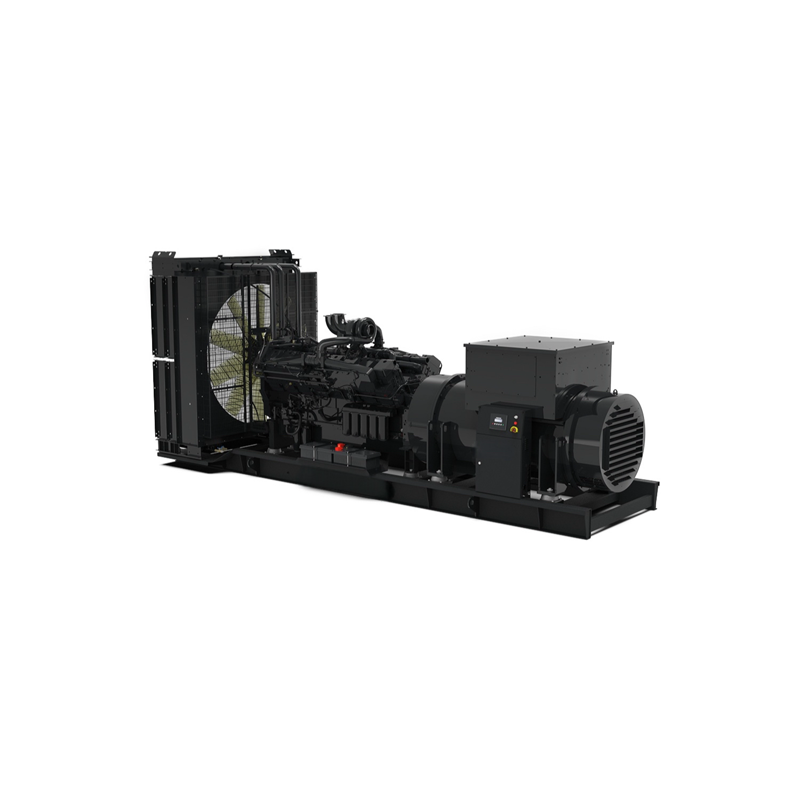 VHCD5-Cummins Series High Voltage Generator
Relatedsearch
Related Search- Leading block generator sets
- Famous Diesel Electric Generator
- Wholesale Diesel Generators 200
- Famous DGU Diesel Generator Set
- Leading types of diesel generator sets
- Cheap Biogas Generator Set
- Cheap Natural Gas Generator Set
- Production of diesel power plants in China
- Leading diesel generator set 500 kW
- Buy an industrial generator set