

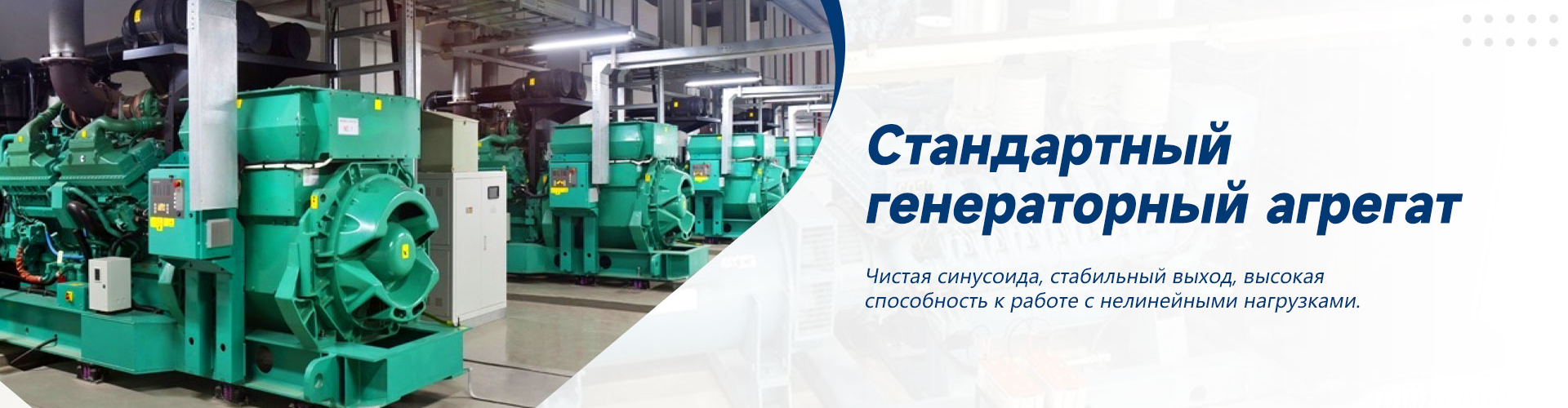
diesel generator 1
Diesel generator 1is a reliable source of electricity that can be used in a variety of situations, from powering a private home during a power outage to being used as the main source of energy on construction sites or industrial plants. Choosing the right onediesel generator 1requires an understanding of key characteristics, power requirements and operating conditions. In this article we will look at all aspects of selection and operationdiesel generator 1to help you make informed choices.
What isdiesel generator 1and where is it used?
Diesel generator 1is an electric generator that runs on diesel fuel. It converts mechanical energy obtained from the combustion of diesel fuel into electrical energy. These generators are widely used in places where there is no access to a centralized power supply or a backup power source is required.
Applicationsdiesel generator 1:
- Private houses and cottages:To provide backup power supply during a power outage.
- Construction sites:For powering power tools and equipment in places where there is no access to the mains.
- Industrial enterprises:To ensure uninterrupted operation of equipment in the event of a power outage.
- Medical institutions:To ensure the smooth operation of vital equipment.
- Agriculture:For powering pumps, irrigation equipment and other agricultural machines.
- Telecommunications:To ensure uninterrupted operation of base stations and other communication equipment.
How to choosediesel generator 1: Key parameters
Choicediesel generator 1– this is a responsible task that requires taking into account many factors. Let's consider the main parameters that you should pay attention to:
Generator power
Power is one of the most important parametersdiesel generator 1. It is measured in kilowatts (kW) or kilovolt-amperes (kVA). To correctly select the power, it is necessary to sum up the power of all electricity consumers that will be simultaneously connected to the generator. It is recommended to add a power reserve of 20-30% to account for inrush currents and possible future needs.
Example of power calculation:
- Define a list of all devices that will be connected to the generator.
- Find out the power of each device in watts (W) or kilowatts (kW).
- Add up the power of all devices.
- Consider inrush currents (especially for devices with electric motors). Multiply the power of devices with electric motors by the starting current factor (usually 2 to 5).
- Add power reserve (20-30%).
Generator type
There are different typesdiesel generators 1, differing in design, characteristics and purpose:
- Stationary generators:Designed for permanent installation in a specific location. They usually have high power and are used to provide electricity to large facilities.
- Portable generators:Compact and lightweight generators that can be easily moved from place to place. Suitable for use on construction sites, in private homes and cottages.
- Inverter generators:They provide stable voltage and current frequency, making them ideal for powering sensitive electronics.
Startup type
Diesel generators 1can be launched in different ways:
- Manual start:The generator is started using a manual starter. Suitable for small generators.
- Electric start:The generator is started using an electric starter. A more convenient and reliable way to launch.
- Automatic start (ATS):The generator automatically starts when the centralized power supply is cut off and automatically turns off when it is restored.
Noise level
Noise level is an important parameter, especially if the generator will be used in a residential area. Choose generators with low noise levels or install them in a soundproof room.
Fuel consumption
Fuel consumption is an important parameter in terms of efficiency. Choose generators with low fuel consumption, especially if you plan to use them frequently and for long periods of time.
Manufacturer and reliability
Choosediesel generator 1from well-known and reliable manufacturers who provide a guarantee and service. Pay attention to reviews from other users and ratings of generators.
Yuke (Shandong) Electrical Technology Co.,Ltd (https://www.voyoko.ru/) offers a wide range of reliablediesel generators 1, meeting high quality standards.
Operationdiesel generator 1: Rules and recommendations
Correct operationdiesel generator 1– the key to its long and reliable operation. Let's consider the basic rules and recommendations:
Preparing for launch
- Check the oil and coolant levels.
- Fill the generator with diesel fuel.
- Make sure the generator is on a level surface.
- Connect electrical consumers to the generator.
Starting the generator
- Turn on the generator.
- Start the engine using the manual or electric starter.
- Allow the engine to warm up for a few minutes.
- Check voltage and frequency.
During work
- Monitor the oil and coolant levels.
- Monitor engine temperature.
- Do not overload the generator.
- Check the condition of the air filter regularly.
After work
- Disconnect electrical consumers from the generator.
- Turn off the engine.
- Allow the engine to cool.
- Maintain the generator according to the manufacturer's instructions.
Servicediesel generator 1: Regularity and necessity
Regular Maintenancediesel generator 1– a necessary condition for its reliable and long-term operation. Let's consider the main types of services:
Daily Maintenance
- Checking oil and coolant levels.
- Checking the fuel level.
- Visually inspect the generator for damage.
Weekly service
- Checking the condition of the air filter.
- Checking the condition of the fuel filter.
- Checking the condition of the battery.
Monthly service
- Changing the oil and oil filter.
- Replacing the air filter.
- Replacing the fuel filter.
- Checking the condition of the spark plugs (if equipped).
- Checking the condition of the belts.
Annual maintenance
- Complete generator diagnostics.
- Checking the condition of all components and assemblies.
- Replacement of all worn parts.
- Engine tuning.
Typical problems and their solutions
Like any complex equipment,diesel generator 1may face various problems. Let's look at the most common problems and ways to solve them:
| Problem | Possible reason | Solution |
|---|---|---|
| The generator does not start | Low fuel level, low battery, faulty starter | Refuel the generator, charge the battery, replace the starter |
| The generator is unstable | The air filter is dirty, the fuel supply system is faulty, the spark plugs are faulty | Replace the air filter, clean the fuel supply system, replace the spark plugs |
| The generator is overheating | Low coolant level, dirty radiator, faulty thermostat | Add coolant, clean the radiator, replace the thermostat |
Precautions when working withdiesel generator 1
When working withdiesel generator 1Precautions must be observed:
- Do not operate the generator indoors.
- Do not allow water to come into contact with the generator.
- Do not touch hot parts of the generator.
- Do not smoke near the generator.
- Use personal protective equipment (gloves, glasses, headphones).
Conclusion
Selection and operationdiesel generator 1– a responsible task that requires taking into account many factors. We hope that this article helped you gain the necessary knowledge and make the right choice. Remember the importance of regular maintenance and safety precautions to ensure long, reliable operation of your generator.
Source of data on electricity consumption of household appliances:https://www.energoaudit.ru/stati/potreblenie-elektroenergii-bytovymi-priborami
Correspondingproducts
Related Products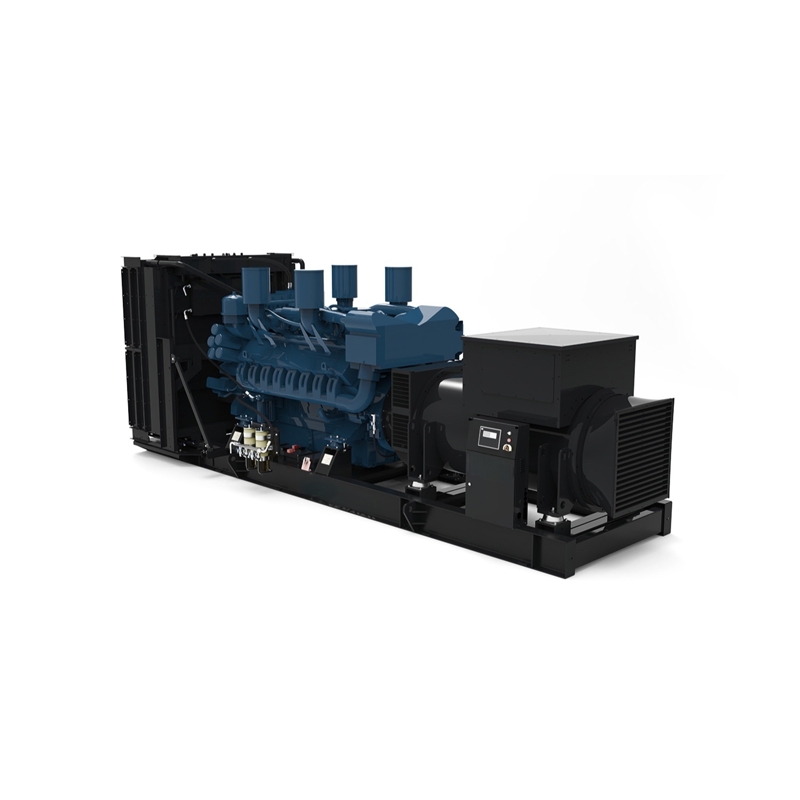
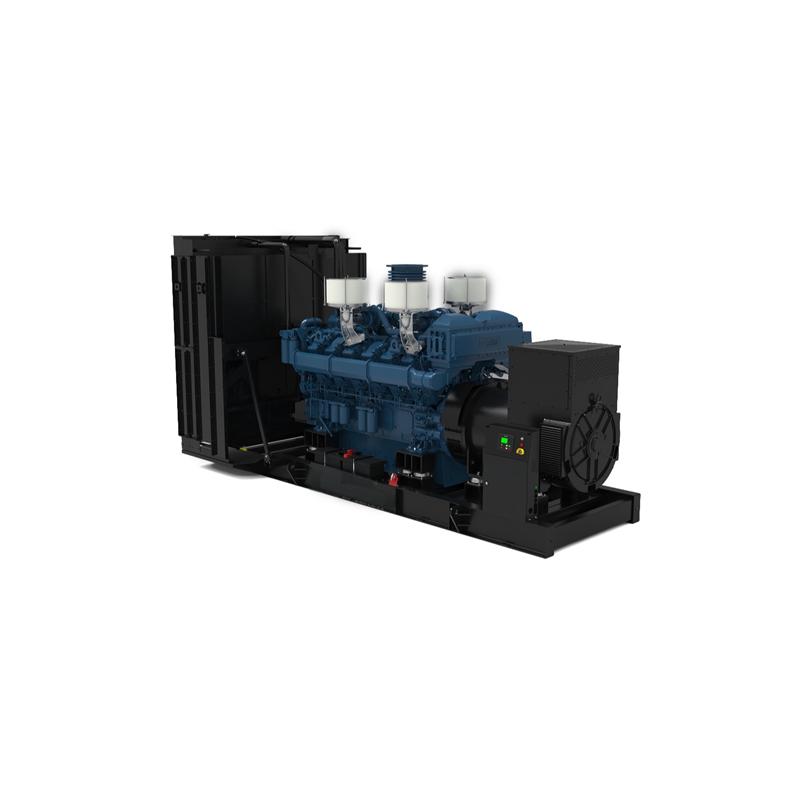
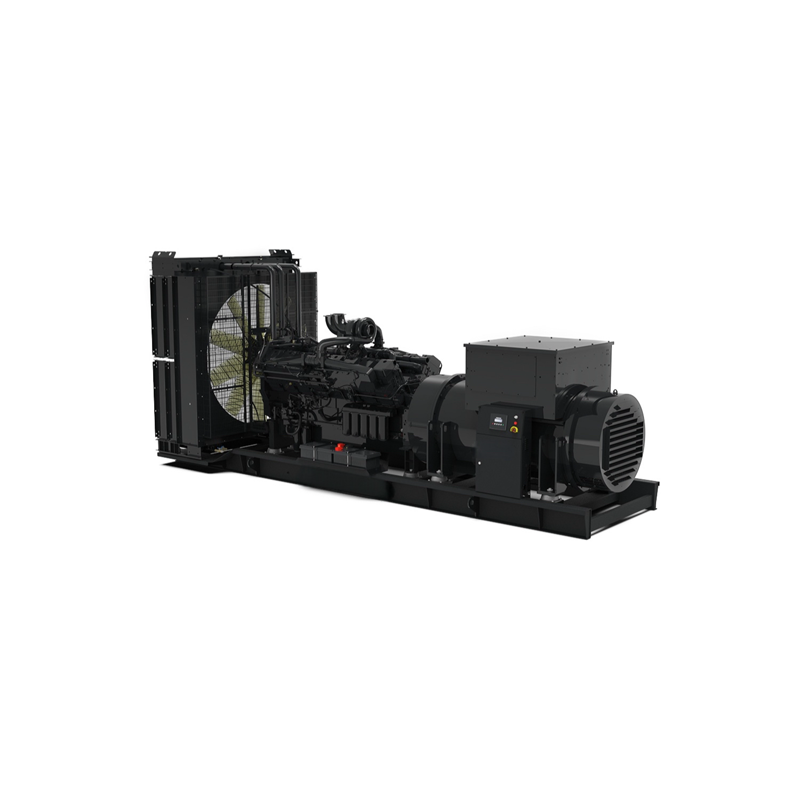
Best Sellingproducts
Best Selling Products-
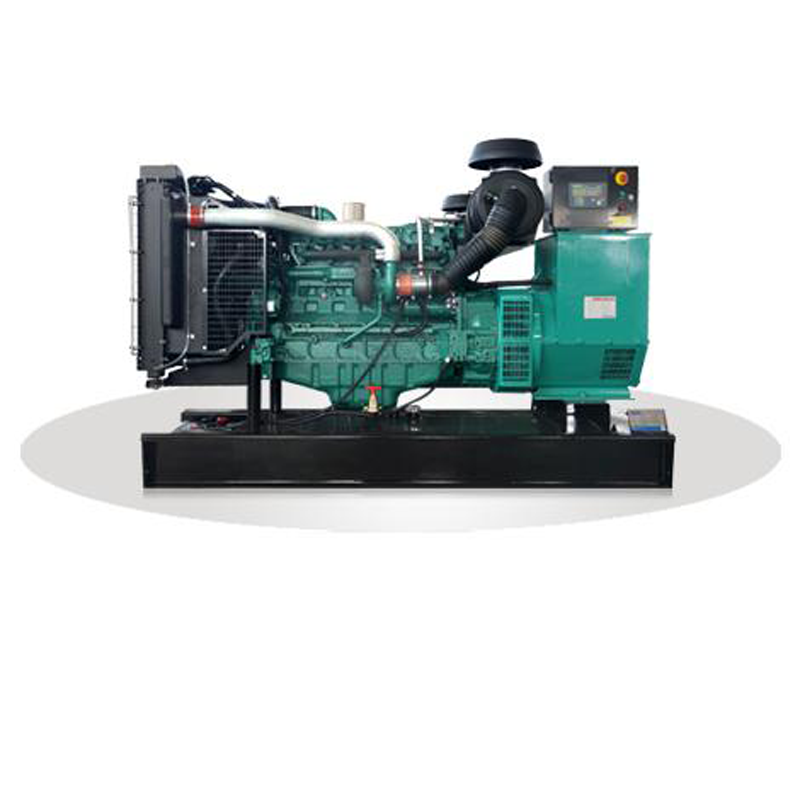 Diesel generator set VVD-VOLVO series
 -
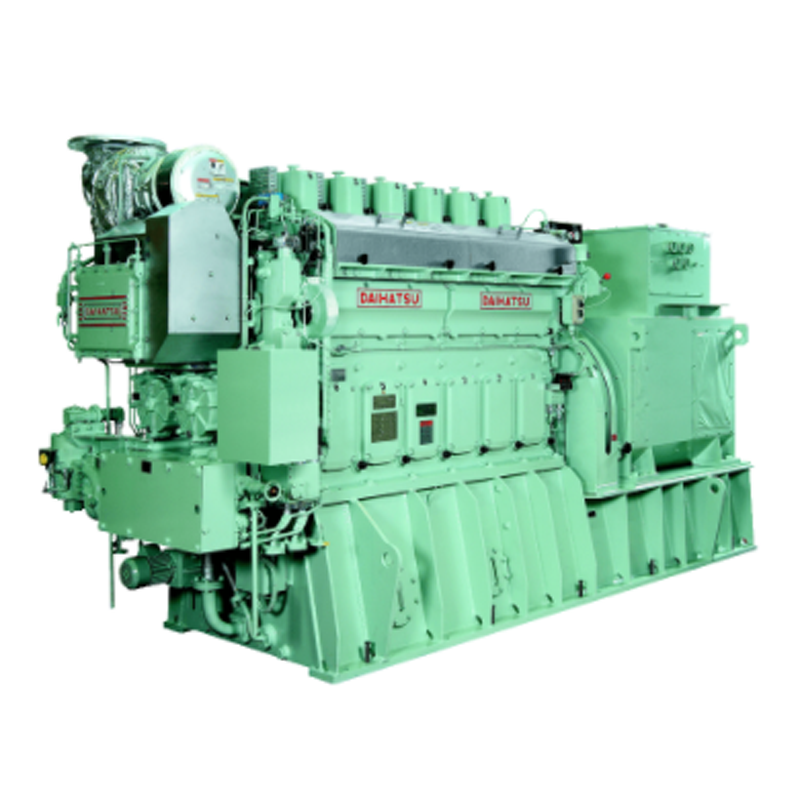 VMH-MAN Series Heavy Oil Generator Set
 -
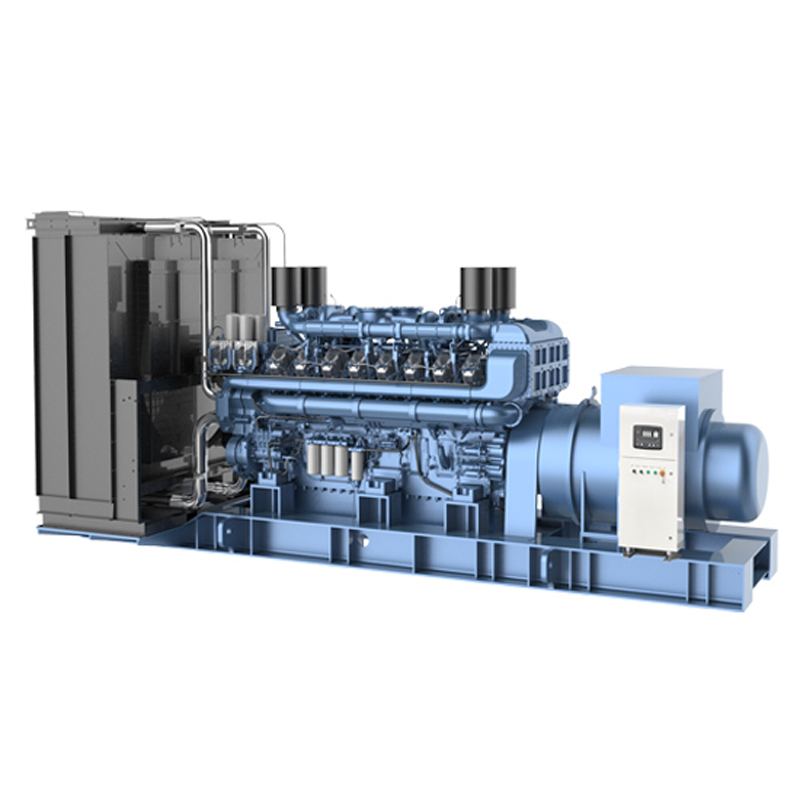 VWG-Weichai Series Natural Gas Generators
 -
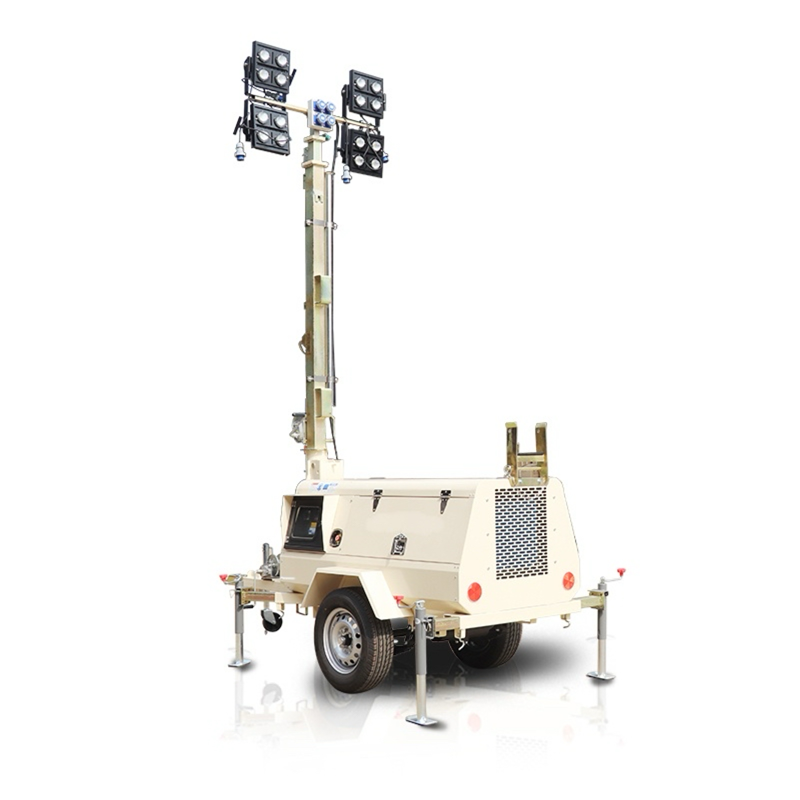 4TN Series
 -
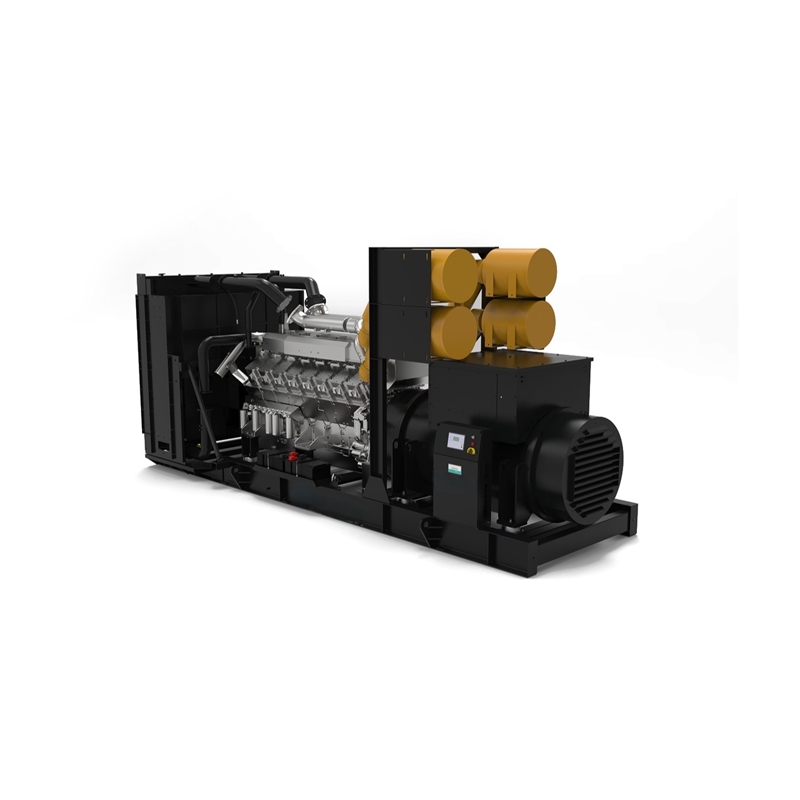 Diesel generator set VSD-SEM series
 -
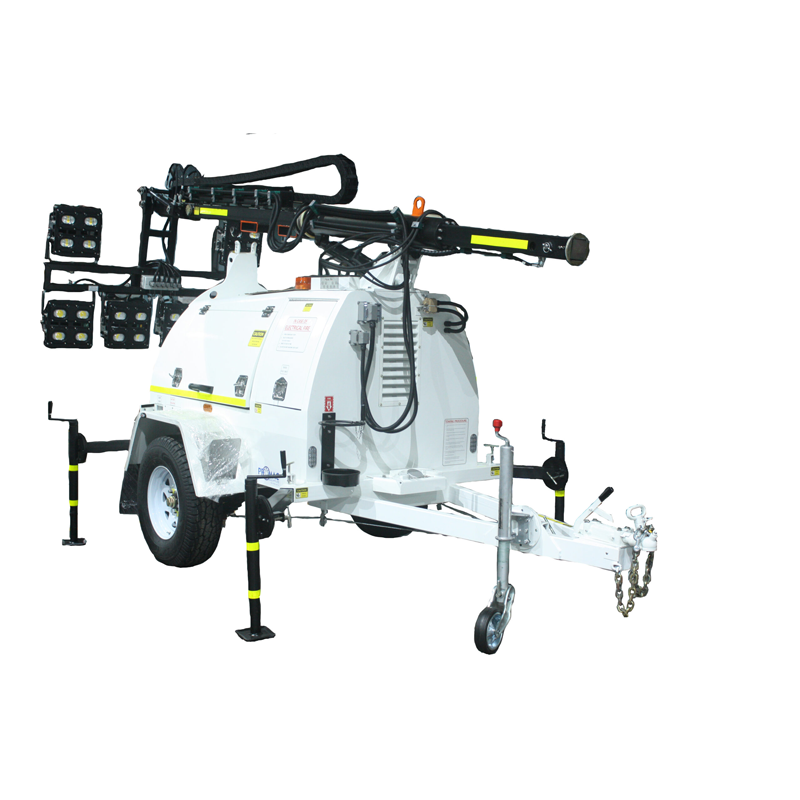 75 series for oil fields
 -
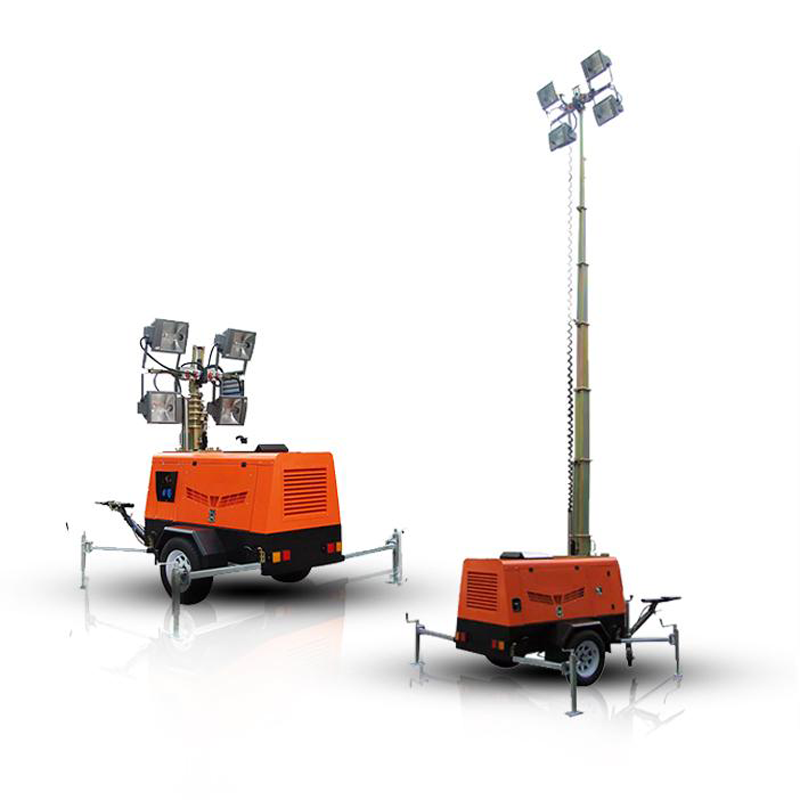 Series 4HV
 -
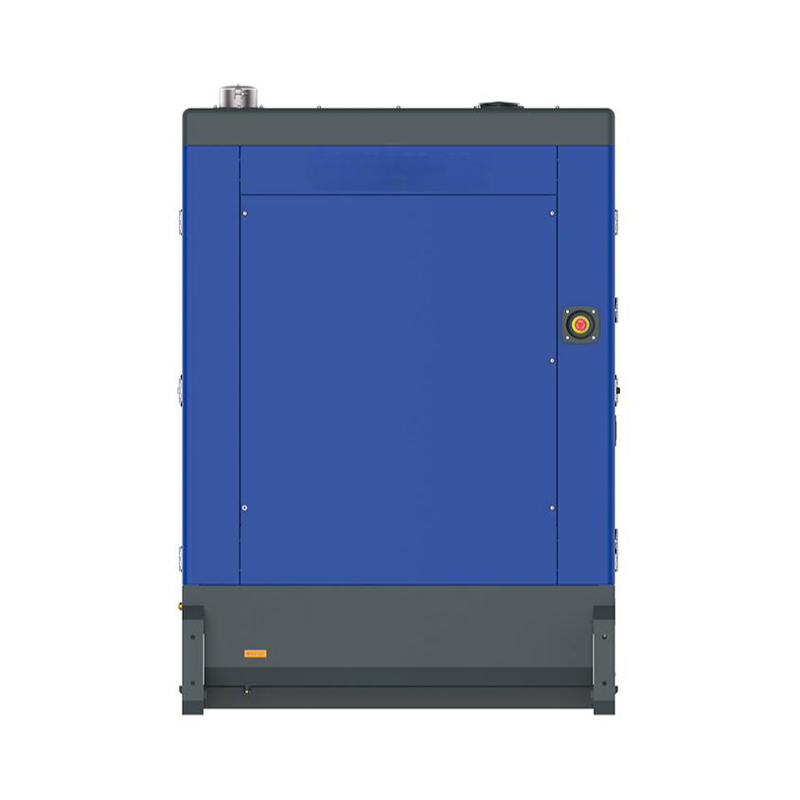 VSCD5-Cummins Series Quiet Generator Set
 -
 Solar cell type SV9
 -
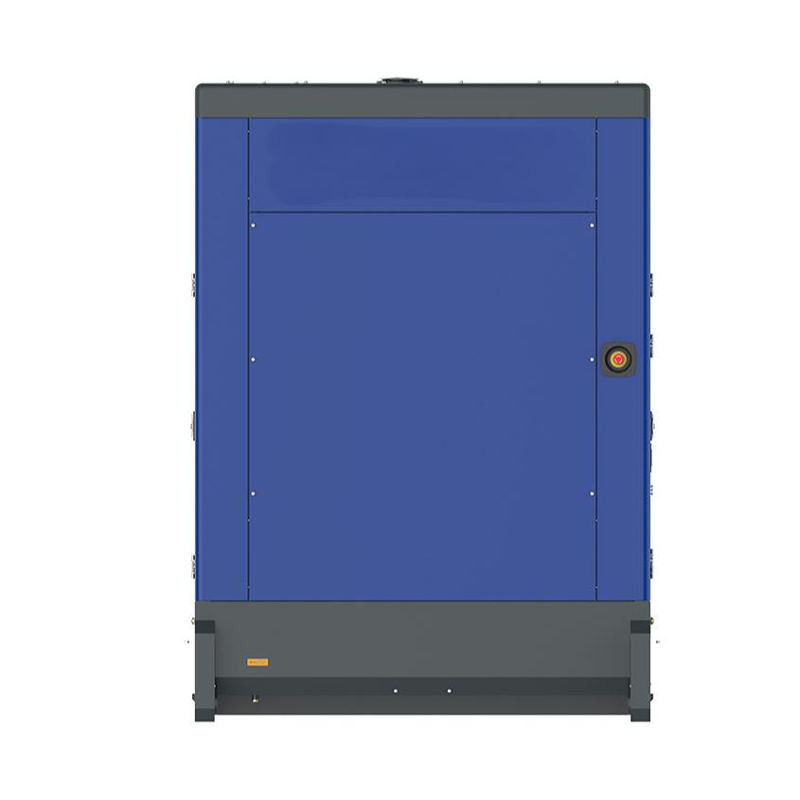 VSYD5-Yuchai Series Silent Generator Set
 -
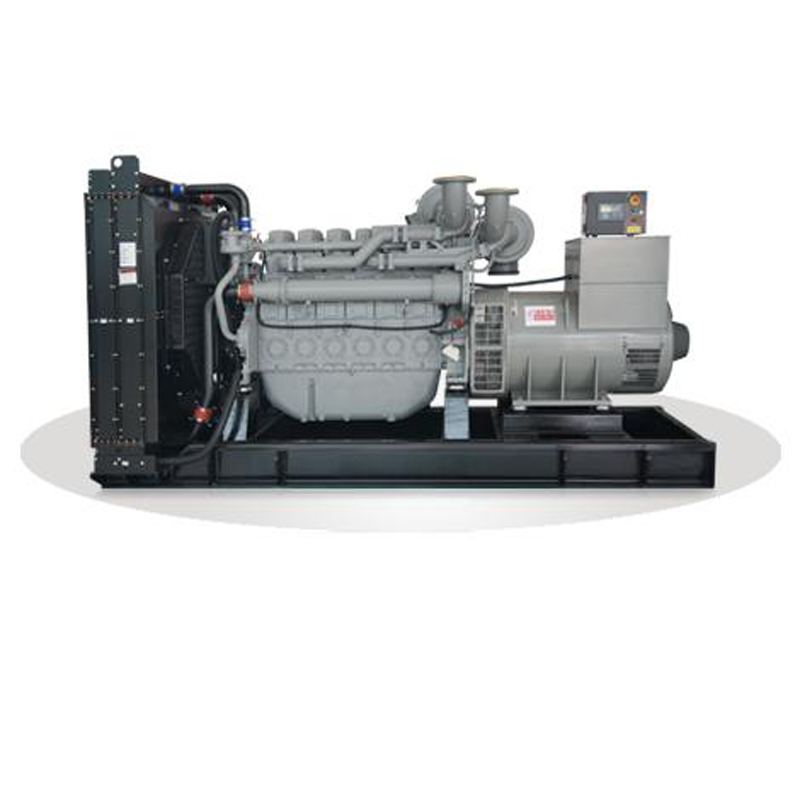 VPD-Perkins Series Diesel Generator Set
 -
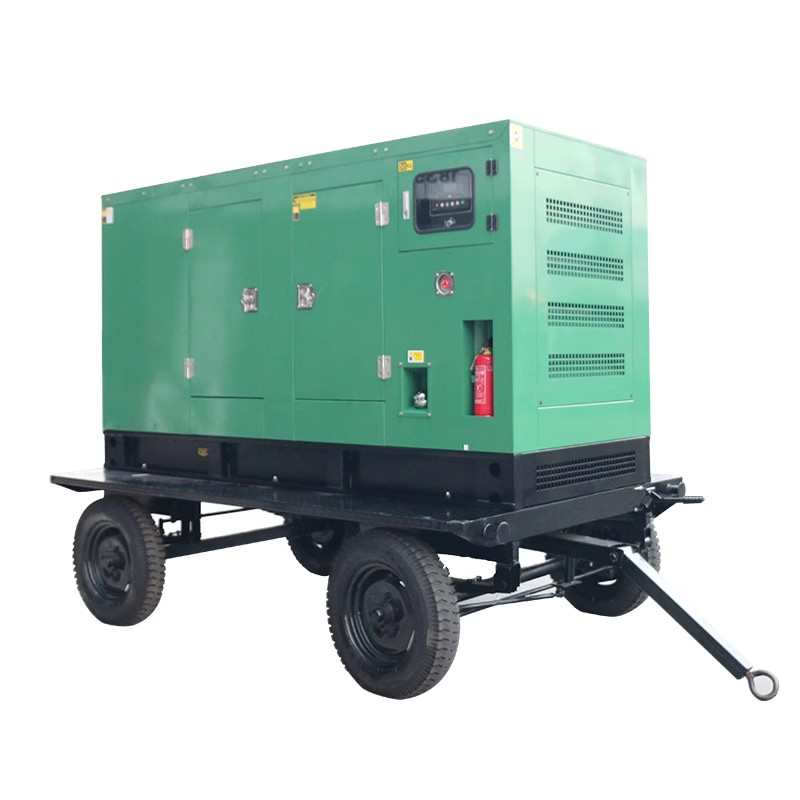 Mobile trailer
Relatedsearch
Related Search- Buy a mobile lighting pole
- Wholesale distributed power plants
- Diesel generator set in soundproof housing
- Excellent advertising for diesel generator sets
- diesel power plants 500
- OEM containerized generator set
- High quality diesel power plant
- Wholesale of YaMZ diesel power plants
- Excellent MW gas power plant
- Diesel generation KW