

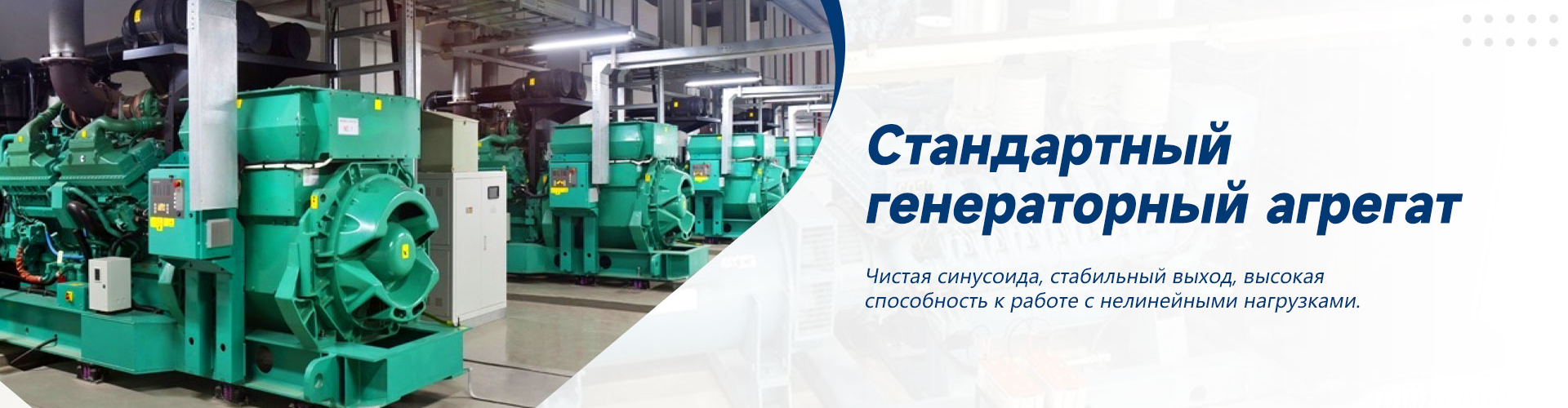
Electricity production in China
In Chinaelectricity productionis the largest in the world, providing energy to a huge economy and population. Major energy sources include coal, hydropower, renewables (solar and wind) and nuclear power. At the same time, China is actively investing in the development of renewable energy sources to reduce dependence on coal and improve the environmental situation.
Current Statuselectricity production in China
China is the world leader inelectricity production. In 2023, the total installed capacity of power plants exceeded 2.9 billion kW (data: National Energy Administration of China). The structure of the country's energy balance is undergoing changes, and the share of renewable energy sources is increasing.
Coal energy
Coal remains China's main energy source despite diversification efforts. Coal-fired power plants provide stable and reliable power generation, but are also large sources of greenhouse gas emissions and pollutants.
Hydropower
China has enormous hydropower resources. The world's largest hydroelectric power station, the Three Gorges Dam, is a prime example of the use of hydropower in the country. However, the construction of large hydroelectric power plants causes environmental problems such as flooding of areas and changes in ecosystems.
Renewable energy
China is actively investing in solar and wind energy. The country is the world leader in installed capacity of solar and wind power plants. The development of renewable energy sources is a priority in China's energy policy.
Nuclear energy
China is actively developing nuclear energy. The country is building new nuclear power plants using advanced technologies. Nuclear power is seen as a clean and reliable source of energy that can reduce dependence on coal.
Trends and prospectselectricity production in China
In the coming yearselectricity production in Chinawill develop in the following directions:
- Increasing the share of renewable energy sources.
- Reducing dependence on coal.
- Development of nuclear energy.
- Increasing energy efficiency.
- Implementation of intelligent energy systems.
Development of solar energy
China plans to significantly increase the installed capacity of solar power plants. New solar energy technologies are being developed, such as perovskite solar cells.Yuke (Shandong) Electrical Technology Co.,Ltdoffers a wide range of equipment for solar energy.
Wind energy development
China also plans to actively develop wind energy. New wind farms are being built on land and offshore. New wind energy technologies are being developed, such as high-power wind turbines.
Intelligent Energy Systems
China is actively implementing smart energy systems that improve the efficiency and reliability of energy supply. Intelligent energy systems use modern information technologies to manage energy flows and optimize the operation of power plants and networks.
Environmental impact
Electricity production in Chinahas a significant impact on the environment. Coal-fired power plants are major sources of greenhouse gas emissions and pollutants. The development of renewable energy sources helps reduce the negative impact on the environment.
Measures to reduce emissions
China is taking steps to reduce emissions from coal-fired power plants. Modern emission treatment technologies are being introduced, such as desulfurization and denitrification units. There is also a phased decommissioning of obsolete coal-fired power plants.
Development of environmentally friendly technologies
China is actively developing environmentally friendly technologieselectricity production, such as solar, wind and nuclear energy. These technologies can reduce emissions of greenhouse gases and pollutants and reduce dependence on fossil fuels.
Comparison of energy sources in China (2023)
| Energy source | Share in total volumeelectricity production | Benefits | Disadvantages |
|---|---|---|---|
| Coal | ~60% | Stability, reliability | High emissions |
| Hydropower | ~18% | Renewable, low cost | Environmental issues |
| Renewable sources (solar, wind) | ~15% | Environmentally friendly, renewable | Instability, dependence on weather conditions |
| Nuclear energy | ~7% | Low emissions, high power | Risk of accidents, waste disposal |
Source: National Energy Administration of China, 2023.
Correspondingproducts
Related Products
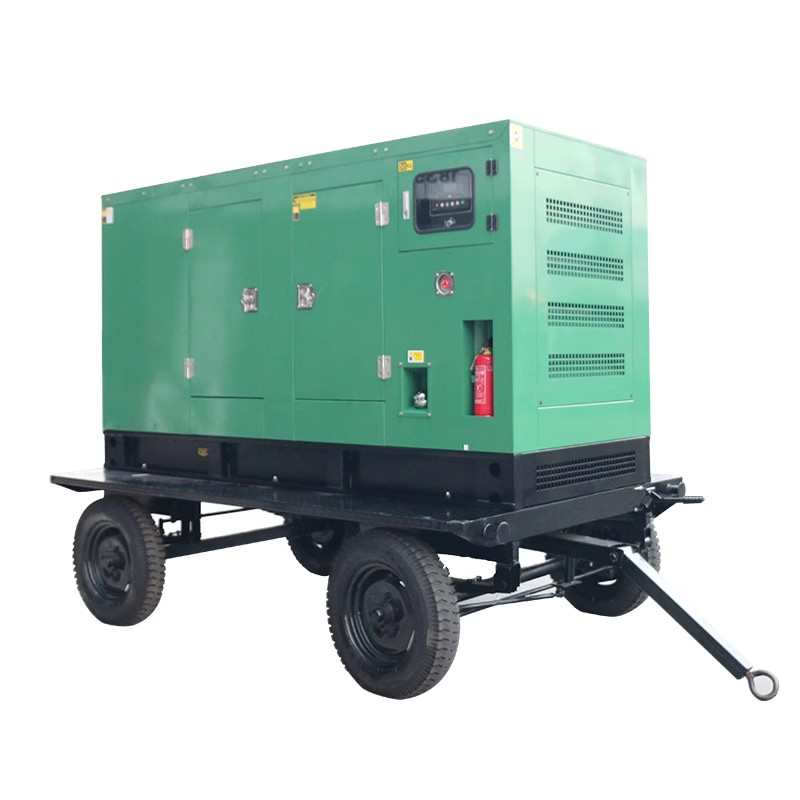
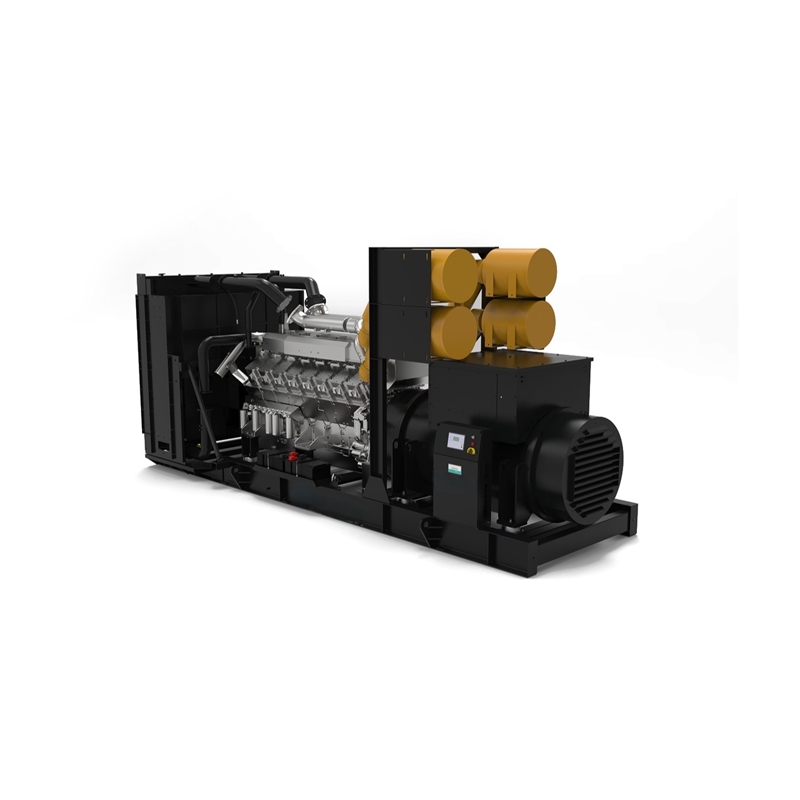
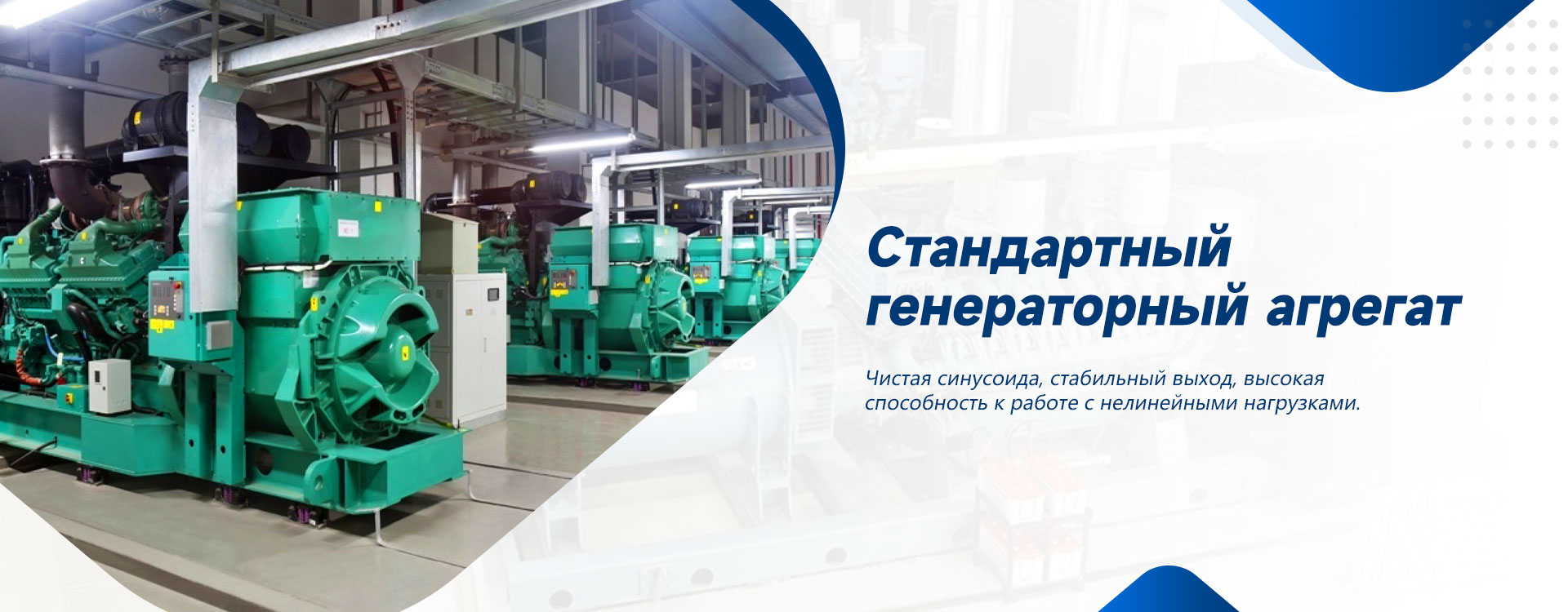
Best Sellingproducts
Best Selling Products-
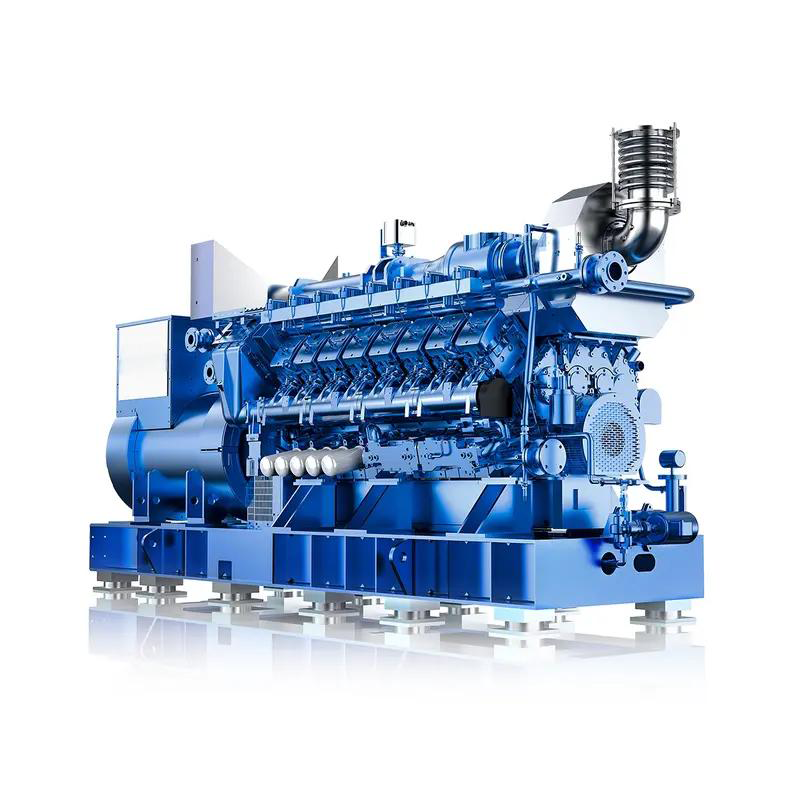 VLYG series gas generating unit
 -
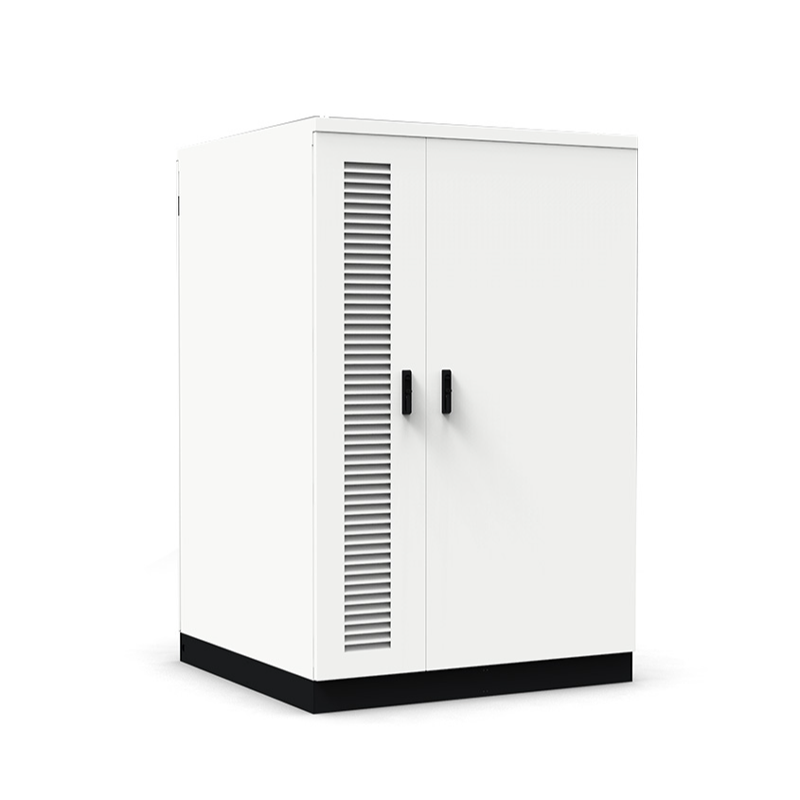 Liquid Cooled Energy Storage Cabinet
 -
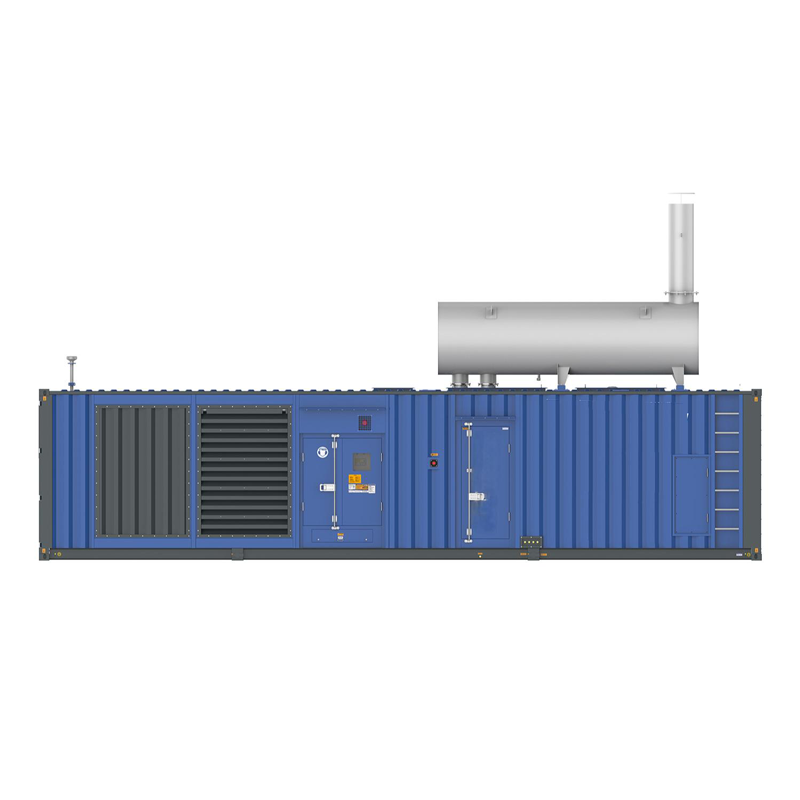 Yuchai VCYD5-S Series Container Generator Set
 -
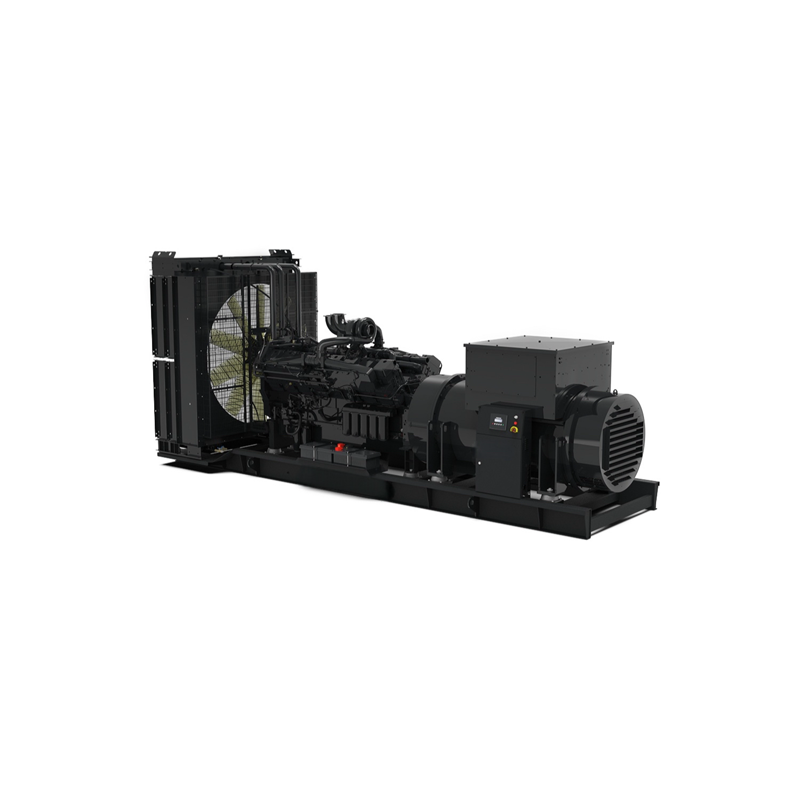 VHCD5-Cummins Series High Voltage Generator
 -
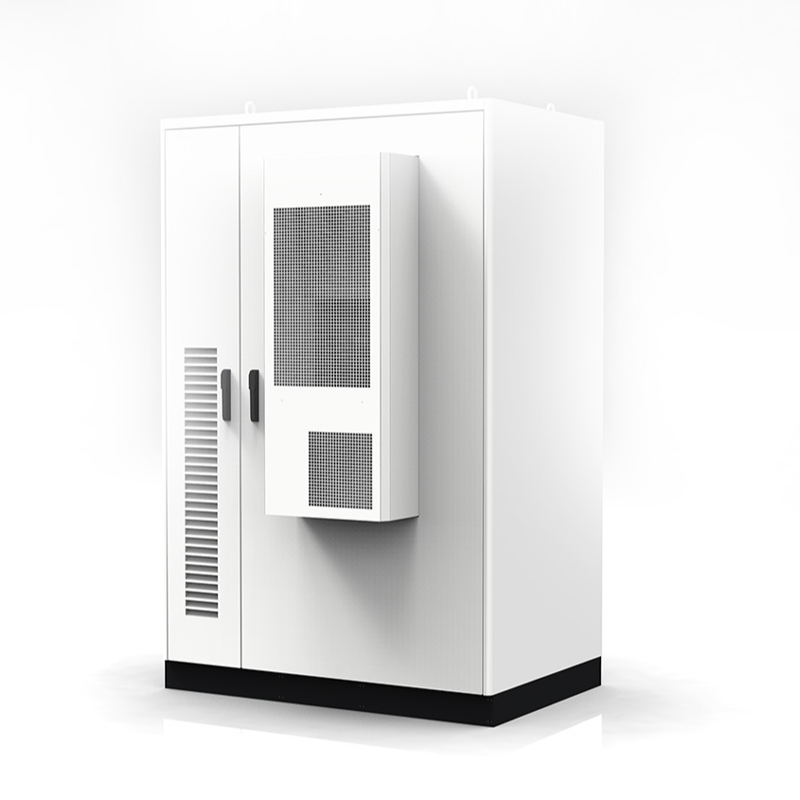 Air Cooled Energy Storage Cabinet
 -
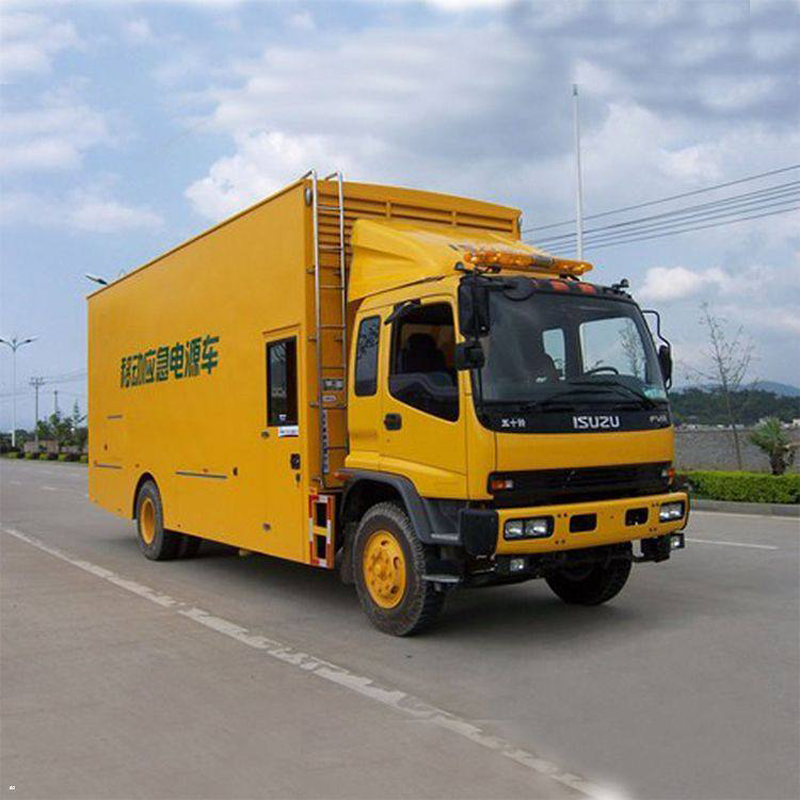 Emergency power supply vehicle
 -
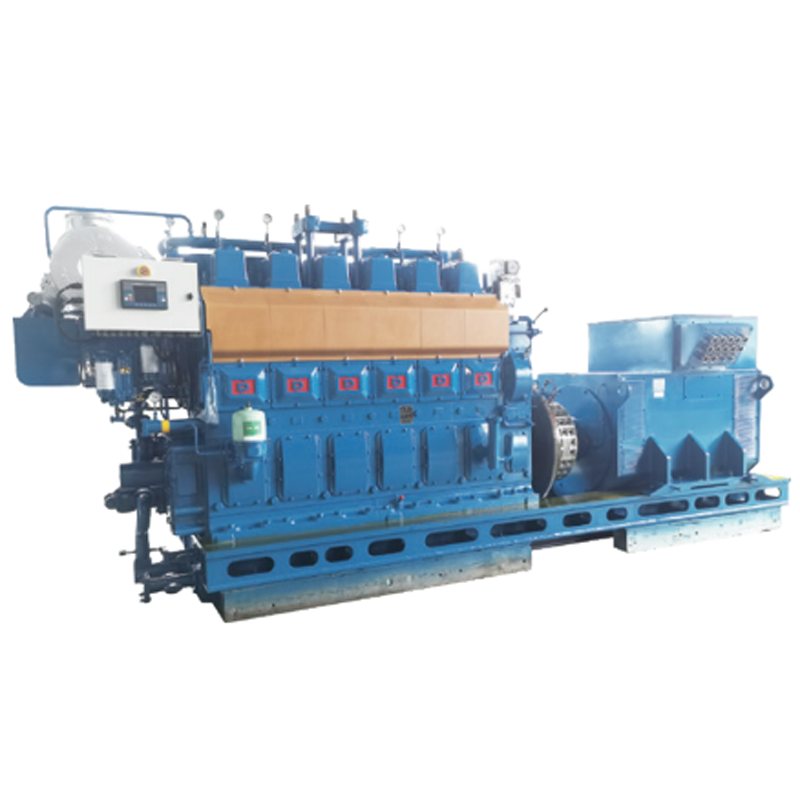 VCH5-S.C.I series heavy oil generator set.
 -
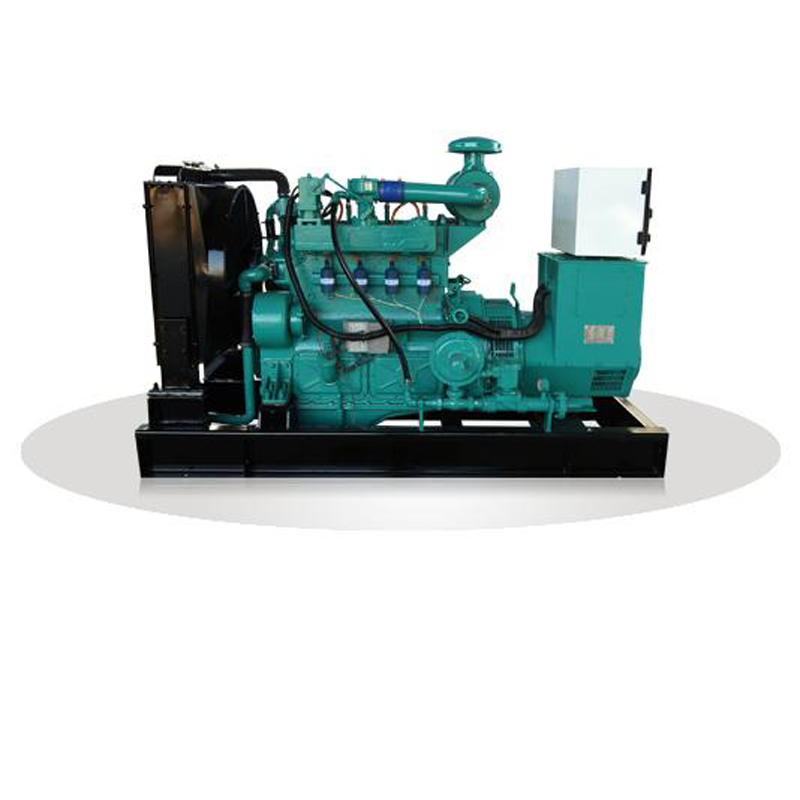 VYG Yuchai Series Natural Gas Generators
 -
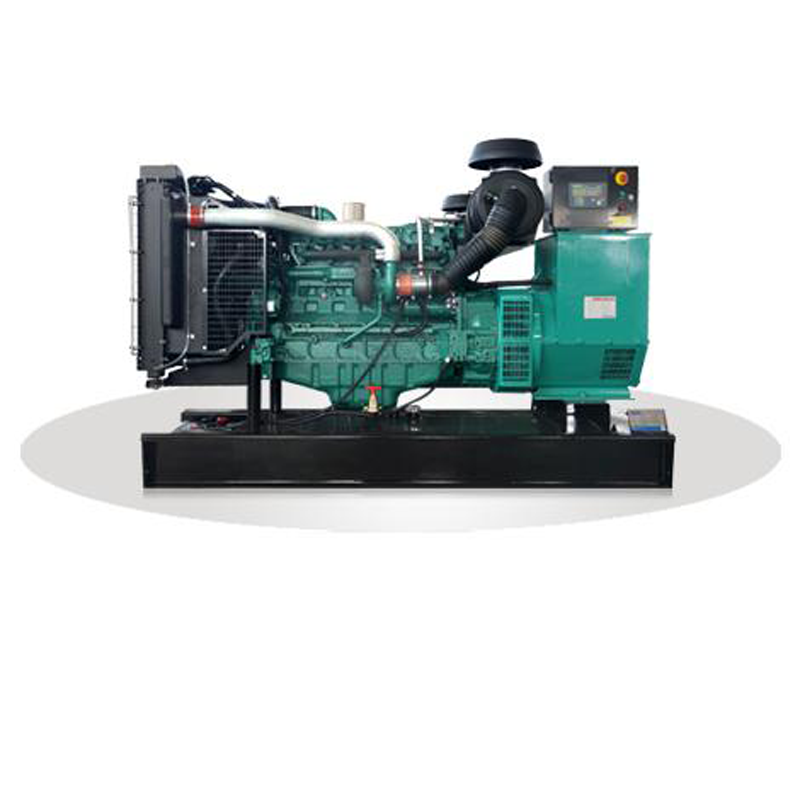 Diesel generator set VVD-VOLVO series
 -
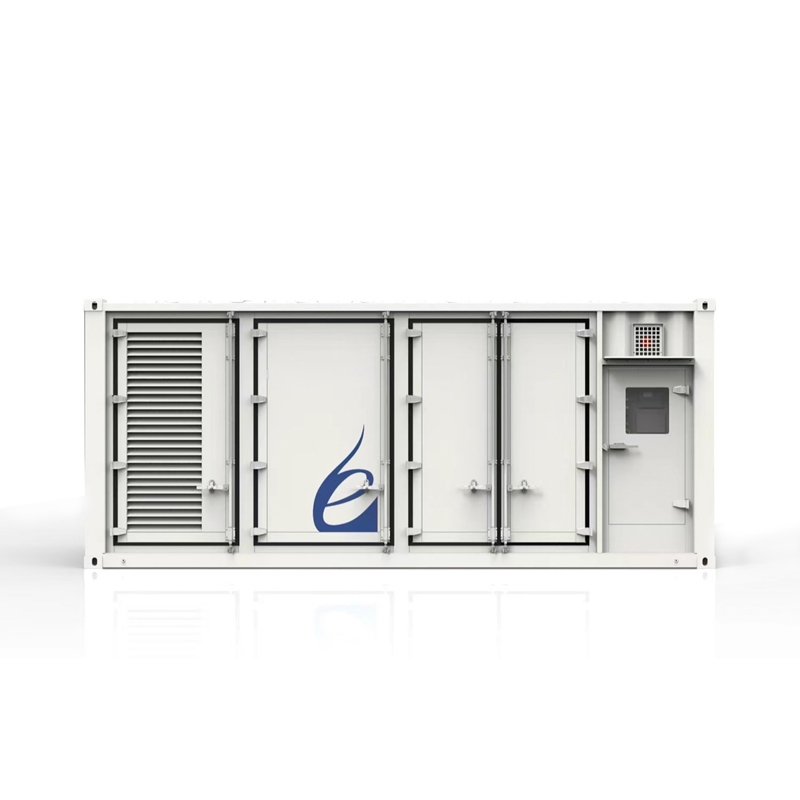 Energy storage container
 -
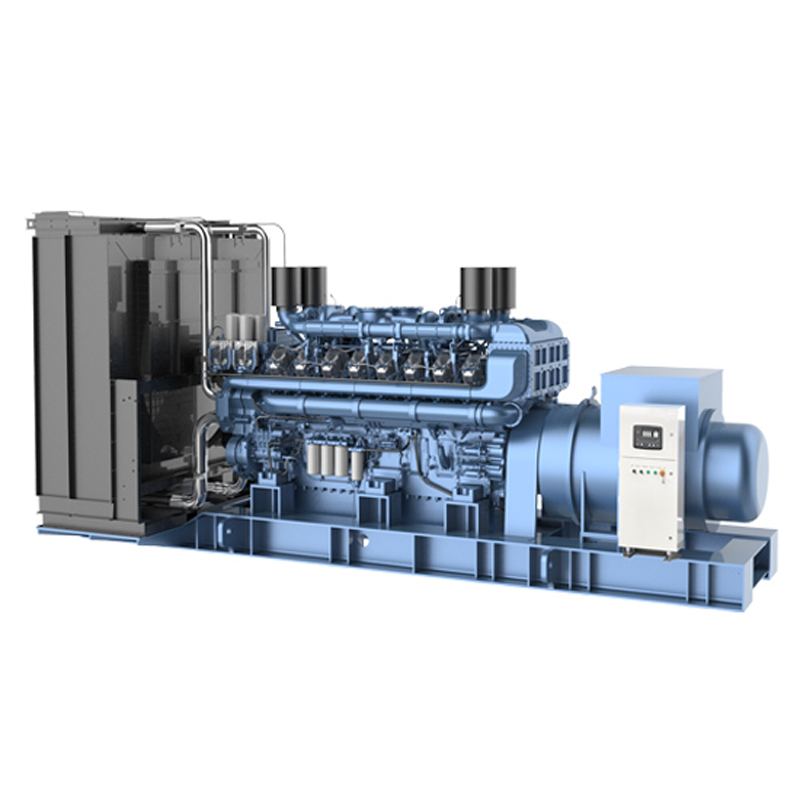 VWG-Weichai Series Natural Gas Generators
 -
 Solar cell type SV9