

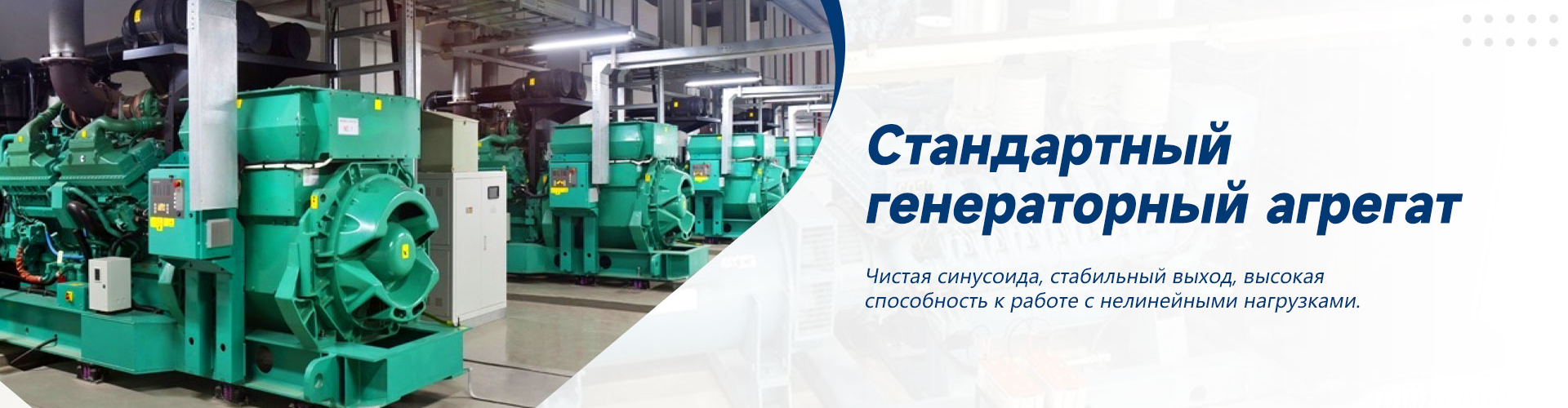
Heavy fuel power plant in China
Heavy fuel power plants in Chinaplay an important role in ensuring the country's energy security. The article discusses the various types of such stations, the technologies used, their advantages and disadvantages, as well as development prospects in the context of environmental requirements and the transition to cleaner energy sources. Issues of efficiency, economic feasibility and environmental impact are also covered.
Reviewheavy fuel power plants in China
China, being one of the largest economies in the world, has a huge demand for electricity.Heavy fuel power plantshave long been an important part of the country's energy infrastructure, providing a stable supply of electricity to industry and the population.
Typesheavy fuel power plants
There are several main typesheavy fuel power plantsused in China:
- Steam turbine power plants:The classic type uses the combustion of heavy fuel to heat water and produce steam that rotates a turbine.
- Gas turbine power plants operating on heavy fuel:A more modern type, characterized by higher efficiency, but requiring higher quality fuel.
- Combined cycle gas plants (CCGTs) using heavy fuel:They combine the advantages of gas turbine and steam turbine technologies, ensuring high efficiency.
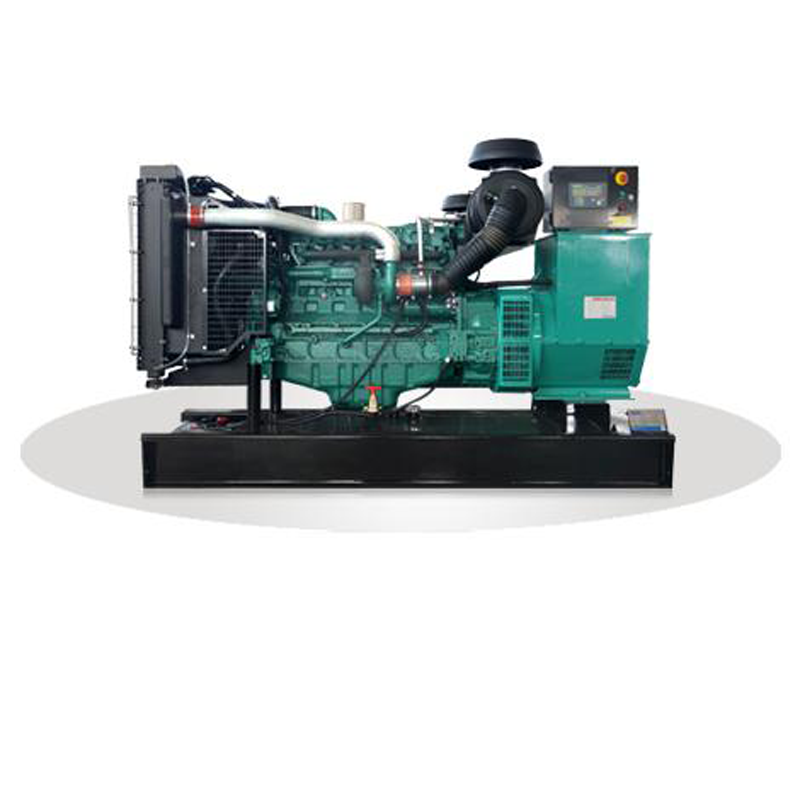
- Diesel power plants:Typically used for backup power or in remote areas.
Technologies used inheavy fuel power plants in China
To increase efficiency and reduce negative environmental impacts,heavy fuel power plants in ChinaVarious technologies are used:
- Fluidized bed combustion (FBC):Ensures more complete fuel combustion and reduced emissions of nitrogen and sulfur oxides.
- Selective catalytic reduction (SCR):Used to remove nitrogen oxides from flue gases.
- Flue gas desulfurization (FGD):Designed to remove sulfur dioxide from flue gases.
- Carbon Capture and Storage (CCS):A promising technology for reducing carbon dioxide emissions.
- Increasing the efficiency of boilers and turbines:Upgrading equipment allows you to reduce fuel consumption and increase electricity generation.
Advantages and Disadvantagesheavy fuel power plants
Heavy fuel power plantshave a number of advantages and disadvantages that must be taken into account during their operation and development:
Benefits:
- Relatively low fuel cost:Heavy fuel oil is generally cheaper than other fuels such as natural gas or diesel.
- Reliability and stability: Heavy fuel power plantscan operate in various modes and provide a stable supply of electricity.
- Possibility of using a wide range of heavy fuels:This increases flexibility and reduces dependence on specific suppliers.
- Relatively simple technology (for steam turbine power plants):This simplifies operation and maintenance.
Disadvantages:
- High pollutant emissions:Burning heavy fuels results in emissions of sulfur oxides, nitrogen oxides, particulate matter and carbon dioxide.
- Low efficiency (for steam turbine power plants):The efficiency of heavy fuel steam turbine power plants is usually lower than that of gas turbine or combined cycle power plants.
- The need for waste disposal:Ash and slag are formed which must be disposed of.
- Impact on climate change:Carbon dioxide emissions contribute to global warming.
Development prospectsheavy fuel power plants in China
In recent years, China has been actively transitioning to cleaner energy sources such as renewable energy sources (RES) and natural gas. Howeverheavy fuel power plantscontinue to play an important role in ensuring the country's energy security. In the future, they are expected to be used as reserve capacity and to balance the power grid, and to be upgraded with modern technologies to reduce emissions and improve efficiency. Yuke (Shandong) Electrical Technology Co.,Ltd (https://www.voyoko.ru/) offers modern solutions for modernization and increased efficiencyheavy fuel power plants.
Reducing emissions and increasing efficiency
The main direction of developmentheavy fuel power plants in Chinais to reduce pollutant emissions and improve efficiency. This is achieved through:
- Introduction of modern combustion technologies:The use of fluidized bed combustion and other advanced technologies can reduce emissions of nitrogen oxides and sulfur.
- Installations of flue gas purification systems:The use of SCR and FGD allows the removal of nitrogen oxides and sulfur dioxide from flue gases.
- Increasing the efficiency of boilers and turbines:Modernization of equipment and the use of more efficient technologies can reduce fuel consumption and increase electricity generation.
- Carbon capture and storage uses:CCS is a promising technology for reducing carbon emissions, but requires significant investment.
Role in China's energy balance
Despite the active development of renewable energy sources,heavy fuel power plantswill continue to play an important role in China's energy mix. They will be used for:
- Ensuring a stable supply of electricity: Heavy fuel power plantscan operate in various modes and ensure a stable supply of electricity even with fluctuations in the production of renewable energy sources.
- Energy system balancing:They can quickly respond to changes in electricity demand and compensate for fluctuations in renewable energy generation.
- Backup power: Heavy fuel power plantscan be used as reserve capacity in case of accidents or other emergencies.
Economic feasibilityheavy fuel power plants
Economic feasibilityheavy fuel power plantsdepends on a number of factors, such as fuel costs, capital costs for construction and modernization, operation and maintenance costs, and environmental requirements.
In the context of rising prices for natural gas and increasing environmental requirements, modernization of existingheavy fuel power plantsusing modern technologies, it can be an economically feasible alternative to the construction of new power plants using gas or renewable energy sources.
Let's consider the approximate economic indicators for a 100 MW power plant using heavy fuel:
| Indicator | Meaning | Unit of measurement |
|---|---|---|
| Capital costs | 80-120 | million US dollars |
| Fuel cost | 50-70 | dollars/ton |
| Operating and Maintenance Costs | 5-10 | million US dollars per year |
| Efficiency | 35-45 | % |
Data is approximate and may vary depending on specific conditions.
Environmental impact and environmental requirements
Heavy fuel power plantshave a negative impact on the environment, in particular on air quality and climate change. In this regard, China has strict environmental requirements forheavy fuel power plants.
Basic environmental requirements:
- Limitation of pollutant emissions:Maximum permissible concentrations (MACs) have been established for emissions of oxides of sulfur, nitrogen, particulate matter and other pollutants.
- Requirements for waste disposal:Ash and slag must be disposed of in an environmentally friendly manner.
- Emission monitoring: Heavy fuel power plantsare required to continuously monitor emissions and submit reports to regulatory authorities.
- Implementation of the best available technologies (BAT): Heavy fuel power plantsmust implement BAT to reduce emissions and improve efficiency.
Compliance with environmental requirements is a prerequisite for operationheavy fuel power plants in China. Failure to comply can result in fines, suspension of operations, or even closure of the power plant.
Conclusion
Heavy fuel power plants in Chinacontinue to play an important role in ensuring the country's energy security, despite the active development of renewable energy sources. In the future, they are expected to be upgraded with modern technologies to reduce emissions and improve efficiency, as well as be used as reserve capacity and to balance the power grid. Yuke (Shandong) Electrical Technology Co.,Ltd (https://www.voyoko.ru/) offers a wide range of solutions for modernization and increased efficiencyheavy fuel power plants, meeting modern environmental requirements.
Sources:
- National Energy Administration of China
- Ministry of Ecology and Environment of China
- International Energy Agency (IEA)
- Yuke (Shandong) Electrical Technology Co.,Ltd (https://www.voyoko.ru/)
Correspondingproducts
Related Products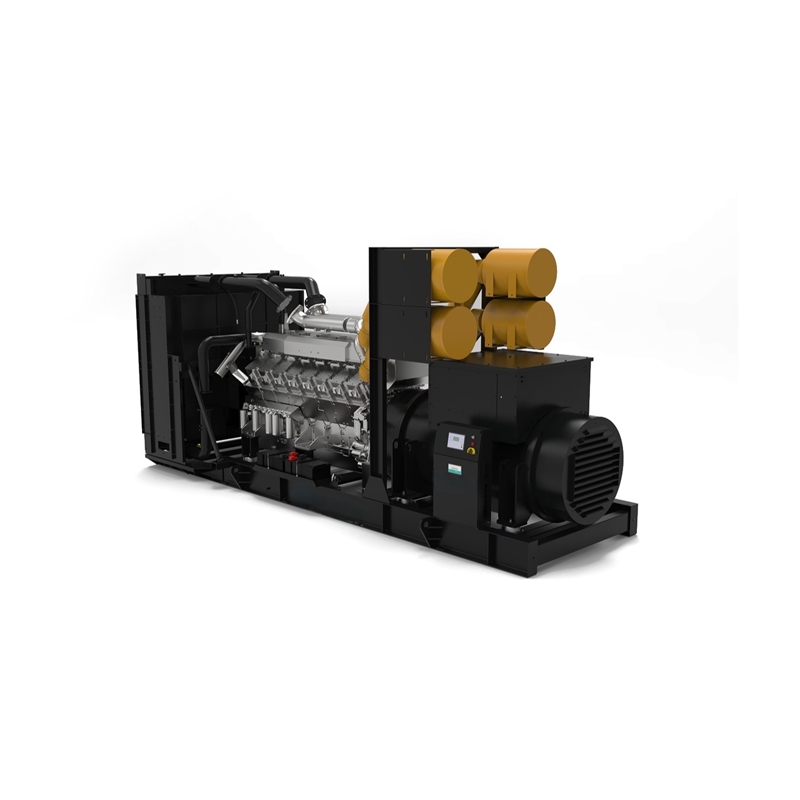
Best Sellingproducts
Best Selling Products-
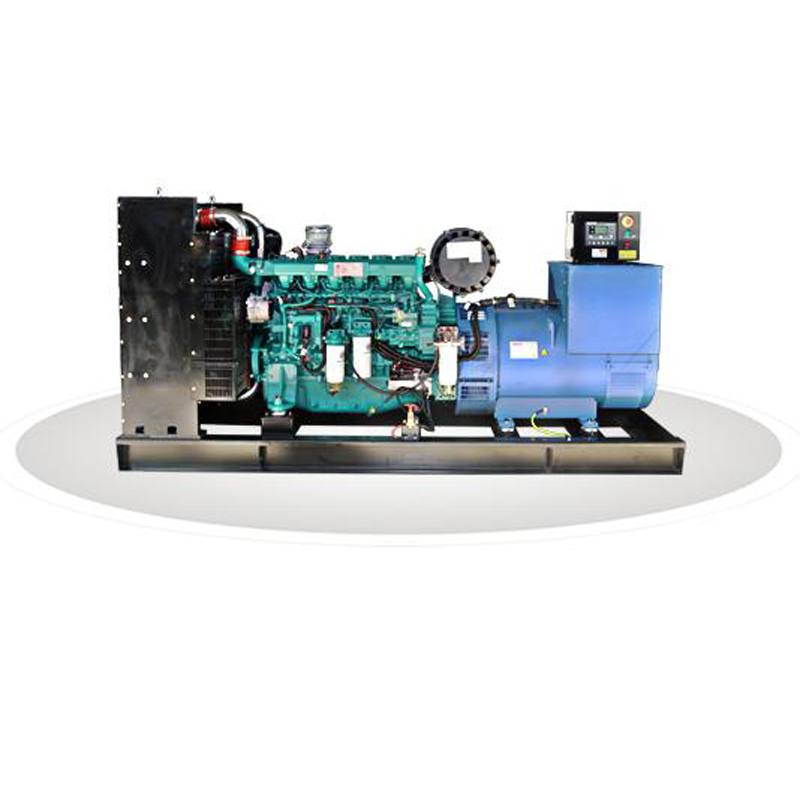 VBD-Baudouin series diesel generator set
 -
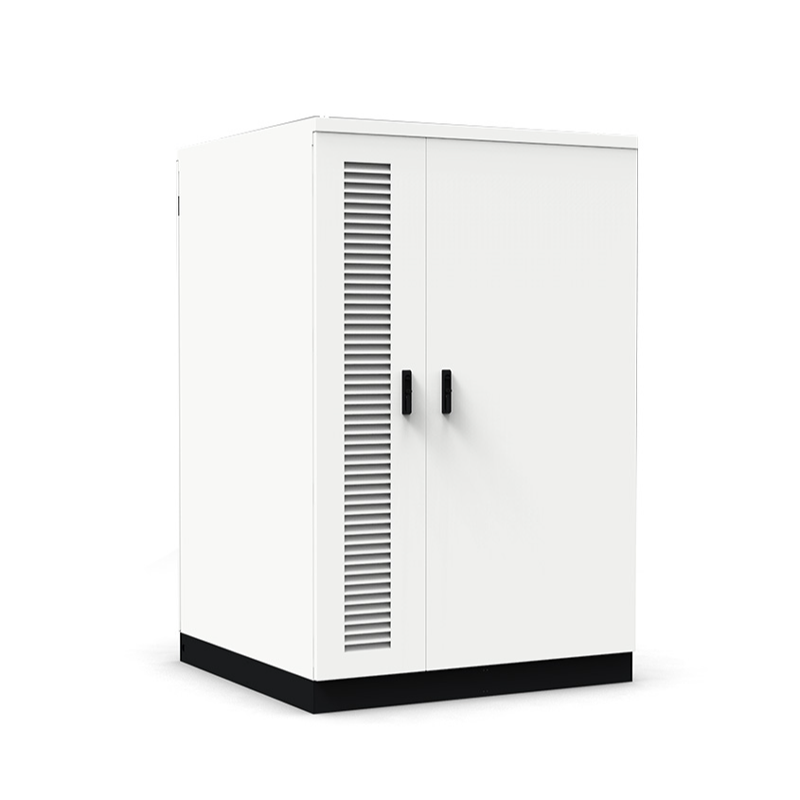 Liquid Cooled Energy Storage Cabinet
 -
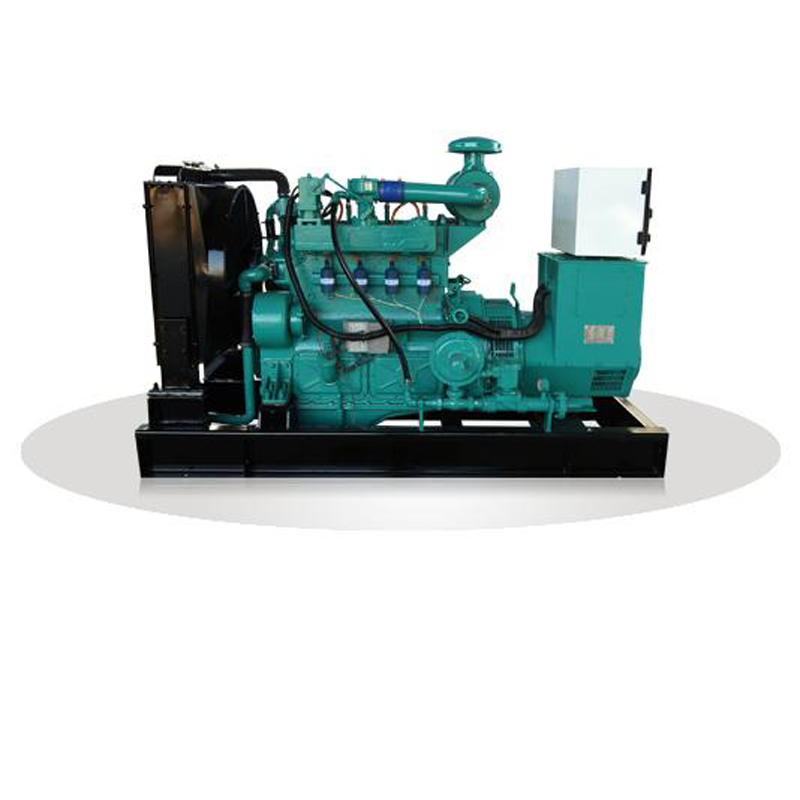 VYG Yuchai Series Natural Gas Generators
 -
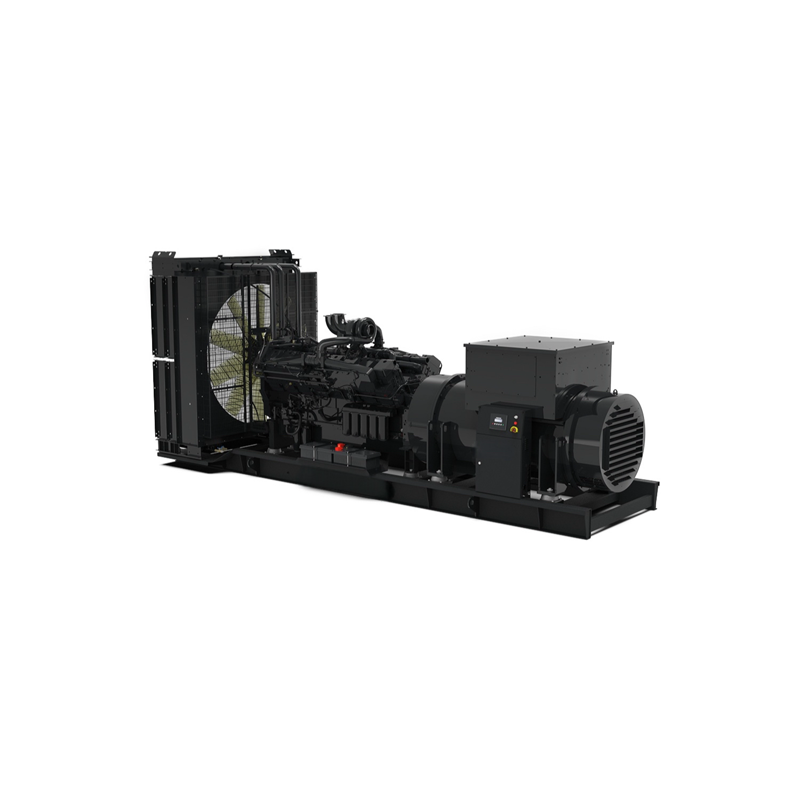 VHCD5-Cummins Series High Voltage Generator
 -
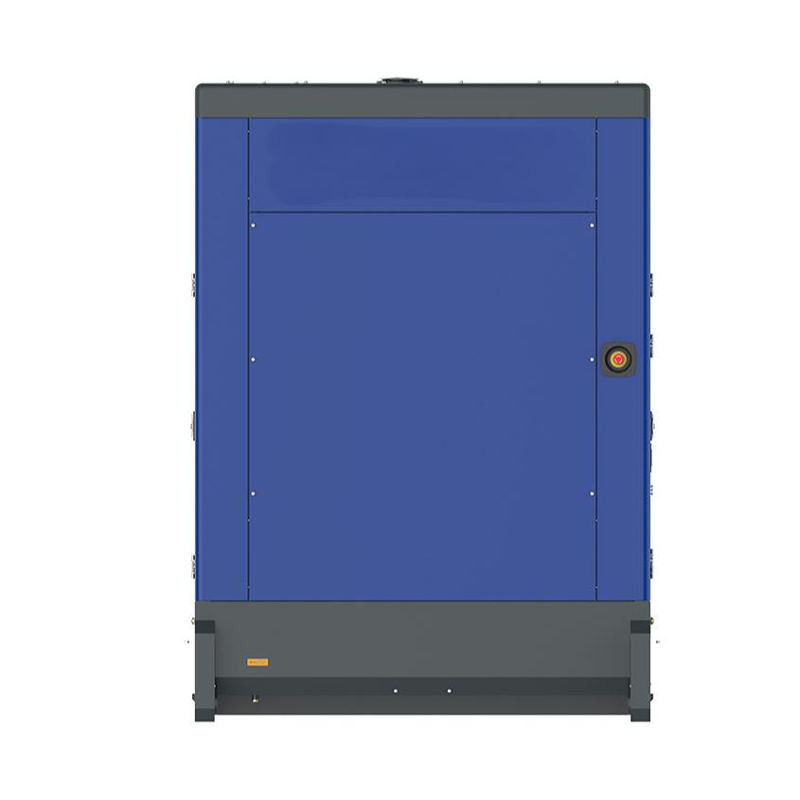 VSYD5-Yuchai Series Silent Generator Set
 -
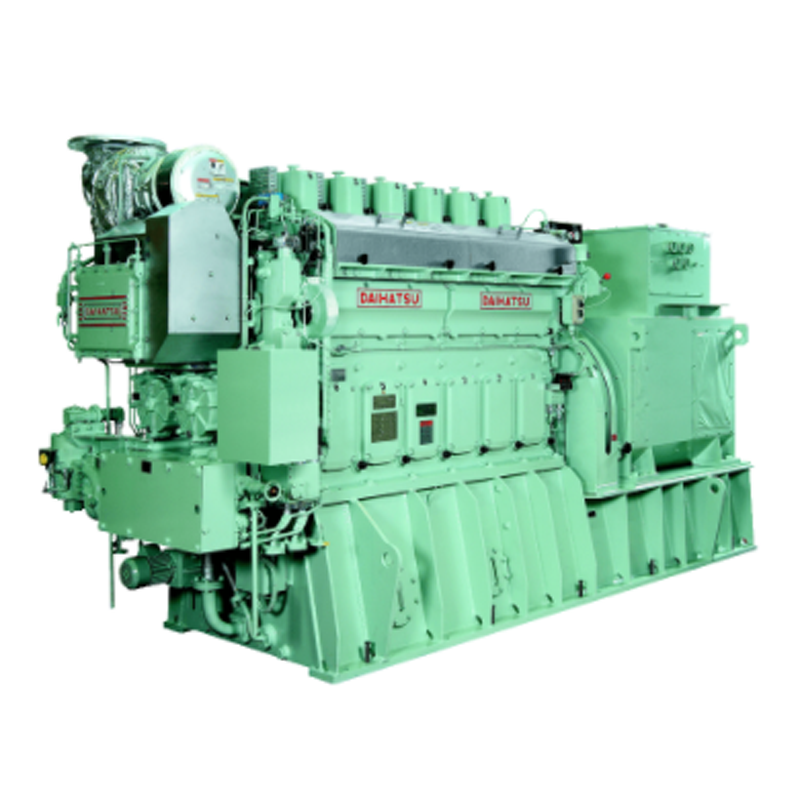 VMH-MAN Series Heavy Oil Generator Set
 -
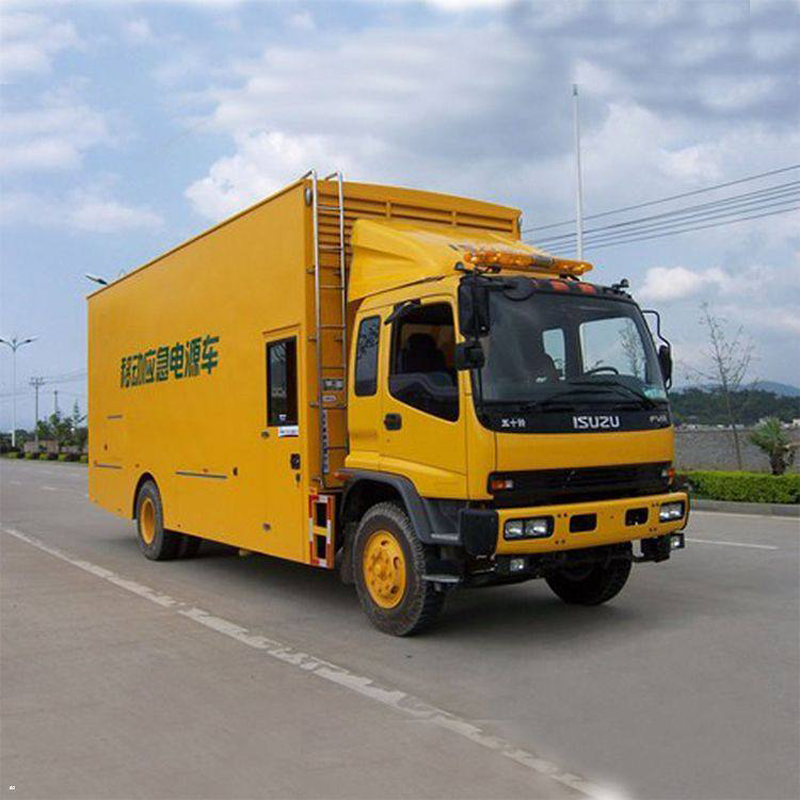 Emergency power supply vehicle
 -
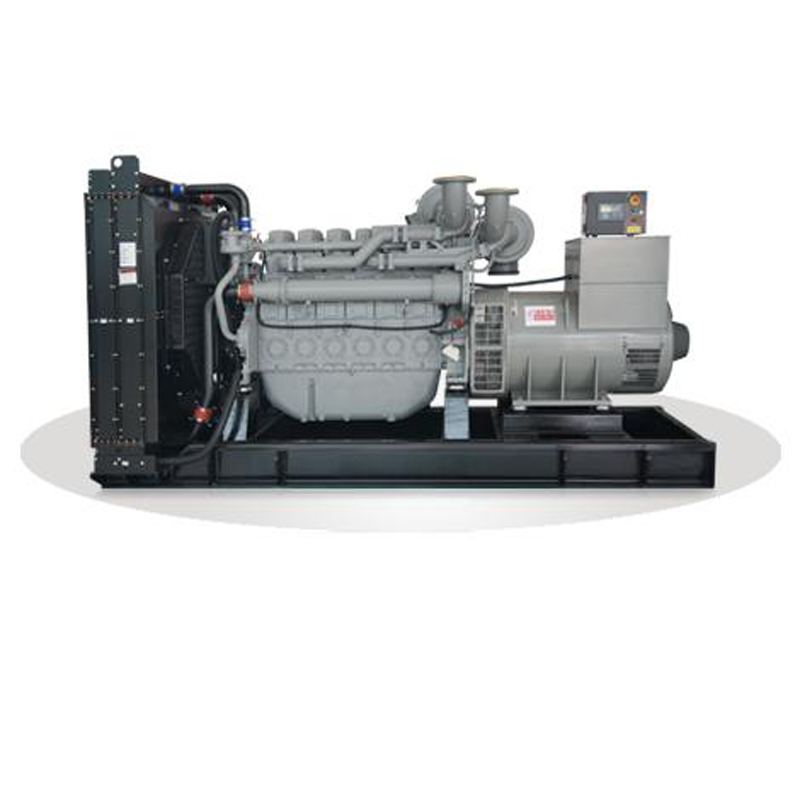 VPD-Perkins Series Diesel Generator Set
 -
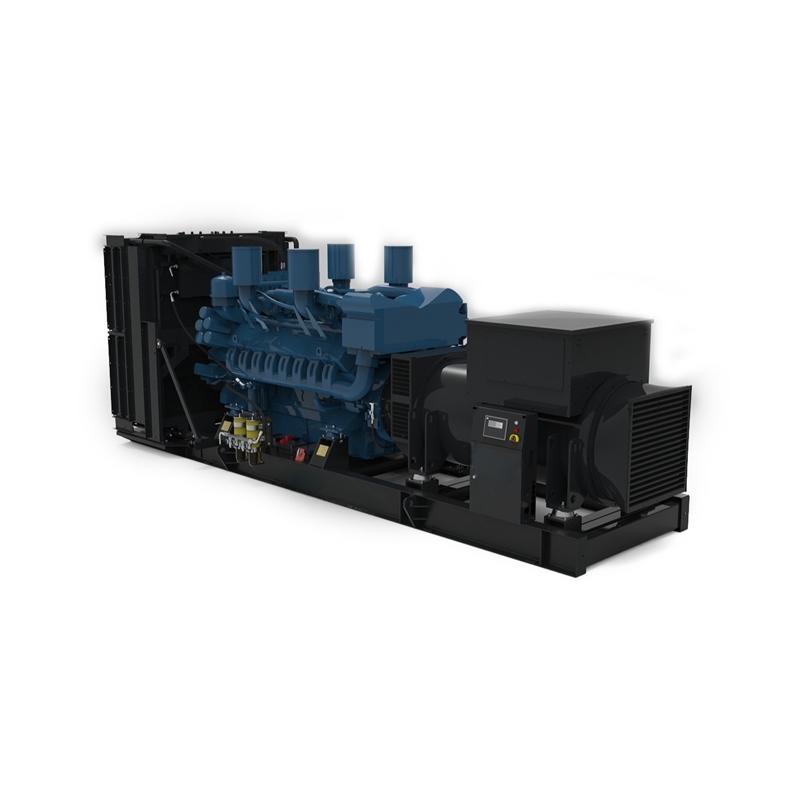 VHMD5-MTU Series High Voltage Generator
 -
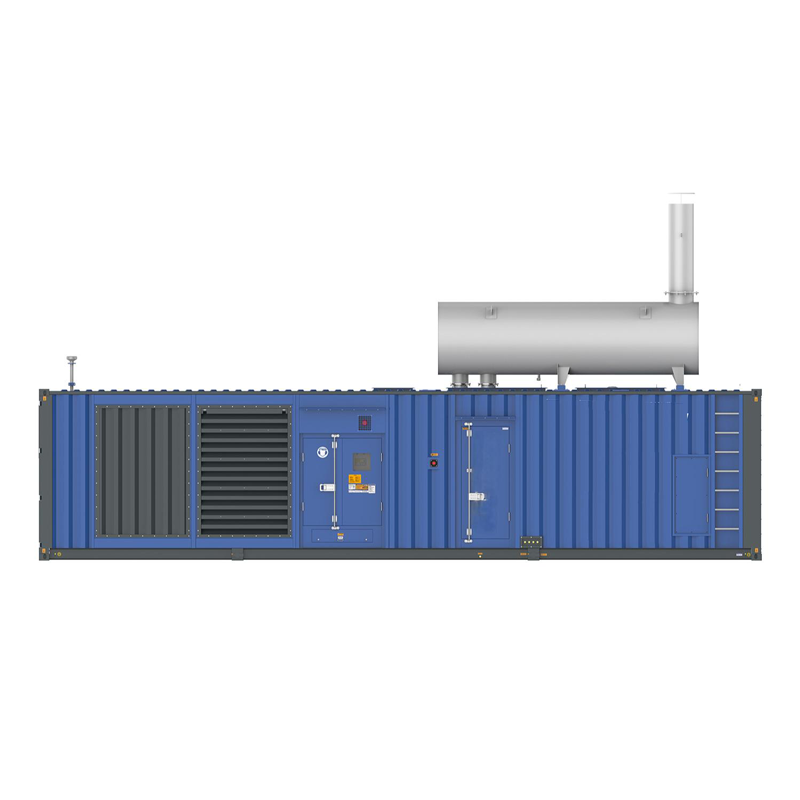 Yuchai VCYD5-S Series Container Generator Set
 -
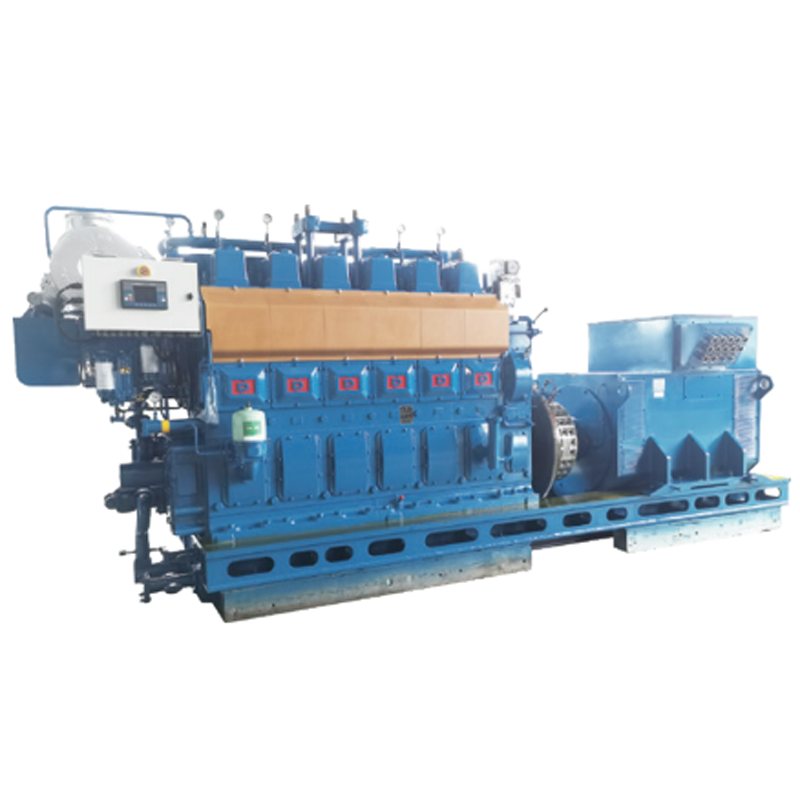 VCH5-S.C.I series heavy oil generator set.
 -
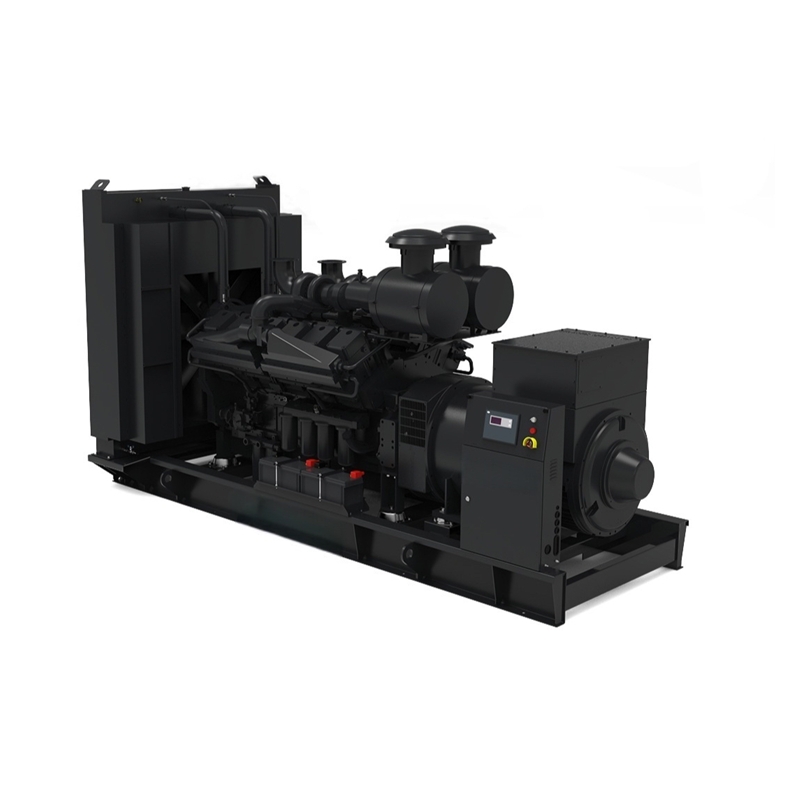 VCD-Cummins Series Diesel Generator Set
Relatedsearch
Related Search- Natural gas power plants
- diesel generator sets price
- Excellent power generation with diesel fuel 60
- Distributed power plant
- Cheap Diesel Generator Set with Soundproof Enclosure
- Buy a heavy fuel power plant
- Types of Cheap Diesel Generator Sets
- fg wilson generator set
- OEM gas generator set
- Wholesale containerized generator set