

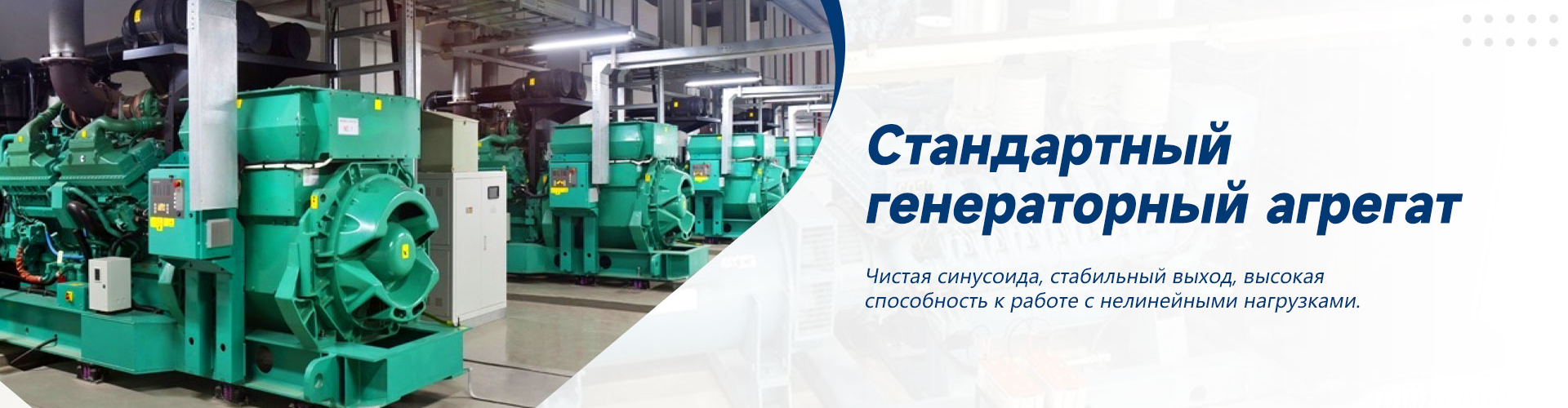
Cheap diesel generator container: who are the main buyers?
2026-02-10
When you hear a cheap diesel generator container, the first thing that comes to mind is probably small construction crews or remote summer residents. But the reality, in my experience, is much more complex and interesting. Many people mistakenly believe that the main demand is formed by price, and everyone is chasing the lowest price tag. This is a dangerous oversimplification. Yes, wordcheapattracts attention, but those who actually buy such solutions - be it a standard 20-foot container with a diesel generator installed inside or a pre-fabricated module - they look at a combination of factors. Often, a low price is just the entry point into a conversation, after which the most important questions begin regarding the filling, adaptation and, critically, long-term logistics of operation. I’ll try to break it down into categories based on what requests I personally encountered.
Who are these people and organizations behind the request for cheap?
I’ll start with the most obvious segment - small and medium-sized businesses whose activities are temporary or mobile. It's not just builders. I've seen people like thisDGU containerpurchased to provide energy to field laboratories of geological exploration parties. They needed not just a box with an engine, but an installation that was resistant to temperature changes and off-road transportation. The price was important because the project budget is limited, but the key question was: What will happen to this installation after the completion of the work season? It is difficult to sell it, which means it must either pay for itself in one cycle, or be as versatile as possible for the next project.
Representatives of the agricultural sector are a different story, especially in regions with a weak network. Here the request for cheap often goes hand in hand with the demand for ease of maintenance. The buyer may not have a full-time electrician, so maximum factory readiness and clear instructions are important. I remember a case when a farmer bought a container power plant for a grain dryer. I saved on the initial investment, but then ran into problems due to an incorrectly selected ventilation system - the container overheated. This is a classic mistake: chasing the price of the unit, forgetting about the cost of properly arranging the installation site.
And, of course, municipal and utility services cannot be discounted. For them, cheap is often a synonym for a dedicated tender. But buying them is always a compromise between budget and requirements for reliability and documentation. They need certificates, clear specifications, the ability to fit into existing backup power schemes for boiler houses and pumping stations. Here, the cheapness may be imaginary if the supplier cannot provide a complete package of documents for acceptance.
Where are the pitfalls of a cheap offer?
The main stumbling block is, oddly enough, not the generator itself. Everything is more or less clear with it: there are well-known brands of engines and alternators, and there are their budget analogues. It raises much more questionscontainer. Its design, metal thickness, quality of welding, painting, noise reduction and ventilation system. Often in budget options they save money on this: they install thin metal, a simple hood, and cheap paint. As a result, after a couple of years of operation in a harsh climate, corrosion begins, problems with heat dissipation, and the noise level increases.
Another nuance is the degree of factory readiness. A truly cheap option may only involve installing a diesel generator set inside an empty container. And all the equipment - fuel tanks, control systems, ATS (automatic transfer of reserve) - must be purchased and installed separately by the customer. This seems like savings, but in reality it results in additional costs, deadlines and headaches with finding contractors and coordinating work. It turns out that savings on the price of equipment are eaten up by overhead costs.
I personally came across a situation where a client who bought such a semi-finished product ended up spending almost the same amount on modifications as an initially ready-made complex from a reliable integrator would have cost. And this does not take into account the time and nerves spent. Therefore, now, when they come to me with a request for the most inexpensive thing, I always try to find out: what is included in this inexpensive price, and what will have to be completed on my own?
Case Study: How Demand Works in a Specific Market
Let's take, for example, the market of mining regions. There are often service companies operating there that provide temporary power services for drilling rigs or temporary camps. For themDGU containeris a product that must make a profit. Their criteria: minimum cost of ownership (purchase price + operation + repairs over the entire service life), mobility and maintainability in the field. Cheap for them is not a low starting price, but low unit costs per kilowatt-hour for the entire rental period of the facility.
They are willing to pay more for a high-quality container with reinforced equipment fastening points, a well-thought-out system of cable inputs/outputs, and space for storing spare parts. Because every breakdown in a remote location means huge losses due to the downtime of expensive equipment. I know companies that work with integrators who can offer custom solutions. For example,Yuke (Shandong) Electrical Technology Co.,Ltd(Yuke Electric), which grew out of the DEVER team founded back in 2003. Their approach, judging by the projects, is not based on selling a box, but on a comprehensive solution - from R&D and technical consulting to delivery and construction. For a professional buyer, this opportunity to order a turnkey solution with a guarantee for the entire complex often outweighs the short-term benefit of the lowest price on the market.
Their websitevoyoko.rudemonstrates precisely this principle: product and technological innovation as the basis of competitiveness. For a serious buyer, the presence of the supplier’s own engineering school and experience is a serious argument, even if the price per unit of product is slightly higher than the market average for the initial request.
What else influences a buyer's decision besides price?
Deadlines. Often cheap goes hand in hand with what is needed quickly. And here a dilemma arises. Ready-made solutions in the warehouse may not be suitable in terms of parameters (power, voltage). And making to order takes time. The buyer is faced with a choice: buy what is available, with some compromise on characteristics, but quickly and possibly cheaper, or wait for a perfectly selected complex. In my practice, the first option often won, but with reservations. People are willing to put up with a little excess power just to get a source of energy here and now.
A question of logistics and installation. A cheap container may not have standard tie-down points or may be too heavy to transport on a regular low-loader. These nuances emerge after the purchase and place additional costs on the shoulders of the buyer. Therefore, an experienced customer always checks the dimensions in transport position, weight and recommended method of transportation.
And finally, the prospect of further use. Will this unit operate at one site for years or is it planned to be moved? The requirement for structural strength and mobility of internal communications depends on this. One of my clients from the event industry bought container diesel generator sets specifically with the expectation of frequent travel. For him, it was not only noise certification for urban operation that was critical, but also how quickly and safely he could disconnect all the cables and prepare the installation for transport.
Final portrait of the main buyer
So who is he? This is not an abstract frugal consumer. This is usually a technically savvy representative of a business or organization who clearly understands the difference between the purchase price and the cost of ownership. He is attracted to the wordcheapin the request, but in the dialogue he quickly moves on to issues of reliability, service, adaptation and documentation.
This is a person who understands that he is not buying a generator in a box, but a solution to an energy problem. He may be interested not just in a container, but, for example, in a hybrid system with the possibility of integrating solar panels to save diesel fuel in the future. So the best sales come not from those who simply offer a low price, but from those who can provide sound advice, such as the engineers at Yuke Electric, and suggest an option that will be cheaper in the long run due to quality, thoughtfulness and reduced operational risks.
Ultimately, the market for cheap diesel generator set containers is a market of informed choice, where price is only one of dozens of parameters. The main buyers are those who have learned to count money not only at the purchasing stage, but throughout the entire life cycle of the equipment. And there are more and more of them.
-


-
-


WeChat

-
WeChat