

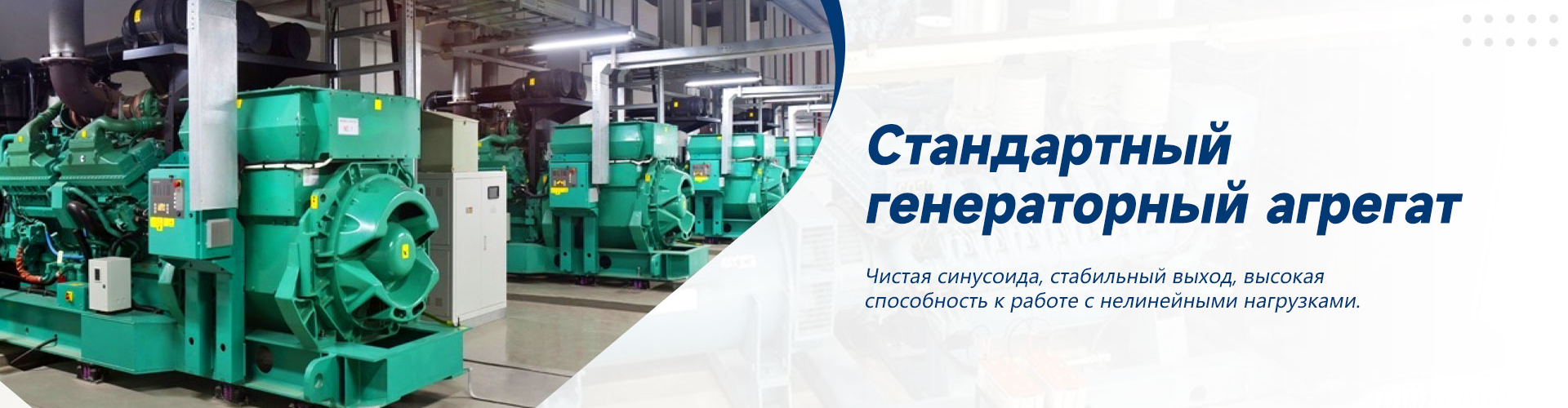
Diesel power plants AD: catalog and cost of equipment
2026-07-10
Diesel power plants AD: catalog and cost of equipment in 2026
The industrial energy market in 2026 dictates new rules of the game, where the key factors are not only the initial price, but also the total cost of ownership. RequestAD diesel power plants: catalog and cost of equipmenttoday is of interest to engineers and purchasers who are looking for reliable solutions for autonomous energy supply in conditions of unstable networks or a complete lack of infrastructure. We analyzed the current offers on the CIS and Chinese markets to provide you with not just a list of models, but a structured overview with real numbers, technical nuances and transparent pricing. In our practice of working with oil and gas industry facilities and large logistics centers, we have repeatedly encountered a situation where savings of 15% on a purchase led to an increase in operating costs by 40% in the first year. This article was written by engineers who personally carried out commissioning and servicing of AD series generators, so you will not find marketing slogans here - only facts tested in the field.
Technical characteristics and model range of the AD series
The AD series of diesel power plants represents a wide range of installations, covering a power range from 16 kW to 2500 kW and above. These units are most often based on Russian-made engines (YaMZ, TMZ) or licensed versions of well-known world brands, adapted to harsh climatic operating conditions. When placing an order, it is critical to understand the difference between reserve and prime power. The standby power (ESP) is designed to operate in emergency modes for a maximum of 500 hours per year, while the primary power (COP) allows for 24/7 operation with variable loads. An error in choosing this parameter is one of the most common causes of premature engine failure. We have seen cases when a station with a capacity of 100 kW in reserve was loaded up to 90 kW in constant mode, which led to overheating and coking of the piston group after only 800 operating hours.
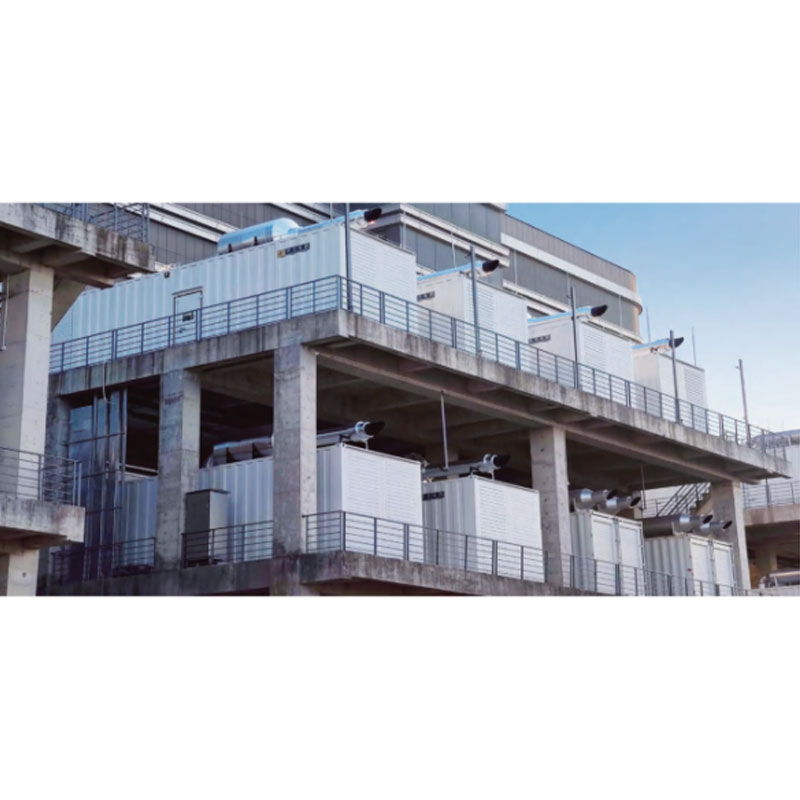
The equipment catalog is usually divided into several key versions according to the degree of protection and mobility. Open versions on a frame are intended for installation in specially equipped rooms with good ventilation. They have minimal cost and dimensions, but require additional costs for organizing sound insulation and exhaust gas removal. Cowled options protect equipment from precipitation and reduce noise levels to 75-85 dB at a distance of 7 meters, making them suitable for installation in open areas near residential areas or office buildings. The most complex and expensive design is container versions (BC), which are full-fledged modular buildings with heating, ventilation, fire extinguishing and automatic transfer systems (ATS). For northern regions, the BC version is the only option, as it allows you to start the engine at temperatures down to -50°C without preheating from external sources.
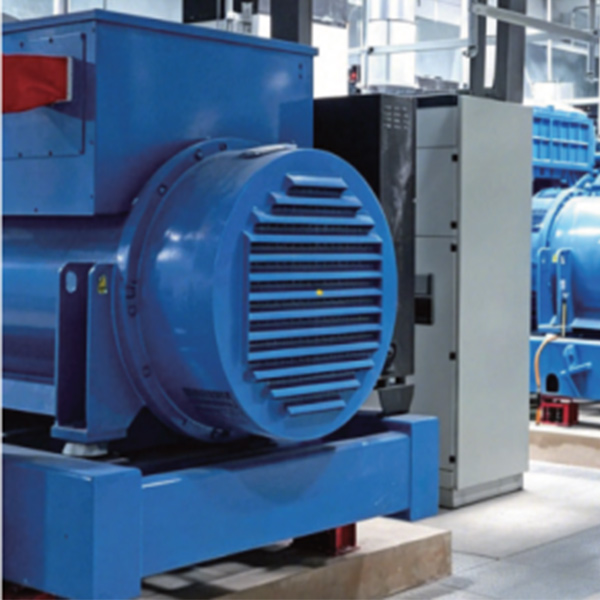
The most important parameter when selecting is the type of alternator (alternating current generator). Brushless synchronous generators with self-excitation are often used in series of mass-produced motors. Their main advantage is the absence of wearing parts in the form of brushes and commutators, which reduces maintenance requirements. However, when working with nonlinear loads (frequency converters, switching power supplies, server equipment), the ability of the alternator to withstand high inrush currents and harmonic distortion is critical. Here we recommend paying attention to the insulation class of the windings (usually H) and the degree of protection IP23 or IP54. If your facility is saturated with sensitive electronics, the standard equipment may require modification with a voltage stabilization system or installation of an additional filter. Ignoring this aspect leads to the fact that expensive technological equipment fails due to voltage surges when connecting powerful consumers.
Price formation factors: from packaging to logistics
When you review a requestAD diesel power plants: catalog and cost of equipment, it is important to realize that the list price is just the tip of the iceberg. The final cost of the project consists of many variables, each of which can change the budget by 20-30%. The basic cost of an open diesel generator set with a capacity of 100 kW can be approximately 1.2 million rubles, but installing it in an all-weather container with a northern design will increase the price to 2.5 million rubles. The difference is due to the cost of metal, insulation, coolant and oil heating systems, as well as assembly and painting work. Many suppliers indicate a minimum price “from” in order to attract attention, but in a commercial proposal this amount increases significantly after the technical specifications are clarified. Our recommendation is simple: always request a turnkey quote, including delivery to the site and installation supervision.
The second significant factor is the brand of the engine and alternator. Within the same AD series, different power units can be installed. Engines from the Yaroslavl Motor Plant (YaMZ) are traditionally considered more repairable in remote regions of Russia due to the availability of spare parts and simplicity of design, but they may be inferior to imported analogues in terms of fuel efficiency and vibration levels. European or Chinese premium engines provide better speed stability and lower fuel consumption, but their maintenance requires qualified personnel and original filters, the cost of which can be 3-4 times higher. We conducted a comparative test at a facility in Siberia, where two stations of the same power with different engines operated in parallel. The fuel consumption of the cheaper model turned out to be 12% higher, which over three years of continuous operation covered all the initial savings upon purchase.
Logistics and delivery geography play a decisive role in the final estimate, especially for large industrial facilities. Delivery of oversized cargo weighing several tons to hard-to-reach areas of the Far North or Far East can cost as much as the equipment itself. In addition, it is necessary to take into account customs duties if some of the components are of foreign origin, although in the AD series the level of localization is now very high. Certification also affects the price: the presence of a GOST R certificate of conformity and the TR CU 010/2011 declaration “On the safety of machinery and equipment” is a mandatory requirement for legal operation in the Russian Federation and the EAEU countries. The absence of these documents makes the operation of the station illegal and creates risks during inspections by Rostechnadzor. Purchasing “gray” schemes without documents can save 10-15% now, but result in huge fines and downtime of the enterprise in the future.
Comparative analysis of designs and areas of application
The choice of a specific design of a diesel power plant depends on operating conditions and reliability requirements. Below is a comparative table of the main types of executions, which will help you navigate the variety of offers and choose the best option for your tasks.
| Comparison parameter | Open version (Frame) | Execution in casing (hood) | Container version (BK/Sever) |
|---|---|---|---|
| Cost | Low (basic) | Average (+25-40% to base) | High (+80-120% to base) |
| Weather protection | None (room only) | Protection from rain, snow, dust | Full protection, operation down to -50°C |
| Noise level | High (>100 dB) | Reduced (75-85 dB) | Minimum (up to 70 dB with silencers) |
| Mobility | Requires foundation and crane | Can be installed on a chassis | Transportability by rail or road |
| Installation time | Long-term (construction of premises) | Medium (site preparation) | Minimum (reactivation and start-up) |
| Recommended area | Permanent boiler houses, workshops | Construction sites, holiday villages | Rotational camps, remote fields |
For construction sites and temporary facilities, the most rational choice is often an enclosure mounted on a vehicle chassis or skid. This allows you to quickly relocate the energy source as the work progresses. However, if we are talking about a constant power supply to a remote village of geologists or oil workers, where the temperature in winter drops below -40°C, the only right solution is a factory-ready block container. In our practice, there was a case when a customer tried to save money and installed a station in a casing in Yakutia, insulating it himself. The result was a failure of the starting system in the first week of frost due to freezing of the fuel line and thickening of the oil, which led to the shutdown of the rig and losses that exceeded the cost of the correct container ten times. Don't try to adapt equipment beyond its design specifications - this is always more expensive.
Procurement risks and hidden operational problems
Purchasing a diesel power plant is an investment with a payback horizon of 5-10 years, and mistakes at the stage of selecting a supplier can be fatal for the enterprise’s budget. One of the main risks is purchasing equipment with an “overclocked” mileage or a rebuilt engine passed off as new. In the secondary market and even with some unscrupulous dealers, there are cases where decommissioned engines after major overhauls are sold as part of new diesel generator sets. It is difficult to distinguish such a machine from the outside, but its service life will be in the hundreds, not thousands, of hours. The only way to protect yourself is to require the provision of pre-sale preparation reports, photographs of the engine before assembly and, preferably, to conduct an independent examination of the oil and cylinder compression before signing the acceptance certificate.
Another common problem is the discrepancy between the actual power and the declared power. Some manufacturers indicate engine power, and not electrical power at the generator terminals, forgetting to subtract losses on the efficiency of the alternator and the station's own needs (fans, pumps). The difference can reach 10-15%. If you plan to connect the load at the maximum capacity of the station, this margin can become critical. We strongly recommend choosing a station with a power reserve of 20-25% of the total power of your consumers. This will not only prevent overload, but will also allow the engine to operate at its optimum, avoiding the effect of “wet glass” (carbon formation) when operating at low loads. Operating a diesel engine with a load of less than 30% of the nominal load is detrimental to it and leads to rapid failure of the piston group.
The issue of warranty service and availability of spare parts is often underestimated until the moment of the first breakdown. If you buy an exotic model or a station with a rare engine, you risk being left without support for weeks or even months in the event of an accident. The AD series is popular precisely because spare parts for it are available at most dealers throughout the country. However, when concluding a contract, be sure to check the delivery times for critical components: turbochargers, injectors, control units. Having a service center in your area is not just a convenience, but a necessity. In one of our projects, the client bought a cheap station from a supplier for 2000 km. When the controller failed, the downtime was 18 days while the engineer got to the site. The losses from production downtime were colossal. A reliable supplier should ensure that a specialist arrives within 24-48 hours.
Selection and ordering procedure
In order for the purchase process to go smoothly and the received equipment to fully meet your expectations, you must follow a clear algorithm of actions. The first step is to collect load data. You need to make a list of all electricity consumers indicating their active (kW) and reactive (kVAR) power, as well as starting currents. Pay special attention to electric motors: their starting current can be 5-7 times higher than the rated current. If you have frequency converters or uninterruptible power supplies, inform the manager about this, as this will affect the choice of the type of alternator and stabilization system. Without this data, any power calculation will be guesswork.
The second stage is determining the operating conditions. Where will the station be located? What is the expected minimum temperature in winter? Are there noise restrictions? Is automatic transfer of reserve (ATS) required? The answers to these questions will determine the type of design (open, casing, container) and a set of additional options. For example, for operation in winter conditions, a pre-heater for coolant and oil, as well as high-capacity batteries, are mandatory. If the station will operate as the main source of energy, it is worth considering the option of increasing the fuel tank or the possibility of connecting an external tank to reduce the frequency of refueling.
The third step is to compare commercial offers. Don't just look at the bottom line. Compare the equipment: which engine, which alternator, which control panel, whether delivery and commissioning are included. Please ask for a product passport and instruction manual before payment. Check the reputation of the supplier: how many years has it been on the market, are there any reviews from real customers, does it work directly with the manufacturing plant. We recommend asking for contacts of 2-3 previous customers and calling them to find out about real operating experience and quality of service. After agreeing on all the details, a specification is signed, which is an integral part of the contract. Carefully read the clauses on warranty obligations and the conditions for their preservation (for example, the obligation to undergo maintenance from authorized partners).
Production standards and the role of integrators: the example of Yuke LLC
When choosing a supplier, it is critical to pay attention not only to the product range, but also to the production culture of the integrator company. A striking example of a modern approach to the production of power equipment is the companyYuke (Shandong) Electrical Technology LLC" Based in Shandong Province, the organization specializes in the development and delivery of complete off-grid power solutions, successfully combining generation engineering expertise with advanced energy storage technologies.
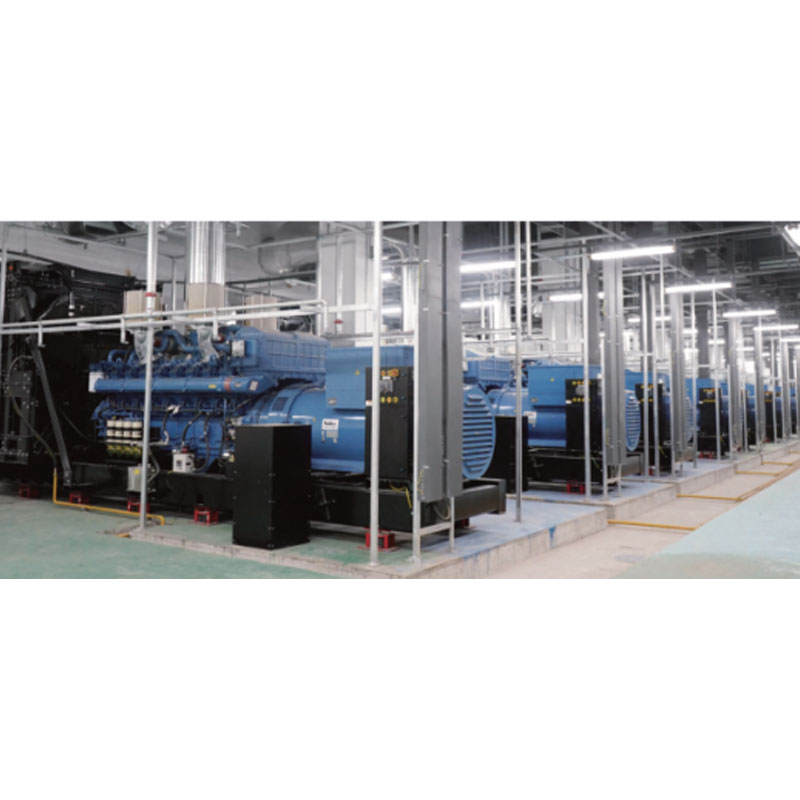
Unlike simple assembly shops, Yuke operates as a full-fledged integrator, relying on strategic partnerships with world leaders in engine manufacturing. Their product portfolio includes solutions based on Cummins (VCD, VHCD5 series), Perkins (VPD), SEM (VSD, VHSD5), MTU (VHMD5) and Yuchai (VYG, VHYD5) engines. This approach makes it possible to adapt AD series units and other models to the specific requirements of the markets of the CIS, Asia and the Middle East, ensuring operation in extreme climatic conditions.
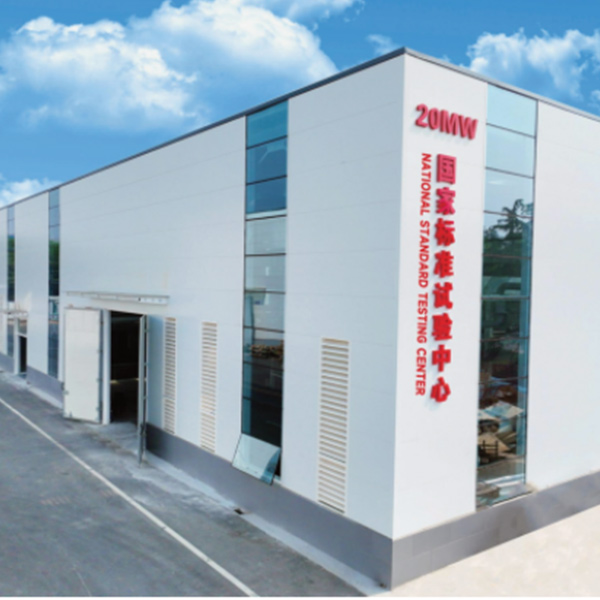
The company pays special attention to quality control, which directly affects the reliability of the supplied equipment. The production base is equipped with modern test benches, where each product unit undergoes mandatory stress tests lasting at least 4 hours. The parameters of noise, vibration, temperature and stability of the output voltage are checked. Only after successfully passing all stages of control that meet international standards for electromagnetic compatibility and safety, the equipment is allowed for shipment. Such care will minimize the risks described above, such as premature failure or failure to meet the stated power requirements.
In addition, Yuke offers a wide range of specialized designs: from silent mobile stations and emergency power vehicles to multi-megawatt high-voltage installations and liquid-cooled energy storage cabinets. The company is developing a network of authorized service partners, providing customers with technical support at all stages - from design to post-warranty service. The principle of “reliability through responsibility” underlying their philosophy ensures that the buyer receives not just hardware, but a ready-made, proven solution for the energy security of their business.
Frequently Asked Questions
What oil change interval is recommended for AD series diesel generator sets?
The oil change interval directly depends on the quality of the fuel used and the operating mode of the station. For modern AD series engines when using Euro-5 diesel fuel and operating under a load of more than 50%, the recommended interval is 250-300 engine hours. However, if the station operates in difficult conditions (dusty, frequent starts and stops, low loads) or on lower quality fuel, the interval should be reduced to 150-200 engine hours. The first oil change after running in a new engine must be done strictly after 50 operating hours, regardless of recommendations, in order to remove the products of running-in parts. Ignoring this rule is the most common reason for a decrease in engine life in the first years of operation.
Is it possible to connect several AD stations to operate in parallel?
Yes, modern diesel power plants of the AD series can operate in parallel, but for this they must be equipped with special synchronization controllers and have identical technical characteristics (engine type, speed controller, alternator characteristics). Parallel operation allows you to flexibly scale the power of the power unit depending on the current load, which increases fuel efficiency and system reliability. However, setting up such a system requires highly qualified personnel. Errors in setting differential protection or voltage regulators can lead to the occurrence of equalizing currents and emergency shutdown of the entire system. We recommend that such projects be implemented only on a turnkey basis with the involvement of the manufacturer’s engineers.
How to calculate the required fuel tank volume?
The tank volume is calculated based on the hourly fuel consumption at a specific load and the desired autonomy. The average consumption of a diesel generator is approximately 0.25-0.3 liters per 1 kWh of generated electricity at a load of 75%. For example, for a 100 kW station at full load, the consumption will be about 25-30 liters per hour. To ensure operation for 24 hours, a tank with a volume of at least 720 liters will be required (including a 10-15% reserve for unforeseen circumstances and fuel expansion). It is important to remember that increasing the tank beyond certain limits may require additional permits from fire departments and the installation of special safety systems. The optimal solution is often a combination of a built-in tank (for 8-12 hours of operation) and the ability to quickly connect an external tank.
What to do if the station does not start at low temperatures?
Cold starting problems are most often associated with three factors: the condition of the batteries, the viscosity of the oil and the presence of paraffin in the fuel. First, check the battery charge: in cold weather, the battery capacity drops, and old batteries may not provide the required starting current. Use only special winter batteries and keep them warm or use thermal cabinets. Secondly, make sure that the oil is appropriate for the season (viscosity grade 5W-40 or 0W-40 for winter). Thirdly, the most important thing is fuel. Summer diesel fuel crystallizes already at -5°C, clogging filters. Use only winter or arctic fuel, or add certified depressant additives in advance, and not at the moment of freezing. Also check the operation of the glow plugs or preheating coils.
Expert opinion and recommendations
Choosing an AD series diesel power plant is a strategic decision that determines the energy security of your business for years to come. The market offers many options, but success does not depend on the lowest price in the catalog, but on a competent engineering approach to selecting a configuration for specific tasks. Remember that quality equipment, properly selected and installed by professionals, pays for itself through trouble-free operation, fuel savings and no costly downtime. Do not skimp on the design, service and fuel quality - these are the three pillars on which the reliability of your energy system rests. If you have doubts about the calculations or the choice of model, it is better to spend time consulting with specialists than to later eliminate the consequences of errors.
We are ready to help you choose the optimal solution from the lineAD diesel power plants: catalog and cost of equipmentwhich is constantly updated taking into account the latest technological trends and market requirements. Our engineers will audit your load, calculate the required power and offer several configuration options with a detailed justification of the economic efficiency of each of them. Contact us today for a personalized quote and technical consultation.Go to the full catalog of DGU ADfor a detailed study of the characteristics or leave a request for a call back to discuss your project.
-


-
-


WeChat

-
WeChat