

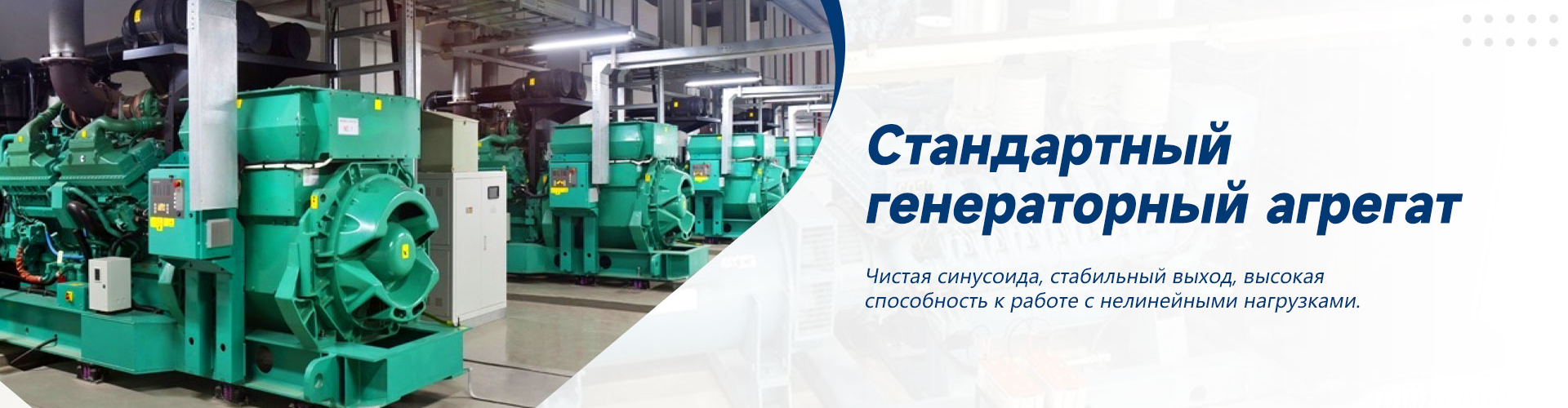
China: Caterpillar's main buyer?
2026-01-12
Here's a question that often pops up on the sidelines of industry shows or in conversations with suppliers: Is China really the locomotive that pulls sales from giants like Caterpillar? Many people immediately nod, saying, it’s obvious - the scale of construction, infrastructure megaprojects. But if you dig deeper, working with procurement and logistics for large objects, the picture turns out to be much more mosaic and not so clear-cut.
Market vs. local manufacturer: where is the real volume?
Yes, the Chinese market is huge. But when we talk about the “main buyer”, we must immediately distinguish: are we talking about direct deliveries of original Cat equipment from the factory, or about the general presence of the brand on the market? According to my observations, the trend has been shifting over the past ten years. Chinese manufacturers - Sany, XCMG, Zoomlion - have made a colossal leap. Their equipment at many facilities, especially state or regional ones, has become a de facto standard. It is cheaper, the service is faster, spare parts are nearby.
Where is Cat then? Their niche has shifted. These are often either projects with strict international contractor requirements (where the specification directly points to Cat), or the mining sector - quarries, coal mines, where reliability and resale value still outweigh the initial investment. Or, interestingly, a segment of used, well-restored equipment imported from abroad. This is a whole separate business.
I had experience at one port terminal in Shandong. We purchased loaders. We considered both Cat and Chinese analogues. In the end they took LiuGong. Why? Not because Cat is bad. It's just that the total cost of ownership, including warranty and availability of on-site engineers, was in favor of the local brand. For Cat, that contract, of course, did not become a major leak on a global scale, but for the local dealer it was noticeable. There are thousands of such decisions across the country.
Supply chain and gray areas channels
Another nuance that is rarely discussed openly is the difficulty of tracking the end buyer. China is a giant re-export hub. Equipment officially delivered to, say, the port of Tianjin, may end up being used for the construction of a dam in Myanmar or Kazakhstan in six months. Naturally, this is not advertised to dealers. Therefore, Caterpillar's global statistics on sales to China are not always pure domestic demand. This could be the demand of all of Southeast Asia, simply reflected through Chinese logistics hubs.
While working with one contractor, I saw them order a couple dozen Cat mini excavators. According to documents - for urban improvement in Qingdao. In fact, after the initial testing, half of them were sent in containers to Africa, for a branch project. For Cat - sales included in China. For an economist, this is export.
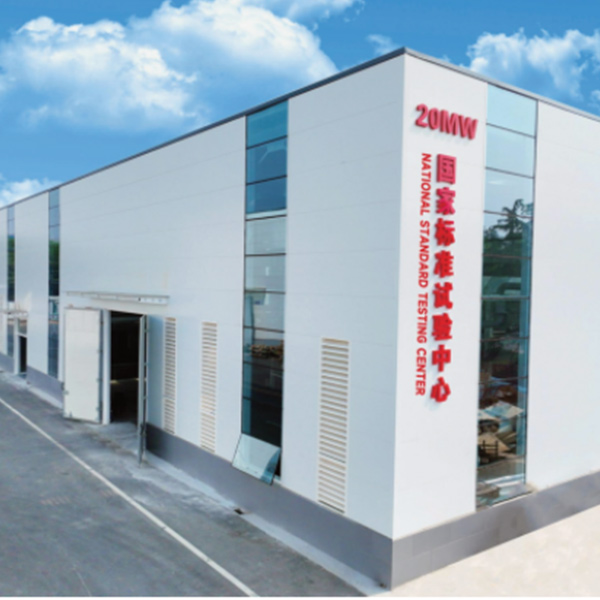
It is in such logistics operations that partners likeYuke (Shandong) Electrical Technology Co.,Ltd. Looked at their websitevoyoko.ru— they position themselves as an innovative enterprise with a full cycle from development to construction. Such companies often act not as end consumers, but as integrators or subcontractors at large facilities. They can purchase power equipment, generator sets (where Cat also has a strong position) as part of their turnkey package. Their contribution to overall sales is indirect but important.
Energy Sector: The Hidden Procurement Champion
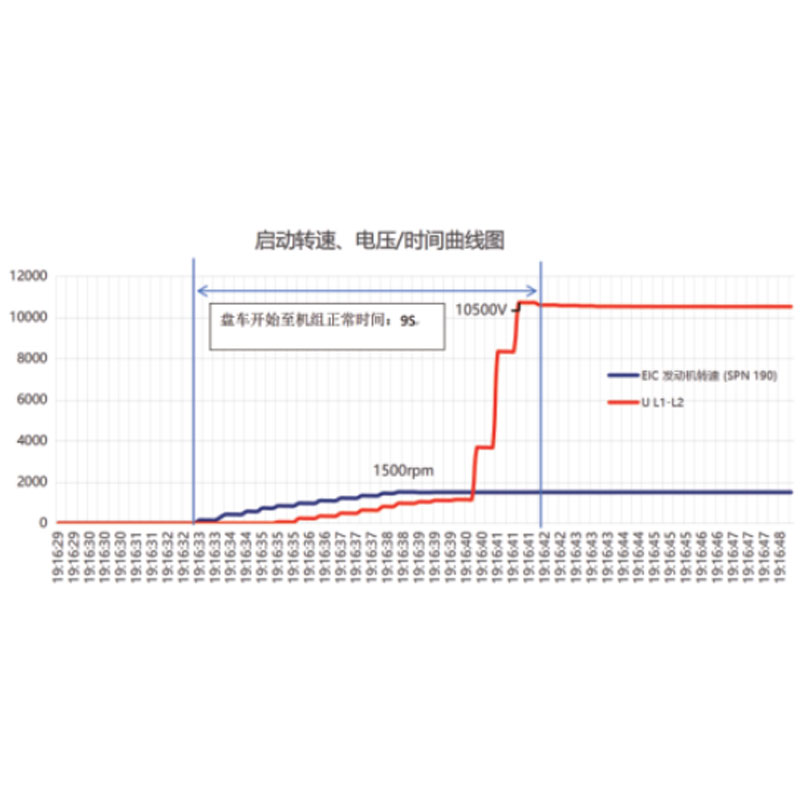
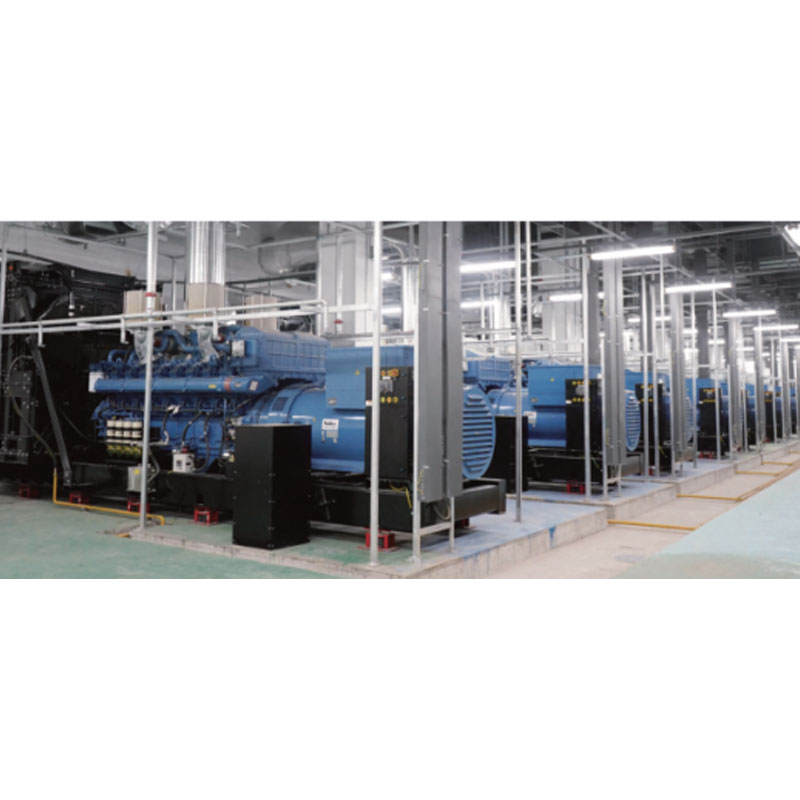
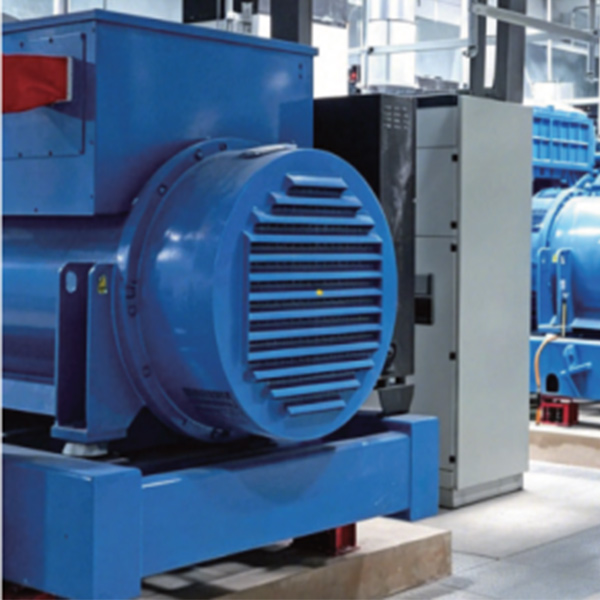
If you look for a segment where Cat is still almost irreplaceable, it is energy, especially backup and distributed generation. Cat diesel generator sets are the gold standard for hospitals, data centers, and telecom infrastructure. Here, Chinese competition has not yet caught up with the level of reliability and instantaneous time to reach full capacity.
At one data center modernization project in Shenzhen, there was a fierce dispute over gensets. The customer insisted on Cat, despite the price being 1.8 times higher than the leading Chinese equivalent. The argument was simple: when a city goes offline, we have exactly 12 seconds before switching over. In three out of ten tests, the Chinese unit completed within 14-15 seconds. This is a failure. We took Cat. This is the case when the status of “main buyer?” is confirmed not by volume, but by the critical importance of the product in strategic industries.
Companies engaged in engineering construction and technical consulting, like the sameYuke Electric, based on the 2003 team DEVER, know this well. By recommending equipment to the customer, they take responsibility. To install a less reliable analogue means risking your reputation and future contracts. That's why the Caterpillar logo is still so common in specifications for critical facilities.
Cyclicality and politics: unpredictable factors
Anyone who works with heavy equipment in China feels the breath of government investment cycles. A new round of infrastructure incentives has been announced, with Cat dealers unloading containers in six months. The time has come for developers to consolidate debts—sales are sagging. This cyclicality makes China an unstable "major buyer". It could be number one this quarter and slip to number three next quarter if, for example, the North American market suddenly picks up.
Add to this the “double circulation” policy. and an emphasis on self-sufficiency. The state is gently but persistently pushing for the purchase of domestic equipment. This is not a ban, but rather a system of “recommendations” and priorities in government procurement. For Cat, this means the need to localize even deeper, create joint ventures, transfer technology - to be considered “part of the Chinese industry”.
I remember one Cat sales manager in Shanghai complaining that winning a bid to build a high-speed rail line had become almost impossible, even with their historical presence. The consortium of contractors immediately receives an unspoken signal to consider options from XCMG and Sany first. This is a reality to which we have to adapt.
The future: a partner, not just a seller
So is China the main buyer? If you measure it by the pure volume of unit sales of new equipment, it probably no longer exists, or this title is very shaky. But if we consider China as a key strategic market that dictates trends, forms supply chains for half the world and is a testing ground for innovation (like electric excavators or autonomous driving) - then yes, of course.
For Caterpillar, the future here is not mass sales of 20-ton trucks to every municipality. This is deep integration into the ecosystem: service contracts for premium equipment, digital solutions for park monitoring, hybrid energy solutions for industrial parks. This is working with players likeYuke Electricwho are building future infrastructure. Their approach, described on the website, is “product and technological innovation as the main competitiveness?” - this is exactly the language in which Cat should communicate.
Conclusion? China may not be the only major buyer in the classical sense. But it is definitely the main laboratory and the main challenge for Caterpillar’s business model. To lose here means to lose momentum for development throughout the world. And to win is not necessarily to sell the most units of equipment, but to become an integral, “smart” one. part of the Chinese industrial machine. Which, in general, is even more difficult and interesting.
-


-
-


WeChat

-
WeChat