

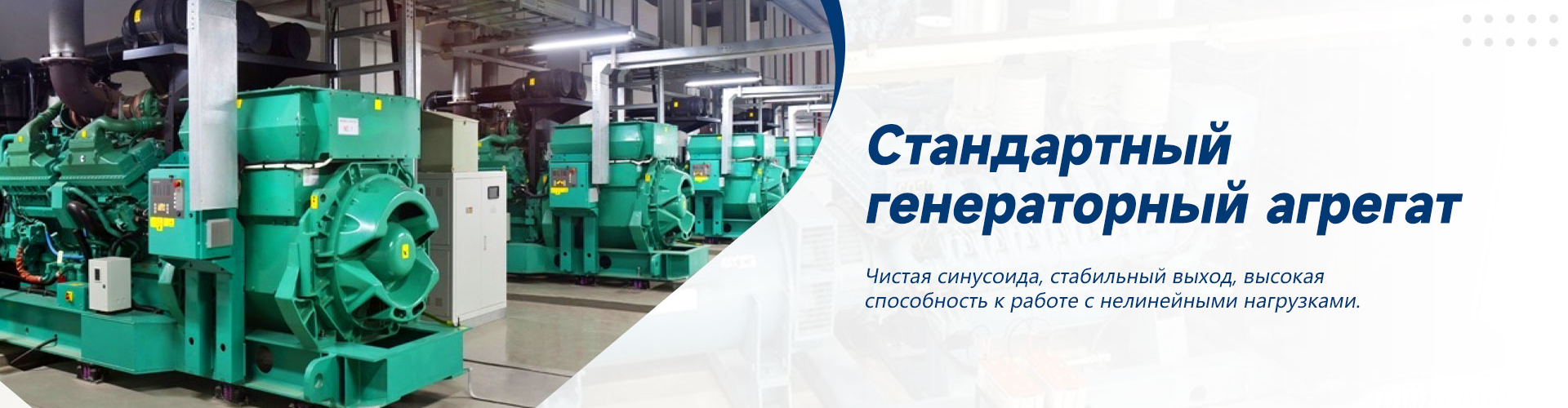
China: who is the main buyer of gas power plants?
2026-01-20
When you hear this question, the first thing that comes to mind is, of course, the Chinese industrial giants themselves or state-owned energy companies. But reality, as often happens, is more complex and interesting. Many people mistakenly believe that the main demand is generated by large-scale government programs to replace coal with gas. Although this is an important factor, it is not the only one and, in my opinion, no longer the most dynamic. Over the past five to seven years, the picture has changed a lot. If earlier orders were pouring in for large facilities of 10 MW and above, now I see a shift towards the middle segment, and the buyer there is often not the one you expect.
Demand shift: from gigawatts to kilowatts
Previously, about ten years ago, everything revolved around large projects. Construction of new industrial zones, decentralization of energy supply to large factories - this required serious gas piston or gas turbine installations. GE, Siemens, Caterpillar, our Chinese manufacturers like Harbin Electric or Jinan Diesel Engine competed for contracts. But now the peak of such projects has passed. The infrastructure is mostly built, plus the blue sky policy. made its contribution, and many switched to gas. Now the driver is a medium and small business that needs not so much base load as reserve, peak generation or autonomous power supply in remote locations.
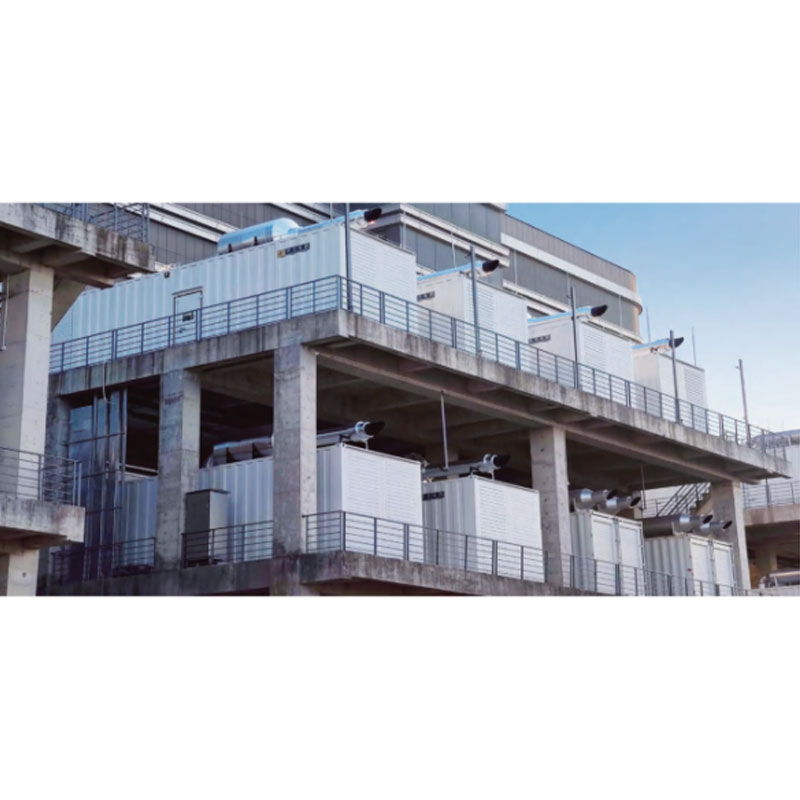
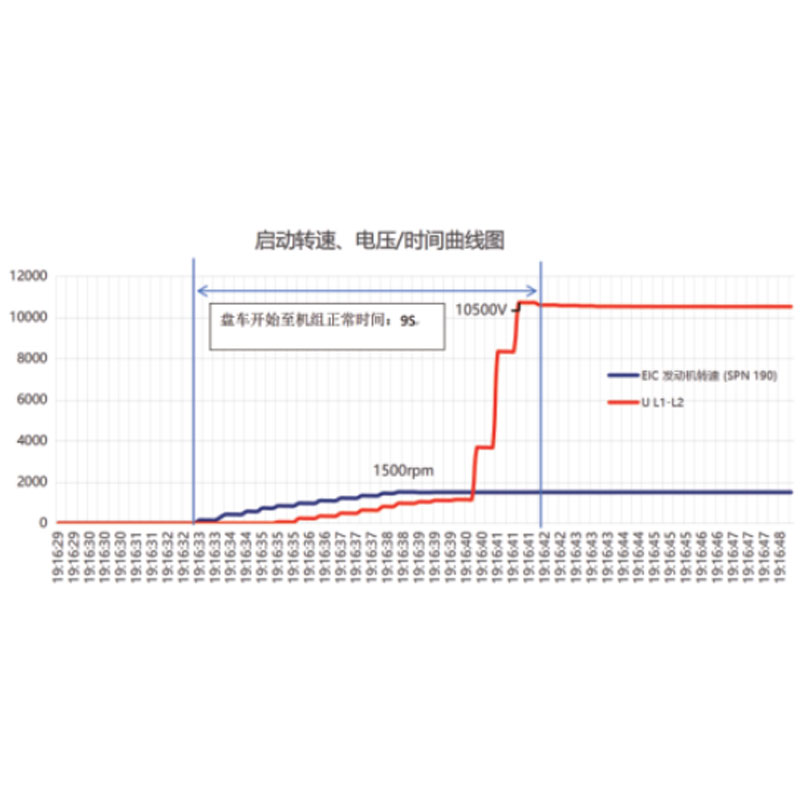
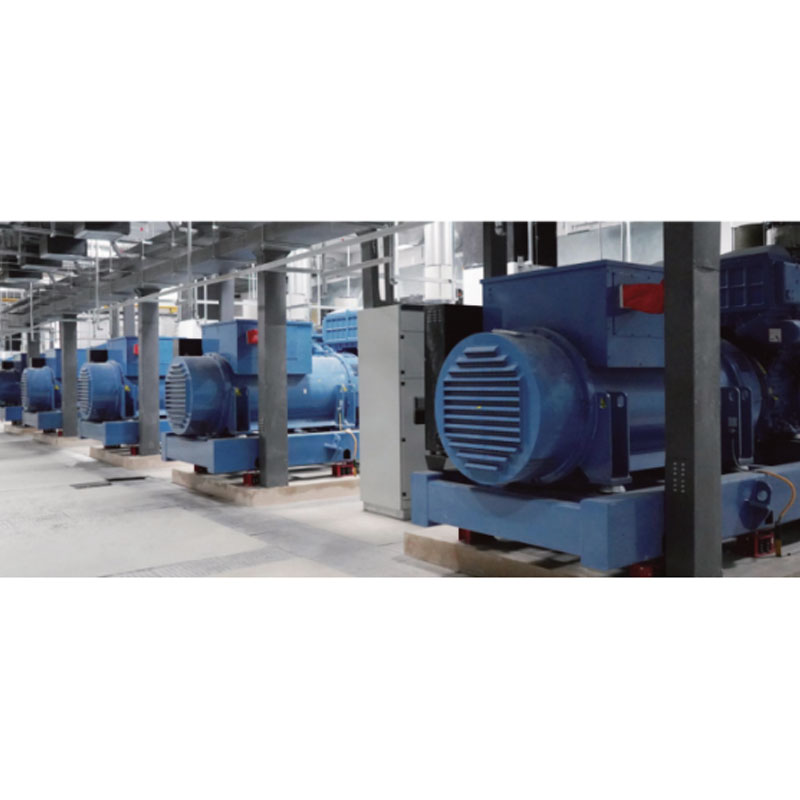
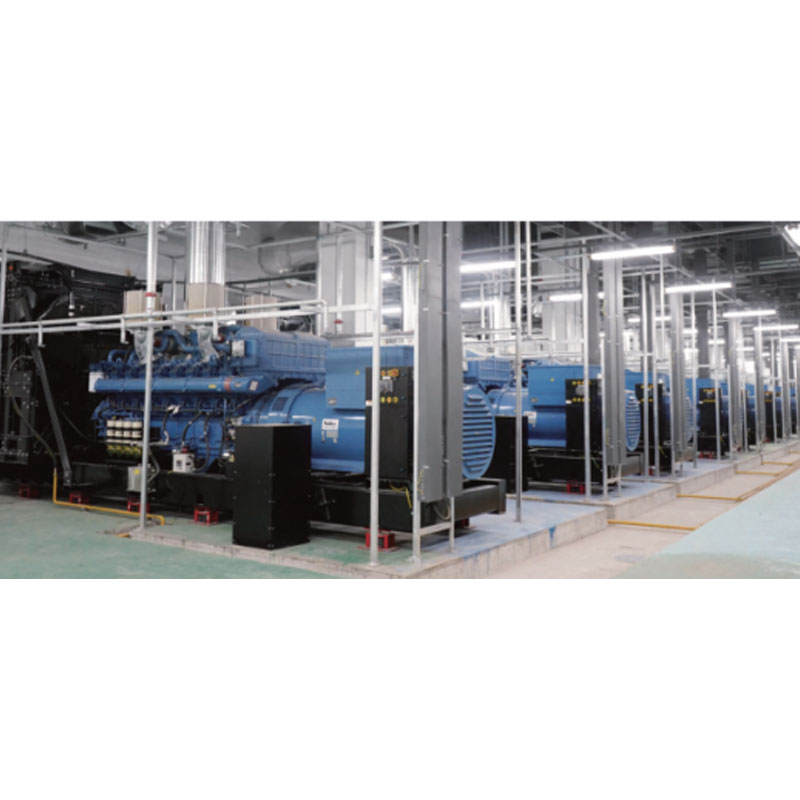
A striking example is logistics hubs and data centers. They cannot afford even a minute of downtime. The government network is reliable, but there is no absolute guarantee. Therefore, almost every new data center is now installing its own gas power plant, often based on several 2-3 MW units. This is not a once and for all purchase, it is part of an engineering project. And here the buyer is not a pure energy engineer, but a design engineer or technical director of a company who understands efficiency, startup speed and integration with an uninterruptible power supply system. Their requirements are specific: it is not enough to buy an installation; it needs to fit perfectly into the infrastructure.
Another growing segment is distributed generation for shopping centers, large office complexes and even premium residential areas. They often work here using a cogeneration scheme (heat and electricity). The buyer in this case is a developer or management company that considers long-term operating expenses. You cannot convince them with general phrases about reliability; they need exact figures on heat savings and payback period. It is often easier and more profitable for them to work not with giants, but with niche integrators who can offer a turnkey solution.
Who sells and how: the role of integrators and niche players
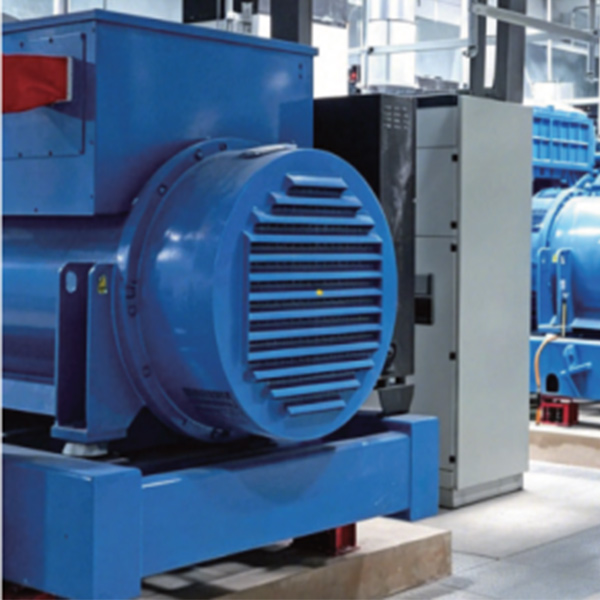
This is where companies appear that are not visible in global rankings, but that really make a difference in the market. Large engine manufacturers are often unwilling or unable to tinker with small, custom projects. Their dealers are also focused on large transactions. The resulting niche is being filled by technology integrators. They take an engine, for example, from Volvo Penta or MTU, a generator from Leroy-Somer or Stamford, a control system - their own or a third-party one, assemble it into a single complex, modify it to the specific needs of the client and deliver it as a finished product with service.
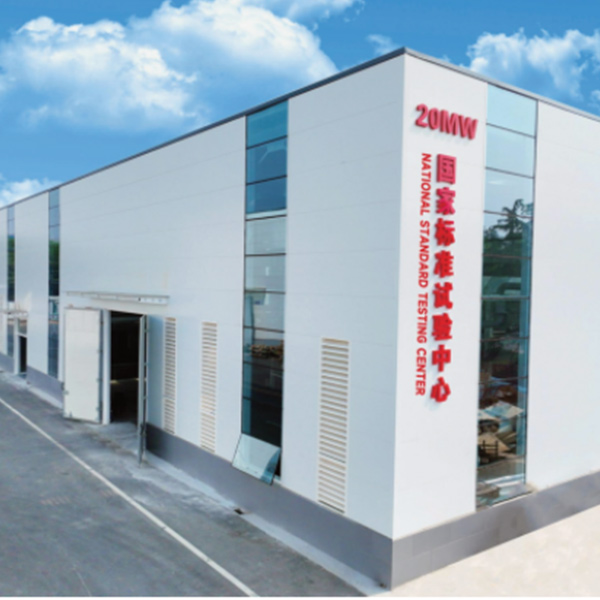
One of the typical examples of such a company isYuke (Shandong) Electrical Technology Co.,Ltd(Yuke Electric). They grew out of the DEVER Electric team, which has been working since 2003, and it shows. These are not just hardware sellers. Their websitevoyoko.ruis more of a portfolio of engineering solutions. They position themselves as an innovative enterprise combining R&D, technical consulting, supply and construction. For the average buyer, this is a key advantage: one contractor is responsible for everything - from calculating parameters to commissioning. I know of cases where they assembled power plants for mining enterprises in Central Asia, where the requirements for dust protection and automation were non-standard. The client would not have to run between the engine and generator manufacturer and the installation company.
Why does this approach win? Because the main buyer today often does not have deep specialists in energy generation on staff. He needs a result, not a set of components. The integrator assumes all technical risks. But there are pitfalls here too. Build quality and balance are everything. I also saw unsuccessful examples when small companies skimped on cooling systems or mufflers, which ultimately led to overheating and frequent stops. The client who bought the “budget” option, then I suffered for years. Therefore, successful integrators, like the aforementioned Yuke, rely on technology and quality control, and not on the minimum price.
Geography of demand: not only the East Coast
It is generally accepted that all purchases come from the developed coastal provinces - Jiangsu, Zhejiang, Guangdong. This is true, but only partly. There is a really high concentration of industry and data centers there. However, in my opinion, a more interesting and capacious market is now emerging within the country, in the central and western regions.
Take Xinjiang or Inner Mongolia. Agriculture, processing and mining are actively developing there. Network infrastructure is often insufficient or its quality leaves much to be desired. For local businesses, a gas power plant is not a reserve, but the main source of energy. And here the buyer is the owner of a milk or vegetable processing plant, a coal mine or a polymer production factory. His motivation is simple: without reliable electricity, there is no production. He is ready to invest, but requires the equipment to be unpretentious and easy to maintain. Availability of spare parts and local service support is critical to him. Therefore, those suppliers who can organize a service center in the region, and not just in Shanghai, win.
Another trend is the export of Chinese gas power plants as a finished product. The sameYuke (Shandong) Electrical Technology Co.,Ltd, judging by their activities, works not only for the domestic market. Complexes assembled in China are often supplied to countries in Africa, Southeast Asia, and the CIS. There, the buyer is government ministries or large private conglomerates. Their requirements are even stricter: the equipment must operate in conditions of high humidity, dust, and with non-ideal fuel. And again, we need a full cycle of services - personnel training, warranty, long-term maintenance. Without this it is impossible to compete.
Fuel and ecology: hidden limitations
When talking about gas, everyone automatically means mainline natural gas. But in reality the picture of fuel is much more varied. In many regions of China, access to mains gas is limited or its price is unpredictable. Therefore, the demand for power plants running on liquefied natural gas (LNG) or even associated petroleum gas is growing. This creates additional complexity for the buyer and opens up opportunities for the supplier.
The buyer of, say, a food processing plant somewhere in Henan is forced to consider not only the cost of installation, but also fuel logistics and the construction of a mini-storage facility for LNG. For him, buying a power plant is an investment in an entire mini-power plant. It becomes, in essence, a small energy company. This changes his approach: he pays more attention to safety issues, automation of fuel dosing, and monitoring systems. Suppliers who can offer a complete solution - power plant + fuel infrastructure + control system - have a significant advantage.
Environmental standards are a separate headache. Emissions requirements (especially NOx) are becoming stricter, and not only in large cities. A power plant purchased three years ago may not meet new standards today. The buyer now understands this very well and is looking for installations with a margin of environmental parameters. Often the choice falls on gas piston plants with a selective catalytic reduction (SCR) system or on modern gas microturbines, which have low emissions from the start. This makes the project more expensive, but eliminates the risk of future fines or forced shutdowns.
What's the result? Portrait of a modern chief buyer
So who is he? This is no longer an abstract ?state? or “large corporation?”. Rather, this is a technically competent representative of a medium-sized business or a project team from the field of logistics, IT, agro-industry or processing. He is pragmatic and considers the total cost of ownership, not just the price of the equipment. What he wants is not an “engine and generator”, but guaranteed power, integration into his processes and long-term service.
He increasingly turns not directly to the giant manufacturer, but to a technology integrator who speaks the same language with him and solves his specific problem. Like that companyYuke Electric, which through its websitevoyoko.rudemonstrates an approach to solving problems, and not just a catalog of products. For such a buyer, the reputation of the supplier, his experience in similar projects and willingness to share risks are important.
The market has become thinner, smarter and more demanding. Buying a gas power plant in China today is a complex engineering and economic task, rather than a simple equipment purchase. And the main buyer is the one who sets this task, and the main seller is the one who can solve it entirely. Everything else is details, which, however, determine the success or failure of the project in conditions of fierce competition and growing requirements.
-


-
-


WeChat

-
WeChat