

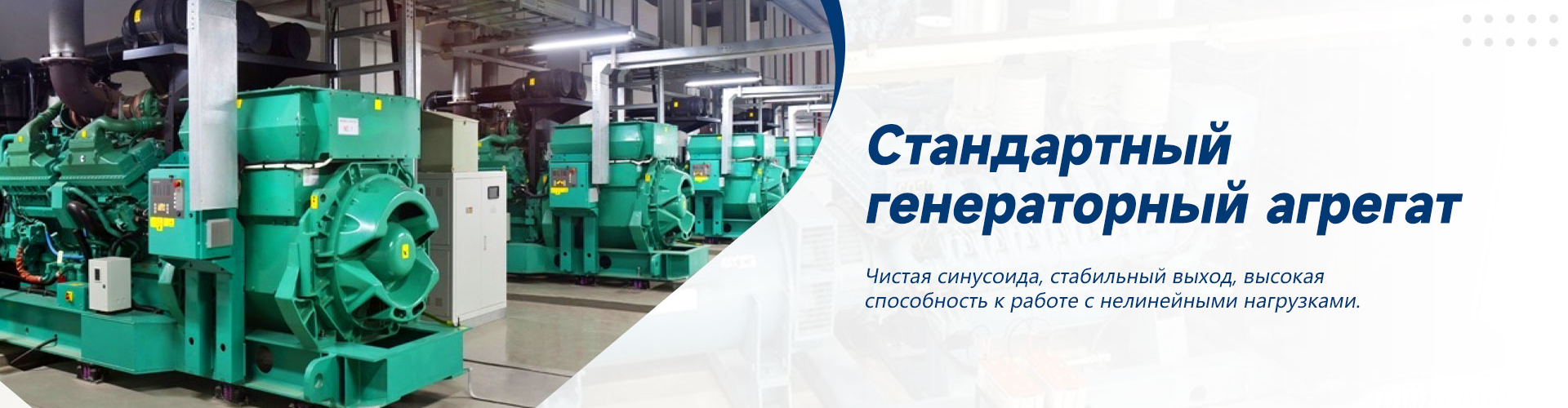
China: who is the main buyer of DES AD T400?
2026-02-02
- Why T400 is not a mass product, and who might be interested in it?
- Real portrait of the customer: from quarries to seaports
- Errors in search and why hot clients often turn out to be dummies
- The price of the issue and what is often forgotten to take into account
- Bottom line: don't look for a buyer, look for a problem
This is a question that constantly comes up in conversations with suppliers and colleagues. Many people immediately think about large state-owned enterprises or oil and gas giants - they say, they have the money, they also hold the cards. But reality, as usual, is much more interesting and does not fit into simple schemes. If you dig deeper into the specificsDES AD T400, then the buyer’s picture begins to emerge from a completely different angle.
Why T400 is not a mass product, and who might be interested in it?
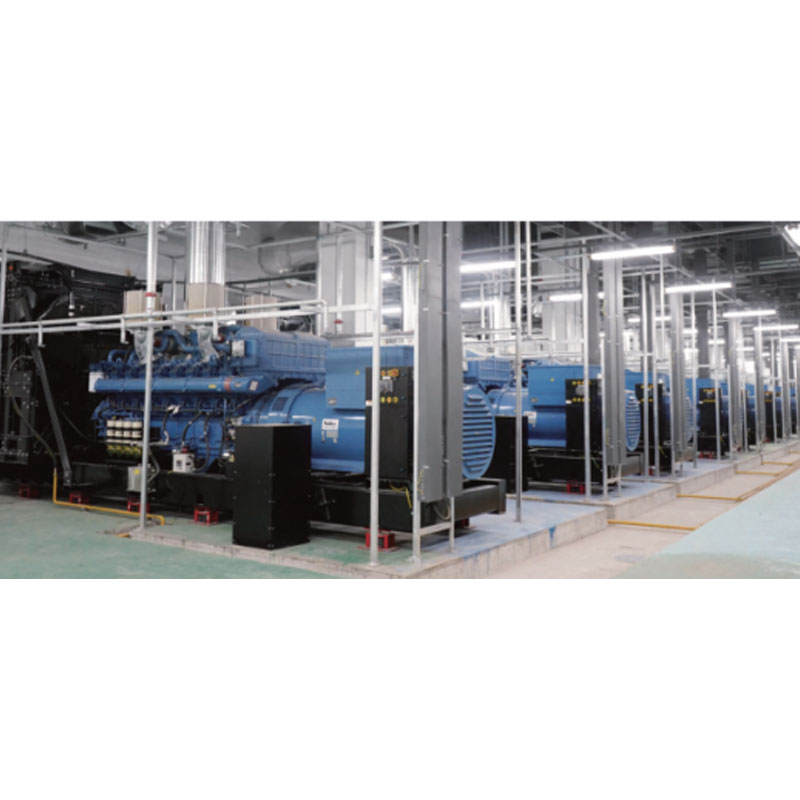
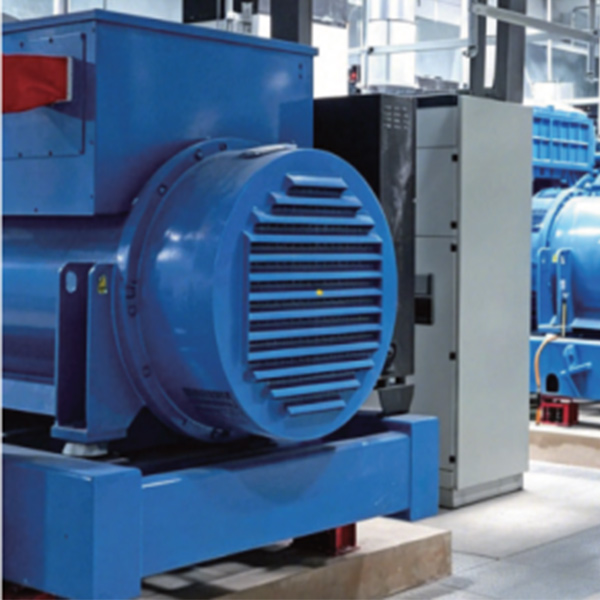
First you need to understand what kind of animal this is. DES AD T400 is not just a generator. This is a diesel power plant with an asynchronous engine, with a rather specific configuration and power. It is not suitable for every object. We once tried to promote it as a universal solution for small businesses - a complete failure. It turned out that for most standard backup power needs of a store or office, this is redundant and unreasonably expensive to operate.
The main feature is the combination of an asynchronous motor with certain requirements for starting currents and network stability when working with an inductive load. Therefore, it is logical to look for a buyer where such equipment is available. And here it is not so much the buyer-owners who come out on top, but rather the buyer-integrator.
I mean companies that deal with complex equipment of industrial facilities. They undertake the selection of all turnkey equipment. For them, T400 is one of the possible modules in the circuit. They don’t buy it in batches, but take it individually, for a specific project. And their choice depends on a dozen factors: from the requirements of the end customer’s technical specifications to the availability of a service agreement with us.
Real portrait of the customer: from quarries to seaports
If we ignore the intermediate integrators and look at the end user, this is the picture. Most often, these are enterprises with their own distributed energy facilities, where there are areas with heavy equipment startup. A classic example is mining quarries. Not everywhere, of course, but where old crushing or processing equipment with high-power asynchronous drives is used. There are no normal networks, our own diesel generation - and here the T400 can show itself.
Another segment is auxiliary power supply in seaports. Not for main cranes (those often on synchronous motors), but for auxiliary systems, pumping stations, for example. Resistance to frequent starts and stops is also important there. We had a project in one port in the Far East - so the engineers there struggled for a long time with the choice between the T400 and a more modern solution with frequency converters. We chose the T400 due to lower maintenance costs in harsh conditions.
And the third, less obvious segment is specialty equipment manufacturers who use the T400 as part of their installation. For example, mobile drilling rigs or mobile diagnostic systems. They purchase individually, but consistently, once every few years. For them, what is critical is not so much the price as the guarantee that the unit will fit into their design and will work in conjunction with their filling.
Errors in search and why hot clients often turn out to be dummies
Previously, we carried out a mailing list to all mining companies from the ratings. The result is close to zero. Because the decision to purchase such specific equipment is never made by the procurement department on a cold call. The chain is long: chief power engineer → technical director → possibly an involved design organization. And if the design solution did not lay down exactly this model, then that’s it, the path is closed.
Hence an important conclusion: the main buyer is not a company from the Forbes list, but a specific engineer or designer who prescribes the technical conditions. Therefore, our work has shifted from active sales to technical consulting. We began to work with companies such asYuke (Shandong) Electrical Technology Co.,Ltd(their website isvoyoko.ru). They are one of those who deal with complex engineering solutions. For them, our products are one of the tools in the catalog that they can offer to their clients for a specific task.
By the way, about Yuke Electric. The company was formed from a team that has been operating since 2003, and they focus on technological innovation. It’s easier with such partners - they understand the difference between just a diesel engine and a specialized diesel power plant, and can competently convey the benefits to the end customer. Their niche is research and development, turnkey equipment supply - this fits perfectly with our product.
The price of the issue and what is often forgotten to take into account
When talking about the buyer, they always focus on the budget. But with the T400 the story is not only about the cost of the installation itself. The entire life cycle is important here. A potential client who only considers the price per kilowatt at the start is a bad client. He will then torment you with service requirements because he will not take into account the cost of special oil, the features of repairing an asynchronous part in the field, or the need for qualified personnel.
Therefore, the main buyer is the one who initially includes in the estimate not just a diesel generator, but a complex: the diesel power plant itself, a monitoring system, personnel training, a long-term service contract. Such orders are rarely large in number of units, but they are very valuable. They create a reputation and provide cases for further sales.
We had an illustrative case: one plant bought two T400 units for an experimental site. Three years later, we bought five more, but in a modernized configuration, with our remote control systems. This is the right way. The buyer matured, saw the economic effect not on paper, but in the workshop, and went to expand the fleet. But to get to this point, for the first two years you had to work closely with him, almost like a partner.
Bottom line: don't look for a buyer, look for a problem
So who is the main buyer of DES AD T400 in China? It's not just one industry or company. It is rather the type of projects and the type of thinking of the customer. These are projects where there is a problem with the stability of power supply to asynchronous loads in the absence or unreliability of a central network. And these are customers (or integrators, like Yuke Electric) who think in terms of the overall efficiency of the facility, and not just a single purchase of equipment.
Now the main flow is through engineering companies and integrators, who include us in their solution catalogs. Direct sales to the end user are rare and often the result of long technical work. So the answer to the question in the title is that the lead buyer is a professional intermediary who understands the value of a custom solution and knows how to convey it to someone who has a specific technology problem. And this problem, as it turns out, is more common than it seems - you just need to know where and how to look.
In general, to summarize my experience, chasing large tenders from the state is a thankless task for such a niche product. But growing a network of competent integrator partners who will know and promote the T400 in their circles is the most reliable strategy. Let there be not hundreds of sales per month, but each one will be conscious and, what is important, with the prospect of repeat business. This is the whole point of working with specialized equipment.
-


-
-


WeChat

-
WeChat