

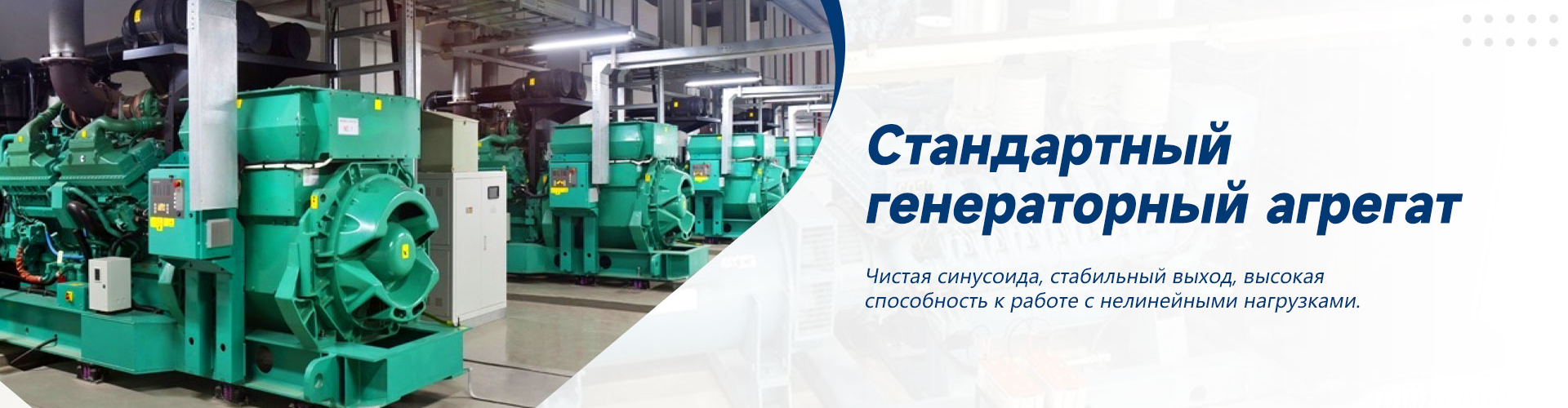
China: leader in generator rental?
2026-01-10
This is a question that often comes up in conversations with clients and colleagues. I’ll say right away that the answer is not as clear-cut as we would like. Many people, when they hear “China,” think only about gigantic production capacities and cheap products. But when it comes togenerator rentalAs a complex service - with logistics, service, quick response and adaptation to non-standard tasks - the picture begins to become more complicated. Yes, China is the absolute world leader in the production of generator sets. But leadership in the rental market is a completely different story, where local infrastructure, fleet depth and, critically, understanding of local conditions play a role. I’ll try to sort it out based on what I’ve seen and what I’ve encountered myself.
Manufacturing power versus service network
Of course, Chinese factories produce a colossal amount of equipment - from compact gasoline generators to powerful diesel power plants with megawatt capacity. Brands like Weichai, Yuchai, Shangchai, Cummins (under license) are known to everyone. Their units have flooded the world, and this creates the illusion that Chinese companies should dominate globally in the rental segment as well. However, there is a catch.
Renting is not selling hardware. This is a service tied to a specific point on the map. A client in Samara or Krasnodar needs a generator here and now, with delivery tomorrow, or better yet, today, with a guarantee of performance and on-site service support. The world's largest rental players, such as Aggreko or United Rentals, have built their power on a dense network of local depots. Chinese companies, with rare exceptions, do not yet have such a global service network. Their strength lies in supplying equipment to other rental companies around the world.
However, the trend is changing. Chinese manufacturers are increasingly developing not just sales departments, but full-fledged service and logistics hubs in key regions. They understand that the future lies in integrated energy solutions. For example, I heard about the companyYuke (Shandong) Electrical Technology Co.,Ltd(Yuke Electric). They grew out of the DEVER team, founded back in 2003 in Qingdao. Their websitevoyoko.rupositions them not just as a seller, but as a technology enterprise combining R&D, supply, engineering and, importantly, services. This is exactly the case when a manufacturer is trying to directly enter the services market, including, I believe,rental of power plants. But how effective this model is outside of China is a big question.
Where are Chinese solutions really strong? Cases from practice
Let's get specific. In my practice, Chinese generators are found quite often in rental parks. But often they operate under the guise of a local rental company. Strengths? The rental price can ultimately be very competitive. And the reliability of modern units is no longer the same as it was 15 years ago.
I remember a temporary power supply project for the construction of a logistics hub. Three 500 kVA units were needed for a long period of time. European brands offered reliability, but the rental costs were steep. The Chinese version through a local distributor turned out to be 25-30% cheaper. Did you take risks? Yes. But we studied the reviews for this particular model in detail and checked the availability of spare parts at the distributor. As a result, they completed all the deadlines without serious failures. The key factor was the availability of competent service support “on the ground?” from a partner, and not from the Chinese factory itself.
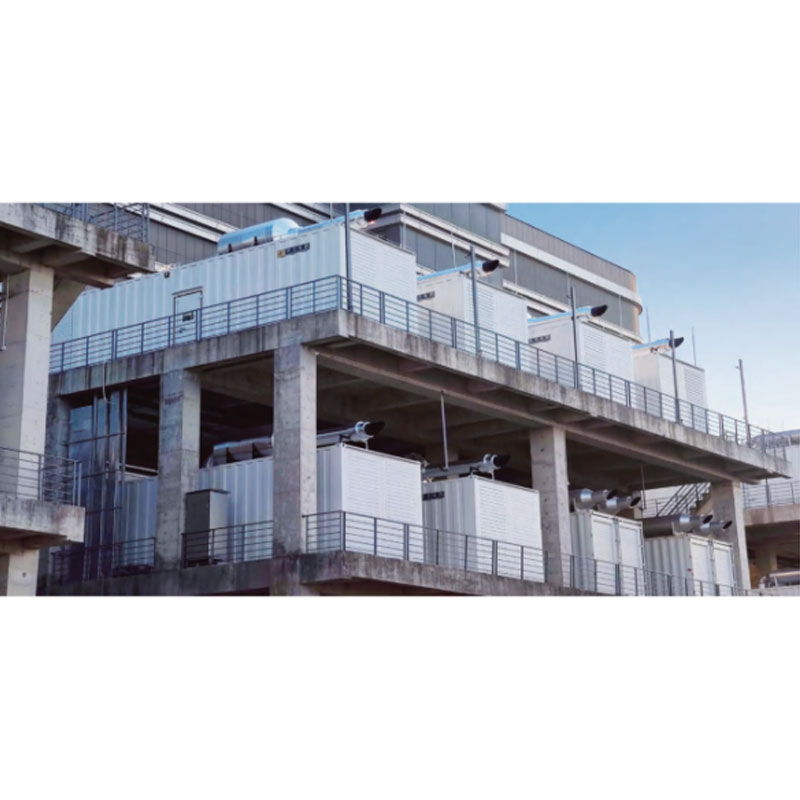
Another case is rental for an open-air film festival. Quiet generators were required. Chinese manufacturers are now making very decentpower plantsin soundproof casings (hood). In terms of noise characteristics, they are already close to their European counterparts. And again, the deciding factor was not the brand, but the fact that the local rental company we rented from had these units in their fleet in excellent technical condition and could quickly service them.
Weaknesses and typical mistakes when working with “Chinese” rent
Don't flatter yourself. Problems abound, and they are often rooted in the supply chain. If you are trying to rent a generator directly from a Chinese company without a presence in your country, prepare for a headache.
The first is logistics and customs. The deadlines will come when they come? kill all the benefits. This route is not suitable for short-term rentals. Second is documentation. Instructions and data sheets are sometimes translated by machine; understanding connection diagrams or error codes can be painful. Third, and most importantly, service “support”. via Skype or email. When the generator was installed at a site 500 km from the capital, and the “engineer”? from Shandong asks to shoot a video and wait a day for a response - this is a failure.
I had a bad experience (fortunately, not my personal experience, but that of my colleagues) with renting a specialized high-voltage installation. The local supplier assured that everything was turnkey. But when an emergency situation arose with the control system, it turned out that the software was entirely in Chinese, and the specialist who configured it flew back. Downtime of the project cost a lot of money. Bottom line: Who stands between you and the manufacturer is critical.
CIS market: who is the real rental leader here?
In Russia, Kazakhstan, and Belarus, the generator rental market is, first of all, local players with an extensive network. They form their fleet from equipment from different manufacturers, including Chinese, but provide it with service. Their leadership lies in their knowledge of the local regulatory framework, climate (for example, frosts or sandstorms), the presence of their own service teams and spare parts warehouses.
Chinese companies in this segment often act as equipment suppliers for these local leaders or create joint ventures. For example, the sameYuke Electric, judging by their description as a company combining R&D, technical consulting and engineering construction, can work on a “turnkey” model of delivering complex solutions, which may include temporary power supply with subsequent purchase of equipment by the client. This is a hybrid model between sales andgenerator leasing.
Thus, to the question ?China: the leader in rentals?? in the CIS region, I would answer this way: China is the leader in supplying rental companies with fleets, which are the real leaders on the ground. The direct presence of Chinese rental services is still limited in nature and is often associated with large infrastructure projects where Chinese capital and contractors are involved.
The future: integration, not dominance
Where is everything going? I think there is no talk of a direct takeover of the global rental market by Chinese companies. There will be deep integration. Chinese manufacturers will increasingly open or acquire service centers and create joint ventures with local players, as Korean or Japanese companies do.
Their trump card is the ability to offer not just a rental unit, but an entire energy solution with hybrid systems, solar panels, and IoT-based control systems, which they also develop. That's where their technologicalcompetitiveness, which Yuke Electric writes about in its philosophy, can reveal itself in the service segment.
For us practitioners, this is ultimately a good thing. More choice, more technology, healthy pressure on prices. But the golden rule will remain unchanged: when you rent, look not at the country that produces the iron, but at the company that will service it tomorrow at three o’clock in the morning in the rain. She is the real leader of your specific project.
-


-
-


WeChat

-
WeChat