

Mobile lighting mast: characteristics and applications
2026-07-11
- Technical characteristics of a mobile lighting tower: from generator power to aerodynamics
- Applications: from quarries to emergency zones
- Light Source Comparison: LED vs Metal Halide Lamps
- Design features and resistance to external factors
- Production standards and reliability of solutions of Yuke LLC
- Economic efficiency and total cost of ownership calculation
- Frequently Asked Questions
- Final recommendations and steps to purchase
Technical characteristics of a mobile lighting tower: from generator power to aerodynamics
A mobile lighting mast is not just a light on wheels, but a complex engineering system, where each parameter directly affects the safety of work and the final cost of ownership. In our practice, we have repeatedly encountered a situation where customers selected equipment solely based on lifting height, ignoring the wind load and the type of light source, which led to the structure tipping over at a wind speed of only 12 m/s or to downtime due to electronics failure in cold weather. Key characteristics such as the power of the diesel generator (typically 5 to 20 kW), the height of the telescopic mast (standard range 6-9 meters) and the type of lights used (metal halide or LED) determine whether the installation can operate autonomously for 48 hours without refueling or whether it can withstand operation in the Far North.
Let's take a closer look at the parameters that really matter when purchasing. The power of the internal combustion engine must have a margin of at least 20% relative to the total power consumption of the spotlights and control system. If you use four 200W LED floodlights, the total load will be 800W, but the 1kW generator will be working at its limit, wearing out quickly. We recommend a minimum power of 3–5 kW for such tasks to ensure stable starting in the cold season. The height of the mast dictates the coverage area: a 6 meter mast illuminates approximately 2000 m² with 10 lux uniformity, while a 9 meter structure covers up to 4000 m². However, the higher the mast, the more critical the stabilization system becomes.
One of our clients in Yakutia lost a shipment of equipment in winter because they chose a hydraulic lifting system with oil that was not adapted to temperatures below -30°C. The hydraulics froze and the mast became stuck in the raised position due to gusts of wind. Modern mobile stations must be equipped with either electric lifting drives or hydraulics with all-season fluids. The type of chassis is also important: single-axle trailers with pneumatic tires are suitable for hard surfaces, while off-road wheels and a reinforced frame with a ground clearance of at least 400 mm are required for construction sites with soil. Continuous operation time without refueling is another critical parameter. A standard 50-liter tank at 70% load provides 8–10 hours of operation, but for round-the-clock duty an option for a larger tank or an automatic fuel pumping system from an external tank is required.
When choosing, pay attention to the IP protection class of electrical equipment. For operation in dust and rain, the minimum standard is IP54, but for extreme conditions it is better to look for IP65. Do not chase the maximum height if your task is to illuminate a local repair area; extra meters increase windage and the risk of an accident.Check the GOST or EAC certificate of conformity before purchasing, as the lack of marking can lead to problems during customs clearance and operation at facilities with strict security controls.
Applications: from quarries to emergency zones
The areas of use of mobile lighting towers are much wider than is commonly believed, and the choice of a specific configuration depends on the physical conditions of the environment, and not just on the desire to “illuminate the area.” In road construction, the main problem is vibration and dust. Regular office lamps fail here within two weeks. A mobile mast for highways must have vibration-proof lamp mounts and an air filtration system for the generator. On one section of the M-12 highway, we observed how the use of a mast with LED matrices instead of metal halide lamps reduced fuel consumption by 35% due to the possibility of installing a lower-power generator, while the quality of lighting improved due to the absence of flicker.
In the mining industry, equipment requirements are increasing manifold. Quarries are areas with high dust levels, temperature changes and the risk of mechanical damage. It uses masts with a reinforced frame, protective grilles on the floodlights and a remote control system that allows the operator to raise the mast from the excavator cab. The lighting area of one such installation reaches 15,000 m², which makes it possible to replace five stationary poles. An important caveat: in mines and mines, spark-proof design is often required, although for open pits standard protection against ingress of solid objects is sufficient.
Emergency services use mobile masts in completely different environments: speed of deployment is more important than maximum height. When dealing with the consequences of a hurricane or flood, minutes count. Compact masts that can be deployed manually in 3 minutes without using a control panel are becoming indispensable. They are often equipped with inverters for connecting medical equipment or rescue tools. During the exercises of the Ministry of Emergency Situations in the Krasnodar Territory, it was recorded that the use of masts with a 360-degree rotating base made it possible to effectively illuminate the search area in a forest belt, changing the direction of the light flow without moving the trailer itself.
The oil and gas industry dictates its own rules: explosion protection and work in aggressive environments. Masts for oil refineries must comply with ATEX standards or Russian equivalents of explosion-proof equipment. The housings of the lamps are made of stainless steel or special alloys that are resistant to corrosion from hydrogen sulfide. Here the cost of error is extremely high, so saving on certificates is unacceptable.If your facility is located in an area with special fire safety requirements, ask the supplier for an explosion protection passport for each piece of equipment, otherwise the inspector will stop work on the first day.
Light Source Comparison: LED vs Metal Halide Lamps
The choice between light-emitting diode (LED) and gas-discharge (HID/MH) light sources is the most common question when purchasing, and the answer to it is not as obvious as it seems at first glance. Many people believe that LED is always better, but in conditions of extremely low temperatures or when it is necessary to break through a dense dust curtain, traditional solutions sometimes win. Let's look at the real numbers and physics of the process so that you can make an informed decision based on your budget and operating conditions.
The energy efficiency of LEDs is undeniable: they consume 2–3 times less energy with the same luminous flux. This allows you to install a generator of lower power, save on fuel and reduce the size of the entire installation. However, the initial cost of an LED mast can be 40–60% higher than its counterpart with metal halide lamps. The payback period for this difference is usually 12–18 months with intensive use (more than 8 hours a day). If the mast is used sporadically, for example, 2-3 times a month for overnight repairs, the overpayment for LED may never be worth it.
There is an important technical nuance that sellers rarely talk about: the emission spectrum. Metal halide lamps have a wider spectrum with a high color temperature, which in some cases penetrates better through fog, rain or construction dust. Narrow spectrum LEDs can create a “wall” effect in thick fog, reflecting off water droplets and blinding the operator. In port areas with constant sea pollution, we recommended that clients retain metal halide sources for this very reason, despite the trend toward environmental friendliness.
Reliability in cold weather is another stumbling block. High-quality LEDs operate stably down to -50°C, instantly reaching full power. Metal halide lamps require time to ignite (up to 5–10 minutes) and restarting is possible only after complete cooling (about 15 minutes). If there is a short-term power outage at the facility, the area is plunged into darkness for a quarter of an hour, which is unacceptable for security perimeters. On the other hand, the LED driver electronics are sensitive to voltage surges, which often occur when operating cheap generators.
| Comparison parameter | Light Emitting Diodes (LED) | Metal halide (MH/HID) |
|---|---|---|
| Power consumption | Low (200–400 W per floodlight) | High (1000–2000 W per floodlight) |
| Service life | 50,000 – 100,000 hours | 10,000 – 20,000 hours |
| Time to enter mode | Instantly (0 sec) | 5–10 minutes (ignition) |
| Sensitivity to cold | Low (work stably) | Medium (difficult starting below -20°C) |
| Penetration through dust/fog | Average (depending on spectrum) | High (broad spectrum) |
| Source replacement cost | High (the entire module is changed frequently) | Low (only the lamp is changed) |
| Recommended Scenario | Long continuous operation, fuel saving | Short-term sessions, budget projects, difficult weather conditions |
We tested two identical masts in a quarry in Kuzbass in winter. The LED mast required refilling the tank once every 12 hours of operation, while the analogue with MH lamps required refilling every 5 hours. However, at -35°C, one of the LED panels failed due to condensation inside the housing caused by the sudden temperature change when turned off, while the metal halide lamps continued to work, albeit with a delay in turning on.For facilities with a 24-hour operating cycle, definitely choose LED, and for emergency backup systems or seasonal work with a limited budget, consider high-quality metal halide solutions.
Design features and resistance to external factors
The stability of a mobile mast against overturning is determined not by the weight of the base, but by a competent calculation of the center of gravity and the area of support. In our practice, there was a case when a heavy mast with a massive generator overturned on a flat area due to the fact that the outriggers were installed on soft ground without pads. The contact area turned out to be insufficient, and when the mast was raised 8 meters, the force lever exceeded the stabilizing moment. Modern models should be equipped with automatic tilt sensors that block lifting when the angle is exceeded by 3-5 degrees.
The mast material plays a key role in durability. Aluminum alloys are lighter and do not corrode, making them ideal for coastal areas and the chemical industry. However, steel is stronger and cheaper, although it requires high-quality hot-dip galvanizing. We've seen masts where the paint has peeled off after six months, and rust has eaten away the telescopic sections, making it impossible to extend them. Pay attention to the quality of the welds and the presence of anti-corrosion treatment for the internal cavities of the sections - this is the place that is most often missed during quality control.
The chassis and chassis must suit the logistics of your region. To move along highways at speeds of up to 90 km/h, a spring suspension and a braking system with inertial or hydraulic drive are required. Lightweight masts up to 750kg can be operated without an “E” license in many jurisdictions, simplifying logistics. However, for heavy installations over 3500 kg, full braking equipment and registration with the traffic police are required. Wheels with a diameter of R13 are suitable for asphalt, but for off-road use R16 wheels with all-terrain tread are required.
The control system has also evolved. Hand winches are reliable, but slow and require physical effort. Electric drives are convenient, but depend on battery power. Hydraulic systems provide smoothness, but are afraid of the cold. The optimal solution for northern regions is a combined drive or an electrical system with a heated battery compartment. It is important to check the presence of an emergency lowering system: if the engine stalls or the electronics fail, the mast must have a manual safe lowering mechanism so as not to become a sail in a stormy wind.
Protection against vandalism and theft is becoming increasingly important. Removable control panels, hidden fuel tank locks and the ability to install GPS trackers are mandatory options for facilities that remain unguarded at night. We recommend painting the frames in bright signal colors, not only for visibility, but also as a psychological deterrent, and indelibly marking the owner on all components.Before purchasing, be sure to request a trailer axle load distribution drawing to ensure that your tow vehicle can safely transport this weight without the risk of the tongue coming off the hitch.
Production standards and reliability of solutions of Yuke LLC
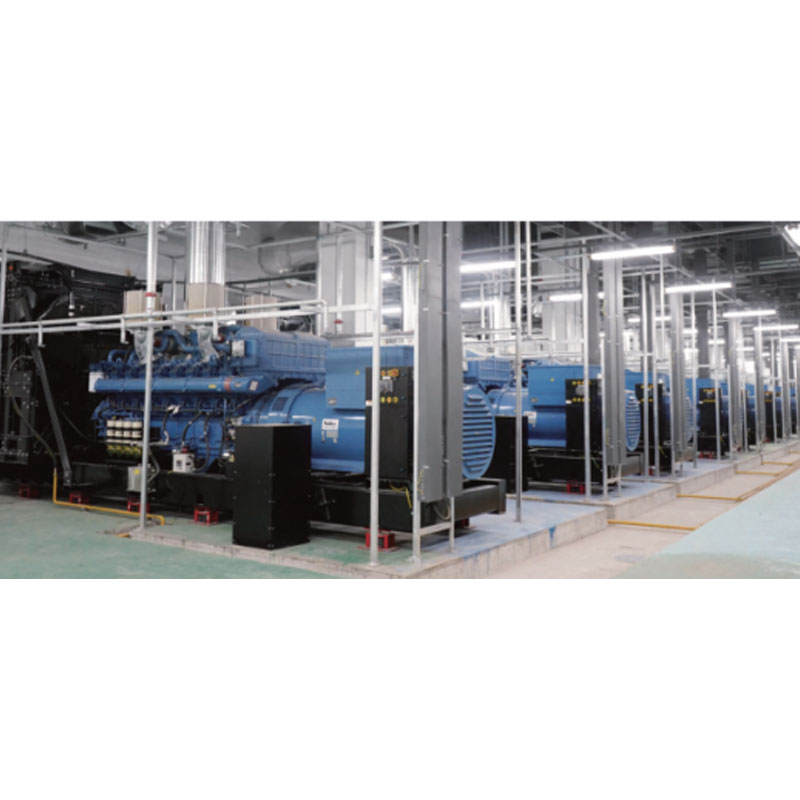
When choosing a mobile lighting supplier, it is critical to understand exactly how the equipment is built. Mast reliability begins not at the construction site, but in the assembly shop. A striking example of an approach where quality is at the forefront is the companyYuke (Shandong) Electrical Technology LLC" This professional Chinese company specializes in developing comprehensive solutions in the field of autonomous power supply, combining engineering competencies in the field of generation and mobile power systems. Based in Shandong Province, the company operates as an integrator, relying on strategic partnerships with the world's leading engine brands such as Cummins, MTU, Perkins, SEM and Yuchai.
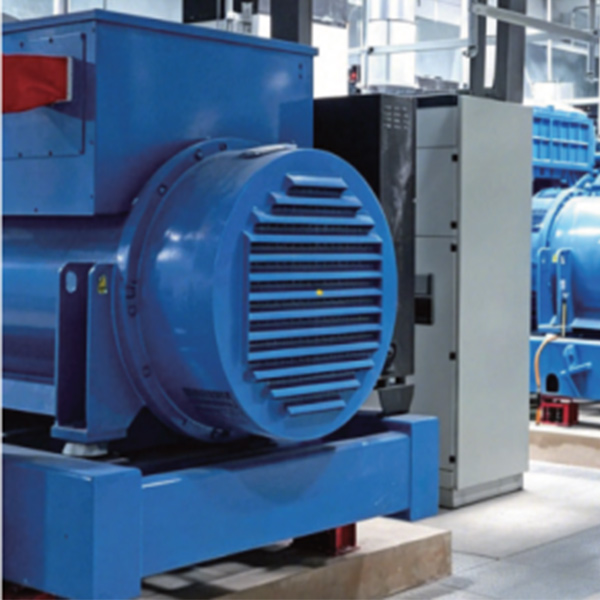
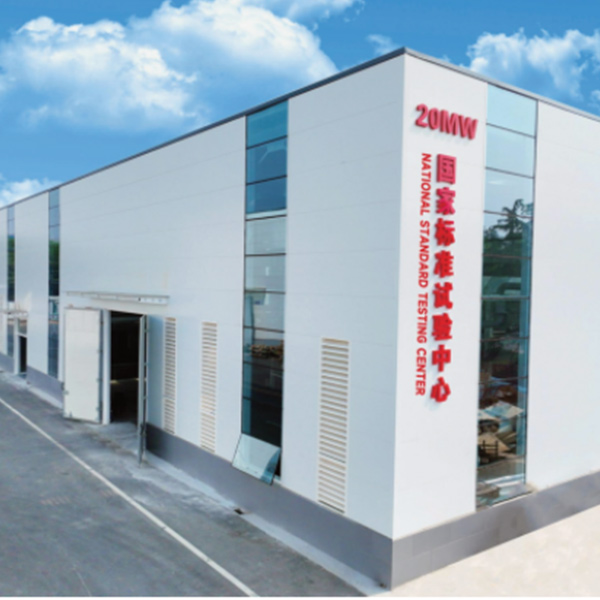
The product portfolio of Yuke LLC includes eight key categories, among which mobile light towers, silent generator sets and specialized mobile power plant trailers occupy a special place. Unlike many manufacturers who assemble equipment on their knees, the Yuke production base is equipped with modern equipment for multi-stage quality control. Each product undergoes mandatory load testing for at least 4 hours under rated and partial load before shipment. The parameters of noise, vibration, temperature and stability of the output voltage are checked. This approach ensures that the mast received by the client is ready to work in the harshest conditions - from the deserts of the Middle East to the frost of Siberia.
The company's engineering flexibility allows us to adapt solutions to regional standards and application specifics. For example, for the CIS countries and northern regions, configurations are offered with enhanced thermal insulation of battery compartments and the use of Arctic oils in hydraulics, which directly solves the problems we described earlier in the section on winter operation. The company supplies products not only to Asia, but is also actively developing a network of service partners in the CIS countries, providing customers with technical support, personnel training and prompt delivery of original spare parts. The philosophy of “reliability through responsibility” means that the buyer receives not just metal and wires, but a guaranteed working system with a full package of documents and certification.
Economic efficiency and total cost of ownership calculation
When evaluating a mobile lighting investment, a mistake many buyers make is focusing only on the purchase price (CAPEX) while ignoring the operating costs (OPEX). A cheap mast can cost 300,000 rubles, but over three years of operation it will “eat up” another 500,000 rubles in fuel and repairs, while an expensive model for 600,000 rubles will pay for itself due to diesel savings and lack of downtime. The calculation should be carried out over a horizon of at least 3–5 years, taking into account current energy prices.
Fuel consumption is the main expense item. A 10 kW generator at 75% load consumes about 2.5–3 liters of diesel per hour. For a work shift of 10 hours this is 25–30 liters. Multiply this by the number of shifts per month and the fleet of equipment, and the numbers become impressive. Switching to LEDs reduces the load on the generator by up to 30–40%, which proportionally reduces fuel consumption. In addition, running the generator at low load (less than 30%) is harmful to the engine: carbon deposits form and the oil is diluted by fuel. Correct selection of generator power for the actual load extends its service life by 1.5–2 times.
Maintenance costs include oil changes, filters, spark plugs and the bulbs themselves. Metal halide lamps lose 30% of their brightness by mid-life, which often goes unnoticed by operators, leading to reduced productivity. LEDs degrade more slowly, but their replacement requires qualified personnel and original spare parts. Having a supplier's service network in your region is critical: a simple mast waiting for a spare part from China can cost more than the spare part itself due to work stoppages on site. That is why choosing a partner with developed logistics and a spare parts warehouse, such as Yuke LLC, becomes a factor in the economic security of the project.
Liquidation value also plays a role. Branded equipment from well-known manufacturers with a full package of documents is easier to sell on the secondary market after 5 years, saving up to 40% of the initial cost. Unnamed analogues often turn into scrap metal, since no one wants to buy a pig in a poke without a warranty and service history. Also consider the cost of insurance: having security certificates and anti-theft systems can reduce your insurance premiums by 10-15%.
In one of our projects for a logistics terminal, we calculated that the introduction of a fleet of 10 LED masts instead of old metal halide masts allowed us to reduce the annual fuel budget by 1.2 million rubles. Moreover, the initial investment paid off in 14 months. However, this calculation is only correct for a 24/7 work schedule. For seasonal work with a workload of 200 hours per year, the savings would be negligible, and overpaying for technology would not make sense.Create a cash flow spreadsheet for your specific use case before you sign a contract, and don't be fooled by marketing promises of “50% savings” without reference to your hours worked.
Frequently Asked Questions
What mast height should I choose to illuminate a football field or a large construction site?
Amateur level football field lighting requires a height of at least 12-15 meters to ensure uniformity of light and no glare to players, but standard mobile masts rarely exceed 9 meters. For such tasks, it is better to use several masts 6–7 meters high, placed around the perimeter, which will give softer light without harsh shadows. For a typical construction site with an area of 2000–3000 m², the optimal height is 6–7 meters: this is enough for one floodlight to cover an area with a radius of 30–40 meters. Lifting above 9 meters on a mobile chassis sharply increases the risk of capsizing in winds above 10 m/s, unless additional guylines are used.
Can the mobile mast be used in winter at temperatures of -40°C?
Yes, operation is possible, but only if a number of strict conditions are met. Firstly, the generator must be equipped with a pre-heater for the fluid and battery, otherwise the diesel engine simply will not start. Secondly, the hydraulic oil must be replaced with arctic oil with a pour point below -50°C, otherwise the lifting mechanism will jam. Thirdly, LED lamps must have a protection class of at least IP65 and a design that prevents the accumulation of snow on cooling radiators. Conventional batteries in such conditions are discharged within 2–3 hours of inactivity, so a thermally insulated compartment with constant heating from the on-board power supply is required.
How long does it take one person to deploy the mast?
Modern models with electric or hydraulic drive allow one operator to fully deploy the mast, remove the supports and turn on the lighting in 3-5 minutes. The process includes: installation on a flat surface, fixing the parking brake, extending the screw supports (outriggers) until the wheels leave the ground, pressing the lift button and turning on the lights. Manual models with a winch require more time - about 10-15 minutes and physical effort. It is important to remember that safety regulations prohibit lifting the mast without first securing the supports, even if there is no wind, since a sudden gust can happen at any second.
Final recommendations and steps to purchase
The choice of a mobile lighting tower is a balance between the technical requirements of the site, climatic conditions and the economics of the project. There is no universal solution suitable for all cases: what works ideally in the port of Sochi may be useless in the oil field of Khanty-Mansiysk. The main lesson that we have learned over the years of work: never skimp on the stabilization system and the quality of the generator, since it is these components that determine the survivability of the equipment in real, not laboratory conditions.
Before placing an order, make a checklist of your requirements: maximum height, required luminous flux in lux, type of surface for installation, temperature range and required battery life. Request from the supplier not only a commercial proposal, but also a copy of the EAC or GOST certificate, a product passport indicating the steel grade and IP protection class. Ask for contacts of current customers in your area to learn about actual operating experience, not just brochures.
Remember that a reliable partner offers not just hardware, but service support and a guarantee of spare parts availability in stock. Equipment that cannot be repaired within 24 hours becomes a problem rather than an asset. If you are ready to discuss the details of your project and receive a personalized efficiency estimate based on advanced technology and strict quality control,contact us today. Our engineers, based on their experience of cooperation with leading manufacturers, will help you choose a configuration that will save your budget and ensure the safety of your work. For a detailed catalog with technical specifications, please visitmobile lighting masts.
-


-
-


WeChat

-
WeChat