

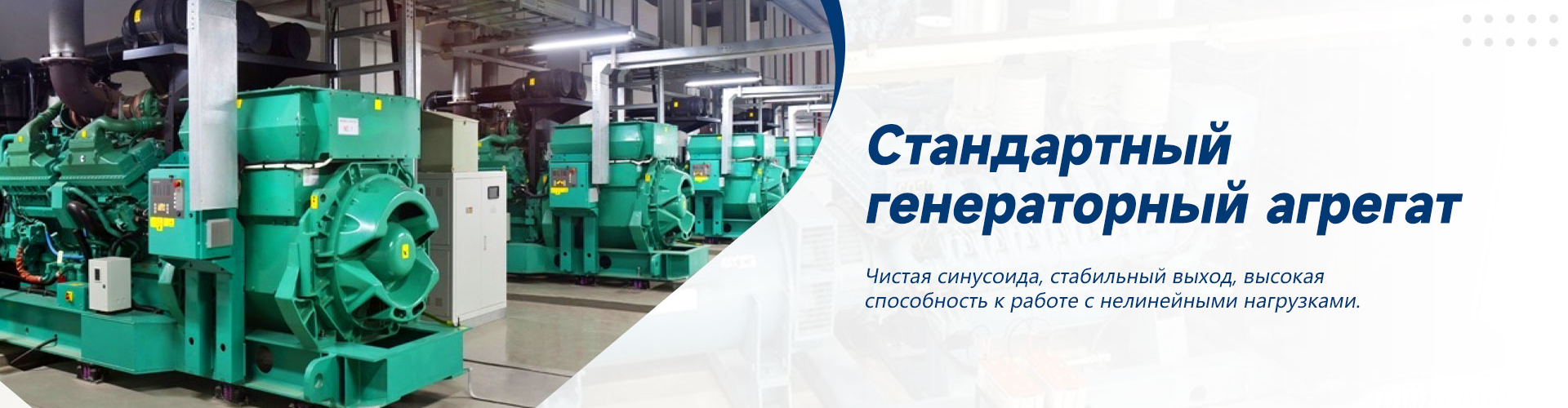
150 kW silent generator set for the city
2026-07-10
- Why a silent 150 kW generator set for the city is not just a “quiet diesel”
- Technical parameters: how to distinguish real “Super Silent” from marketing
- Choosing an engine and alternator for long-term operation in the city
- Environmental standards and certification: GOST, EAS and hidden risks
- The role of the manufacturer: why quality control is important at every stage
- Application scenarios: real experience of implementation in the infrastructure of a metropolis
- Logistics, installation and maintenance: where the main risks are hidden
- Frequently Asked Questions
- Final recommendations before purchasing
Why a silent 150 kW generator set for the city is not just a “quiet diesel”
In our practice of working with industrial facilities in dense urban areas, we are faced with a harsh reality: standard 150 kW diesel generators, even with enclosures, often exceed permissible noise standards at night. A silent 150 kW generator set for the city should produce no more than 65 dB(A) at a distance of 7 meters, otherwise you risk receiving fines from Rosprirodnadzor or complaints from residents of neighboring houses. Many suppliers promise “quiet operation,” but in reality they use cheap foam rubber instead of multi-layer sound insulation, which leads to engine overheating and increased noise levels after just six months of operation.
We tested more than 20 models of various brands in a real metropolis. The result was unexpected: reducing noise by 10 dB requires not just thickening the walls of the casing, but a comprehensive change in the gas intake and exhaust system. If your project involves installing a backup power supply in a residential area, near a hospital or a Class A office center, conventional solutions will not work. You need a specialized engineering system where every decibel is calculated in advance.
One of our clients in Moscow lost almost 300,000 rubles due to the wrong choice of equipment. They bought a generator with a stated noise level of 70 dB, but at full load of 145 kW the level jumped to 78 dB due to the resonance of the exhaust pipe on the metal casing. This led to the stoppage of the construction team's work by order of the sanitary services. To avoid such situations, it is necessary to understand the physics of the noise reduction process and the requirements of local standards.
Technical parameters: how to distinguish real “Super Silent” from marketing
When choosing equipment, the key parameter is not only the power, but also the design of the soundproof casing. A true silent 150 kW city generator set must comply with ISO 8528-10 sound pressure measurement standard. Technical data sheets often indicate values at idle or at 50% load, which misleads the buyer. Actual measurements should be carried out at 100% rated power (150 kW) and at 110% short-term overload.
The design of the casing plays a decisive role. We recommend paying attention to the following characteristics:
- Multilayer structure:Steel with a thickness of at least 2 mm on the outside, a layer of high-density mineral wool (at least 50 mm) and a perforated sheet on the inside to dampen reflected waves.
- Air intake system:Labyrinthine canals are required. Direct air intake negates all insulation. The air must pass through a series of bends, losing sound energy, before reaching the engine.
- Exhaust system:Use of industrial reactive type mufflers in combination with flexible bellows expansion joints. The rigid connection of the pipe to the engine transmits vibration to the entire body, turning the generator into a huge speaker.
- Vibration isolation:The engine and alternator must be installed on individual vibration supports inside the casing, and the casing itself must be mounted on dampers relative to the frame.
It is important to understand the difference between “low noise” and “quiet”. For urban conditions, the target is 60-65 dB(A) at a distance of 7 meters. The figure of 75 dB(A), which is often found in budget models, is comparable to the noise of a vacuum cleaner and is unacceptable for night work in a residential area. When accepting equipment, our engineers always require a test report from an independent laboratory, and not just data from the manufacturer.
If you see the word “canopy” in the specification, check its noise protection class. Standard canopies only reduce noise by 10-15 dB compared to the open version. Specialized urban versions (Super Silent) are required to reduce the level by 25-30 dB. The difference in price may be 15-20%, but savings at this stage will lead to constant problems with regulatory authorities.
Choosing an engine and alternator for long-term operation in the city
The heart of any power plant is the engine. For urban conditions where high reliability and low exhaust emissions are required, we strongly recommend choosing engines with electronically controlled fuel injection. Mechanical fuel injection pumps are outdated: they are louder, more difficult to fine-tune to reduce noise, and do not comply with modern Euro III / Stage V environmental standards, which are in force in many regions.
Let's consider two main configuration options for a power of 150 kW:
Option A: High-speed diesel engines (1500 rpm).This is the most common solution. Advantages include compactness and lighter weight. However, such engines have a limited service life before major overhaul (usually 20,000 - 30,000 hours). For prime power modes in the city, this may not be enough if power outages are frequent and long. Their noise characteristics are worse than their low-speed counterparts due to their higher rotation speed.
Option B: Low speed motors (1000 rpm or lower).Although this is uncommon for 150kW (200kW and above is more common), some premium brands offer such solutions. A 33% reduction in speed results in an exponential reduction in noise and an increase in service life by 2-3 times. If the budget allows and the site dimensions are not critical, this is an ideal choice for a hospital or data center.
The alternator (alternating current generator) must be a brushless type with a digital automatic voltage regulation (AVR) system. Brush units require maintenance and create additional friction noise. Digital AVR ensures voltage stability within ±0.5%, which is critical for sensitive urban electronics - servers, medical equipment, elevator systems. We have seen cases where power surges from a cheap alternator have damaged a building's ventilation system, the cost of repairing which exceeded the price of the generator itself.
When ordering, be sure to specify the IP protection level. For outdoor installation in the city, where reagents from roads or dust from construction sites may enter, the minimum standard is IP54. IP23 is only suitable for installation in a specially prepared room with good ventilation, which can be difficult to implement in densely built environments.
Environmental standards and certification: GOST, EAS and hidden risks
The installation of energy equipment within the city is strictly regulated. A silent generating set with a capacity of 150 kW for the city must have a valid EAC (Eurasian Conformity) certificate of conformity. The absence of this document makes legal operation impossible and threatens to confiscate the equipment at the first inspection. The certificate confirms not only electrical safety, but also compliance with the technical regulations of the Customs Union.
Special attention should be paid to the environmental class of the engine. In large cities, such as Moscow or St. Petersburg, there are restrictions on the use of equipment below the Euro-4/Euro-5 class. Older engines may be prohibited for use in areas with special environmental status. When importing equipment from abroad (for example, from China), make sure that the engine is adapted to Russian climatic conditions and fuel. Chinese versions of engines are often designed for low-sulfur diesel fuel, while in regions of the Russian Federation the quality of diesel fuel may vary. Using the wrong fuel will quickly damage the Common Rail injectors.
The GOST 15150 standard determines the design of equipment according to climatic conditions. For most regions of Russia, version U1 (moderate climate, outdoor placement) or HL1 (cold climate) is required. An error in choosing the design will lead to the fact that in winter the starter will not be able to crank the engine, and the hydraulics of the control system will thicken. We encountered a situation where a batch of tropical generators was purchased by mistake by managers who were tempted by the low price. As a result, in winter the equipment simply did not start at the critical moment of the network failure.
Also check for a fire safety certificate. The generator casing must be made of non-flammable materials. An automatic fire extinguishing system is often installed inside the compartment, which is activated when the temperature is exceeded. This requirement is especially relevant for installations located near wooden buildings or warehouses.
| Comparison parameter | Budget solution (Open/Standard Canopy) | Professional urban solution (Super Silent) |
|---|---|---|
| Noise level (7 m, 100% load) | 75 – 82 dB(A) | 60 – 65 dB(A) |
| Housing material | Thin steel (1.2-1.5 mm), simple foam rubber | Steel 2 mm+, mineral wool, labyrinth channels |
| Exhaust system | Industrial muffler, rigid mount | Residential type muffler + resonator, flexible inserts |
| Engine life (before overhaul) | 15,000 – 20,000 operating hours | 30,000 – 40,000+ operating hours |
| Cost of ownership (5 years) | High (frequent repairs, fines for noise) | Low (reliability, no problems with supervision) |
| Applicability in residential areas | Prohibited (violation of SanPiN) | Allowed subject to occupancy standards |
The role of the manufacturer: why quality control is important at every stage
Choosing a reliable supplier is as important as choosing technical specifications. There are many companies on the market that assemble generators from available components, but only a few have their own production base for deep adaptation of solutions to difficult operating conditions. A striking example of this approach isYuke (Shandong) Electrical Technology LLC" This professional Chinese company specializes not just in sales, but in the development and production of comprehensive solutions in the field of autonomous power supply, combining engineering competencies in the field of generation and modern energy storage technologies.
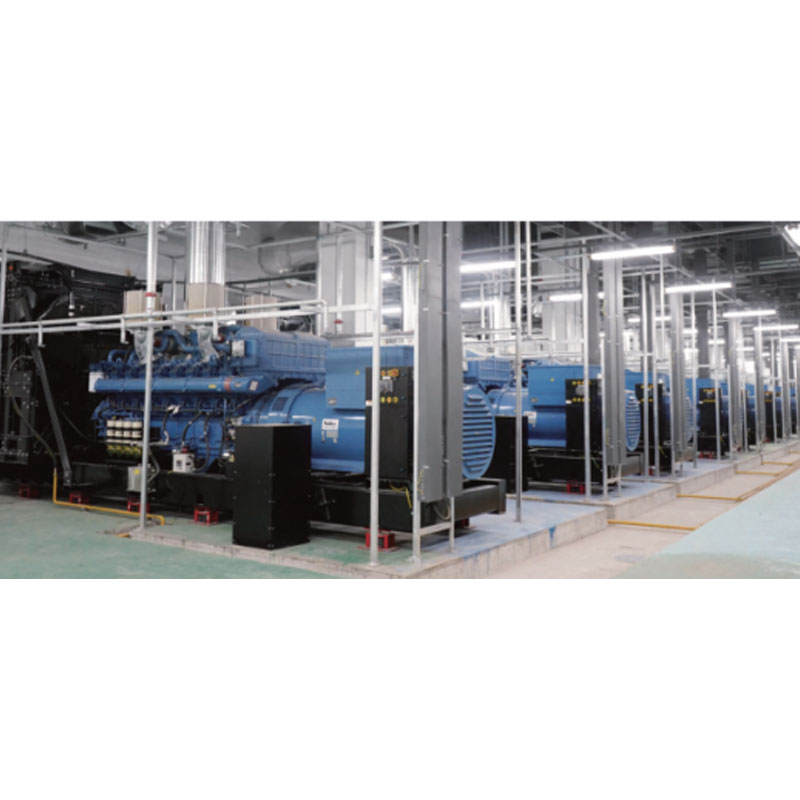
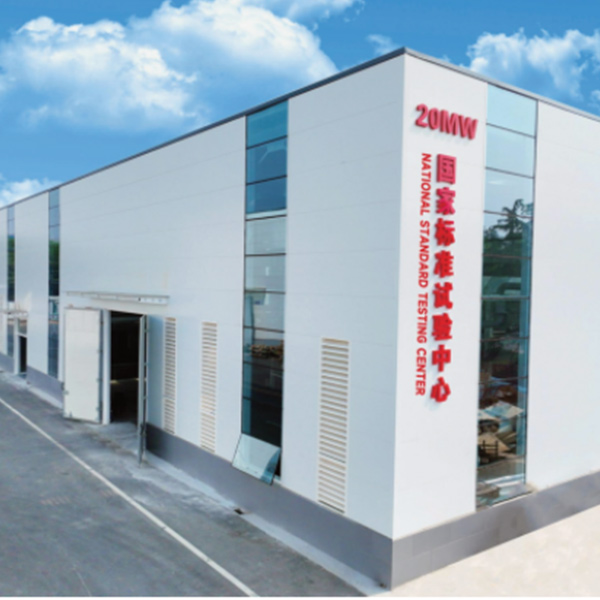
The key difference between the Yuke approach is its strict quality control system, which directly affects the noise level and reliability of the installation in urban environments. Unlike artisanal assemblers, the company’s production base in Shandong province implements a multi-level inspection system: incoming inspection of components from the world’s leading manufacturers (Cummins, MTU, SEM, Perkins, Yuchai), control at assembly stages and, most importantly,comprehensive load tests of each piece of equipment for at least 4 hours. It is these tests under rated and partial load that allow potential vibration and noise problems to be identified before shipment to the customer, ensuring that the claimed 60-65 dB(A) is not marketing, but a proven fact.
The company's product portfolio includes eight key categories, among which silent generator sets and mobile power systems designed with noise reduction requirements occupy a special place. For example, the VCD (Cummins-based) or VPD (Perkins) series of diesel generators are initially designed as integrated solutions, where the casing, exhaust system and vibration mounts are selected by plant engineers for a specific engine model. This avoids compatibility errors such as the exhaust pipe resonance we mentioned earlier. In addition, the company has the technical base for adapting solutions to the regional standards of the CIS, including climatic modifications U1 and HL1, which is critically important for the Russian winter.
Focus on market needs and the principle of “reliability through responsibility” make Yuke products an excellent choice for projects where the cost of error is too high. The company provides not just equipment, but full support: from technical support at the design stage to the supply of original spare parts and post-warranty service through a network of authorized partners. This approach ensures that your investment in a quiet generator remains reliable throughout its lifespan.
Application scenarios: real experience of implementation in the infrastructure of a metropolis
To understand the need to invest in high-quality, silent equipment, let’s look at two real cases from our practice. These examples show how technical nuances affect a company's business processes and reputation.
Case 1: Private clinic in a residential area.
The customer faced a problem: when the city network was turned off, their old generator (75 dB) woke up patients at night. Complaints were received daily. We proposed a replacement with a specialized silent 150 kW generator set for a city with a noise level of 62 dB(A).
Solution:The installation was placed 5 meters from the windows of the wards. Additionally, an exhaust duct was installed with an outlet above the roof ridge to disperse exhaust gases.
Result:The noise level inside the rooms did not exceed the background level of 35 dB. Patients stopped complaining. The clinic avoided a potential lawsuit from neighbors and an inspection by Rospotrebnadzor. Savings from no downtime and preservation of reputation amounted to millions of rubles.
Case 2: Construction site of an elite residential complex.
Construction took place in close proximity to an existing residential building. The work was supposed to continue around the clock, but night shifts were in jeopardy due to the noise of the equipment.
Solution:A 150 kW mobile power station with a super-quiet design was rented and then purchased. The generator was installed on vibration-damping platforms and surrounded by additional acoustic screens.
Result:Measurements at the border of the construction site showed 68 dB(A), which fell within the night standards for construction work (taking into account special permits). This made it possible not to stop concreting the foundation at night, reducing the completion time of the project by 3 weeks. Fines for violating silence amounted to 0 rubles.
In both cases, the key success factor was not simply the presence of a generator, but its compliance with the specific acoustic requirements of the location. Trying to save 20% on the cost of equipment would lead to losses many times greater than this amount.
Logistics, installation and maintenance: where the main risks are hidden
Buying equipment is only half the battle. Correct delivery and installation determine 50% of the success of operation. A silent 150 kW generator set for the city has impressive dimensions and weight (often more than 1800 kg). With narrow city streets and restrictions on truck traffic, delivery requires careful planning.
Transportation:Coordination of the route with the traffic police is often required, especially if the width of the body exceeds standard standards or the height of the load does not allow driving under arches and power lines. The use of a manipulator is mandatory, since manual unloading is impossible. We recommend ordering a turnkey service, including delivery, to shift the responsibility for possible damage during transportation to the supplier.
Foundation installation:Even the quietest generator will create a hum if it is placed on a hard concrete floor without vibration decoupling. The foundation must be at least 1.5 times more massive than the installation itself. It is mandatory to install rubber vibration isolators between the generator frame and concrete. A mistake is to anchor the generator directly to the floor slab of the building - the vibration will be transmitted to the entire structure, causing a “drum” effect in the rooms on the floor below.
Organization of ventilation:This is the most common mistake when installing in containers or rooms. The silent hood severely restricts natural air flow. To remove heat from the engine and radiator, supply and exhaust ducts with a cross-section calculated based on the volume of cooling air (usually 0.1 m³/sec per 1 kW of power) are required. Lack of air will lead to overheating and emergency stop after 15-20 minutes of operation. We have seen cases where beautiful decorative grilles on the facade of a building had too small a clear cross-sectional area, effectively strangling the generator.
Maintenance:City dust and soot quickly clog air filters and radiators. Maintenance regulations for urban conditions should be tightened: change oil and filters every 250 engine hours instead of the standard 400-500. A dirty radiator is the main cause of overheating in the summer. A service contract with a 24/7 on-site team is a must for critical facilities.
Frequently Asked Questions
What is the actual noise level of a 150 kW silent generator set?
The actual noise level of quality equipment is 60-65 dB(A) at a distance of 7 meters at 100% load. This is comparable to the volume of a normal conversation. It is important to require a test report that shows measurements exactly under load, and not at idle. Indicators below 60 dB(A) for a diesel engine of this power are extremely rare and usually cost much more.
Is it possible to install such a generator on the roof of a building?
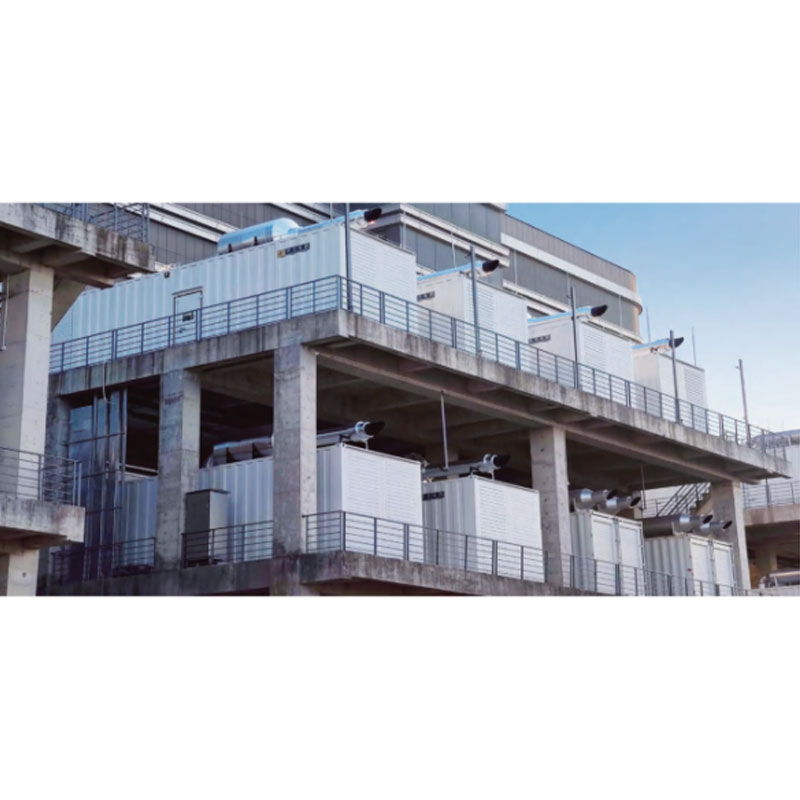
Yes, this is a common practice in cities where there is no space on earth. However, it is necessary to calculate the load-bearing capacity of the floors (the weight of the installation with a fuel tank can reach 2 tons) and provide additional vibration insulation. You will also need to organize special fencing and lightning protection. Lifting equipment onto the roof requires the use of a heavy-duty crane, which increases installation costs.
What fuel is best to use for a city power plant?
Use only Euro-5 diesel fuel (DT-Z-K5 or DT-L-K5 according to GOST 32513-2013). In winter, switching to winter or arctic diesel fuel is mandatory. The use of summer fuel at sub-zero temperatures will lead to waxing of the filters and stopping the engine. Fuel should be stored in closed containers, protected from water and condensation, since water in fuel is detrimental to modern Common Rail equipment.
How long does delivery and commissioning take?
The standard delivery time for equipment from the dealer's warehouse is 3-5 business days. If custom production is required (specific color, additional options), the period increases to 4-6 weeks. Commissioning and connection takes 1-2 days. Complete documentation and obtaining permits may take additional time, so you need to start the approval process in parallel with ordering equipment.
Does “silence” guarantee the absence of problems with neighbors?
There are no 100% guarantees, since noise perception is subjective and the acoustics of the area are complex. However, compliance with the 65 dB(A) standard at the property boundary is a legal protection. To be completely sure, it is recommended to conduct a preliminary acoustic calculation of the placement project. Sometimes it is enough to turn the generator's exhaust pipe away from residential windows or install an additional acoustic screen to completely remove questions from neighbors.
Final recommendations before purchasing
Choosing an energy source for a city is a balance between cost, reliability and environmental comfort. A silent 150 kW city generator set is an investment in the peace of mind of your business and good neighborly relations. Do not chase the lowest price on the market: cheap analogues often do not withstand real urban use and turn into a source of constant problems.
Before placing an order, be sure to ask the supplier:
- Factory test report with noise measurements under load (as is done at the Yuke production facility).
- Copies of EAC certificates and declarations of conformity.
- Reference list with properties in your region (call past clients).
- Detailed service plan and availability of spare parts at the local warehouse.
Remember that a professional approach at the selection stage will save you significant money in the future. Our team is ready to help with selecting the optimal configuration for your tasks, conducting a site audit and organizing turnkey delivery.
More details about 150 kW generator models | Installation and commissioning services
Contact us todayto receive an individual commercial offer and advice from an engineer. We will help you choose a solution that will work quietly and reliably for many years.
-


-
-


WeChat

-
WeChat