

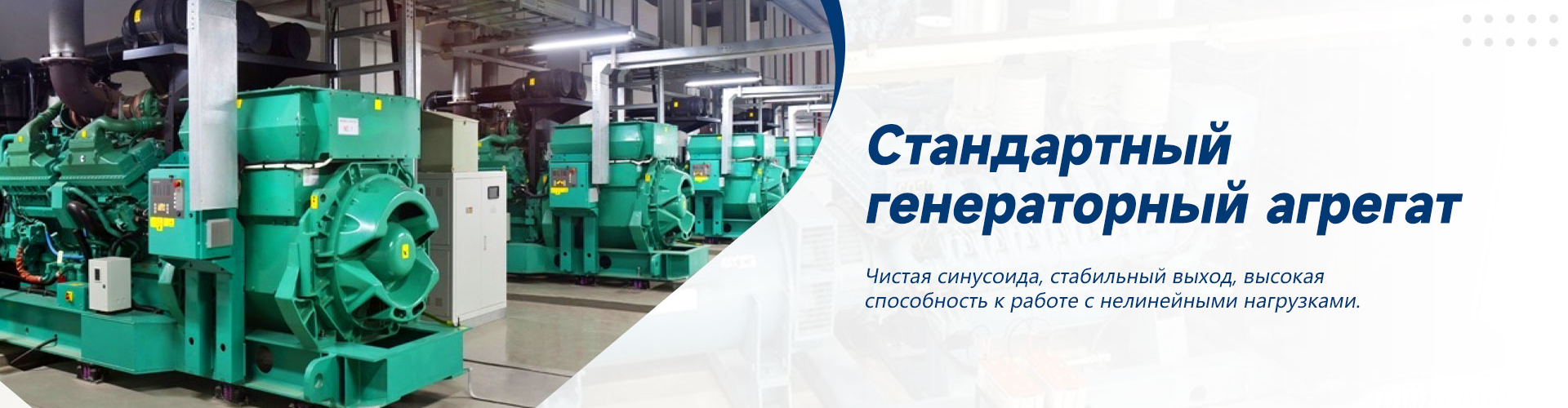
Backup power plant for a hospital: requirements and selection
2026-07-10
- Critical Requirements for Backup Power Plants for Healthcare Facilities
- Power calculation and load analysis of medical equipment
- Technical reliability standards and workmanship
- Automation systems and integration with building infrastructure
- Environmental standards and noise reduction in urban environments
- Comparative analysis of drive types: Diesel vs Gas
- Typical mistakes during procurement and installation
- Supplier selection procedure and evaluation criteria
- Conclusion and recommendations for action
Critical Requirements for Backup Power Plants for Healthcare Facilities
A failure of the power supply system in a hospital is not just a technical problem, but a direct threat to the lives of patients.Backup power plant for a hospital: requirements and selectionare determined not by the desire to save budget, but by strict safety standards and the need to ensure uninterrupted operation of resuscitation equipment, operating rooms and life support systems. In our practice, we have repeatedly encountered situations where the purchase of diesel generators on the basis of the “minimum price” principle led to the installation not starting at a critical moment due to incorrectly selected starting current power or lack of preheating.
According to the current standards GOST R 50783-2019 and international recommendations NFPA 110, the emergency power supply must reach full power in a time not exceeding 10 seconds for most medical areas, and instantly (less than 0.5 seconds) with the support of an uninterruptible power supply (UPS). This dictates specific requirements for the engine, the automatic transfer system (ATS) and the quality of the output voltage. The choice of equipment here is based on three pillars: reliability of starting at low temperatures, ability to withstand sudden load surges from medical equipment, and compliance with environmental emission standards in urban environments.
We have analyzed dozens of projects for equipping clinics and see a clear trend: managers of technical services often make the mistake of choosing household or semi-industrial class generators that are not designed to operate 24/7 in standby mode with high dynamic loads. The correct approach requires a detailed audit of the energy consumption of each department, taking into account the simultaneity factor and understanding the physics of operation of synchronous generators under non-linear load. Next, we will analyze the specific technical parameters that separate suitable equipment from risky ones.
Power calculation and load analysis of medical equipment
Determining the required power is the first and most critical stage, where errors cost the most. Simply summing up the nameplate powers of all devices is a gross mistake, which leads to overloading the engine and tripping the protection at the most inopportune moment. Medical equipment has specific consumption characteristics: MRI, CT, X-ray machines and lasers create high inrush currents and generate harmonic distortions into the network.
In our practice, there was a case when a hospital purchased a 500 kW station, calculating it based on the sum of the nominal values. When two CT scanners and an elevator for transporting patients were simultaneously turned on, the voltage dropped by 18%, which caused a reboot of the monitoring systems in the operating room. The problem was ignoring the reactive component of power and starting coefficients. For inductive loads (pump, ventilation motors), the starting current can exceed the rated current by 6-7 times, and for equipment with switching power supplies the power factor can be extremely low.
When calculating, the following safety factors must be used:
- For active load (lighting, heaters):reserve 10-15%.
- For inductive loads (pumps, fans, elevators):accounting for starting currents with a coefficient of 3-5 from the nominal value.
- For nonlinear loads (computers, tomographs, laboratory equipment):mandatory power reserve of at least 25-30% and the use of generators with a PMG (Permanent Magnet Generator) excitation system.
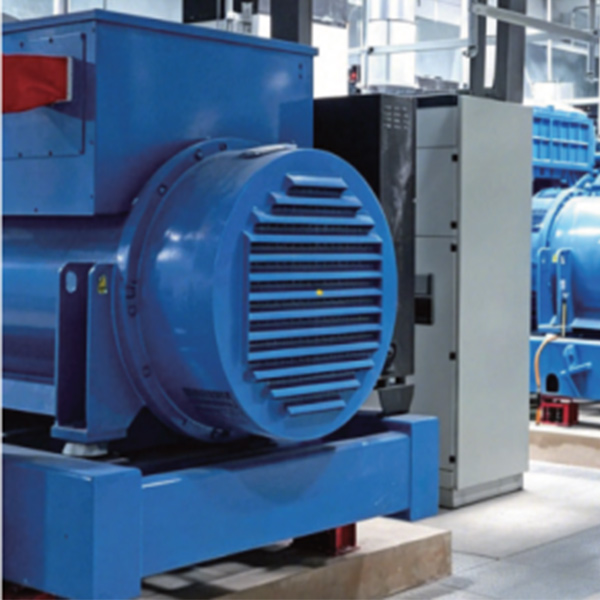
The PMG excitation system is critical for hospitals. It provides stable voltage even when connecting powerful consumers, since the voltage regulator is powered from a separate magnet, and not from the main stator windings, which can “sag” during short circuits or motor starts. Without PMG, the risk of failure of sensitive electronics increases many times over.
We recommend conducting a load audit using power quality analyzers for at least 7 days to identify consumption peaks and the actual operating schedule of the equipment. Only on the basis of these data can you select a unit that will not operate in constant overload mode (which leads to engine coking) or, conversely, in idling mode (which causes “glazing” of the cylinders and accumulation of unburned fuel).
Technical reliability standards and workmanship
The reliability of a hospital backup power plant is determined not only by the engine brand, but also by compliance with specific climate and operating standards. In Russia and the CIS countries, the key document is GOST 15150, which determines the design U1 (temperate climate) or HL1 (cold climate). Ignoring this standard when purchasing imported equipment is a common cause of failures in winter.
The motor must be an industrial grade motor designed to operate in Standby Power (ESP) mode with a 10% overload capability for 1 hour every 12 hours. Household motors, even from name brands, are not suitable for critical infrastructure. We recommend paying attention to the presence of turbocharging and intercooler, which ensures stable power at high ambient temperatures and at high altitudes above sea level.
The launch system must be duplicated. The standard configuration with one electric starter is not sufficient for objects of the first reliability category. The installation of two starters with independent control circuits or a combination of electric start and pneumatic start is required. Rechargeable batteries must be of special purpose (starter, maintenance-free, with increased cold cranking current CCA) and placed in a thermally insulated compartment with automatic maintenance of the electrolyte temperature.
Particular attention should be paid to the air filtration system. Hospitals are often located within cities or in industrial areas. Air filters must have a high degree of purification (at least F7-F9 at the entrance to the casing) to prevent abrasive wear of the cylinder-piston group. In our practice, we have encountered cases where generators failed after 500 operating hours due to construction dust entering during repair work in neighboring buildings.
Certification of equipment should include not only a declaration of conformity with the CU TR, but also certificates ISO 9001 (production quality) and ISO 14001 (ecology). Compliance with EPA Tier or Euro Stage V emission standards is often required for export or international grant work. The presence of these certificates confirms that the manufacturing plant controls every stage of assembly, and does not simply assemble components from ready-made kits.
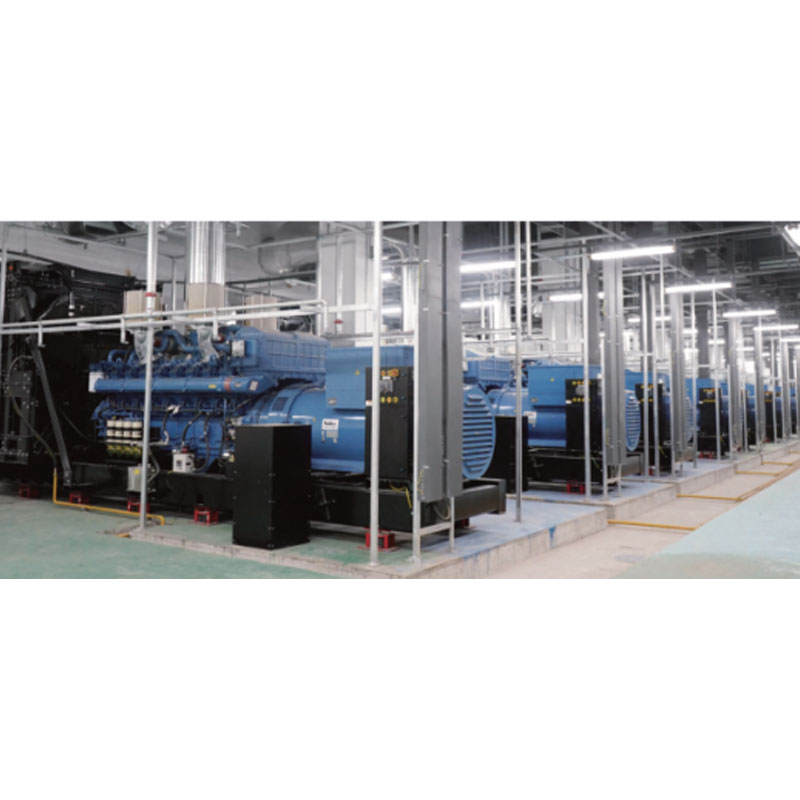
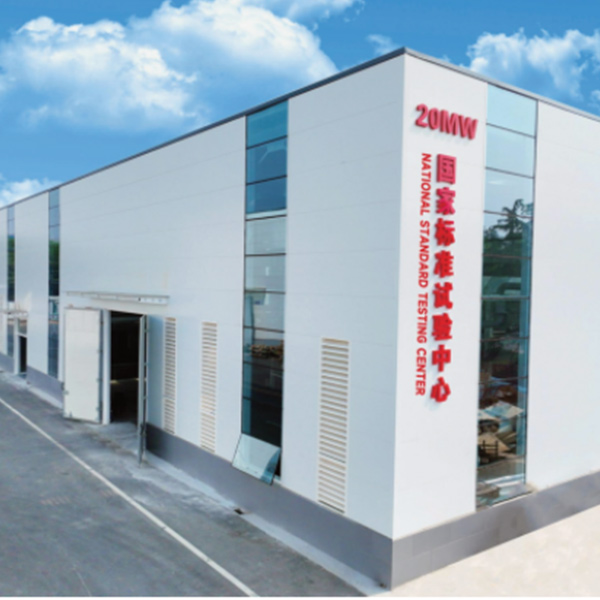
This is exactly the approach to quality control implemented in the companyYuke (Shandong) Electrical Technology LLC. As a professional integrator of solutions in the field of autonomous power supply, the company combines engineering competencies using engines and generators of the world's leading brands (Cummins, MTU, Perkins, SEM, Yuchai). The production base in Shandong Province is equipped with modern testing equipment, where each product undergoes mandatory stress tests of at least 4 hours before shipment. This ensures that the quiet generator sets and custom solutions supplied are fully compliant with the stated reliability parameters, which is critical for medical facilities.
Automation systems and integration with building infrastructure
A modern standby power plant is not just an engine and generator, it is a complex software and hardware system integrated into a building management system (BMS). The control panel must comply with the NFPA 110 Level 1 standard or its equivalent in GOST, providing full control over all operating parameters.
The controller must monitor not only voltage and frequency, but also coolant temperature, oil pressure, fuel level, battery charge and muffler condition. If any emergency occurs, the system must not only stop, but also transmit an alarm signal to the duty engineer's console via GSM/GPRS or Ethernet. We insist on using color touchscreen controllers with remote monitoring capabilities via cloud services.
The ATS (Automatic Transfer Switch) cabinet is the heart of the switching system. For hospitals, schemes with a neutral break are strictly prohibited, unless this is provided for by the grounding design of the entire network. Switching should occur with a minimum delay, but with a mandatory time delay to stabilize the generator parameters before applying voltage to the load. The most important function is a scheduled test run under or without load, which allows you to check the system’s performance weekly without the participation of personnel.
Integration with a fire safety system is also required. When a fire alarm is triggered in the diesel generator room, the diesel generator set should automatically stop, the fuel valve should be closed, and the ventilation should be turned off. However, ORs and ICUs often require the ability to manually override to complete critical procedures, which must be built into the controller logic.
In one of our projects, the implementation of a predictive analytics system made it possible to identify a trend towards a decrease in compression in one of the cylinders two weeks before the expected failure. The system sent a notification that the valves needed to be adjusted, saving the hospital from downtime during a routine inspection. Such features are becoming standard in premium equipment today.
Environmental standards and noise reduction in urban environments
The location of the power plant on the territory of an existing hospital imposes strict restrictions on noise and vibration levels. Patients need silence to recover, and sanitary standards (SanPiN) strictly regulate the level of sound pressure during the day and night. For residential areas and areas of medical institutions, the permissible level usually does not exceed 45-50 dBA at a distance of 7 meters from the source.
Standard open frames or even basic enclosures often do not provide the required level of quietness. It is necessary to order Super Silent casings with a multi-layer structure: outer steel, a layer of vibration-damping material, a thick layer of high-density mineral wool and a perforated inner sheet. Particular attention is paid to the design of air intake and exhaust louvres, which should dampen sound without creating excessive aerodynamic drag.
The exhaust system requires the installation of industrial mufflers of the reactive or absorption type. In some cases, with dense buildings, it is necessary to install the exhaust pipe above the ridge of the roof of the nearest building in order to disperse the exhaust gases and prevent them from entering the ward windows through the supply ventilation system. The use of diesel particulate filters (DPF) and SCR aftertreatment systems is becoming mandatory in many regions to reduce exhaust emissions.
Foundation vibration isolation is another critical parameter. The generator engine generates significant vibrations that can be transmitted through the building structure and can be felt in operating rooms on the upper floors. The installation must be mounted on special vibration supports, and flexible compensators must be used on all connections (exhaust, fuel line, air ducts). We have seen cases where the lack of proper vibration isolation led to cracks in the walls of attached premises after a year of operation.
When choosing an installation location, it is necessary to take into account the wind rose and the direction of noise propagation. Sometimes it is advisable to place a container installation in an underground room with a proper ventilation system, which completely solves the noise problem, but complicates the issues of fire safety and heat removal.
Comparative analysis of drive types: Diesel vs Gas
Choosing between a diesel or gas engine for a hospital is a strategic decision that impacts long-term economics and reliability. Both types have their advantages, but for backup power supply to critical facilities, diesel has traditionally remained the uncontested leader, although gas is gaining popularity as the main source in cogeneration plants.
| Comparison parameter | Diesel generator | Gas piston unit (Gas) |
|---|---|---|
| Startup reliability | High. It starts autonomously, depending only on the presence of fuel in the tank. Ideal for emergency situations. | Depends on the pressure in the gas line. In case of accidents on the gas pipeline (a common occurrence during emergencies), the installation is useless. |
| Dynamics of load acceptance | Excellent. Capable of taking 100% load in 10-15 seconds. Withstands sudden jumps. | Below. Requires a smoother load ramp. With a sharp jump, it may stall or go into defense. |
| Fuel storage | Requires containers, fuel has a shelf life (6-12 months), a polishing system is needed. | Not required. Fuel flows through the pipe endlessly as long as there is pressure in the network. |
| Cost of operation | Above. Diesel fuel is more expensive than gas. High maintenance costs (oil, filters). | 30-40% lower. Less maintenance costs, longer service intervals. |
| Applicability for hospitals | Recommended as a main reserve.Guaranteed independence from external networks. | Recommended only as an addition to diesel or for operation in parallel with the network (cogeneration). |
Our verdict is clear: the hospital must use a diesel generator for its Emergency Power Supply System (EPSS). A gas installation cannot guarantee operation in the event of a large-scale disaster when all communications, including gas pipelines, are damaged. Gas can only be considered to cover the base load during normal operation to save costs, but never as the only source of reserve.
The only exception is having your own gas tank with a supply of fuel, but this requires huge areas and complex coordination with fire services, which is practically impossible in the dense urban areas of hospitals.
Typical mistakes during procurement and installation
Market analysis shows that up to 40% of problems with the operation of backup power plants in medical institutions are laid down at the tender and design stage. Understanding these mistakes can help you avoid wasted budget and security risks.
Mistake #1: Saving on the heating system.Many customers choose generators without a built-in electric coolant heater, relying on a “quick start”. In winter, at temperatures of -20°C and below, a cold engine will not reach operating mode in 10 seconds. The oil will be too thick and the compression will be low. The result is black smoke, partial operation, or failure to start. The heater must operate continuously, maintaining the antifreeze temperature at 40-50°C.
Mistake #2: Incorrect calculation of fuel tank capacity.Tanks are often installed based on 8-12 hours of operation, referring to the standards for ordinary buildings. For hospitals that may be completely isolated during natural disasters, the minimum supply should be 24 hours of full load, and preferably 48-72 hours. Overspending on an enlarged tank is not comparable with the risk of stopping life support.
Mistake #3: Ignoring fuel quality.Even the best engine will fail if you fill it with diesel fuel containing water or impurities. The project must include a fuel filtration and polishing system with automatic activation during long periods of inactivity. We have recorded cases of corrosion of injectors and failure of fuel injection pumps due to the “blooming” of diesel fuel in tanks that have not been serviced for years.
Mistake #4: Lack of regular load tests.Running the generator once a week without connecting a load (idling) is harmful to the engine. It leads to the accumulation of carbon deposits, coking of the rings and dilution of the oil by the fuel. The regulations must provide for a monthly test under a load of at least 30% of the nominal load for 30 minutes. To do this, the ATS cabinet must have a function for connecting a ballast load.
Supplier selection procedure and evaluation criteria
Selecting a hospital backup power plant supplier is a process that requires reviewing not only the equipment's performance, but also the integrator's competencies. The market is filled with offers, but not all companies are able to provide the full cycle: from audit to 24/7 service.
When evaluating commercial proposals, pay attention to the following points:
- Origin of components.Request a specification indicating the brands of the engine, generator part, controller and ATS. Avoid the “hodgepodge” where an unknown Chinese engine is mated to a European generator. Reliable combinations: Perkins + Stamford, Volvo Penta + Mecc Alte, Deutz + Leroy Somer, Mitsubishi + Marelli. Integrator companies such asYuke (Shandong) Electrical Technology LLC, offer ready-made, proven configurations based on Cummins (VCD series), Perkins (VPD), SEM (VSD) and Yuchai (VYG) engines, eliminating the risk of component incompatibility.
- Availability of a service network.Check to see if the supplier has its own service teams in your area and what the response time is to an emergency call. For a hospital, the engineer's arrival time should not exceed 2-4 hours. If the service is carried out by subcontractors, this is a red flag. It is important that the supplier develops a network of authorized partners and ensures prompt delivery of original spare parts.
- Warranty obligations.The warranty should cover not only the replacement of parts, but also the visit of specialists. Please pay attention to the conditions for maintaining the warranty: they often require mandatory maintenance only at authorized centers using original consumables.
- Reference list.Ask to provide contacts of 2-3 medical institutions where the equipment of this supplier has been used for more than 3 years. Call the chief engineer of these hospitals and ask about the real problems. In our experience, honest customer reviews always provide more information than any brochures.
Also an important factor is the availability of running spare parts in the supplier’s warehouse: filters, belts, starters, control boards. Waiting 3 weeks for a spare part from abroad is unacceptable for a healthcare facility.
The price range for quality solutions varies significantly. Trying to buy a station 20-30% below the market price usually means saving on housing metal, welding quality, electronics, or the use of remanufactured components. In the long term, such savings result in multiple costs for repairs and downtime.
Conclusion and recommendations for action
A hospital's backup power plant is an insurance policy that one hopes to never use, but which is bound to perform perfectly in just the right second. The choice of equipment does not allow compromises between price and reliability. Priority should be given to proven industrial diesel drive solutions equipped with PMG, dual start and intelligent control systems.
The key to success lies in professional design: accurate calculation of loads taking into account starting currents, compliance with environmental and noise standards, competent integration into the building security system and a lifetime service agreement. Don't forget that the most expensive power plant is useless without qualified personnel and regular load testing procedures.
If you are faced with the task of modernizing the energy supply system of a medical clinic or building a new building, start with a technical audit of current needs. Don’t rely on general numbers - order a professional calculation from engineers specializing specifically in healthcare facilities. Correctly selectedbackup power plant for a hospital: requirements and selectionwhich are made taking into account all the nuances, will guarantee the safety of your patients and peace of mind of management.
For detailed advice, power calculations and configuration selection for your specific conditions, contact our technical specialists. We are ready to conduct a free preliminary audit and offer a solution that meets the most stringent international standards, relying on the experience of such manufacturers as Yuke (Shandong) Electrical Technologies LLC, whose philosophy of “reliability through responsibility” is confirmed by deliveries to the CIS countries and successful operation in difficult climatic conditions.
Catalog of specialized generators for medicine | Maintenance services 24/7
-


-
-


WeChat

-
WeChat