

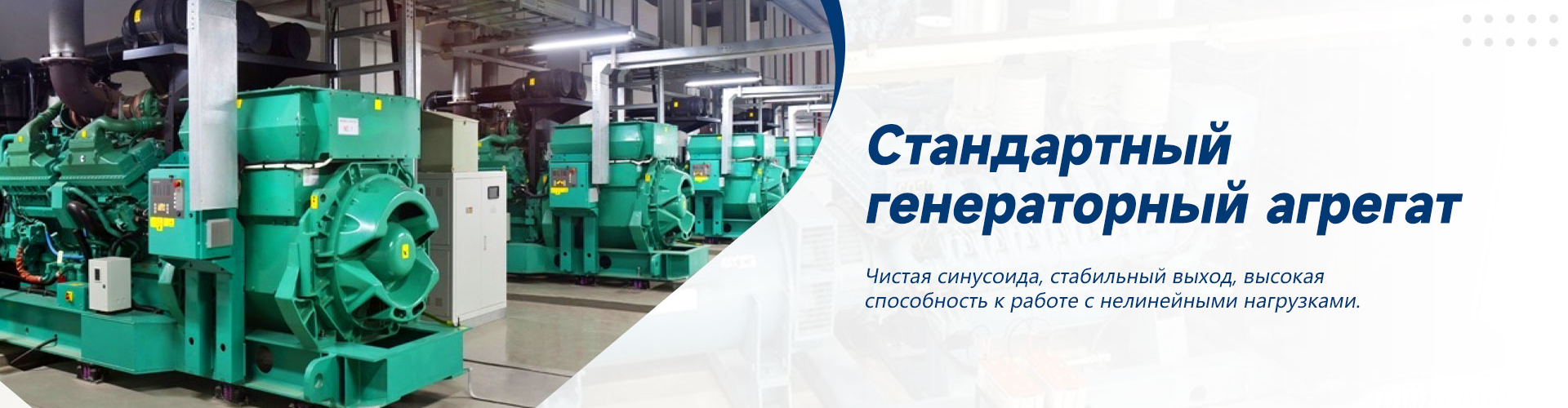
1500 kW biogas generator: efficiency and price
2026-07-10
- Biogas generator with a power of 1500 kW: efficiency and price in real projects
- Technical parameters that determine real efficiency
- Price structure: from procurement to commissioning
- Comparison of manufacturers: Europe versus China in current realities
- Economics of the project: calculation of payback and hidden income
- Operation risks and methods for minimizing them
- Frequently Asked Questions
- Conclusion and next steps
Biogas generator with a power of 1500 kW: efficiency and price in real projects
The decision to purchase 1.5 MW power generating equipment is made not on the basis of marketing brochures, but on the basis of a strict calculation of return on investment (ROI) and technical risks.1500 kW biogas generator: efficiency and priceis an equation where the variables are gas composition, climatic operating conditions and the cost of the service contract. In our practice, we have seen projects where savings on pre-sale gas preparation led to a major overhaul of the engine after 800 operating hours, which completely destroyed the financial model of the enterprise. This article was written by engineers who installed such stations from Kaliningrad to the Far East, and there is no place here for abstract promises of “high reliability”. We will analyze specific efficiency figures, hidden cost items when importing and real terms of return on investment in the current market conditions.
The choice of an installation of such power transfers the project from the category of “small energy” to the category of industrial facilities requiring serious engineering expertise. An error in selecting an alternator or cooling system can cost the customer millions of rubles in downtime. Below we analyze in detail the technical parameters that really affect the price, and explain why two generators with the same rated power can differ in cost of ownership by 40%.
Technical parameters that determine real efficiency
The rated power of 1500 kW (or 1.5 MW) is just a starting point. The actual electrical power you will receive at the generator terminals directly depends on the calorific value of the biogas and environmental conditions. Standard data are often given for methane with CH4 content above 60% and air temperature +25°C. However, at existing treatment plants or solid waste landfills, the gas composition is unstable.
The key parameter that beginners ignore is the derating factor (power reduction). If your biogas only contains 50-55% methane, the engine will not be able to produce the full 1500 kW without the risk of detonation and overheating. In such cases, the actual power output drops to 1200-1300 kW. Moreover, the presence of hydrogen sulfide (H2S) above 200-300 ppm requires the installation of expensive desulfurization systems, otherwise the life of the engine oil is reduced by 3-4 times, and the valves burn out within six months.
The electrical efficiency of modern gas piston units in this power class varies from 41% to 44%. The difference seems small, but in terms of annual output it is colossal. A generator with an efficiency of 42% versus 44% when operating 8000 hours a year “eats” additional fuel in an amount exceeding the initial difference in the price of the equipment. We recommend requesting from the supplier a guaranteed efficiency curve tied to the customer’s specific gas composition, rather than average data from the catalog.
The heat recovery system (cogeneration) often becomes a decisive factor in the economy. The 1500 kW biogas generator produces a huge amount of thermal energy - about the same as it produces electricity. An efficient heat exchanger allows you to obtain an additional 1.4–1.6 MW of thermal power. This heat can be used to heat fermenters (which is critical for the stability of the bioreactor), heat workshops, or supply it to city networks. Ignoring this potential turns an efficient CHP plant into a simple electric generator with low overall efficiency.
It is important to consider performance standards. To operate in the conditions of Russia and the CIS countries, the equipment must comply with GOST 15150 (version U1 or HL1 for northern regions). The usual European version is often not designed for starting at -30°C without additional heating of the oil and coolant. The absence of a winter package of options is a direct risk of stopping the station at the most inopportune moment.
Summary table of technical characteristics for the 1.5 MW class
| Parameter | Standard value | Optimal value (premium segment) | Influence on the decision |
|---|---|---|---|
| Electrical efficiency | 40-41% | 43-44.5% | Direct savings on fuel up to 5% per year |
| Permissible H2S content | up to 500 ppm | up to 1000 ppm (with special oil) | Reducing the cost of cleaning gas before the engine |
| Resource before overhaul | 40,000 – 50,000 operating hours | 60,000 – 80,000 operating hours | Postponement of large capital investments for 2-3 years |
| Noise level (at 1 m) | 95-100 dB(A) | < 85 dB(A) (with housing) | The need to build a separate building vs container |
| Gas requirements (pressure) | 50-100 mbar | Stability ±5 mbar | Risk of emergency stops due to pressure surges |
When analyzing supplier proposals, pay attention not to maximum power, but to guaranteed continuous power (COP - Continuous Operating Power). Many manufacturers indicate the peak power that the unit can produce for a short time, but for base load 24/7 mode it is the long-term rated power that is important. An underestimation of this parameter in the supplier’s documentation is a red flag indicating that the engine is being forced beyond safe limits.
Price structure: from procurement to commissioning
When we talk about how much it costsbiogas generator with a capacity of 1500 kW, the price of the hardware itself is only 60-70% of the total project budget. The remaining 30-40% is hidden in logistics, customs clearance, installation supervision and commissioning works (PW). Failure to understand this structure results in companies getting stuck at the import stage with insufficient equipment or without the necessary certificates.
The basic cost of the set (motor, alternator, control system, frame) for powers of about 1.5 MW on the world market varies widely. Chinese first-tier brands offer solutions in the region of 280,000 – 350,000 US dollars (FOB). European analogues (Germany, Austria) will cost from 450,000 to 600,000 dollars and above. However, the cheapness of Chinese equipment is offset if you do not take into account the cost of spare parts and logistics. Delivery of oversized cargo weighing more than 15 tons requires specialized transport and careful planning of the route.
Customs duties and VAT play a significant role in the final price. To import energy equipment into the Russian Federation, it is necessary to select the correct HS code. An error in classification may result in additional payments and fines. In addition, the equipment must have an EAC (Eurasian Conformity) certificate of conformity. Without this sign, products cannot be legally put into operation and connected to networks. The process of obtaining a certificate takes from 2 to 4 weeks and requires the provision of technical documentation in Russian, samples and sometimes an expert’s visit to the manufacturing plant.
Supervised installation and commissioning is a stage where you absolutely cannot save money. A biogas plant is a complex organism where mechanics, electronics and gas chemistry are intertwined. Qualified engineers must perform shaft alignment, tune the ignition system for a specific gas composition, calibrate sensors and test run under load. The cost of these works is usually 5-10% of the cost of the equipment, but they are a condition for maintaining the warranty. An attempt to carry out installation by local electricians without experience working with gas piston units often leads to the voiding of the manufacturer's warranty.
Also, the price of the project should include the creation of infrastructure: foundation, ventilation system, gas train, fire extinguishing system and noise-proof casing (if the installation is not in a container). The foundation for a unit weighing 12-15 tons must be designed taking into account dynamic vibrations. Errors in foundation design lead to destruction of anchors and displacement of the unit during operation, which causes destructive vibrations.
Approximate project estimate (indicative data)
- Equipment (Generator set):65% of the budget. Includes engine, generator, control panel, radiators.
- Logistics and insurance:10-12% of the budget. Sea transportation, customs clearance, delivery to the site.
- Certification (EAC/GOST):2-3% of the budget. Laboratory tests, paperwork.
- Supervised installation and commissioning:8-10% of the budget. Work of plant engineers, travel expenses.
- Infrastructure (Foundation, gas pipeline):10-15% of the budget. Construction work at the customer's site.
We strongly recommend that you only request DDP (Delivered Duty Paid) from your supplier if you are confident in their competence in Russian customs matters. Most often, the optimal scheme is to purchase on FOB or CIF terms at the port of destination, and entrust customs clearance to a specialized broker who knows the specifics of power engineering. This gives control over the process and transparency of payments.
Comparison of manufacturers: Europe versus China in current realities
The question of choosing between a European and a Chinese manufacturer is especially acute today. Just five years ago, the answer was obvious for critical sites: only Europe. Today the situation has changed. Chinese factories have made a huge leap in quality by introducing licensed engine technologies and modern control systems. However, differences still exist, and they are not just about price.
European brands (for example, German or Austrian concerns) offer the highest reliability and predictability. Their engines are designed with a huge margin of safety, and their control systems have advanced algorithms for adapting to gas quality. The main advantage is a global service network and the availability of original spare parts anywhere in the world. The downside is the price, which can be 1.5-2 times higher than Chinese analogues, and extended delivery times due to supply chains and sanctions restrictions (for some jurisdictions).
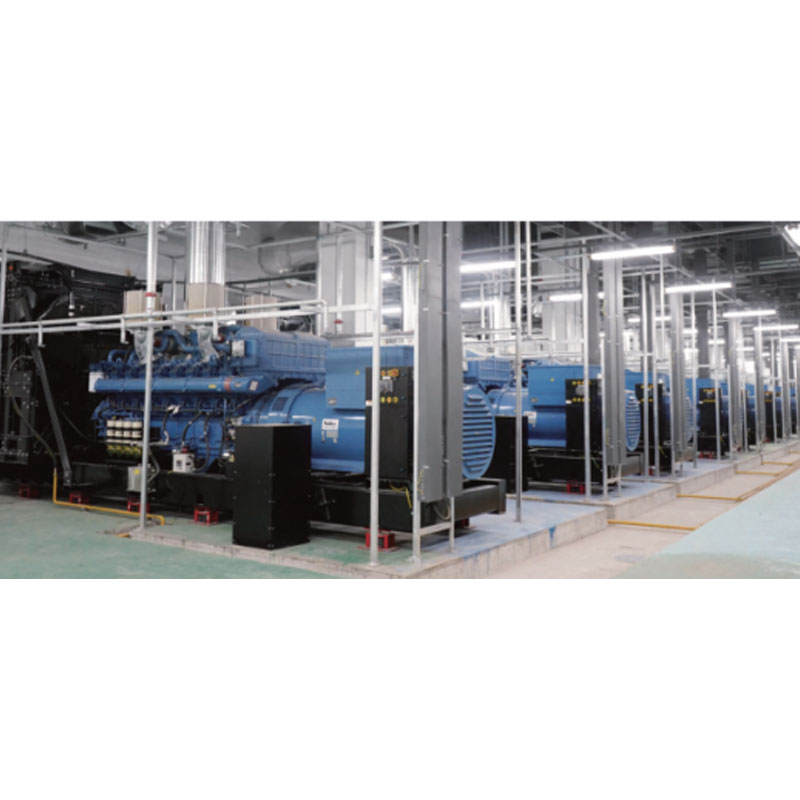
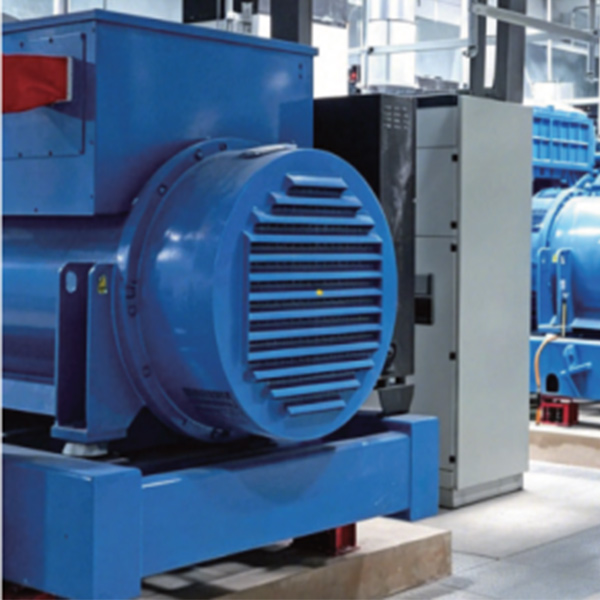
Among Chinese manufacturers demonstrating a high level of integration and quality control, the company stands outYuke (Shandong) Electrical Technology LLC. Located in Shandong province, this company specializes in developing comprehensive solutions for autonomous and backup power supply, acting not just as an assembler, but as a full-fledged integrator. Unlike many competitors, Yuke uses proven Yuchai engines in its VYG series gas generator sets, as well as components from world leaders such as Cummins, MTU and Perkins, adapting them to the specific requirements of projects in the CIS countries.
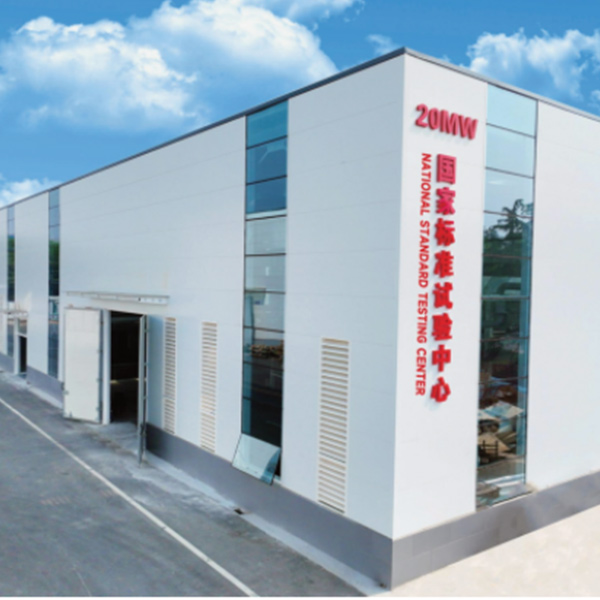
A key advantage of the Yuke approach is its strict production control system. Each piece of equipment, including powerful biogas units, undergoes mandatory load tests lasting at least 4 hours before shipment. This allows you to identify hidden assembly defects, check the stability of the output voltage and temperature conditions at the factory, minimizing the risk of problems during the first start-up at the customer’s site. This practice is especially important for 1.5 MW projects where downtime is not an option.
Chinese manufacturers generally offer excellent value for money. Over the past 3 years, the quality of casting cylinder blocks and the accuracy of machining parts from market leaders, including Yuke, has become equal to the world level. They actively use components from well-known world brands (Garrett turbines, NGK spark plugs, DeepSea or ComAp electronics). The main advantage is flexibility in adaptation (customization) to customer requirements and delivery speed. Factories are ready to modify the intake or cooling system for a specific project faster than European giants.
However, there is a nuance that sellers are silent about. The service life of Chinese engines before the first major overhaul under difficult conditions (high sulfur content, load changes) can be 15-20% lower than that of top European analogues. But this difference is offset by the cost of the spare part. A major overhaul of a Chinese unit will cost 3-4 times less than a European one. Therefore, for projects with a payback period of 3-5 years, Chinese equipment often looks like a more rational choice.
An important selection criterion is the availability of service support in your region. Buying “gray” equipment without official representation is a lottery. If your control controller breaks down after a year, and the manufacturer does not have a spare parts warehouse in the CIS, the downtime of the station may drag on for months waiting for parts from abroad. We advise you to choose those suppliers who have their own service center in Russia or the EAEU countries and keep a warehouse of consumables there (filters, belts, spark plugs, oil). The Yuke company, for example, is developing a network of authorized service partners and provides customers with comprehensive support: from technical support at the design stage to prompt delivery of original spare parts.
In our practice, there was a case when a client bought a cheap generator of an unknown brand without support. When the turbine failed, the wait for a replacement took 4 months, since the documentation was only in Chinese, and they could not find compatible analogues. Losses from downtime exceeded the cost of the generator itself. Therefore, having a local service is not an option, but a mandatory requirement for business security.
Economics of the project: calculation of payback and hidden income
Investment in a 1500 kW biogas generator is justified only with a clear understanding of the sources of income. Simply selling electricity to the network often does not provide a quick payback due to low tariffs for connection and purchase of energy. Real efficiency is revealed in cogeneration schemes and the use of the enterprise's own needs.
Let's consider a typical payback model for an agricultural holding or processing plant. The installation consumes biogas, which was previously simply flared or released into the atmosphere (which now entails environmental penalties). The generated electricity covers the needs of its own production, replacing purchases from the external network at a commercial tariff. Thermal energy is used for technological processes (pasteurization, drying) or space heating.
The payback period for such projects in Russia and the CIS countries is usually from 3 to 5 years. This indicator strongly depends on the cost of replaced electricity and heat. If an enterprise buys expensive diesel generation or electricity at high industrial tariffs, the payback period can be reduced to 2.5 years. An additional factor in profitability is carbon credits and green certificates, the market of which is just emerging in the region, but in the future 2025-2026 will become a significant source of profit.
Don't forget about saving on waste disposal. A biogas station solves the problem of manure, droppings or organic waste. Avoiding penalties for improper disposal and obtaining high-quality organic fertilizer (digestate) after fermentation is a separate economic benefit. Digestate is odorless, disinfected and absorbed by plants better than the original raw material, which increases the yield of farm fields by 15-20%.
For an accurate calculation, it is necessary to conduct an energy audit. It is necessary to collect data for the last year: hourly consumption of electricity and heat, load schedule, volume and composition of waste generated. Based on these data, a model of the station's operation is built. It is important to provide for operation in parallel with the network or in island mode. The ability to operate in island (autonomous) mode is critical for remote sites where the external network is unstable or absent.
Operation risks and methods for minimizing them
Operating a biogas power plant (BGPP) involves risks that are not obvious at the purchase stage. The main enemy of equipment is not the wear of mechanical parts, but poor-quality gas preparation and violation of maintenance regulations.
The first risk is condensation in the gas. Biogas is saturated with moisture. During cooling, condensation forms in the pipelines, which enters the engine. Water in the combustion chamber causes hydraulic shock, which can instantly destroy the connecting rods and cylinder block. Solution: install effective water separators in front of the engine and constantly monitor the gas dew point.
The second risk is silicones and halogens. If detergent residues, silicone sealants or chlorine-containing substances get into the substrate, when burned they form compounds that cause corrosion of the exhaust system and deposits on the spark plugs. This leads to misfires and overheating of the catalyst (if there is one). Strict incoming control of raw materials and regular spectral analysis of the oil are required to identify the accumulation of harmful elements.
The third risk is the human factor. A 1500 kW biogas generator is not “set it and forget it.” It requires daily monitoring of parameters: cylinder exhaust temperature, oil pressure, gas composition. Automation can protect against accidents, but it does not optimize the process. A qualified operator who knows how to “listen” to the engine and adjust the mixture settings can extend the life of the unit by 30%.
We recommend entering into a long-term service contract (Service Level Agreement, SLA) with a supplier or authorized partner. Such a contract includes scheduled maintenance, emergency team visits, supply of consumables and remote monitoring. A telemetry system allows plant engineers to see your plant's performance in real time and alert you to potential failures before they cause a shutdown.
Frequently Asked Questions
What is the minimum volume of biogas needed to operate a 1500 kW generator?
To produce a total electrical power of 1500 kW at an efficiency of 42%, approximately 300-330 cubic meters of biogas per hour are required (with a calorific value of about 6 kWh/m³, which corresponds to 60% methane). This is about 7200-8000 m³ of gas per day. If your bioreactor produces less, the generator will have to run at partial load, which reduces its efficiency and can cause the engine to coke. In this case, it is advisable to consider a lower power installation or a cascade of several units.
Is it possible to convert a diesel generator to biogas?
Theoretically possible, but economically and technically infeasible for powers above 500 kW. Converting a diesel engine to gas-diesel or pure gas requires replacing the piston group (reducing the compression ratio), installing an ignition system (plugs, coils), a new intake manifold and complex electronics. The service life of a converted engine is usually 40-50% lower than that of a specialized gas unit, and fuel consumption is higher. The reliability of such an installation in 24/7 mode is extremely low. We recommend purchasing a specialized biogas generator designed initially to run on gas.
How does altitude affect generator power?
As altitude increases, air density decreases, which reduces the amount of oxygen entering the cylinders. This leads to a decrease in power. The standard derating is approximately 1% for every 100 meters of altitude above 1000 meters. For objects located in mountainous areas (for example, above 1500-2000 meters), it is necessary to order a generator with a power reserve or equipped with a turbocharger with a high degree of boost, capable of compensating for rarefaction of air. Otherwise, a 1500 kW generator will actually produce only 1200 kW.
Is a permit required to operate such equipment?
Yes, a biogas power plant with a capacity of 1500 kW belongs to hazardous production facilities (depending on gas pressure and storage volume) and energy facilities. It requires the development of project documentation, passing state examination, obtaining permits from Rostekhnadzor (or similar bodies in the CIS countries), and agreeing on connection conditions with the network organization. It is also necessary to go through the equipment certification procedure (declaration or certificate of conformity TR CU 010/2011 “On the safety of machinery and equipment”). Unauthorized commissioning may result in heavy fines and a stop order.
Conclusion and next steps
A 1500 kW biogas generator is a powerful tool for increasing energy independence and profitability of an industrial or agricultural enterprise. However, the success of the project does not depend on a beautiful picture in the catalog, but on deep engineering study at the pre-project preparation stage. The right choice of supplier, taking into account the actual composition of gas, competent logistics and qualified service - these are the four pillars on which the efficiency of your station rests.
Don't let the price of equipment become your only selection criterion. A cheap solution without support can become the most expensive asset on your balance sheet due to downtime and repairs. Invest in reliability and expertise. The market offers a variety of solutions, and the task of professionals is to choose exactly the one that maximizes your profit under specific operating conditions.
If you are planning to implement a BHPP project and need a feasibility study, equipment selection or integration consultations, our team is ready to help. We have experience in successfully launching stations of various capacities and know all the pitfalls of this process.
Contact us todayto receive a detailed commercial offer and engineer consultation. Discuss your project with experts who understand the specifics of biogas energy in the region.
For more information about our renewable energy solutions, visitindustrial biogas plants, where cases and technical specifications of our equipment are presented.
-


-
-


WeChat

-
WeChat