

Diesel power station 100 kW buy from a reliable supplier
2026-07-10
- Why buying a 100 kW diesel power plant requires checking the supplier, not just comparing prices
- Technical parameters: what really affects the reliability of 100 kW diesel power plant
- How to choose a reliable supplier: evaluation criteria and red flags
- Logistics, installation and commissioning: hidden costs
- Comparison of options: China, Türkiye, Europe - what to choose for 100 kW?
- Economic justification: calculation of payback and cost of ownership
- Frequently Asked Questions
- Conclusion and next step
Why buying a 100 kW diesel power plant requires checking the supplier, not just comparing prices
Buying a 100 kW diesel power plant from a reliable supplier is a decision that determines the continuity of your production for the next 10–15 years. In our practice, we have seen dozens of cases where savings of 10–15% on the starting price of equipment resulted in line downtime costing hundreds of thousands of rubles already in the first month of operation. The market is overflowing with offers where, under the guise of “European quality,” units with relabeled Chinese engines or refurbished generators are hidden. Our task is to give you a clear selection algorithm based on real technical parameters, and not on marketing slogans.
When you are looking for a 100 kilowatt diesel power plant, you are actually buying a complex engineering system consisting of a motor, an alternator, a control system and a frame. A mistake in selecting any of these components will render the entire installation useless. We have been working with industrial facilities for more than 15 years and know that the reliability of a supplier is measured not by a beautiful website, but by the presence of a service team, a spare parts warehouse and transparent documentation. In this article, we will look at how to distinguish a professional integrator from a reseller, what hidden risks await the buyer, and why EAC certification (TR CU) is a minimum, but not sufficient, requirement.
Technical parameters: what really affects the reliability of 100 kW diesel power plant
A power of 100 kW is the border zone between small and medium-sized energy. Here it is critical to distinguish between the concepts of “standby power” and “prime power”. Many unscrupulous sellers indicate the maximum power as operating power, which leads to engine overload during prolonged operation. If your facility requires 24/7 power, you need a Prime rated station, which is typically 10% below the maximum rating. For a 100 kW diesel power plant, this means that the actual constant load should not exceed 90 kW, otherwise the engine life will be reduced significantly.
The choice of motor is 70% of the success of the entire installation. The Russian and CIS markets are dominated by three categories of engines for this power range: Chinese brands (Weichai, Yuchai, Lovol), Turkish assemblies (often based on Perkins or Volvo Penta) and original European/American units. In our practice, we encountered a situation where a client purchased a batch of stations with “premium brand” engines, which turned out to be cheap analogues with modified nameplates. The consequence was the failure of the fuel equipment after 400 operating hours due to the injector tolerances not meeting the declared characteristics.
- Fuel consumption:For a 100 kW diesel power plant, the normal rate at 75% load is a consumption of 20–22 liters per hour. If the supplier promises 15 liters, this is physically impossible for an atmospheric or turbocharged diesel engine of this class without hybrid technologies, which are practically non-existent in this segment. An underestimated consumption in the specification is the first sign of data falsification.
- Cooling system:Liquid cooling is a must. Air systems at this power do not provide stability at temperatures above +35°C. Pay attention to the radiator material: brass is preferable to aluminum in aggressive environments, although aluminum is lighter and cheaper.
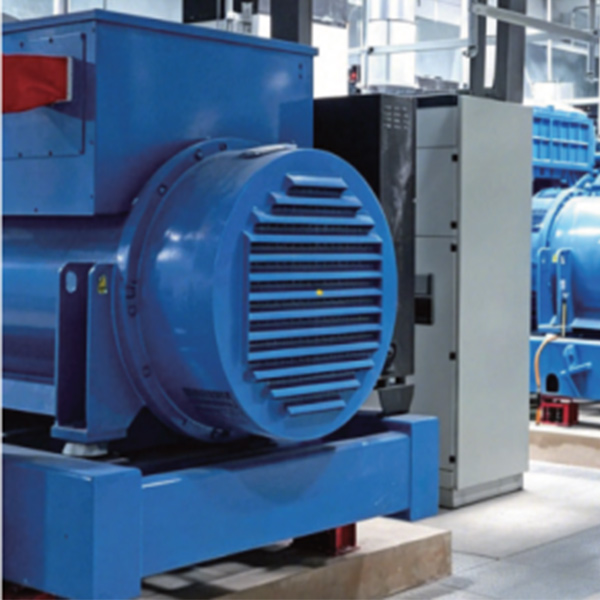
- Alternator (generator):Brushless self-excited (AVR) models are standard. Brush analogues require frequent maintenance and are sensitive to dust. The alternator brand (Stamford, Leroy Somer, Mecc Alte or a high-quality Chinese equivalent) must be specifically indicated in the passport, and not just a “branded generator”.
When assessing the technical specifications, request from the supplier a graph of power versus altitude and air temperature. Standard conditions (ISO 8528) require operation up to 1000 meters above sea level and up to +40°C. If your facility is located in mountains or hot climates, the engine power will be derated (reduced). A reliable supplier will immediately warn you about this and offer an engine with a power reserve, rather than selling a standard model that will stall at peak load.
Certification and compliance with GOST and TR CU standards
Purchasing industrial equipment in Russia and the EAEU countries is impossible without a certificate of conformity with TR CU 010/2011 “On the safety of machinery and equipment.” However, the presence of a paper certificate does not guarantee the quality of the product itself. We often see situations where a certificate is obtained for one batch or even one sample, but mass production is carried out according to simplified technical conditions. Request a copy of the certificate with the number and check its validity in the RosAccreditation register.
In addition, pay attention to the degree of protection IP23 or IP54. For indoor installation (boiler room), IP23 is sufficient, but if a 100 kW diesel power plant will be installed outdoors under a canopy, a minimum of IP54 is required. Lack of proper protection will lead to moisture getting into the generator windings and a short circuit at the first heavy rain or snowfall. This is not a theoretical threat: one of our customers lost an AVR control unit precisely because of condensation that got through poor quality ventilation louvers.
How to choose a reliable supplier: evaluation criteria and red flags
The reliability of a supplier is determined not by the period of its registration, but by the depth of its involvement in the product. Resellers who sell pumps today, compressors tomorrow, and diesel power plants the day after tomorrow will not be able to provide qualified support. Look for a company that specializes in power equipment, has its own assembly shop or has deep partnerships with a manufacturing plant. A direct contract with the factory gives a price advantage of about 15–20% and guarantees access to original spare parts.
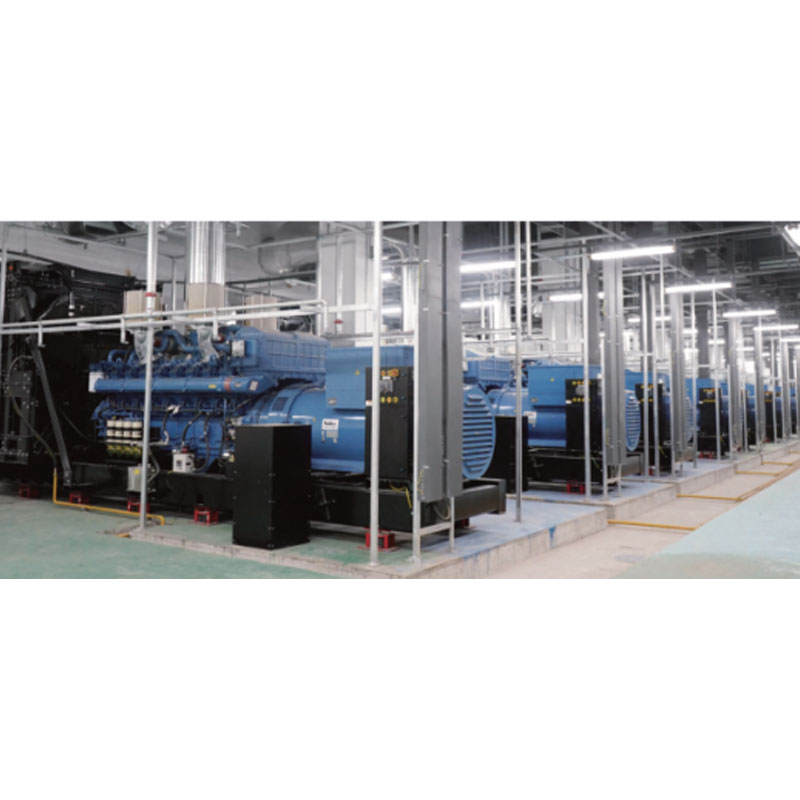
A striking example of this approach is Yuke (Shandong) Electrical Technologies LLC, a professional Chinese integrator specializing in the development and production of integrated solutions for autonomous power supply. Located in Shandong Province, the company combines advanced engineering competencies in the fields of power generation and mobile power systems. Unlike simple assemblers, Yuke operates as a full-fledged manufacturer, relying on strategic partnerships with world leaders: Cummins, MTU, Perkins, SEM and Yuchai. Their portfolio includes not only the classic diesel generators of the VCD, VSD and VPD series, but also specialized solutions: from silent mobile stations and light towers to high-voltage installations and liquid-cooled energy storage systems.
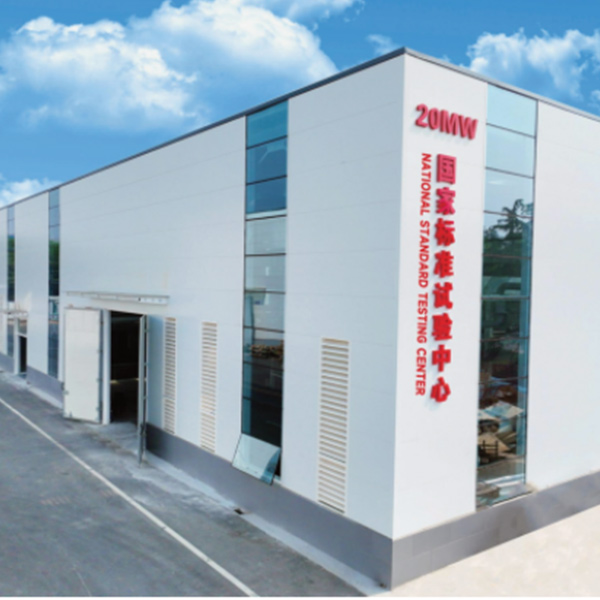
The key difference between companies like Yuke and garage production is a strict quality control system. Their state-of-the-art manufacturing facility implements multi-level controls, from incoming component inspection to mandatory stress testing of each piece of equipment for a minimum of 4 hours prior to shipment. Noise, vibration, temperature conditions and voltage stability are checked. This approach guarantees that the 100 kW diesel power plant you purchase will comply with the declared characteristics and international safety standards, including electromagnetic compatibility requirements. In addition, the company adapts its solutions to the specifics of the CIS market, taking into account the harsh climatic conditions and network standards of the region, which is confirmed by successful deliveries to the countries of Asia, the Middle East and Africa.
Here is a checklist of questions you should ask the manager before buying a 100 kW diesel power plant. If the answers are evasive, look for another partner.
- Where is final assembly done?If they say “European quality,” specify the country of origin of the engine and generator. Assembling in China from European components is normal, but the price must correspond to the components. Assembly in Russia from Chinese kits (CKD) is also common, but requires quality control of frame welding and electrical wiring.
- What is the delivery time for spare parts?A reliable supplier keeps consumables (filters, belts, gaskets) in stock for the models they sell. If the answer is “4-6 weeks on order,” you risk being left with a stopped generator for a month and a half if there is any breakdown.
- Is there a service team?Ask if the company’s engineers come out for commissioning (commissioning) and warranty service. A 100 kW diesel power plant is a complex unit that requires professional adjustment of the speed controller and voltage synchronization. Self-starting “by a local electrician” often leads to failures in the automation.
We recommend asking the supplier for a list of completed projects over the past year with contact persons. Call two or three clients and ask not whether “everything is fine,” but whether there were problems and how quickly they were resolved. Real reviews work better than any advertising. Also check if the company has its own test facility. The manufacturer or major integrator is required to load test each unit prior to shipment. Failure to provide a Factory Acceptance Test (FAT) is a serious red flag.
Logistics, installation and commissioning: hidden costs
The ex-factory price is only part of the budget. When purchasing a 100 kW diesel power plant, logistics, rigging and installation must be taken into account. The weight of such an installation together with the casing and fuel tank can reach 1200–1500 kg. For delivery you will need a manipulator or cargo transport with a tail lift. Improper slinging during unloading can deform the frame, which will lead to misalignment of the engine and generator and, as a result, to vibration and destruction of the coupling.
Installation requires compliance with strict fire safety and ventilation regulations. The room for diesel power plants must have supply and exhaust ventilation to ensure heat removal. The volume of combustion and cooling air for a 100 kW engine is approximately 10–12 m³/min. Not enough air will cause overheating and loss of power. It is also necessary to organize exhaust gas removal through a corrugated compensator (bellows) so that engine vibration is not transmitted to the building. A rigid connection of the exhaust pipe to the engine is guaranteed to lead to cracks in the manifold or turbine.
Connection to the network requires design and approval if the diesel power station is used as a backup source with ATS (automatic transfer switch). The ATS cabinet must correctly monitor network parameters and switch the load without pauses that are critical for your equipment. We strongly recommend ordering installation supervision from the supplier. Even if you have your own electricians, the presence of a plant engineer during the first start-up will allow you to adjust the sensitivity of the protection and avoid false alarms. Savings on this service (usually 5-10% of the cost of the equipment) may cost more in the first accident.
Comparison of options: China, Türkiye, Europe - what to choose for 100 kW?
The market offers a wide range of solutions, and the choice depends on your budget and reliability requirements. Below is an objective comparison of the three main segments currently available. We're not saying that one option is always better than the other; the choice is dictated by operating conditions.
| Criterion | Chinese brands (Weichai, Yuchai) | Turkish / Prefabricated solutions | European / American (Volvo, Cummins, Perkins) |
|---|---|---|---|
| Equipment cost | Low. 30–40% cheaper than European analogues. | Average. Optimal value for money. | High. Premium segment. |
| Resource before overhaul | 15,000 – 20,000 operating hours (subject to compliance with regulations). | 20,000 – 25,000 operating hours. | 30,000 – 40,000+ engine hours. |
| Availability of spare parts in the Russian Federation | High. There are many analogues and originals in distributors' warehouses. | Average. Depends on the specific brand dealer. | Medium/Low. Original spare parts are expensive and can be made to order. |
| Fuel requirements | Average. Modern Common Rail is sensitive to the quality of diesel fuel. | High. They require high-quality fuel and additives. | Very tall. Multi-stage filtration is required. |
| Recommended Scenario | Backup power supply (up to 500 hours per year), construction, rental. | Main or long-term backup power supply, rotational camps. | Critical facilities (hospitals, data centers), work 24/7. |
In our practice, we are seeing a shift in demand towards high-quality Chinese motors for backup power applications. For Standby mode, when the installation works rarely and for a short time, it is not economically feasible to overpay for a European brand. However, for the main source of energy (Prime Power), especially in remote fields or in continuous cycle production, an investment in a European or top-end Turkish engine pays off by reducing the risks of downtime.
It is important to understand: “China” can be different. First-tier factories (Weichai, Yuchai) have licenses and technologies purchased from European companies, and their products are certified to international standards. Nameless prefabricated structures from garage cooperatives are a lottery with a high risk of losing. A reliable supplier will never offer you a “no name”; he will always name a specific engine model and provide technical documentation.
Economic justification: calculation of payback and cost of ownership
When deciding to purchase a 100 kW diesel power plant, it is necessary to consider not the purchase price, but the cost of ownership (TCO - Total Cost of Ownership). It includes the cost of fuel, oil, filters, repairs and depreciation. Fuel consumption is the main expense item. With the price of diesel fuel, for example, 60 rubles per liter and a consumption of 21 l/h, an hour of operation of the station costs 1,260 rubles only for fuel. For a year of operation at 2000 hours, this will amount to 2.52 million rubles.
The efficiency of fuel combustion directly depends on the condition of the injectors and turbine. Cheap engines may have higher specific fuel consumption (g/kWh), which over 5 years of operation will eat up all the initial savings when purchasing. In addition, oil change intervals differ for different engines: from 250 to 500 operating hours. Increasing the service interval by 250 hours per year saves costs on oil and filters, and also reduces downtime for maintenance.
We recommend creating a payback table for two or three options under consideration. It often turns out that a more expensive station with better efficiency and lower consumption of consumables becomes more profitable already in the third year of operation. Don't forget to include the cost of possible downtime in your calculations. If a line shutdown for 10 hours due to a generator breakdown threatens millions of rubles in losses, equipment reliability becomes the No. 1 priority, outweighing the difference in the purchase price.
Frequently Asked Questions
What warranty period does a reliable supplier provide for a 100 kW diesel power plant?
The standard warranty for diesel power plants is 1 year or 1000 operating hours (whichever comes first). Some suppliers offer an extended warranty of up to 2 years, subject to annual paid maintenance at authorized service centers. It is important to read the contract: the warranty is often void if non-original filters are used, the oil is not changed on time, or the controller settings are tampered with by unqualified personnel. We advise you to immediately conclude an agreement for post-warranty service in order to fix the cost of a standard hour.
Is it possible to connect a 100 kW diesel power plant to an existing automatic transfer system (ATS)?
Yes, this is standard practice, but protocol compatibility is required. Most modern DES control panels (Deep Sea, ComAp, SmartGen) have dry contacts or RS485/MODBUS interfaces for communication with an external ATS cabinet. If your existing ATS is old or specific, it may need to be upgraded or replaced. A reliable supplier should audit your current power supply and offer a technical integration solution, including wiring diagram and operating logic (start-up delay, network test, cooling before shutdown).
What fuel is best to use for winter use in Russia?
For temperatures below -15°C, the use of summer diesel fuel is unacceptable - it will wax and block the filters. It is necessary to use winter diesel fuel (up to -30°C) or arctic diesel (up to -50°C). An alternative option is to install fuel heating and use depressant additives, but this is less reliable. Also critical is the pre-heating of the coolant (antifreeze heater) and the installation of a battery with increased starting power (Cold Cranking Amps). Without a pre-heating system (Webasto, Planar or electric heating element), starting a 100 kW diesel power plant in cold weather is impossible.
Is it necessary to register a diesel power plant with the regulatory authorities?
The diesel power plant itself, as equipment, does not require registration with Rostechnadzor, unless it is part of a hazardous production facility (HPF) in accordance with Federal Law No. 116-FZ. However, if a diesel power plant is used at a facility with a certain hazard class, it falls under the general industrial safety requirements. In addition, it is necessary to comply with environmental standards for emissions (object category NVOS) and fire regulations. The supplier must provide a full package of documents: passport, operating manual, TR CU certificate, which will simplify interaction with inspection authorities.
Conclusion and next step
Purchasing a 100 kW diesel power plant is an investment in the energy independence of your business. Errors at the stage of selecting a supplier or equipment configuration can lead to significant financial losses and operational risks. We have seen from our own experience: reliability consists of the quality of components, the qualifications of assemblers and the willingness of the supplier to support the equipment throughout its entire life cycle. Don’t chase the lowest price on the market - the cost of repairs and downtime is always higher.
If you are ready to move on to choosing a specific model and calculating a commercial offer, contact our engineers. We will conduct a free audit of your needs, help you choose the optimal configuration (engine, alternator, casing, automation) and provide a detailed estimate taking into account logistics to your facility.Contact us todayto receive specialist advice and a catalog of available 100 kW diesel power plant models with confirmed characteristics and certificates.
For more information about our industrial energy solutions, visitindustrial diesel generatorson our website, where detailed technical specifications and examples of completed projects are presented.
-


-
-


WeChat

-
WeChat