

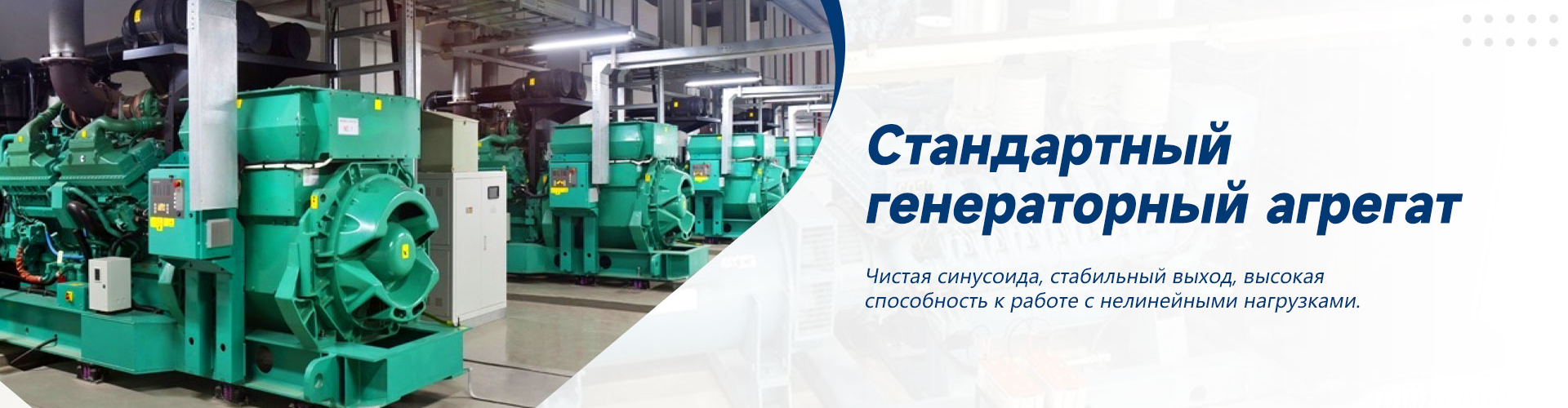
High build quality of container generators is a guarantee
2026-07-13
- Why the build quality of container generators determines their service life
- Technological assembly standards: from metal cutting to the final test
- Installation of power equipment: nuances affecting engine life
- Climatic design and protection from the external environment
- Comparison of approaches: Factory-assembled versus modular layout
- Certification and compliance with international standards
- Production philosophy of Yuke (Shandong) LLC: reliability through responsibility
- Typical acceptance mistakes and how to avoid them
- Warranty and post-warranty service
- Frequently Asked Questions
- Conclusion: Investing in reliability pays off
Why the build quality of container generators determines their service life
The high quality of assembly of container generators is a guarantee that your equipment will operate for the stated 20,000 hours without major repairs, and will not fail after the first winter in Siberia or overheating in the desert of Kazakhstan. In our practice, we have seen dozens of cases where saving 5-7% on the cost of an order resulted in a loss of 40% of the maintenance budget in the first year of operation. The difference between a reliable power unit and scrap metal is often hidden not in the brand of the engine, but in the installation details: the quality of the container’s welds, the thickness of the anti-corrosion coating, the correct laying of cable routes and vibration isolation of the power unit.
We will not speak in general terms about “premium quality”. Instead, we will analyze specific technical parameters that affect the fault tolerance of the system. When the temperature drops below -30°C, the cheap container door seal hardens and lets moisture in, causing a short circuit in the control panel. This is not a theory - one of our clients lost an automatic transfer transfer unit (ATS) for this very reason, because the supplier used standard rubber instead of a silicone frost-resistant gasket. High build quality means anticipating these scenarios and addressing them during production rather than after the fact.
If you are choosing a supplier for a project with strict reliability requirements, this article will become a checklist for you when accepting equipment. We will show where unscrupulous assemblers usually hide defects, which certificates really matter in EAEU customs clearance, and why frame geometry is more important than it seems at first glance. Read to the end to understand how to distinguish a factory assembly from a garage improvisation.
Technological assembly standards: from metal cutting to the final test
The process of creating a containerized power plant begins long before the engine is installed. The basis of reliability is the metal block container (BC) itself. There are two main approaches to the manufacture of the frame on the market: the use of ready-made ISO sea containers and welding of the frame from a profile pipe with subsequent cladding with sandwich panels. For stationary objects and severe operating conditions, we strongly recommend the second option. Finished shipping containers often have permanent deformation after transportation, and their floors are not designed to withstand the point loads of a massive diesel generator.
In our production line we use 09G2S steel for load-bearing frame elements. This material retains impact strength at temperatures down to -60°C, which is critical for northern versions (UHL1). Ordinary structural steel St3 becomes brittle under such loads. The thickness of the metal for the load-bearing elements of the frame must be at least 4 mm, and for the cladding - from 1.5 mm with obligatory galvanizing. We came across a situation where competitors offered a thickness of 0.8 mm, arguing that this was “modern technology”. The result was predictable: after two years of operation, the frame received fatigue cracks at the engine mounting points due to constant vibration.
The quality of welds is another critical parameter that cannot be assessed visually without experience. All critical connections must be made by automatic welding in shielding gases or semi-automatically with control of each seam. After welding, cleaning and treatment with anti-corrosion compounds is required. We use a three-layer protection system: primer-enamel, intermediate layer and finishing coat of polyurethane enamel with a thickness of at least 120 microns. This provides protection against corrosion for 10-15 years even in aggressive industrial atmospheres.
Particular attention is paid to heat and sound insulation. Using cheap polystyrene foam instead of basalt wool with a density of at least 100 kg/m³ leads to the fact that after a year the insulation sags, forming “cold bridges”. As a result, the container heating system wears out, and condensation forms inside. Condensation is the main enemy of electrics. We use only non-flammable materials of the NG class, which meets the fire safety requirements of industrial facilities. Each sheet of insulation is fixed mechanically to prevent slipping over time.
The final stage of case manufacturing is checking the geometry. A frame misalignment of even 3-5 mm can lead to incorrect alignment of the engine and generator shafts. This causes increased bearing wear and premature failure of the unit. Our production uses laser leveling at every stage of assembly. If you accept equipment, be sure to request a frame geometry inspection report. The absence of such a document is a red flag signaling handicraft production.
Installation of power equipment: nuances affecting engine life
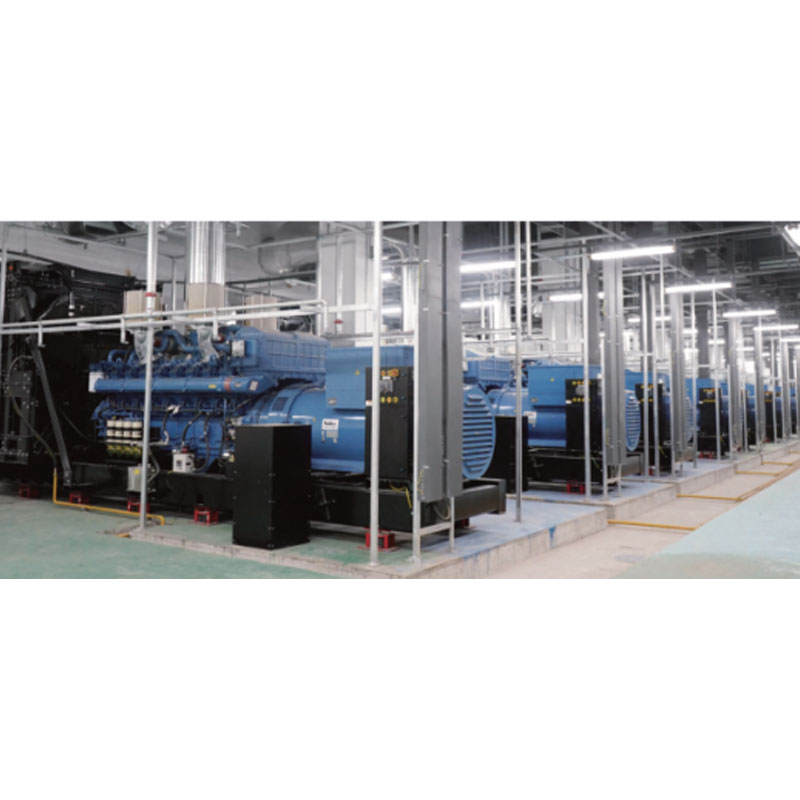
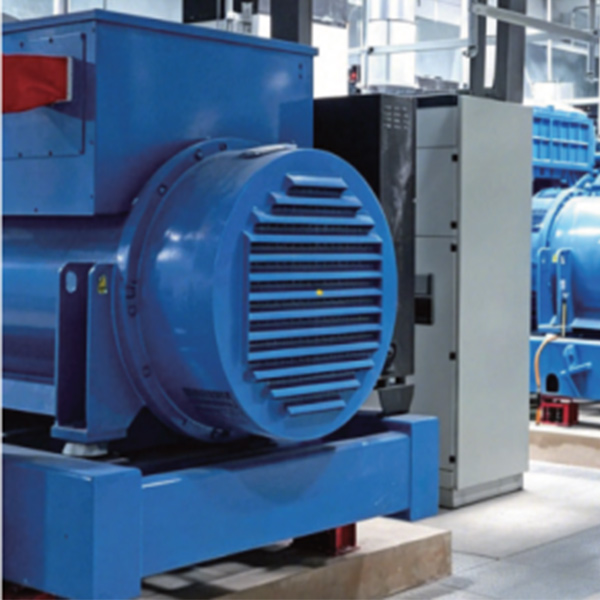
Installing a diesel or gas engine inside a container is not just a matter of “bolting it on.” This is a highly precise operation that requires adherence to engine manufacturer tolerances. The main task is vibration damping. The 500 kW engine generates vibrations that, without proper damping, will destroy not only the unit itself, but also the structural elements of the container. We use a two-stage vibration isolation system: the engine is mounted on its own shock absorbers, which, in turn, are attached to the common frame through additional damping elements.
One of the most common mistakes during assembly is incorrect selection of the rigidity of the supports. Shock absorbers that are too soft cause the unit to rock when starting and stopping, which can cause impact with the container walls or damage to pipelines. Too hard - they transmit vibration to the frame. We calculate resonant frequencies for each generator model individually. In one of the projects, we had to replace a set of shock absorbers after shipment, because the customer changed the type of foundation from concrete to pile, which changed the frequency characteristics of the entire system. Ignoring this nuance would cost us our reputation.
The exhaust system requires a special approach to tightness and thermal insulation. The exhaust pipe inside the container must be completely shielded with heat-resistant casings. The surface temperature of the muffler can reach 400-500°C. Without high-quality insulation, this creates a fire hazard and overheating of the air in the engine room, which reduces engine efficiency. We use multi-layer stainless steel screens with ceramic filling. All flange connections are made on graphite gaskets that are resistant to high temperatures and vibration.
Connecting the fuel system also has its own characteristics. Only metal pipes with a minimum number of connections are allowed inside the container. Flexible hoses are used only at the points of connection to the engine to compensate for vibration and must be made of oil- and petrol-resistant rubber with a metal braid. We always install an additional heated filter separator at the engine inlet, especially for northern versions. This protects high-pressure fuel equipment from paraffins that precipitate at low temperatures.
The electrical part is assembled in compliance with the rules of the Electrical Installation Code and GOST standards. Cable routes are laid in metal trays with grounding. All connections are made using hydraulically pressed ferrules rather than soldering. We use cable products with cross-linked polyethylene insulation, which can withstand higher temperatures and are less susceptible to aging. Each core is marked with an indelible marker according to the diagram, which simplifies further maintenance. Switching errors are the main cause of fires in generator rooms, which is why we implement double circuit monitoring before applying voltage.
Climatic design and protection from the external environment
Containerized generators often operate in extreme conditions, from desert heat to arctic frost. The quality of the assembly in this context is determined by the ability of the system to maintain an optimal microclimate inside the BC, regardless of the external temperature. For the northern version (UHL1), the pre-heating system is critical. We integrate engine and battery fluid heaters that maintain the coolant temperature at +40°C. This guarantees that the engine starts the first time even at -50°C.
Ventilation is the heart of the climate system. Incorrect calculation of air exchange leads to engine overheating in summer and condensation in winter. We use supply and exhaust ventilation with electric shutters and anti-icing. The living cross-sectional area of the blinds is calculated based on the thermal balance of a particular motor. In hot climates (version T), we additionally install industrial air conditioners or water cooling systems for the intake air. One of our cases in Turkmenistan showed that without additional cooling, engine power dropped by 15% due to air rarefaction at a temperature of +45°C.
Dust and moisture protection is IP54 or IP65 for all equipment inside the container. The doors are equipped with reinforced hinges and anti-burglary locks. External surface painting is carried out according to customer requirements, but always includes a primer with a high zinc content. We also provide for the possibility of installing heating systems for personnel if the container requires an operator to be on duty around the clock.
Snow and wind loads are taken into account when designing the container roof. For regions with heavy snowfall, we strengthen the roof frame and increase the slope angle to prevent snow accumulation that could push through the roof. In coastal areas with salt fog, a special painting scheme is used with an increased number of layers and the use of epoxy primers.
Comparison of approaches: Factory-assembled versus modular layout
There are different formats for supplying generators on the market. To help you make an informed decision, we have prepared a comparative analysis of two main approaches: classic container delivery and modular on-site assembly. The choice depends on logistical constraints and the timing of putting the facility into operation.
| Comparison criterion | Factory container assembly | Modular delivery and on-site assembly |
|---|---|---|
| Commissioning period | Minimal. The equipment is supplied completely ready for connection (“turnkey”). All that is required is installation on the foundation and connection of cables. | Much longer. It takes time to deliver individual modules, lift them by crane, connect communications and commissioning work on site. |
| Quality control | Tall. All operations are performed in the workshop under the supervision of quality control department, in stable conditions. A full cycle of factory tests under load is carried out. | Average. Depends on the qualifications of the installation team at the site and weather conditions. The risk of dust and moisture entering during assembly is higher. |
| Logistics restrictions | Limited by the dimensions of the roadway. Transportation of oversized power (>1 MW) requires special permits and support. | None. Modules can be delivered by any transport, including helicopters, or in disassembled form to hard-to-reach areas. |
| Sealing and insulation | Maximum. Factory welding and painting ensure the solidity of the structure and perfect tightness of the joints. | Below. The presence of joints between modules creates potential entry points for cold, dust and noise. Requires additional sealing. |
| Cost | Optimal for standard projects. Savings by reducing installation and commissioning time. | Higher due to the costs of qualified installation on site and increased work time. Justified only for remote locations. |
Our experience shows that for 90% of industrial facilities in Russia and the CIS, factory container assembly is the preferred option. It provides predictable results and minimizes the human factor. We recommend using the modular method only in cases where delivery of a single container is physically impossible (for example, mining or island areas without berths).
Certification and compliance with international standards
High build quality must be documented. To work in the market of the Eurasian Economic Union (EAEU), a certificate of compliance with the technical regulations of the Customs Union (TR CU) is a mandatory requirement. The main regulations that apply to container generators are: TR TS 010/2011 “On the safety of machinery and equipment”, TR TS 004/2011 “On the safety of low-voltage equipment” and TR TS 020/2011 “Electromagnetic compatibility”.
The presence of the EAC mark on the generator nameplate ensures that the product has been tested in an accredited laboratory and is safe for use. However, in addition to mandatory certificates, we are also guided by voluntary standards, which increase confidence on the part of large customers. For example, compliance with GOST 15150-69 determines the climatic design and placement category. For northern regions, this is the UHL1 version, which requires operation in the temperature range from -60°C to +40°C.
For exports outside the EAEU, we issue CE certificates (for Europe) or documents confirming compliance with ISO 8528 (generator sets) and ISO 3046 (internal combustion engines). The quality management system of our production is certified according to ISO 9001:2015, which means strict control at all stages: from incoming control of raw materials to shipment of finished products.
It is important to understand that a certificate is not just a piece of paper for customs. This ensures that emergency systems, such as protection against overload, short circuit and oil leakage, will work correctly in a critical situation. When ordering equipment, always request copies of certificates and factory test reports. The absence of these documents is a sign that the manufacturer could have skimped on safety components.
Production philosophy of Yuke (Shandong) LLC: reliability through responsibility
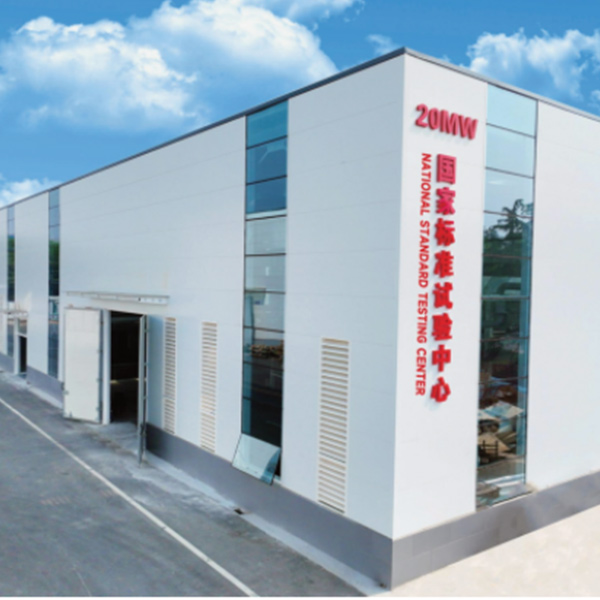
The principles described above are not just theory, but daily practice for Yuke (Shandong) Electrical Technology Co.,Ltd. As a professional developer and manufacturer of integrated solutions in the field of autonomous power supply, we combine advanced engineering competencies with deep adaptation to the requirements of the markets of the CIS, Asia and the Middle East. Our production base in Shandong province is equipped with modern equipment that allows us to implement the full cycle of creating energy systems - from concept development to final testing.
The key differentiator of our approach is strategic partnerships with the world's leading brands. We don't just assemble components, but create integrated solutions based on Cummins, MTU, SEM, Perkins and Yuchai engines. Our portfolio spans eight key categories, from silent VCD and VSD series diesel generator sets to multi-megawatt high-voltage systems (VHMD5, VHSD5 series) and advanced liquid-cooled energy storage cabinets. Each product is designed to meet specific loads, noise reduction requirements and digital integration needs.
We pay special attention to quality control, which is based on the principle of “reliability through responsibility.” Each piece of equipment undergoes multi-level testing: incoming inspection of components, monitoring of assembly stages and, most importantly, comprehensive load tests lasting at least 4 hours. We test generators under rated and partial load, checking output voltage stability, temperature conditions, vibration and noise levels. Only after successfully passing all tests and confirming compliance with international standards for electromagnetic compatibility is the equipment allowed for shipment.
The geography of supplies of Yuke LLC includes the CIS countries, where climatic conditions often dictate special requirements for equipment. Therefore, we adapt our solutions to local standards: we strengthen thermal insulation for northern regions, introduce dust protection systems for desert areas and ensure compatibility with local networks. But our support doesn't end with shipment. We develop a network of authorized service partners, provide personnel training, a guaranteed supply of original spare parts and technical support at all stages of the product life cycle. By choosing us, you get not just a generator, but a long-term partner interested in the smooth operation of your business.
Typical acceptance mistakes and how to avoid them
Even the best quality equipment can be damaged by improper use. We have compiled a list of common mistakes that customers make when receiving a container generator, and recommendations on how to avoid them.
Mistake #1: Ignoring visual inspection of vehicles.Damage often occurs while still in transit. Before unfastening the container, carefully inspect it for dents, scratches to metal, or signs of impacts. Take photographs of all defects in the presence of the driver. If you skip this step, the insurance company may refuse to pay, citing the fact that the damage was received before the act was signed.
Mistake #2: Failure to check oil and fluid levels.The manufacturer fills all systems, but during long-term transportation, leaks through the seals are possible. Before the first start, be sure to check the engine oil level, the coolant level in the expansion tank and the electrolyte level in the batteries with a dipstick. Starting the engine dry, even for a few seconds, can lead to scoring in the cylinders and costly repairs.
Mistake #3: Incorrect grounding.Many people forget that the container must be reliably grounded separately from the transformer neutral. The absence of a ground loop or its high resistance makes protection against electric shock ineffective. The ground loop resistance should not exceed 4 ohms. Check this value with an ohmmeter before turning on the load.
Mistake #4: Starting without first pumping the fuel.If the generator has been standing for a long time or the tank has been completely depleted, air pockets may form in the system. Before starting, it is necessary to manually pump the system with a fuel priming pump until the filters are filled. Trying to start the engine with a starter when the filters are empty will lead to rapid discharge of the batteries and wear out the starter.
We recommend creating an acceptance checklist based on the operating manual for your specific model and going through each item together with a service representative. This will take an extra 30 minutes, but will save weeks of downtime in the future.
Warranty and post-warranty service
The warranty on container generators typically ranges from 12 to 24 months or a specified number of operating hours (for example, 1000-2000 m/h), whichever comes first. However, the warranty is valid only if the operating conditions are met and routine maintenance is carried out. The manufacturer has the right to refuse warranty repairs if it finds traces of unqualified intervention, the use of non-original consumables, or violation of storage conditions.
In our company, we approach guarantees responsibly. We maintain a product passport, which contains data on all maintenance performed. This allows you to track your service history and quickly identify potential problems. Post-warranty service plays an equally important role. Regular replacement of filters, oil and belts, as well as thermography of electrical connections can extend the life of the generator to 40,000 hours or more.
We offer service contracts that include scheduled engineer visits, spare parts delivery and priority service in the event of an emergency. For remote sites, this is the only opportunity to ensure uninterrupted operation of the power system. Having a warehouse of original spare parts in the operating region reduces downtime from weeks to days.
Frequently Asked Questions
What is the service life of a properly assembled container generator?
If you follow the maintenance regulations and use original spare parts, the service life of a diesel generator before major overhaul is 20,000 - 30,000 operating hours. The metal container itself, with high-quality anti-corrosion protection, lasts at least 25 years. The key factor is timely replacement of oil and filters, as well as monitoring the engine operating temperature.
Is it possible to operate a generator in a container without a foundation?
No, installation on a level, prepared area is required. Even if the container is equipped with skids, it must stand on a solid base (concrete slab or compacted crushed stone bed). Installation on soft ground will lead to frame distortion, shaft misalignment and destruction of the vibration isolation system. For northern regions, the foundation must be above the soil freezing level.
How often should maintenance be carried out?
The first maintenance is carried out after running-in (50-100 engine hours). Further, the interval depends on the quality of the fuel and operating conditions. The standard interval for modern engines is every 250-500 operating hours. Includes oil, oil, fuel and air filter changes. Once a year, it is recommended to carry out a complete diagnostic of the cooling system and electrical connections with a thermal imager.
What is included in the concept of “northern execution”?
The northern version (UHL1) involves a set of measures: insulation of the container with basalt wool at least 100 mm thick, installation of an autonomous interior heater, engine and battery pre-heater, use of frost-resistant materials (rubber, plastic, paint), as well as installation of electric blinds with anti-icing protection. An ordinary container without these options at -40°C will turn into a refrigerator where the engine will not start.
Conclusion: Investing in reliability pays off
Choosing a container generator supplier is a strategic decision that will impact the energy security of your business for decades to come. High quality assembly of container generators guarantees the absence of unexpected repair costs and production downtime. Don't let a low starting price become a trap that ends up costing you more. Check certificates, request factory test reports and pay attention to execution details.
The Yuke (Shandong) Electrical Technologies LLC company is ready to offer you equipment assembled in compliance with all the standards described above, with full documentation and service support. Our engineers will help you choose the optimal configuration for your tasks, be it a main or backup power plant, a mobile complex or an energy storage system.
Explore the catalog of container generatorsor contact our specialists to receive an individual commercial offer. Remember: reliable energy is the foundation of your success.
Contact us today to discuss the details of your project and receive expert advice.
-


-
-


WeChat

-
WeChat