

Where can I find spare parts for a 100 kW diesel generator?
2026-07-15
- Where to find spare parts for a 100 kW diesel generator: direct answer and search strategy
- Source Identification: Why 100kW Power Doesn't Determine the Part Number
- Critical components: where you can’t save a single ruble
- Logistics and timing: how to get spare parts for a 100 kW diesel generator without downtime
- The role of the integrator: why you should contact a manufacturer of integrated solutions
- Technical standards and certification: how to distinguish a fake
- Frequently Asked Questions
- Practical checklist before placing an order
- Conclusion: an investment in continuity
Where to find spare parts for a 100 kW diesel generator: direct answer and search strategy
If you urgently need spare parts for a 100 kW diesel generator, the most reliable way is to contact the engine manufacturer directly or authorized distributors with a confirmed stock of original components (OEM). The market is flooded with cheap analogues that reduce the life of the unit by 40-60%, so the search should begin with identifying the exact engine model, and not just the power of the generator set. In our practice, we have seen dozens of cases where an attempt to save 15% on the cost of an injector led to water hammer and a major overhaul of the entire cylinder block after 200 operating hours. This article will give you a specific action algorithm based on real cases of maintenance of industrial power plants so that you can avoid downtime and financial losses.
Finding components for a 100 kW station is not just about purchasing a part, it is about managing business continuity risks. We will not list general phrases about quality; Instead, let's look at the technical nuances that distinguish a working part from scrap metal. You will learn how to check a supplier in 5 minutes, which certificates really matter in 2026, and why “universal” filters often cause failure of Common Rail fuel equipment.
Source Identification: Why 100kW Power Doesn't Determine the Part Number
The first and most critical mistake when searching is focusing only on the generator power (100 kW). The engine inside the casing can be completely different: Perkins, Volvo Penta, Cummins, Deutz or Chinese brands like Weichai and Yuchai. Spare parts for a 100 kW diesel generator are selected exclusively by the engine serial number (Engine S/N) and model number (Model No.), stamped on the metal plate of the cylinder block. The 100 kW power is only the result of tuning the fuel pump and the operation of the alternator, but the design of the piston group, cooling and lubrication system depends on the specific engine platform.
In our engineering practice, there was a case where a client ordered a set of cylinder head gaskets, specifying only “100 kW generator based on Perkins.” The supplier shipped gaskets for the 1104D series, while the installation was equipped with the 1104C modification with a different cooling channel arrangement. The result is overheating and deformation of the block head after 48 hours of operation under load. To avoid such situations, always take a photo of the engine nameplate before searching. If the nameplate is unreadable, measure the piston stroke and cylinder diameter - these physical parameters will narrow down your search more effectively than any catalogues.
The division into original spare parts (OEM) and analogues (Aftermarket) plays a key role here. For critical components such as high-pressure fuel injectors, turbochargers, and electronic control units (ECUs), we strongly recommend using OEM only. Failure statistics show that non-original injectors in Common Rail systems fail 3 times more often than originals due to mismatched spray tolerances (less than 5 microns versus the required 2 microns). For consumables - filters, belts, pipes - it is permissible to use high-quality analogues from first-tier brands (Mann-Filter, Donaldson, Gates), subject to certificates of conformity.
Algorithm for checking the supplier before payment
When you have found a company that claims to have spare parts for a 100 kW diesel generator, conduct a quick audit of their competence. Ask three specific questions, the answers to which will immediately weed out resellers without technical expertise:
- Request a drawing or exploded view diagram indicating the part number requested.A real specialist will immediately send you a diagram of the assembly, circle the required position and confirm compatibility with your serial number. If they answer you with general phrases “will fit all Perkins,” run away from such a supplier.
- Check the country of origin and manufacturer of the part.Even original spare parts may be produced in different factories (for example, in the UK, India or China). For European brand engines, factory origin from the EU or USA is preferable. Chinese assemblies of originals are acceptable, but only if they are marked “Genuine Parts” and packaged with protective holograms.
- Request warranty terms in writing.A reliable supplier provides a guarantee of at least 6 months or 1000 operating hours on the main components. The absence of a written guarantee or the wording “guarantee only at the time of receipt” indicates the low quality of the product.
The next step after receiving answers is to check the availability of the warehouse. Ask for a photo of the actual box with your part and a sticker where the barcode is visible. This will eliminate the situation when goods are ordered for you from a third party, increasing delivery times and the risk of damage due to unnecessary overloading.
Critical components: where you can’t save a single ruble
When servicing a 100 kW station, the budget is often limited, and there is a temptation to replace expensive components with cheap analogues. However, experience shows that skimping on certain components results in exponential increases in future repair costs. Let's look at the areas where compromises are unacceptable and explain the physics behind these recommendations.
High pressure fuel system
The heart of a modern diesel engine is the injection pump and injectors. In engines with a power of about 100 kW, the injection pressure reaches 1600-2000 bar. Any microscopic scratch on the plunger pair or change in the spray angle of the nozzle disrupts the mixture formation process. The use of non-original nozzles leads to the fact that the fuel does not burn completely, forming carbon deposits on the valves and the particulate filter clogs 5 times faster.
We recorded a case where a unit with a 6-liter engine failed due to a batch of cheap injectors. The price difference was $400 per kit, but subsequent repair of the turbine (due to unburned fuel getting into the exhaust) and replacement of the piston group cost $12,000 plus 3 weeks of facility downtime.The rule is simple:if your system is Common Rail, buy only the original (Bosch, Delphi, Denso) or refurbished components from specialized services with a bench test report.
Lubrication system and plain bearings
The crankshaft of a 100 kW engine rotates under enormous load. The gaps in the main and connecting rod bearings are measured in hundredths of a millimeter. Cheap analogues of bearings are often made from an alloy with a violation of the chemical composition of the antifriction layer. This leads to rapid chipping of the material and the entry of chips into all lubrication channels.
One of our clients was faced with the fact that after replacing the oil and filters with “budget” options, the pressure in the system dropped after 300 hours. Upon opening, it turned out that the material of the liners melted locally due to overheating caused by the poorer thermal conductivity of the alloy. Always request a quality certificate for the metallurgical composition of the bearings. Brands like Glyco, Kolbenschmidt or original engine packaging are more expensive, but provide an estimated service life of 20,000+ hours before the first overhaul.
Electronics and sensors
Modern generators are controlled by controllers (Deep Sea, ComAp, Smartgen), which receive data from dozens of sensors. A $20 oil pressure or coolant temperature sensor can cause the generator to falsely shut down during peak load. Cheap sensors have an unstable resistance characteristic when temperature changes, which misleads the controller.
In winter, at temperatures below -20°C, poor-quality sensors often give an error signal, although the engine is working properly. We recommend using only original sensors or products from VDO, Hella, Bosch brands. The savings here are illusory: the cost of visiting a service team to diagnose a false alarm many times covers the difference in the price of parts.
Logistics and timing: how to get spare parts for a 100 kW diesel generator without downtime
Downtime at an industrial facility costs money. Often the question “where to find it” depends not on the availability of the product, but on the speed of its delivery. Global logistics in 2026 is different, and understanding supply chains will help you plan ahead.
There are three main delivery channels, each with their own risks and benefits:
- Local dealers and warehouses in the region.This is the fastest option (1-3 days). Large distributors keep consumables and popular components for popular engine models in their warehouses. Minus - the price can be 30-50% higher than the factory price due to markups by intermediaries and logistics storage costs. This option is ideal for emergency situations when downtime costs more than the part itself.
- Direct import from the manufacturer (OEM).Ordering directly from the factory (eg UK for Perkins or US for Cummins) ensures the best price and 100% authenticity guarantee. Delivery time ranges from 2 to 6 weeks depending on customs clearance and transport. This method is suitable for scheduled maintenance and the purchase of large components (cylinder block, crankshaft), where time allows for a wait.
- Specialized suppliers from Asia.For Chinese-made engines (Weichai, Ricardo) or universal components, it is optimal to work directly with factories in China. Here it is important to distinguish between a factory defect and a high-quality export product. Delivery time by sea is 30-45 days, by air - 7-10 days. The risk lies in the difficulty of returning substandard goods.
An important nuance: customs clearance. When importing spare parts for a 100 kW diesel generator, make sure that the supplier has a complete package of documents for the declaration (invoice, packing list, certificate of origin, EAC/GOST compliance documents). Missing one sheet of paper can hold up a shipment in customs for months. In our practice, there was a case when a batch of turbines got stuck at the border due to an error in the HS code in the invoice, which led to a shutdown of the construction site.
For critical assets, we recommend a “safety stock” strategy. Keep a minimum set in stock: sets of filters (oil, fuel, air), fan belts, pipes and one set of injectors. The cost of such a set is less than 5% of the price of the generator, but it saves you from 90% of unscheduled downtime.
The role of the integrator: why you should contact a manufacturer of integrated solutions
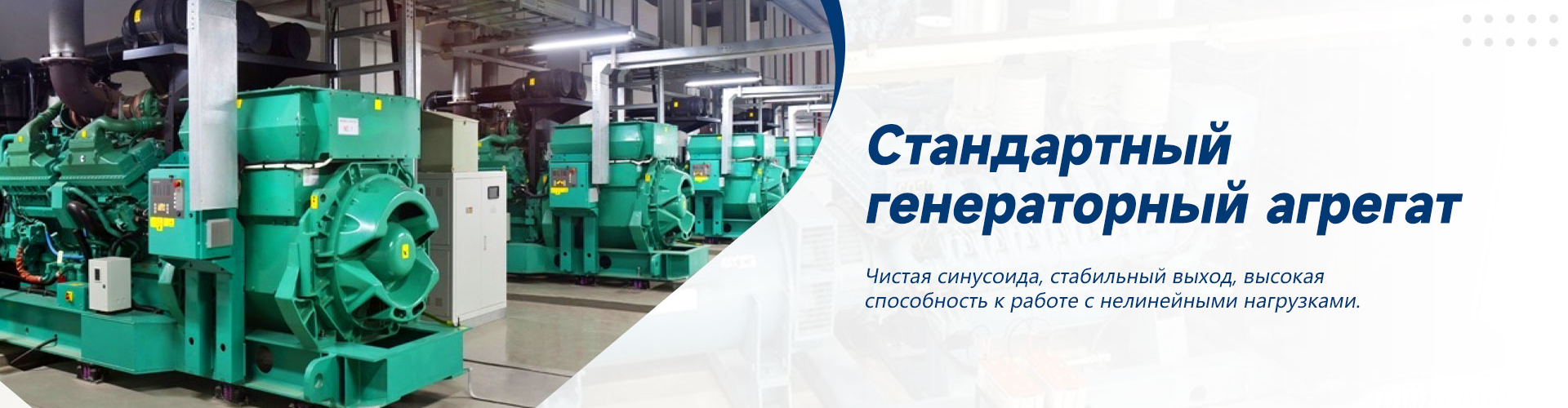
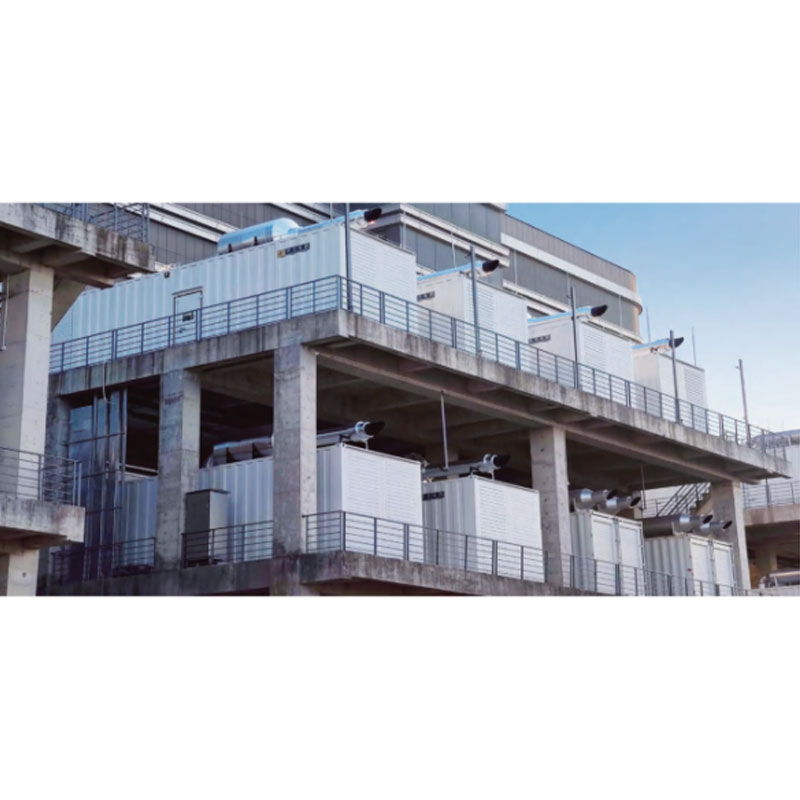
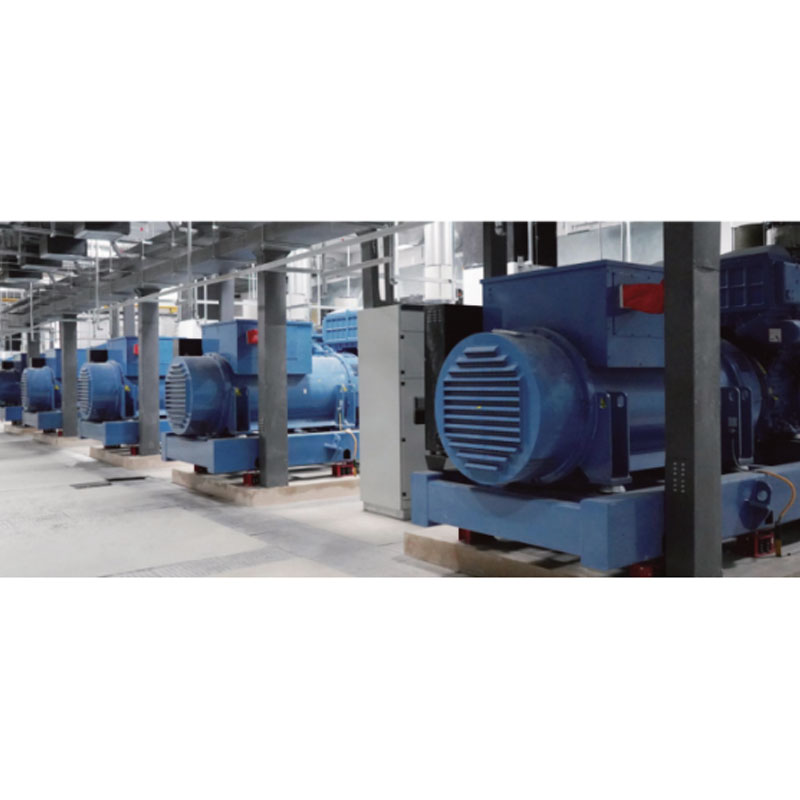
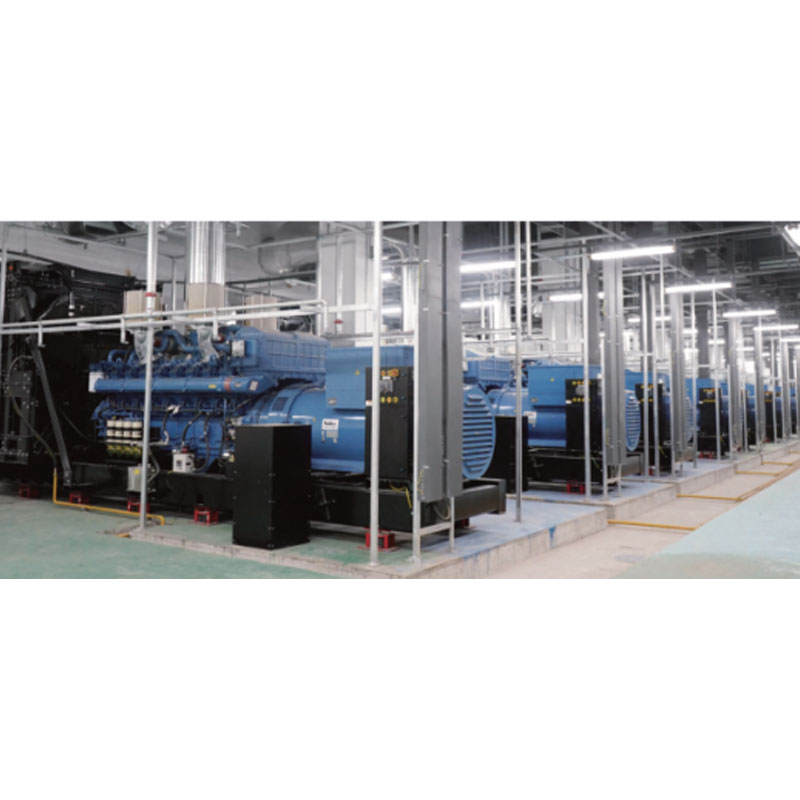
Choosing a reliable partner is often more important than choosing a specific part. The ideal solution is to cooperate with a company that not only sells spare parts, but is a manufacturer and integrator of the generator sets themselves. A striking example of this approach isYuke (Shandong) Electrical Technology LLC.
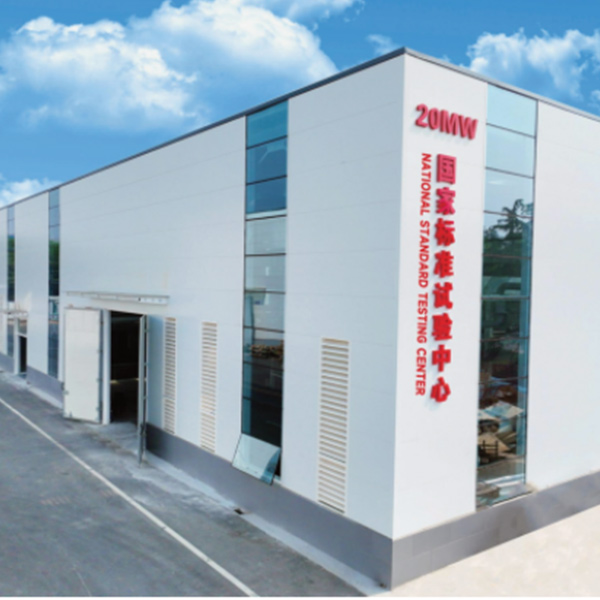
This professional Chinese company, located in Shandong province, specializes in the development and production of comprehensive solutions in the field of autonomous power supply. As a direct manufacturer, Yuke combines deep engineering expertise with access to original components from the world's leading brands. The company acts as a strategic partner for industrial facilities, ensuring reliability of supply through direct contracts with engine manufacturers.
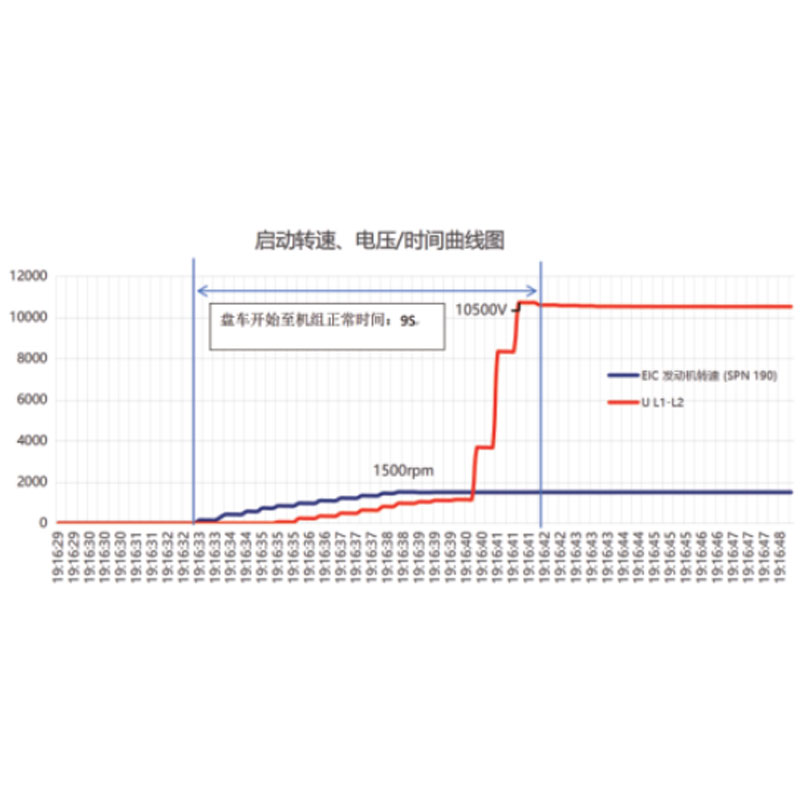
Yuke's product portfolio covers eight key categories, including VCD (Cummins-based), VSD (SEM), VPD (Perkins) series diesel generator sets, as well as gas generators and high-voltage installations. This diversity means that the company's specialists have expert knowledge of the compatibility of parts for engines of various platforms - from European Perkins and MTU to Chinese Yuchai and Weichai. Unlike ordinary traders, Yuke carries out multi-level quality control: each unit undergoes at least 4 hours of stress testing before shipment, which guarantees that all components used comply with the stated standards.
For customers looking for spare parts for a 100 kW diesel generator, cooperation with such an integrator provides several decisive advantages:
- Direct access to OEM components.Since Yuke uses Cummins, Perkins, SEM and Yuchai engines in its assemblies, the company has well-established supply channels for original spare parts, bypassing unnecessary intermediaries.
- Technical expertise.The company's engineers understand not just the part number, but also its role in the overall power supply system, which allows them to avoid the compatibility errors mentioned above.
- Adaptation to the region.Products and service support are adapted to the requirements of the CIS market, including climatic conditions and certification standards (EAC/GOST).
- Comprehensive support.In addition to selling parts, the company provides technical support, personnel training and post-warranty service, implementing the principle of “reliability through responsibility.”
Contacting an integrator manufacturer such as Yuke is especially advisable when it is necessary to purchase critical components or form a safety stock, as this reduces the risk of receiving counterfeit products and ensures transparency of the origin of each part.
Technical standards and certification: how to distinguish a fake
The spare parts market is saturated with counterfeit products, which are visually almost indistinguishable from the original. Counterfeits copy packaging, logos and even holograms. The only reliable method of protection is verification using technical standards and digital markers.
Labeling and packaging
Genuine spare parts for serious engines are never supplied in plastic bags without a hard cardboard box. Packaging must be tight, with clear printing. Pay attention to the quality of the text printing: on fakes, the letters are often blurred or have different shades of color. The box must indicate:
- Part Number
- Batch Number
- Date of Manufacture
- QR code or barcode for verification
Many manufacturers have implemented digital verification systems. For example, scanning the QR code on the box of a Mann filter or Bosch injector should lead to the official website of the manufacturer with confirmation of the authenticity of this particular item of product. If the code cannot be read or leads to a third-party site, this is a fake.
Geometry and materials
Even if the packaging is perfect, the part itself may be defective. Pick up the filter. The original filter is 15-20% heavier than the analogue due to the larger number of filter elements and high-quality steel housing. Try shaking the bypass valve - in the original it moves smoothly, without jamming. Sealing rubber bands must be elastic and free from the smell of cheap rubber and traces of flash.
For metal parts (pistons, liners), use a caliper. Dimensional tolerances must strictly comply with the engine specification. A deviation of the piston diameter of even 0.05 mm can lead to scuffing or increased oil consumption. Request from the supplier a quality certificate with actual measurements, especially when it comes to engine repair after overheating.
Certificates of Conformity
In Russia and the CIS countries, a mandatory requirement is the presence of an EAC (Eurasian Conformity) or GOST R certificate of conformity. For imported spare parts, this is a document confirming the safety of the product. However, the presence of a paper certificate does not guarantee the quality of a specific part, since one batch can be certified and another can be supplied. Therefore, the combination of certificate + visual inspection + supplier guarantee is the gold standard for safety.
Frequently Asked Questions
Is it possible to use car filters for a 100 kW diesel generator?
Absolutely not, unless it is specified in the official engine documentation. Generator sets operate continuously under load (24/7), while automobile engines operate in cyclic mode with frequent stops. The throughput and dirt holding capacity of generator filters is designed for 500-1000 hours of continuous operation, while automotive analogues can become clogged in 100 hours. Using a car filter will result in a drop in oil pressure or a rupture of the filter element and dirt entering the engine. Always use filters labeled “Industrial” or “Generator Duty”.
How can you tell if an injector needs replacement rather than cleaning?
Cleaning Common Rail injectors is only effective when there is light contamination from fuel filtration. If an uneven spray pattern is diagnosed (test on a bench), a change in the cone angle by more than 5 degrees, or fuel leakage through the nozzle at a pressure below the operating pressure, the nozzle must be replaced or professionally restored by replacing the needle and nozzle. A visual sign on the engine is black smoke from the exhaust under load and rough idling. An attempt to wash such an injector with “chemicals” will only aggravate the situation, washing out wear products into fine vapors.
How long does it take to deliver spare parts from China for a 100 kW motor?
The timing depends on the chosen logistics method and the current situation at the borders. Air delivery takes 7-12 days from the moment of shipment from the factory to the recipient's warehouse, but the cost is high. Sea delivery through the ports of the Far East or Novorossiysk takes 35-50 days. Railroad delivery is the most balanced in price and time - about 20-25 days. It is important to consider the production time if the part is not in stock at the factory (usually 3-7 days), and the time for customs clearance (3-5 days). Allow at least a month for supplies when planning a major overhaul.
Does a high price guarantee original quality?
Not always. The high price is often due to a long chain of intermediaries, rather than the quality of the part itself. There are cases on the market when resellers sell fakes at the price of the original, playing on customer confidence in the expensive segment. The only guarantee is purchase from an authorized dealer with a direct contract from the manufacturer. Check the dealer certificate on the brand’s website. Sometimes a high-quality analogue from a well-known second-tier brand (for example, a Knecht filter instead of the original in the engine box) will be better and cheaper than the “original” of dubious origin.
Practical checklist before placing an order
To systematize the search process and eliminate errors, use this checklist before transferring money to the supplier. It is based on our experience of interacting with hundreds of service centers and factories.
- Step 1: Capture data.Write down the engine model, serial number, generator model and year of manufacture. Take a photo of the nameplates.
- Step 2: Determine the part status.Decide whether you need a strict OEM (for electronics, fuel system) or a high-quality analogue (filters, belts).
- Step 3: Find 3 suppliers.One local dealer, one official importer, one trusted foreign partner (for example, a manufacturer of integrated solutions like Yuke LLC).
- Step 4: Request PO with details.Ask to indicate the brand of the part, country of manufacture, warranty period and return conditions.
- Step 5: Check your reputation.Look for reviews of the supplier in industry-specific forums or ask industry peers for recommendations.
- Step 6: Clarify logistics.Find out the exact date of arrival of the cargo and who bears the risk of damage in transit.
- Step 7: Draw up an agreement.The contract specifies responsibility for the delivery of substandard goods and penalties for missing deadlines.
Following this algorithm reduces the risk of purchasing illiquid assets to a minimum. Remember that in industrial energy, reliability is more important than immediate savings.
Conclusion: an investment in continuity
Finding quality spare parts for a 100 kW diesel generator is a task that requires technical literacy and caution. The market offers many options, but only a small part of them will ensure long and stable operation of your equipment. We looked at the importance of identification by serial number, the risks of using cheap analogues in critical components, and methods for verifying suppliers. The main conclusion: saving on key components of the fuel and lubrication systems always backfires, turning into expensive repairs and downtime.
Your goal is not just to buy a part, but to ensure the energy safety of the facility. Trust service and supply to trusted partners with a transparent history and technical expertise. Regular scheduled maintenance using certified materials will extend the life of the generator by years and will pay for itself many times over.
If you encounter difficulties in selecting components or doubt the authenticity of the spare parts offered, do not risk the life of expensive equipment. Our specialists are ready to audit your application, check the compatibility of parts using manufacturers’ databases and offer the optimal solution in terms of price/quality/time ratio.
Contact us todayfor advice on the selection of spare parts for your diesel generator. We will help you find a reliable solution that will ensure stable operation of your energy system.
-


-
-


WeChat

-
WeChat