

Generator set: engine service life and resource
2026-07-17
- What determines the real life of a generator set: numbers, not promises
- Actual service life of diesel and gas engines: comparison of resources
- Influence of load conditions on equipment durability
- Maintenance as a factor in extending service life
- Climatic conditions and performance standards (GOST, ISO)
- Common operating errors and their consequences
- How to extend the life of a generator set: practical recommendations
- Economic justification for choosing reliable equipment
- The role of a professional integrator in ensuring reliability
- Frequently Asked Questions
- Conclusion
What determines the real life of a generator set: numbers, not promises
The service life of the generator set and engine life directly depend on the load in the first 500 operating hours and the quality of maintenance. In our practice, we have seen diesel generators with an operating time of more than 40,000 hours operating without major repairs, and units requiring replacement of the piston group after 8,000 hours of operation. The difference lies not in the brand, but in compliance with the running-in regulations and the correct selection of power for a specific load profile. This article examines the technical nuances that affect the durability of power equipment, based on real data from service centers and factory tests.
Many buyers make the mistake of focusing only on the initial price of the equipment, ignoring the life cycle cost (TCO). A generator set is an asset that takes years to pay for itself. If the engine fails after three years instead of ten, the economics of the project collapse. We analyzed failure statistics in various climatic zones - from the temperate climate of Central Russia to the extreme conditions of the Far North - to highlight the factors that really shorten the life of the engine.
Actual service life of diesel and gas engines: comparison of resources
The engine life before the first major overhaul is a key parameter when choosing a generator set. Manufacturers often indicate ideal values obtained in laboratory conditions, but actual operation makes its own adjustments. Understanding the difference between a passport and an actual resource helps to avoid cash gaps due to unscheduled downtime.
Diesel engines: standard of reliability or myth?
Modern liquid-cooled diesel engines demonstrate the greatest durability potential among all types of internal combustion engines used in power generation. The average resource of a high-quality industrial-grade diesel engine is from 20,000 to 30,000 hours before the first overhaul. Provided that original spare parts are used and oil change intervals are observed, this figure can reach 40,000–50,000 hours. However, these figures are relevant only for units operating in nominal mode (70–80% of rated power).
In our practice, there was a case when a client purchased a budget unit with an air-cooled engine for round-the-clock operation in the workshop. The manufacturer declared a resource of 10,000 hours. In fact, after 2,500 hours, increased oil consumption and loss of compression began due to overheating of the cylinder heads. Air cooling cannot cope with long-term peak loads, which leads to local overheating and metal deformation. For Prime Power modes (the main source of energy), the use of air-cooled engines is a direct path to reducing the service life of the generator set by 3-4 times.
A critical factor for diesel engines is the quality of the fuel. Sulfur content above 500 ppm (parts per million) leads to accelerated carbon formation and coking of the injectors. In regions with unstable diesel fuel quality, engine life drops by 15–20%. We recommend installing additional fuel filtration systems with water separation if you operate in remote areas. This simple solution increases the overhaul interval by 30%.
Gas engines: specifics of working on methane and propane
Gas piston units (GPU) have different wear dynamics. The service life of a gas engine before overhaul is usually 40,000–60,000 hours, which is formally higher than that of diesel engines. However, there is an important caveat: gas engines require more frequent routine maintenance. Replacement of spark plugs, timing belts and valve adjustments is carried out every 500–1000 hours, while for a diesel engine these intervals can reach 2000–4000 hours.
The main enemy of a gas engine is detonation and low gas quality. If the gas pressure in the line fluctuates or there are heavy fractions in the composition, uneven combustion of the mixture occurs. This leads to burnout of valves and destruction of pistons. In one of our projects at a plant in Tatarstan, we encountered a situation where a series of new gas turbine units failed within six months. The reason lay not in the engine, but in the absence of a gas preparation system in front of the gearbox. Condensate entered the combustion chamber, causing hydraulic shock. After installing coalescent filters, the resource stabilized to the design values.
It is worth noting that gas engines are sensitive to the temperature of the incoming air. When the inlet air temperature rises above 25°C, engine power drops and thermal stress increases. For hot climates, it is necessary to use intercoolers with a larger area or power derating. Ignoring this requirement reduces the service life of the generator set by 25–30%.
Gasoline units: backup power niche
Gasoline generators occupy a separate niche. Their resource is limited to 1,500 - 3,000 engine hours. Structurally, they are not intended for long-term continuous operation. High speeds (often 3000 rpm versus 1500 rpm for diesel engines) create increased load on the connecting rod and piston group. Using a gasoline unit as the main source of energy is not economically feasible: frequent repairs and high fuel consumption offset the low purchase cost.
We categorically do not recommend considering gasoline models for facilities that require more than 500 hours of operation per year. Their element is emergency lighting or powering tools at a construction site on weekends. An attempt to force such a unit to work 24/7 will lead to its complete destruction within one season.
Influence of load conditions on equipment durability
The operating mode of the generator set has a decisive influence on the wear rate of the components. There is a common misconception that running at low load is safe for the engine. In fact, prolonged operation at idle or at a load of less than 30% causes more damage to the engine than short-term overloads.
Wet stacking problem
When a diesel engine is running at low load, the temperature in the combustion chamber is not sufficient for complete combustion of the fuel. Unburned diesel fuel mixes with the oil, diluting it, and settles as soot in the exhaust system. This phenomenon is called “wet stacking”. It leads to coking of the piston rings, loss of compression and failure of the turbocharger.
In our service statistics, about 40% of premature failures of diesel generators are associated precisely with operation in underloaded mode. Customers often buy a unit “with a reserve”, taking a 500 kW model for a load of 100 kW. After two years, such a unit requires major repairs. The solution to the problem is to install a dynamic load unit to periodically pump the engine or use control systems that turn off part of the generators in parallel operation, loading the remaining ones to the optimal 70–80%.
Overloads and peak conditions
Short-term overloads (up to 110% power for 1 hour) are acceptable for most industrial engines according to the ISO 8528 standard. However, regular operation at the limit leads to overheating of the crankshaft bearings and stretching of the connecting rods. The metal gets tired and microcracks appear. The engine resource in this mode is reduced exponentially.
Starting currents from electric motors are especially dangerous. If the generator set is selected without taking into account starting factors, each start of a powerful pump or fan causes a voltage drop and a mechanical jerk. We recommend that you always perform a transient calculation before purchasing. It is better to take a unit with a power reserve than to risk the integrity of the crankshaft.
| Parameter | Optimal mode | Critical mode | Impact on resource |
|---|---|---|---|
| Load | 70–80% of face value | <30% or >95% | Underload reduces the resource by 40%, overload - by 60% |
| Coolant temperature | 80–90°C | <60°C or >95°C | Low temperature leads to condensation, high temperature leads to scuffing |
| Oil change interval | According to oil analysis or regulations | Exceeding the interval >10% | Wear of liners increases 3 times |
| Number of starts | Minimum Required | Frequent starts/stops | Wear of the starter and flywheel crown, oil dilution |
Maintenance as a factor in extending service life
A maintenance schedule is not a formality, but a survival guide for your equipment. Most manufacturers require maintenance every 250, 500 or 1000 hours. Missing even one service may void your warranty and cause hidden defects that will appear later.
Quality of engine oil and filters
The use of oils that do not meet the manufacturer's specifications (for example, ACEA E7 or API CI-4 for modern diesel engines) is unacceptable. Cheap analogues often do not have the necessary cleaning and dispersing properties. As a result, combustion products precipitate, clogging the oil channels. We have repeatedly opened engines where the oil passages were completely blocked with sludge due to the use of counterfeit oil.
Filters are the second barrier of protection. The original filter has a complex filter element structure and a fine-tuning bypass valve. Cheap replacements can leak abrasive particles larger than 20 microns, which act like sandpaper inside the engine. Saving $50 on a filter could cost $50,000 in engine block repairs.
Cooling system and antifreeze
Coolant replacement must be carried out strictly according to regulations. Over time, the anti-corrosion additives in antifreeze are produced, and electrochemical corrosion of the cylinder liners and radiator begins. Cavitation is another threat to wet liner diesel engines. Steam bubbles, collapsing on the surface of the cartridge case, knock out microscopic pieces of metal. Special additives (DCAs) in antifreeze create a protective film that prevents this process. Ignoring the testing of additive concentrations every 250 hours is a direct path to through corrosion of the liner.
Electrical check
A generator set is a symbiosis of an engine and an alternator. Problems with the AVR (automatic voltage regulator) or diode bridge can cause phase imbalance, which creates additional vibration on the motor shaft. Vibration destroys bearings and weakens fasteners. Regular thermography of control panels and checking the tightening of contacts helps prevent fires and failure of the stator windings.
Climatic conditions and performance standards (GOST, ISO)
Environmental conditions dictate the requirements for the design of the generator set. StandardGOST 15150-69classifies equipment according to climatic modifications. For central Russia, version U1 (temperate climate) is relevant, for the North - HL1 (cold climate). The use of inappropriate technique will dramatically shorten its life.
Operation in cold climates
At temperatures below -20°C, regular diesel fuel becomes waxy, clogging fine filters. The engine stalls, and an attempt to start on thick fuel can lead to shearing of the high pressure fuel pump (HPF) gears. For northern regions, fuel heaters, coolant pre-heaters (Webasto or analogues) and the use of Arctic oils with a viscosity of 5W-40 or 0W-40 are required.
Batteries lose up to 50% of their capacity in the cold. A weak starter turns the engine slowly, without creating the necessary oil pressure in the first seconds of operation. This causes dry friction and scuffing. Installing the battery in a warm compartment of an all-weather container is a mandatory requirement for winter operation.
Working in hot and dusty climates
In desert or industrial areas with high dust levels, the main enemy is abrasive. Air filters must be multi-stage, with a pre-cleaning system (cyclone type). A clogged air filter creates a vacuum at the intake, the engine “chokes”, the mixture becomes richer, and carbon deposits grow. At the same time, a filter breakthrough allows dust to pass through, which kills the cylinder-piston group within hundreds of hours.
High air temperature reduces the charge density entering the cylinders. The engine is losing power. To compensate, some operators increase the fuel flow, which leads to overheating and black smoke. The right solution is power derating. If at +20°C the generator produces 1000 kW, then at +45°C its rating can drop to 850 kW. Working at the limit in the heat is unacceptable.
Common operating errors and their consequences
An analysis of service reports over the past 5 years has revealed a number of common mistakes that generator set owners make. These errors are often systemic in nature and are associated with a lack of personnel qualifications or a desire to save on small things.
- Lack of work log.Many objects operate without recording parameters (temperature, pressure, engine hours). Without history, it is impossible to make a predictive diagnosis. We recommend keeping a digital log or using remote monitoring systems that automatically collect telemetry.
- Ignoring extraneous noise.A knock, whistle or vibration is a cry for help from the engine. Often operators get used to the sounds and call for service only after the unit has stopped. In 70% of cases, a timely response to the changed sound could prevent major repairs.
- Improper storage.Generators that stand in reserve for months without starting degrade faster than those that are running. The oil flows into the crankcase, leaving the parts dry, water condenses in the tank, and rubber products dry out. Preservation of equipment for a long period requires special procedures: filling the tank to capacity, treating the cylinders with preservation oil and periodically cranking the engine with the starter without starting.
- Independent intervention in ECU settings.Attempts to “increase power” by flashing the electronic control unit without replacing components (turbines, injectors, intercooler) lead to engine operation at extreme temperature conditions. The service life of such a unit is reduced significantly, and the risk of fire increases many times over.
How to extend the life of a generator set: practical recommendations
To ensure your generator set lasts as long as possible, you need to implement a culture of preventative maintenance. This is not just replacing filters, but a set of measures to monitor the condition of equipment.
- Perform a spectral analysis of the oil.Once every 500 hours, take an oil sample to the laboratory. The analysis will show the content of wear metals (iron, aluminum, copper), the presence of water and fuel, as well as the condition of additives. This is the only way to look inside the engine without disassembling it. If the analysis shows an increase in copper content, get ready to repair the sliding bearings.
- Ensure proper break-in.New engines or engines after overhaul require running-in. For the first 50 hours, the load should not be more than 50%. It is during this period that the piston rings are worn in to the liners. Violation of the break-in regime leads to increased oil consumption due to waste during the entire service life.
- Monitor the quality of fuel at the inlet.Install moisture and fuel contamination sensors. Drain sediment from tanks regularly. Clean fuel is the key to a clean combustion chamber and serviceable injectors.
- Monitor the ventilation system.The generator room must have proper air exchange. Insufficient combustion air leads to incomplete combustion and overheating. Check blinds and exhaust fans. The pressure drop in the room should not exceed the permissible values specified in the installation passport.
- Use original spare parts.Even if the warranty period has expired, use OEM components or premium equivalents. The market is saturated with cheap counterfeits that look identical to the original but are made from low-quality materials. Saving on spare parts is a lottery where winning is unlikely.
Economic justification for choosing reliable equipment
When purchasing a generator set, the purchase price represents only 20-30% of the total cost of ownership (TCO) over 10 years. The remaining costs are for fuel, maintenance and repairs. A cheap Chinese noname or remanufactured engine can cost 40% less than its branded counterpart, but its service life will be 2–3 times lower.
Let's look at an example. Generator A costs 50,000 euros, the service life before overhaul is 20,000 hours. Generator B costs 35,000 euros, resource - 8,000 hours. For 20,000 hours you will have to buy almost three type B units or make two overhauls, each of which costs about 15,000 euros. Total costs for B will be 35,000 + 15,000 + 15,000 = 65,000 euros plus business downtime. The choice in favor of high-quality equipment pays off due to the absence of unscheduled production stops.
In addition, equipment liquidity plays a role. Branded generator sets (Cummins, Perkins, Volvo Penta, MTU) are easy to sell on the secondary market, even with a lot of operating time. Atypical or cheap brands have virtually no residual value.
The role of a professional integrator in ensuring reliability
Choosing reliable equipment is only half the battle. It is critically important who assembles the installation, how it is tested and whether it is adapted to specific operating conditions. This is where integrator companies such asYuke (Shandong) Electrical Technology LLC.
This professional Chinese company specializes in the development and supply of comprehensive solutions in the field of autonomous and backup power supply. With its own production base in Shandong Province, Yuke combines engineering competencies in the field of power generation and modern energy storage technologies. The company's activities are aimed at providing reliable power for industrial facilities and infrastructure projects, acting as a strategic partner to the world's leading engine manufacturers.
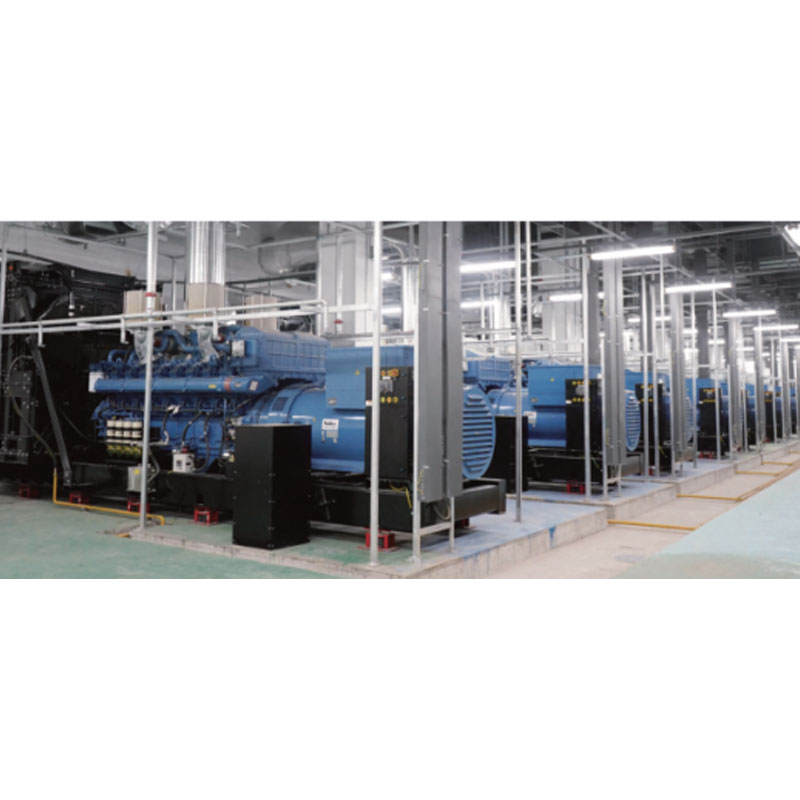
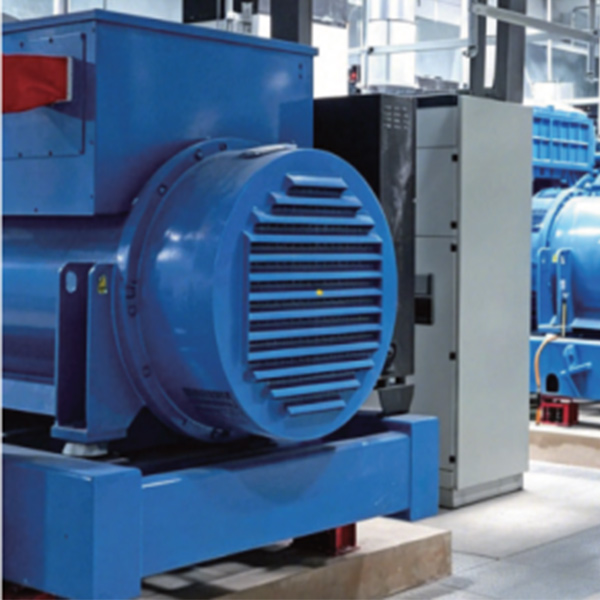
Yuke's product portfolio covers eight key categories, including silent diesel generator sets (VCD series based on Cummins, VSD series based on SEM, VPD series based on Perkins), gas generator sets (VYG series based on Yuchai), high voltage units (VHMD5, VHSD5, VHYD5, VHCD5 series based on MTU, SEM, Yuchai and Cummins), as well as mobile light towers and Liquid-cooled energy storage cabinets. This diversity allows you to choose a solution for any task - from a mobile reserve to a stationary megawatt-class power plant.
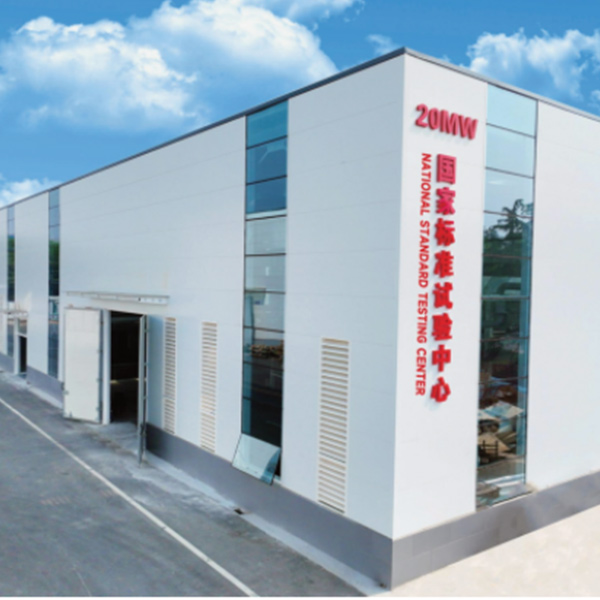
The company pays special attention to assembly quality and control. Each piece of equipment undergoes mandatory load testing for at least 4 hours under rated and partial load before shipment. The multi-level monitoring system includes checking the parameters of noise, vibration, temperature conditions and output voltage stability. This ensures that the declared engine life will be achieved in real conditions, and not just on paper. Products are supplied to the CIS countries, Asia and the Middle East, adapting to local climatic standards and network infrastructure requirements.
The Yuke philosophy is based on the principle of “reliability through responsibility.” The company provides not just equipment, but a full cycle of support: from design and personnel training to warranty service and prompt delivery of original spare parts through a network of authorized partners. This approach minimizes the risks described in the previous sections of the article and ensures the long-term efficiency of investments in energy supply.
Frequently Asked Questions
What is the average service life of a diesel generator in hours?
For liquid-cooled industrial diesel generators, the average service life before the first major overhaul is 20,000 – 30,000 operating hours. Under ideal operating conditions and timely maintenance, individual models can reach 40,000 - 50,000 hours. Gasoline generators have a significantly shorter service life - 1,500 - 3,000 hours.
Is it possible to increase engine life by changing oil frequently?
Frequent oil changes are beneficial, but only to a certain extent. Reducing the replacement interval by 20–30% relative to the regulations can slightly reduce wear, but does not compensate for other negative factors (fuel quality, overload, overheating). The key is to use the correct specification oil and change the filters at every oil change. Replacing too frequently is not economically feasible.
Does running in standby mode affect service life?
Yes, it does, and often negatively. Generators that operate infrequently and for short periods of time (only during a power outage) are at risk of “wet stacking” and corrosion due to condensation. For such installations, it is critical to carry out monthly preventive starts under a load of at least 30% of the nominal load for 30–60 minutes to warm up the engine and burn off carbon deposits.
What to do if the generator was running on low-quality fuel?
It is necessary to immediately drain all fuel from the tanks, replace the coarse and fine fuel filters, and flush the fuel line. It is recommended to submit an oil sample for analysis. If a significant amount of fuel (dilution) is detected in the oil, the oil must be changed ahead of schedule. In severe cases, it may be necessary to clean the injectors on a stand.
Conclusion
The service life of a generator set and engine life are not a lottery ticket, but the result of a competent engineering culture. Choosing a reliable brand, observing load conditions, using high-quality fuels and lubricants and strictly following maintenance regulations allow you to operate the equipment for decades. Attempts to save money at the purchase or service stage invariably lead to higher costs in the long run. Investments in quality and prevention always pay off in the stability of your company's energy supply.
If you doubt the current state of your generator fleet or are planning to purchase new equipment with a guaranteed resource, experts from Yuke (Shandong) Electrical Technologies LLC are ready to conduct an audit and offer the optimal technical solution. Operating with products from the world's leading manufacturers (Cummins, MTU, Perkins, Yuchai, SEM) and providing full service support, the company helps customers avoid operational errors and maximize asset life.
Selection of generator set by parameters | Diesel generator service
Contact us today to receive advice and calculate the cost of equipment taking into account your operating conditions.
-


-
-


WeChat

-
WeChat