


Do-it-yourself noise protection casing: is it possible?
2026-07-17
- Do-it-yourself noise protection casing: is it possible? Short answer for an engineer
- Physics of noise: why a simple box doesn't work
- Step-by-step instructions: how to make an effective casing
- Selecting materials: technical nuances and pitfalls
- Overheating problem: the main enemy of homemade solutions
- Economic analysis: Do-it-yourself vs Factory-made product
- Professional solutions: experience of Yuke (Shandong) Electrical Technology LLC
- Legal aspects and security
- Frequently Asked Questions
- Conclusion and recommendations
Do-it-yourself noise protection casing: is it possible? Short answer for an engineer
Yes, it is technically possible to make a noise-protective casing with your own hands, but it is economically and operationally feasible only for low-power equipment (up to 15–20 kW) with a narrow-band noise spectrum.For industrial units of medium and high power, home-made solutions often lead to engine overheating, reduced bearing life and violation of sanitary standards for vibration. In our practice, we have recorded cases where an attempt to save 30% on the cost of a factory product led to a line downtime for 48 hours due to an emergency shutdown of the casing ventilation system. If your goal is to reduce the sound pressure level by 15-25 dB(A) for a compressor or pump in the workshop, you will need not just a “plywood box”, but an engineering calculation of the aerodynamic resistance and the selection of specialized sound-absorbing materials with a fire safety certificate.
In this article, we will analyze the physics of the noise damping process, provide a step-by-step algorithm for creating an effective design, and honestly tell you where the “do-it-yourself” zone ends and the need to purchase a certified solution begins. We rely on GOST 12.1.003-2014 standards and European machinery directives so that you can make an informed decision.
Physics of noise: why a simple box doesn't work
Many beginning craftsmen make the same mistake: they perceive noise as something homogeneous that can simply be “closed.” In fact, industrial equipment generates three fundamentally different types of noise, and each requires a different suppression method. Understanding this difference is critical before starting any creation work.DIY noise protection casing.
The first type is aerodynamic noise. It occurs when gases or liquids move (compressor exhaust, cooling fan operation). Such noise propagates along with the flow of the medium. If you simply close the unit with a blank box without properly designed mufflers at the air inlet and outlet, you will create an “oven” effect. The pressure inside will increase, the fan performance will drop by 40–60%, and the engine will begin to operate in overload mode. In one of our projects, the client installed a homemade casing on a screw compressor, ignoring the calculation of the cross-section of the air ducts. Result: the oil temperature rose to 95°C in 20 minutes, the emergency protection activated, and the level of low-frequency hum even increased due to wall resonance.
The second type is mechanical noise. This is vibration of housings, gears, bearings, which is transmitted to the foundation and radiated into the air by the surfaces of the unit itself. The rule of mass applies here: the heavier the casing wall, the better it dampens sound. However, using thin sheet metal (less than 1.5 mm) without a damping layer has the opposite effect - the metal begins to act as a speaker membrane, enhancing midrange frequencies. To combat this, a multilayer structure is required: steel + viscoelastic material + perforation + absorber.
The third type is electromagnetic noise, characteristic of electric motors. It has a tonal character (hum at the mains frequency of 50 Hz and its harmonics). Only materials with a high sound absorption coefficient in the low-frequency range, such as high-density basalt slabs or specialized polyurethane foams with a profiled surface, are effective against it.
Before purchasing materials, carry out a simple diagnosis: place your hand on the body of a working unit. If the vibration is strong and can be felt in the palm of your hand, your priority is vibration decoupling of the foundation and weighting the casing walls. If the noise comes mainly from the exhaust pipe or fan, focus on aerodynamic mufflers. Ignoring the source of noise makes any design useless.
Critical parameters for calculation
When designing, you should operate with specific numbers, not intuition. Here is the minimum set of data that needs to be collected:
- Sound power level (Lw)source in octave frequency bands (from 63 Hz to 8000 Hz). Without this chart, you will not be able to select the material with the required efficiency.
- Required noise reduction (Insertion Loss). Typically the target is 75–80 dB(A) at the operator’s workplace, according to SanPiN 1.2.3685-21.
- Cooling air flow. It is calculated based on the heat dissipation of the engine (kW) and the permissible temperature difference (usually no more than 10–15°C between input and output).
- Dimensionstaking into account technological clearances for maintenance (minimum 600 mm around the unit for access to filters and valves).
Step-by-step instructions: how to make an effective casing
If you decide to proceed with self-production, follow this algorithm. Deviation from technology at any stage will reduce the effectiveness of the entire system. We describe the process of creating a universal sandwich casing for stationary equipment up to 30 kW.
- Frame preparation and vibration isolation
The basis is a welded frame made of profile pipe 40×40 mm or 50×50 mm. Critical: The frame must not have any rigid contact with the equipment foundation or the unit itself. Use rubber-metal supports (vibration isolators) under each frame post. The gap between the frame pipes and the machine body must be at least 50 mm on all sides. A common mistake is welding additional fasteners directly to the pump or compressor housing. This creates a “sound bridge” through which vibration is transmitted to the skin, negating all noise insulation efforts. The frame must be a self-contained structure that encloses but does not touch the equipment.
- Installation of external screen (Weight)
The first layer is an outer sheet of steel with a thickness of at least 1.5 mm (for low capacities) or 2.0 mm (for powerful units). The steel must be galvanized to protect against corrosion in the shop environment. The sheets are attached to the frame through vibration-isolating pads (for example, strips of technical rubber 3–5 mm thick) to avoid rattling. The seams between the sheets must be welded with a continuous seam or carefully sealed with acoustic sealant. Any gap with an area of just 1% of the total wall surface can reduce the insulation effectiveness by 10-15 dB. Remember: sound penetrates through the smallest holes, like water.
- Application of a vibration-damping layer
Bitumen-polymer vibration insulation (such as “Vibroplast” or analogues) is glued to the inner surface of the metal sheet. This layer converts the mechanical vibration energy of the metal into thermal energy. The coverage should be at least 60–70% of the sheet area. Applying it in a continuous layer is not always effective and expensive; strips 100–150 mm wide in places of greatest vibration (centers of panels) are sufficient. Ignoring this step will cause the thin steel to resonate at engine frequencies, turning the casing into an additional source of noise.
- Laying sound-absorbing filler
A sound absorber is placed in the space between the outer screen and the inner lining. The optimal choice is slabs made of super-thin basalt fiber with a density of 40–60 kg/m³. Mineral wool of lower density quickly cakes and loses its properties, and glass wool is hazardous to health during installation. The thickness of the layer depends on the required noise reduction: for 15–20 dB 50 mm is sufficient, for 25–30 dB 100 mm is required. The material must be covered with a vapor barrier film on the outside (to prevent oil from getting into the cotton wool) and protected from blowing out fibers on the inside.
- Installation of a perforated screen and organization of air exchange
The inside of the casing is lined with a perforated sheet (perforation 2–3 mm, pitch 5–6 mm, openness 20–25%). Perforation allows the sound wave to penetrate the layer of cotton wool and be absorbed there without being reflected back into the room. The most difficult stage is the organization of inflow and exhaust. Air intakes and exhausts must be made in the form of labyrinth channels or equipped with plate mufflers. A straight hole is not acceptable. The open cross-sectional area of the channels is calculated so that the air speed does not exceed 5–7 m/s, otherwise the noise from air friction against the walls of the channels will exceed the noise of the equipment itself. Be sure to install duct fans with a 20% performance reserve to overcome the resistance of the mufflers.
Selecting materials: technical nuances and pitfalls
The building materials market offers many solutions, but not all of them are suitable for industrial use. When creatingDIY noise protection casingchoosing the wrong material can lead to a fire or rapid collapse of the structure.
Sound absorbers:
For industrial purposes, we categorically do not recommend using ordinary construction foam or cheap foam rubber. They have a low fire resistance rating and degrade quickly when exposed to oils and ozone. The best choice is basalt slabs (stone wool) of flammability classes NG or G1. Pay attention to hydrophobization: if there is high humidity in the workshop or there is a risk of condensation, conventional slabs will pick up moisture, their weight will increase, they will sag, and thermal conductivity will deteriorate, which will lead to overheating of the equipment inside. Specialized acoustic mats with a foil coating are preferable, since the foil serves as a heat reflector and protection from dust.
Sealants and sealants:
All joints must be sealed. Use silicone or polyurethane sealants that remain flexible in the temperature range from -40°C to +80°C. The casing doors (and they are required for maintenance) must have a double sealing line made of EPDM rubber. A single circuit often misses high-frequency whistles. Checking the quality of the seal is simple: close the door, turn on a bright light inside and look outside. If you see at least one ray of light, it means that noise will come out through this gap.
Fasteners:
Vibration is the main enemy of fasteners. Regular nuts loosen after a few days of work. Use self-locking nuts with nylon inserts or install lock washers under each nut. In places where heavy panels are attached, it is recommended to use threaded bushings glued into the frame to avoid the threads being licked off during frequent dismantling for maintenance.
Comparison of cladding materials
| Material | Density (kg/m³) | Insulation index Rw (dB) | Fire resistance | Recommendation |
|---|---|---|---|---|
| Galvanized steel 1.5 mm | 7850 | ~28 dB | NG (Non-flammable) | Mandatory outer layer |
| Drywall (gypsum board) 12.5 mm | ~800 | ~30 dB | G1 (Low-flammable) | Not recommended (afraid of vibration) |
| Aluminum composite | ~4000 | ~24 dB | Depends on the filler | Bad (resonates) |
| Acoustic sandwich panel (factory) | ~50-60 (core) | 35–45 dB | NG/G1 | Ideal, but difficult to do yourself |
Overheating problem: the main enemy of homemade solutions
The most common reason for rejecting the DIY idea is heat stress. Any engine or compressor produces heat that must be removed. When you put a casing on the unit, you disrupt natural convection. If forced ventilation is not organized, the temperature inside the closed volume will begin to rise at a rate of 1–2 degrees per minute.
Let's consider a real case. At a wood processing plant, operators made a plywood and felt casing for a 50 kW diesel generator. They provided openings for air, but did not install fans, relying on natural draft. After 15 minutes of operation, the temperature in the compartment reached 85°C. The coolant temperature sensors showed a critical value, the generator turned off. An attempt to enlarge the holes led to the noise level returning to its original values, since the acoustic impedance of the channels disappeared.
The rule is simple: the volume of pumped air must compensate for the heat generation. Simplified calculation formula:Q = P / (c * ρ * ΔT), where P is the thermal power (approximately 3–5% of the engine’s electrical power is converted into heat, the rest into mechanics, but for cooling it is necessary to take into account all the heat dissipated into the medium), c is the heat capacity of the air, ρ is the density, ΔT is the permissible heating (usually 10°C). For a 30 kW engine, you will need to move about 2000–2500 m³/hour of air. An ordinary household fan is not capable of this. You need industrial duct fans that are resistant to temperatures up to 60-80°C.
In addition, the air intakes must be located in a clean air zone, and the exhaust must be located so that the hot flow is not sucked back in (short-circuiting the flows). The distance between the inlet and outlet should be maximum, preferably diagonally along the casing. Input channels must be equipped with air filters (class G3 or G4), otherwise dust will clog the engine radiators and the sound absorber layer in a couple of months, sharply reducing the efficiency of the system.
Economic analysis: Do-it-yourself vs Factory-made product
Before you buy sheet metal and wool, let's calculate the real cost of ownership. Many people believe that the homemade option is cheaper. This is an illusion if we consider the full cycle.
Costs for a homemade casing (for a 20 kW unit):
- Materials (metal, pipe, wool, perforation, fasteners, sealant): ~40,000 – 60,000 rub.
- Work (welding, cutting, installation, 2 people x 3 days): ~25,000 rub. (except for your time).
- Ventilation system (fans, mufflers, filters, automation): ~35,000 rub.
- Total:~100,000 – 120,000 rub.
- Service life:2–3 years (risk of corrosion, cotton wool caking, breakage of self-made ventilation).
- Certification:Absent (problems during inspections by Rospotrebnadzor or labor protection).
Factory acoustic enclosure costs:
- Product cost (serial production, optimized costs): ~130,000 – 160,000 rubles.
- Installation (supervision or complete installation): ~15,000 rub.
- Total:~145,000 – 175,000 rub.
- Service life:10–15 years (powder coating, high-quality wool, engineered ventilation).
- Certification:Full package of documents (Certificate of Conformity, noise attenuation passport, test reports).
The difference in price is only 20–30%, but the difference in reliability and legal risks is colossal. Factory casings are tested in reverberation chambers, their characteristics are confirmed by protocols. A homemade casing is always a lottery. If the inspection reveals that the noise level in the workplace exceeds the MPL (maximum permissible level), the fine for a legal entity can be up to 80,000 rubles. or suspension of activities for up to 90 days. In this context, saving becomes risky.
However, there are scenarios whereDIY noise protection casingjustified:
1. Unique dimensions of the equipment, for which there are no serial solutions.
2. A temporary measure for the period of repair or commissioning.
3. Equipment operating in intermittent mode (rare switching on), where overheating is not critical.
4. Budget restrictions in small businesses where they are willing to put up with the need for frequent maintenance.
Professional solutions: experience of Yuke (Shandong) Electrical Technology LLC
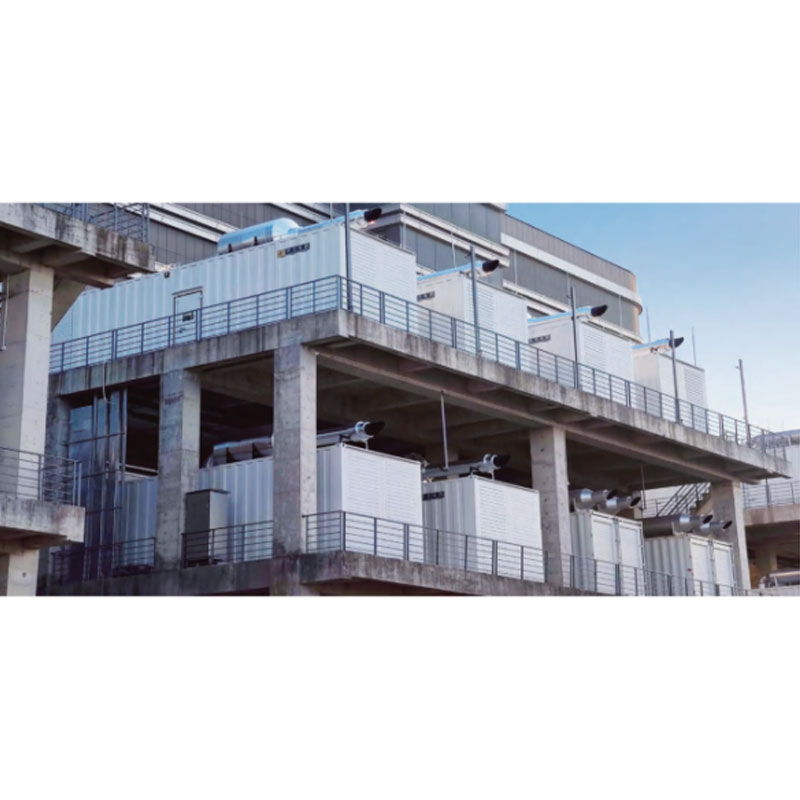
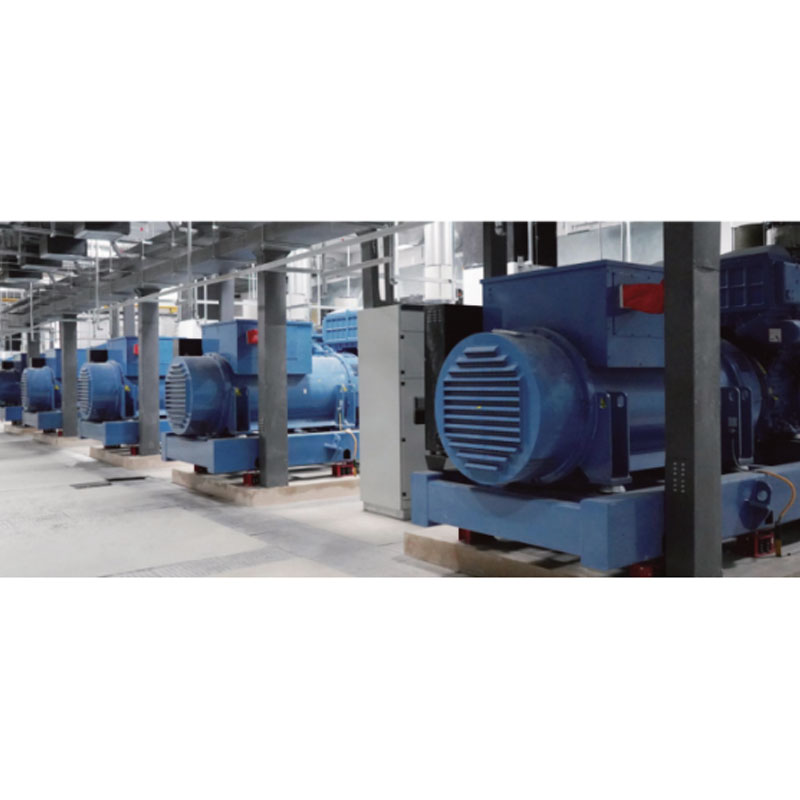
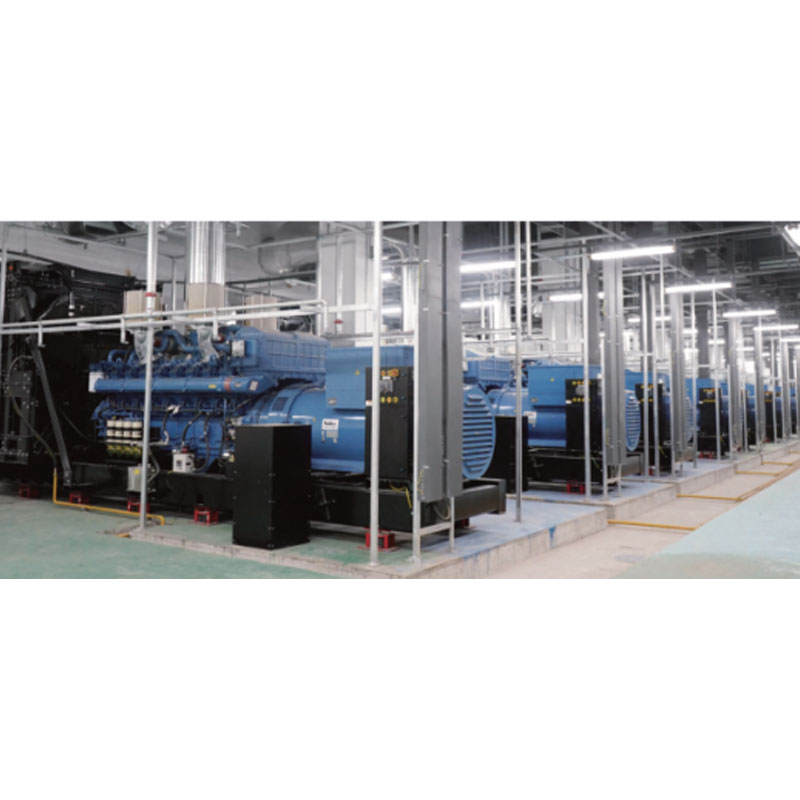
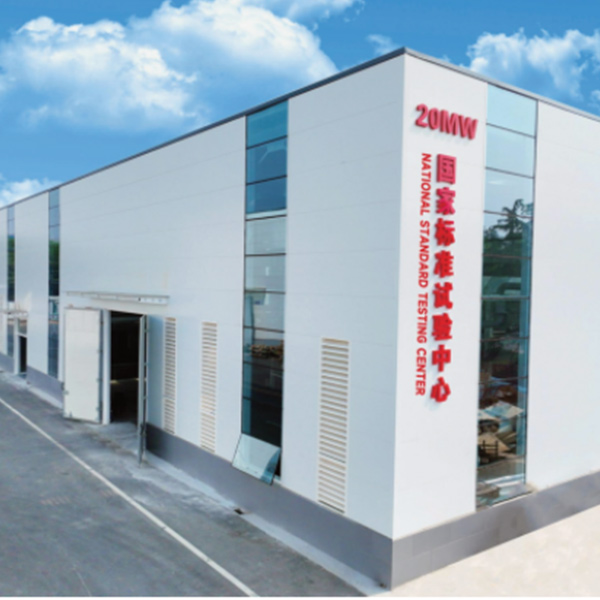
When it comes to powerful noise sources such as diesel generator sets (DGS) or gas engines, the acoustic and thermodynamic requirements are beyond the capabilities of a garage production facility. This is where the expertise of specialized integrators such asYuke (Shandong) Electrical Technology LLC.
The company, based in Shandong province, specializes in developing complete solutions for off-grid power supply, where noise control is an integral part of the engineering design. Unlike artisanal methods, Yuke's approach is based on deep integration of advanced engines (Cummins, MTU, Perkins, Yuchai, SEM) with its own patented noise enclosure designs.
The key advantage of their products is not just the presence of a metal case, but a complex multi-layer system designed taking into account the physics of noise, which we discussed above. The company's model range includes a series of silent generator sets (including mobile trailers and container solutions), where each element undergoes strict control:
- Aerodynamic calculation:Ventilation systems are designed to provide the necessary air exchange for engines with power ranging from several tens of kilowatts to several megawatts, using labyrinth channels and highly efficient mufflers that prevent overheating even in hot climates.
- Multilayer structure:The use of specialized sandwich panels with a high-density basalt fiber core and perforated screens provides a noise reduction index unattainable for home-made structures.
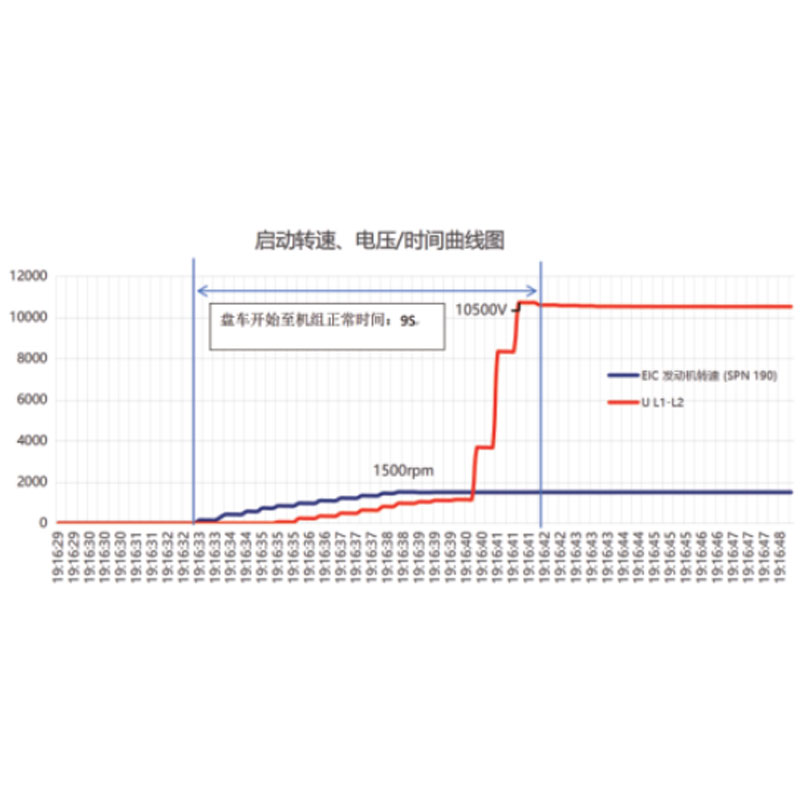
- Certification and testing:Each piece of equipment, whether it is a VHMD5 series high-voltage installation or a mobile light tower, undergoes a minimum of 4 hours of stress testing. The parameters of noise, vibration and temperature conditions are recorded in protocols, which guarantees compliance with international standards and the absence of problems with supervisory authorities.
For infrastructure facilities, remote areas or industrial plants where reliability is critical, cooperation with professionals like Yuke avoids the risks associated with homemade solutions. The company adapts its products to the standards of the CIS countries, providing not only silence, but also energy efficiency, durability and full documentary support.
Legal aspects and security
Do not forget that any change in the design of equipment that affects its safety and environmental performance must be documented. According to the Technical Regulations of the Customs Union TR CU 010/2011 “On the safety of machinery and equipment”, modernization requires conformity assessment.
If you make a casing for yourself in the garage, that's your business. But if the equipment is located in a production workshop where there are employees, you are responsible for:
- Fire safety:Materials must have fire safety certificates. The use of flammable insulation near hot components (exhaust, bearings) is prohibited.
- Electrical safety:The casing must be grounded. The metal casing located next to power cables may become live if the insulation is damaged.
- Ventilation:Lack of proper air exchange can lead to the accumulation of harmful gases (if there are leaks) or overheating, which is classified as a violation of operating rules.
We strongly recommend that you consult with a health and safety engineer before starting work. A simple noise measurement before and after installation (even with a household lux meter, although it has a large error) will help to understand the dynamics, but official reports require certified laboratories.
Frequently Asked Questions
Can I use regular mineral wool from a hardware store?
Technically possible, but not recommended for industrial environments. Construction wool (for facades or floors) is often lower in density and is not designed to withstand oil, vibration and high air flow velocities. It can quickly settle, forming voids in the upper part of the casing through which sound can pass unhindered. In addition, the binders in cheap cotton wool can have an unpleasant odor when heated. It is better to use specialized acoustic slabs or mats made of basalt fiber marked “for industrial use” or “acoustic”.
How thick should the metal for the walls be?
For equipment with a power of up to 15 kW, steel with a thickness of 1.2–1.5 mm is sufficient, provided there is a high-quality vibration-damping coating. For powerful units (from 30 kW and above), the thickness must be at least 2.0 mm. Increasing the metal thickness beyond 2 mm gives a slight increase in insulation (law of diminishing returns), but greatly increases the weight and cost of the structure. What is more important is not the thickness itself, but the presence of a multilayer structure (mass-spring-mass) and the absence of rigid connections between the layers.
Do I need to make doors in the casing?
Necessarily. Operation of the equipment without access to control devices, filters, oil drain plugs and belts is impossible. Doors must be removable or hinged with secure hinges. Each door is a weak point in terms of sound insulation, so their area should be minimized, and the perimeter should be equipped with a double rubber seal. Locks must ensure tight pressing of the sash to the frame along the entire contour.
Will the enclosure reduce vibration transmitted to the floor?
No, the casing itself does not reduce structural vibration transmitted through the foundation. It only fights airborne noise. Moreover, if you tightly couple the casing to the unit, it can even increase the transmission of vibration to the floor by increasing the mass of the vibrating system. To combat floor vibration, separate vibration isolators are needed under the equipment itself (stands, spring supports) and flexible inserts on pipelines and air ducts connecting the unit to external systems.
Conclusion and recommendations
ManufacturingDIY noise protection casingis a task that requires a deep understanding of acoustics, thermodynamics and mechanics. This is not just carpentry or plumbing work, but a full-fledged engineering project. If you have the expertise, time and equipment to do precision cutting and welding, you can create an efficient low-power solution while saving on your budget.
However, when it comes to mission-critical equipment that operates 24/7 or high noise sources, the risks of a DIY design outweigh the benefits. An error in calculating ventilation can cost you expensive engine repairs, and lack of certification can lead to problems with regulatory authorities. In such cases, turning to specialized manufacturers, such as Yuke (Shandong) Electrical Technologies LLC, offering ready-made certified solutions with guaranteed characteristics, becomes the only correct strategic choice.
We recommend using a hybrid approach: order the main acoustic panels and mufflers from professionals (where accurate calculations and materials are important), and do the frame assembly and installation yourself. This will allow you to strike a balance between cost and reliability.
If you doubt your calculations or are faced with a difficult case (high temperature environments, aggressive chemicals, special explosion safety requirements), do not take risks. Contact specialists who will provide a ready-made solution with a guarantee of results.
Industrial noise control solutions and prefabricated enclosures— explore our catalog of certified equipment that has been tested under real operating conditions and meets all international safety standards.
Remember: silence in the workshop is not only comfort, but also an indicator of production culture and concern for the health of employees. Investments in proper sound insulation pay off in reduced staff fatigue and no fines.
-


-
-


WeChat

-
WeChat