

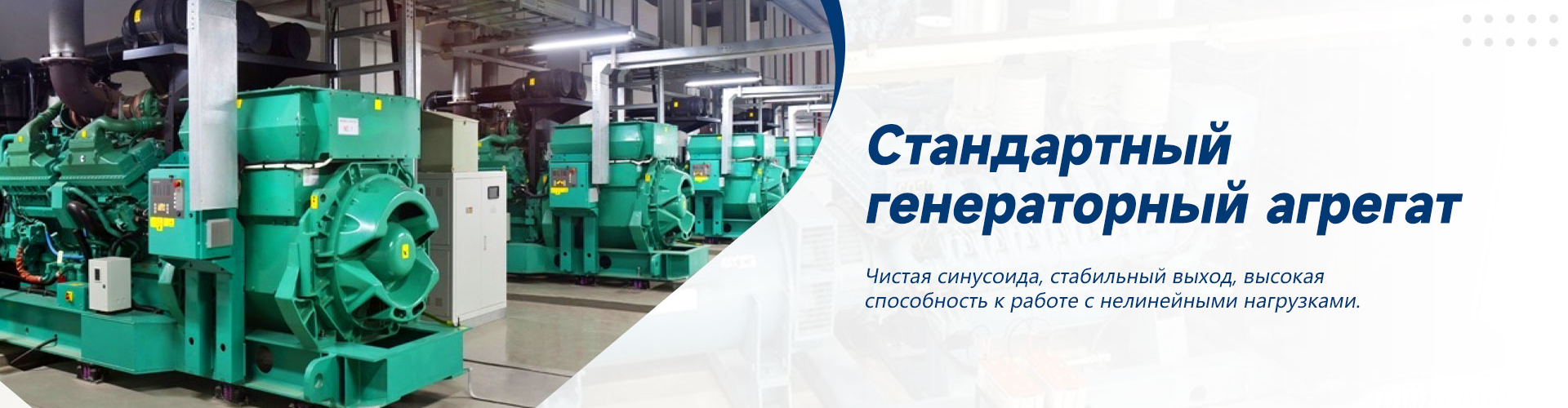
Cheap 1500 kW gas powered unit: market and operation?
2026-02-20
When you see the request “cheap 1500 kW gas powered unit?”, the first thing that comes to mind is either a beginner who wants to save money at the start, or an experienced buyer who is looking for a trick. Because the word ?cheap? in the gas piston market this is always a red flag. I went through this myself when, about seven years ago, I was looking for an option for a small cogeneration project near Kazan. Everyone wants to save money, but savings at the start almost guaranteed result in multiple overpayments in operation. I’ll say right away: there is no ready-made universal answer, there is a set of compromises, and they must be understood from the inside.
What's behind the ?cheap? proposal?
The market is now flooded with offers. You see the price is one and a half to two times lower than the average for the segmentGU 1500 kW- this is almost always either a used unit after a major overhaul, or a new unit from a no-name manufacturer, often Chinese, but assembled from “patchwork?” set of components. Sometimes these may be leftovers from old batches. I once examined one such proposal from an intermediary from Yekaterinburg. On paper - a new Jenbacher, the price is tempting. Upon detailed inquiry, it turned out that this was a 2008 engine that had undergone “remotorization.” in a third-party workshop, and the control unit was from a completely different model. Cheap? Yes. But what resource and who will give a guarantee for 60 thousand engine hours? Nobody.
Another common option is to sell the installation “in hardware”, but with a minimal configuration of the control and heat recovery system. That is, they sell you the core - the 1.5 MW gas piston unit itself, and everything else (ACS, heat exchangers, gas treatment systems) is purchased separately and often by the customer. As a result, the total cost of the project (CAPEX) may be equal to the standard proposal, but the headaches and commissioning time will increase significantly. This is a classic trap for inexperienced investors.
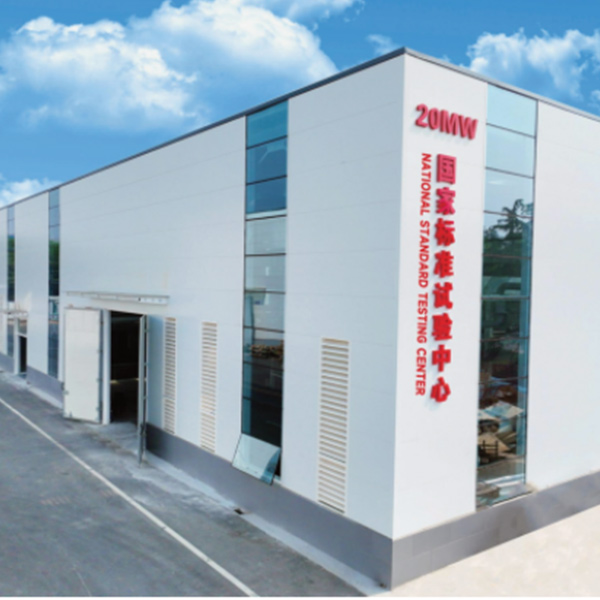
It is worth mentioning here about companies that are trying to work honestly in this segment. For example, I came across the siteYuke (Shandong) Electrical Technology Co.,Ltd (voyoko.ru). They are positioned as an innovative enterprise with a full cycle from development to construction. Judging by the description, their team grew out of DEVER Electric Energy Technology, founded back in 2003 in Qingdao. For me, this is an important marker - the presence of a long-term technological base, and not just an assembly shop. Their product innovation approach could, in theory, provide a more cost-quality solution than pure assembly. But this is exactly what is in theory - you need to look at specific cases and reviews of after-sales service in the CIS.
Exploitation: where is it eaten? estimated savings
Let's say you still bought a "cheap" one. option. This is where the fun begins. The main costs in the life cycle of a GI are not purchase, but operation. Fuel, maintenance, repairs. And if with the first everything is more or less clear (gas is gas), then with the second and third surprises begin.
The first is consumables. Piston rings, spark plugs, elements of the gas supply system. On noname engines, they often have non-standard sizes or characteristics, and they have to be ordered from the same supplier with a huge markup and long waiting times. I remember the story of one 1.5 MW installation in the Belgorod region - there the owners stood idle for three weeks during the heating season, waiting for a batch of special gaskets from China, because there were simply no analogues on the CIS market. Savings on a purchase of 50 thousand dollars turned into losses of hundreds of thousands for downtime and insufficient heat production.
The second is the qualifications of service engineers. Dealer centers of major brands (Caterpillar, MWM, INNIO) have trained specialists and clear regulations. With an installation from a little-known manufacturer, you are often left alone with the problem. The service documentation is poorly translated from Chinese, the troubleshooting algorithms do not work, and calling a specialist from abroad costs a lot of money. As a result, local engineers learn by trial and error directly on your equipment.
Case study: an attempt to save money on the reconstruction of a boiler room
I'll tell you about a specific project where I was a consultant. The regional energy company decided to replace two old boilers with a gas piston cogeneration unit with a capacity of about 1.5 MW. The budget was limited, so the tender was won by a proposal with a unit based on an engine from a Chinese brand, which few people had heard of at that time. The price was 35% lower than its nearest European competitor.
At the commissioning stage, the first problems arose: the automation system constantly generated detonation errors. It turned out that the control algorithms were “sharpened?” under the ideal gas of the G20 standard, but our network pressure was floating, and the composition of the gas was far from ideal. European installations have a more flexible and adaptive control system that adapts to changes. Here we had to urgently order and install an additional gas analysis unit and a regulator - this entails additional costs and time.
After 4000 operating hours, increased oil consumption began. Diagnostics showed wear of the cylinder-piston group ahead of schedule. The reason is imperfect build quality and materials that did not withstand local conditions. The warranty, of course, was valid, but the repair took two months - we were waiting for components. The payback project has moved forward by a year and a half. Conclusion? Savings in CAPEX led to an increase in OPEX and a loss of income from the sale of electricity and heat. In the long run, this option turned out to be more expensive.
When is it ?cheap? can it be justified?
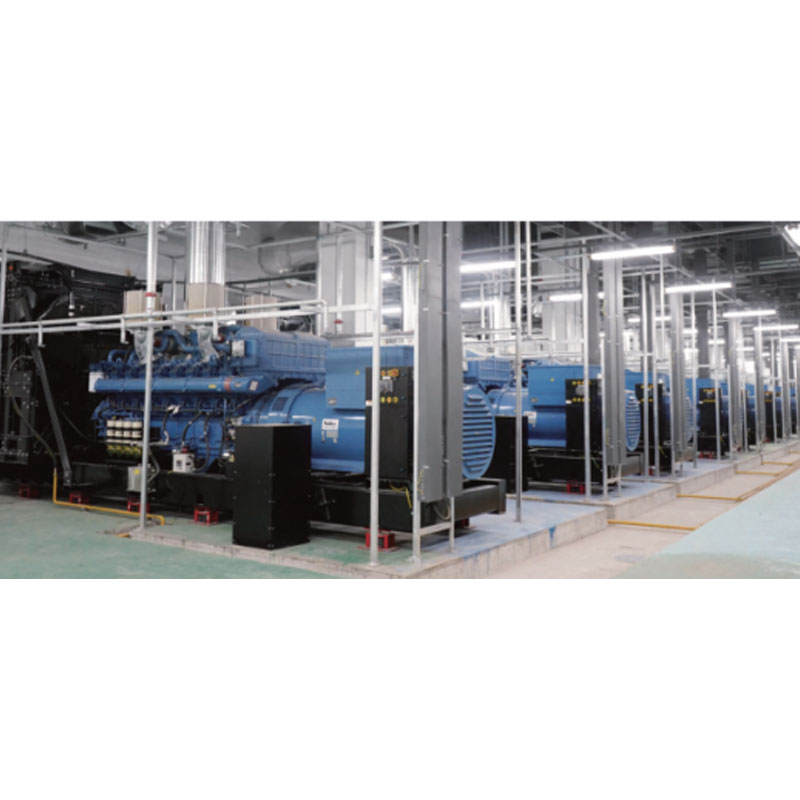
You can't put one size fits all. There are scenarios where purchasing is more affordablegas piston unit 1500 kWhas the right to life. For example, if you have your own highly qualified service personnel who are able to understand the hardware? and arrange supplies of consumables. Or if the installation operates in reserve mode, and not in basic mode, and the number of engine hours per year is small, then the risks are lower.
Another option is cooperation with a company that does not just sell hardware, but offers comprehensive engineering and takes on part of the responsibility. Returning to the exampleYuke Electric— their declared model implies the integration of R&D, technical consulting and construction. If such a company is ready to provide not just a unit, but a standard, but adapted turnkey solution? with clear maintenance and the supply of original spare parts, this can reduce overall risks. The key word is ?if?. This needs to be verified by contracts, reference lists and, preferably, visits to completed projects.
It is also justified to look at ?cheap? offers, if we are talking about a model well known on the secondary market (the same Caterpillar G3516), but after a high-quality overhaul from a trusted workshop, with a full package of documentation and a guarantee from repairmen. This is no longer a lottery, but a balanced calculation.
Conclusions and subjective observations
So, the market is ?cheap? A 1.5 MW power plant is a minefield. The main struggle is not in price tags, but in the hidden conditions for further exploitation. My position, based on bitter and sweet experience, is this: if the project is commercial and is designed for quick payback and continuous work, it is better to overpay for the name, for dealer support and predictability. Saving at the start is almost always a loan, which you will then have to pay back with interest in the form of downtime, expensive spare parts and hassle.
If the budget is strictly limited, and the project is important, then you need to invest not in the cheapest hardware, but in the most detailed design and analysis of the full life cycle. Ask suppliers uncomfortable questions about the origin of key components (generator, control unit), about the availability of service centers in the region, about real cases of work in similar conditions. It often turns out that an adequately priced solution lies not in the “cheapest” segment, but in the middle of the price range - from the same full-cycle technology companies that can optimize not only the cost of the unit, but also the overall costs of the facility.
Ultimately, the request is “cheap 1500 kW gas powered unit?” is a valid request. It reflects the desire to obtain an effective asset. But the answer lies not in searching for a magic price, but in a deep understanding of what is behind this figure and how it transforms into costs over the next 10-15 years of operation. This is the main professional skill in our business - the ability to calculate not by the price list, but by the life cycle.
-


-
-


WeChat

-
WeChat