

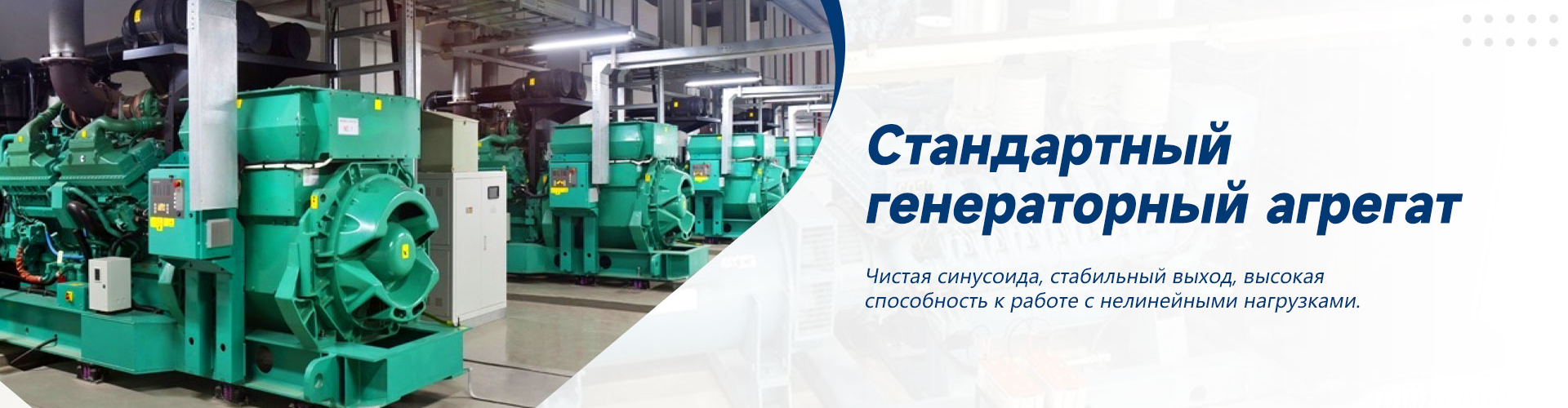
Cheap 1000 kW gas power plant: Is China a trend?
2026-02-20
Here we go again about “cheap Chinese 1000 kW”. Every second request now comes down to price. But if you are in the know, you immediately catch the catch: “cheap?” - what is this about? About the unit itself on the site? Or about the whole story - from documentation to the first launch and replacement of the first expensive spare part? Let's go in order, without water.
Where does “cheap” start? and where it ends
Look, the market is flooded with offers from China for 1000 kW gas generators at a price that seemed fantastic five years ago. The first reaction is to take it, of course. But here is the first stone. Often this price hides a basic engine, say, some Weichai, without an exhaust aftertreatment system, with a minimal set of control panels. The client sees the number, is happy, and then at the design stage it turns out that the emission requirements require a catalytic converter, and this adds 20-30% to the cost. Or the automation must be integrated with the existing automated process control system, but the native panel is not capable of this - it needs replacement or serious modification. So it turns out that it’s “cheap”? It was only in the title.
Personal example: last year there was a project for a small production. The customer insisted on budget Chinesegas generatorper 1 MW. The price of the equipment was really attractive. But when we started preparing the foundation, it turned out that the frame and vibration isolation system of this unit required a completely different, more massive and expensive site preparation than we had originally laid. Plus, the set of spare parts that came with the database was more than modest - key elements, such as spark plugs of a specific type, had to be ordered separately with a long waiting period. Savings at the start resulted in downtime and cost overruns during installation.
Therefore, now, when people come to me with a question about cheap solutions, I immediately ask: “What is included in this price?” A complete turnkey package or just hardware? on the FOB port??. This is fundamental. Often suppliers, especially those who work as simple traders, cannot give a clear answer. And if they can’t, that’s a red flag.
China is not a monolith. Who to look for?
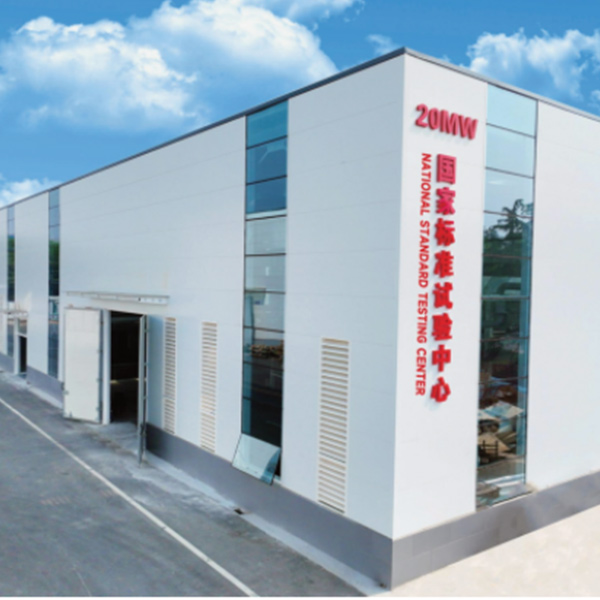
Say ?Chinese generator? — it’s like saying “European car?”. The spread is colossal. There are hundreds of workshops that assemble installations from available components. And there are companies with a serious engineering school, their own R&D and, critically, long-term support. Here, for example,Yuke (Shandong) Electrical Technology Co.,Ltd(Yuke Electric). Their website -voyoko.ru— it’s worth a look not only for the catalogue. They grew out of the DEVER team, which has been working since 2003. This is important. Why? Because 20 years in the energy market is not about just selling. This is about working thousands of engine hours at different sites, accumulating a database of failures, and improving weak points. Their positioning as an innovative enterprise combining R&D, technical consulting and engineering is exactly what distinguishes the player from the reseller.
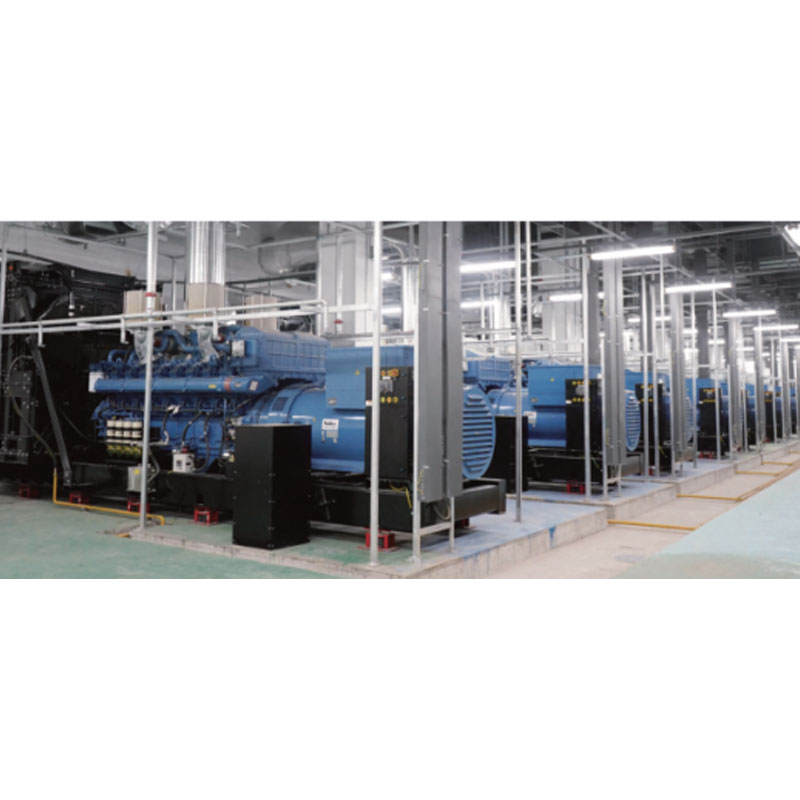
With such manufacturers you can talk not only about the price per kW, but also about efficiency at partial loads, about adapting the control system, and about long-term warranties. Their product line is often not just a “generator”, but an energy module, where issues of noise insulation, heat recovery, and ready-made solutions for cogeneration have already been thought through. This is a different level of cost, but also a different final economy.
So is China a trend? Yes, but the trend is towards segmentation. The market is divided: a low price segment with high risks and a segment of high-quality engineering solutions, where Chinese companies like Yuke Electric no longer compete on price, but on the technological completeness of the project.
1000 kW - golden mean or risk zone?
A power of 1 MW is a special story. This is already a serious power plant, but not yet at the level of a power plant, where everything is in accordance with GOST standards and with an army of engineers. This is a popular power for medium-sized production, shopping centers, and agricultural complexes. And herein lies the pitfall: many buyers mistakenly believe that it is “just a big generator”. In fact, this is a system where balancing of all components is critical: engine, generator, cooling system, gas path.
I have seen cases when an engine was installed at this power that had proven itself well at 500 kW, but was “stretched?” up to 1 MW. Everything in the passport is beautiful, but the resource part and working at full load for a long time raise big questions. The engine operates at the limit, which affects service intervals and overall lifespan. Reliablegas generator 1000 kWmust have a reserve of power unit power, and this is reflected in the price and dimensions.
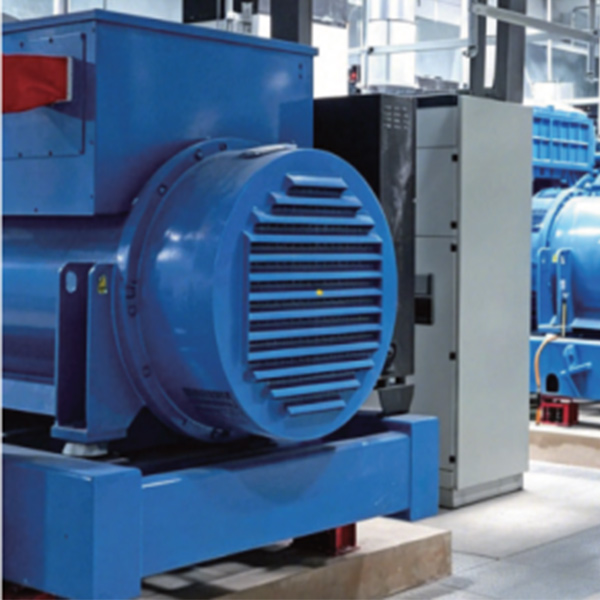
Another nuance is the generator part. You need to look not at the brand (everyone knows Stamford, Leroy-Somer), but at who and how adapts it to a specific engine and control system. A poorly calibrated voltage regulator can cause startup problems for sensitive equipment on site. This is the part that is ?cheap? Suppliers often miss the mark, and problems surface at the end user.
Gas specificity: methane, biogas, associated gas
?Gas? - also not one word. The main trend is toward natural pipeline methane. This is where the technology is most mature. But increasingly, requests are for biogas or associated petroleum gas. And this is where the real engineering begins. The composition of the gas, its pressure, purity, calorie content - all this requires improvement.
Chinese manufacturers who serve the global market often have more experience in this than they think. The same guys fromYuke Electric, judging by their portfolio, are actively engaged in projects for different types of gas. This means that they have gas valve settings, control algorithms for unstable environments, and solutions for fuel pre-treatment. For the customer, this means that they can get not just a unit, but a solution for their specific task, even if it is the utilization of landfill gas with low composition stability.
A failed case from practice: they tried to install a standard methane generator at a biogas facility by simply replacing the nozzles. It didn't work out. Fluctuations in methane content led to constant malfunctions, detonation, and ultimately to the breakdown of the block head. We had to redo it from scratch, install a real-time gas composition monitoring system and a flexible supply control system. Conclusion: gas is not gasoline, there are no universal solutions. And if the supplier says “yes, we will supply any gas?” without deep questions is a reason to be wary.
Bottom line: the trend is towards informed choice, not cheapness
So, is China a trend? Undoubtedly. But the trend has shifted from the blind pursuit of low prices to the search for a technologically savvy partner. The market has matured. Customers, having been burned by the “cheap” ones solutions, they now ask the right questions: about the full life cycle, about the cost of ownership, about the possibility of customization.
Yes, you can buycheap 1000 kWgas GU. But with a high probability it will be a story with an unpredictable ending and hidden costs. Or you can invest in a comprehensive solution from a company that takes on not only supply, but also engineering responsibility - like Yuke Electric. The difference in approach is colossal.
My advice? Formulate the technical specifications in as much detail as possible, including operating conditions, emission requirements, and integration plans. Send it not to 50 traders, but to 5-7 proven manufacturers with their own engineering. And compare not only the numbers in commercial proposals, but also the content: what exactly is included, what guarantees, what is the history of such projects. The trend today is not the country of origin, but the depth of development of the project. This is what is worth looking at.
-


-
-


WeChat

-
WeChat