

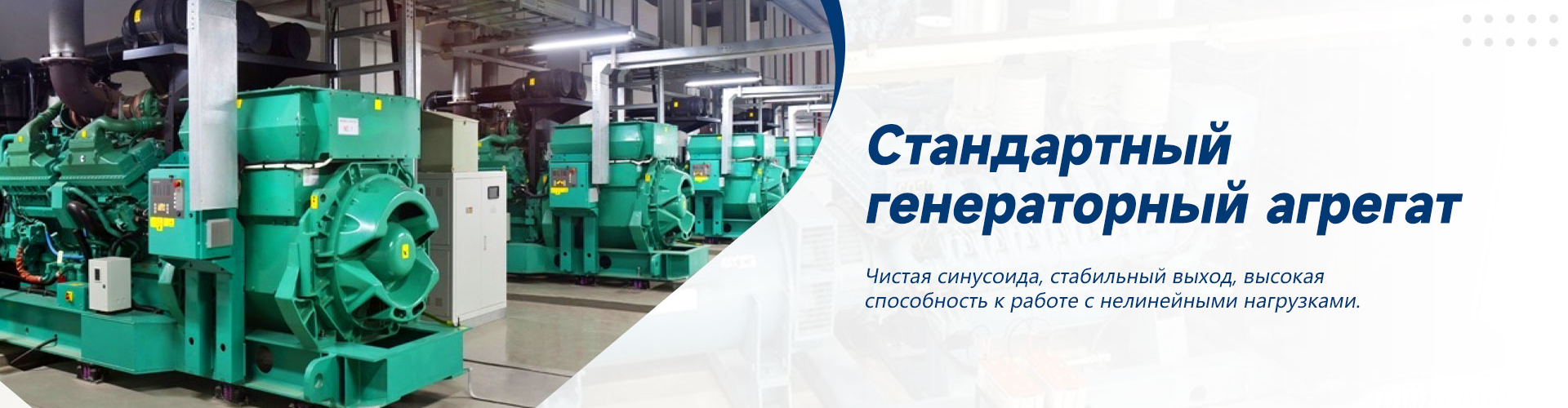
Cheap internal combustion engine generators: who are the main buyers?
2026-02-14
When you hear “cheap internal combustion engine generators?”, you immediately imagine either dubious equipment from a flea market, or a smart buyer who knows exactly why he needs it. Those who think that cheap means only for a weekend home are often mistaken. The reality is much more interesting and prosaic.
Who is looking for a low price and not just a ?generator?
The main stream is not private traders, although they exist. This is a small business where every ruble counts. Construction crews working on sites without electricity. They don't need quiet operation or synchronization with the network - they need the concrete mixer or welding machine to work here and now. They will buy a Chinese 5-7 kW diesel unit, it will serve them for two seasons, perhaps with a couple of repairs, and it will be written off. For them, this is a consumable material, like electrodes or discs for an angle grinder.
Another category is the owners of small car washes, workshops in industrial zones, and rental warehouses. Where network outages threaten downtime and direct losses. They often take gasoline models as a backup, emergency option. What is important to them is not so much durability as the fact of having something “at hand”. and the ability to launch quickly. Therefore, they often choose according to the principle “what is available in the nearest store?” or “what did an electrician friend suggest?”.
The third, non-obvious segment is intermediaries who purchase a batch of such generators for further “packaging”. into your projects. For example, mobile billboards, temporary retail outlets at fairs. For them, the key thing is the purchase price, because there is a big markup on the final product, and the energy source is just one of the cost items. I saw how guys from the event industry bought single-phase gasoline generators, painted them in corporate colors and used them to power LED screens at off-site events. After 10-15 events, the generator was sent for spare parts.
Where is the catch in the low price?
The most common compromise is the engine. Cheap models are often not equipped with famous Honda or Yamaha (their clones are a separate issue), but with no-name assemblies from a factory somewhere in the province. The resource is immediately shorter, the sensitivity to fuel is higher. A small thing, but critical: the launch system. A cheap starter, a weak battery - and now in the cold you can’t start the equipment, and the crew is idle. This is not a theory, these are regular calls from clients who bought the “most budget option?” in the fall, and in November they can no longer work.
Another point is the equipment. Often the database does not contain the most necessary things: a noise-proof casing (which is important for working in a residential area), additional fuel filters, a winter diesel kit. The buyer is happy with the low price tag, and then purchases the necessary accessories for 30-40% of the cost of the generator itself. The final price no longer seems so attractive.
Service and spare parts are a separate headache. If the brand is little-known or it is an OEM supply without a developed network, then finding brushes for the alternator, a fuel pump or even a simple air filter can turn into a quest. I remember a case with one construction company: they bought three identical cheap diesel generators, and the speed controller of one broke down. It turned out that this model had already been discontinued, and a compatible product had to wait 45 days from China. The unit stopped working for a month and a half.
Why do some companies deliberately make this choice?
It all comes down to the economics of the project. If a generator is needed for short-term work (up to a year) and its wear and tear is included in the estimate, then it makes no sense to overpay for the brand and durability. He is simply written off after completing the task. This is a cold but rational calculation.
It also happens that a generator is test equipment for a new line of business. For example, we decided to try organizing a catering kitchen. Take a cheap model to understand whether there is enough power, how often there will be interruptions, and whether it is convenient at all. If the direction takes off, they will buy something serious. If not, the equipment is sold with minimal losses.
Sometimes accessibility matters. Not everyone has the opportunity or desire to understand the intricacies. I went to the nearest building materials hypermarket, saw a generator on a pallet for 25 thousand, read on the box “7 kW?” - and took it. For one-time work in the country (pumping water from a flooded basement, supplying power to a tool when a line is broken), this is more than enough. Deep analysis is redundant here.
The role of suppliers and integrators in this market
Here companies appear that work as technology partners, and not just sellers. They can offer a cheap basic model, but at the same time immediately “tighten up” it. it according to the client’s needs: install additional protection, an autostart system, prepare it for winter operation. The price, of course, will increase, but the value for the buyer will also become different. This is no longer just a piece of hardware, but a ready-made solution.
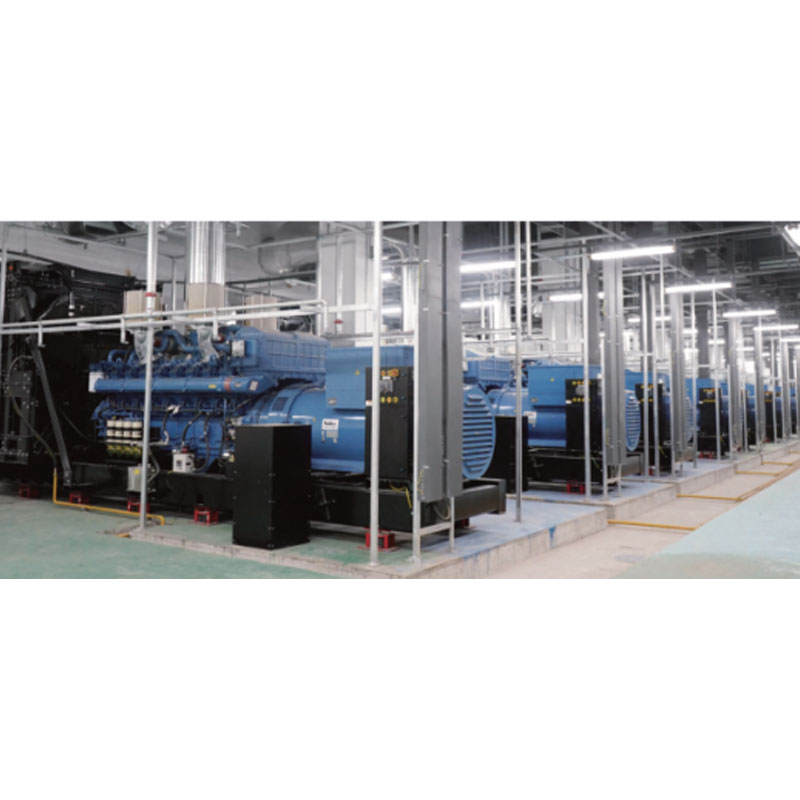
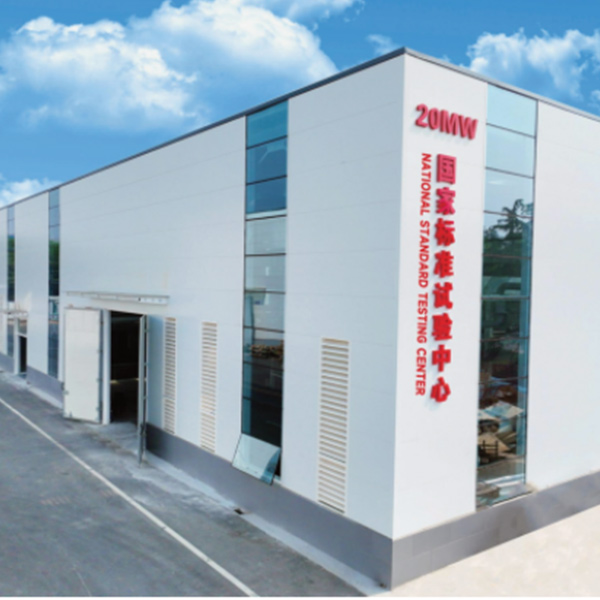
For example, a companyYuke (Shandong) Electrical Technology Co.,Ltd(Yuke Electric). They grew out of the DEVER team, which has been involved in energy technology since 2003 in Qingdao. Their approach is not just about selling a box with an engine. They can be based on the client's problem: does the generator need to be integrated into the workshop's existing network? Is remote monitoring of its condition necessary? Their websitevoyoko.ruis rather a showcase of their competencies: R&D, consulting, supply, turnkey construction. For them, a cheap generator is often just an entry point into a dialogue. Then it may turn out that the client actually needs a hybrid system with solar panels, and not just a backup combustion engine.
These integrators are important because they move the conversation away from “price per kilowatt?” to the level of ?cost of downtime? or ?ownership costs?. They can show that a cheap generator with frequent breakdowns over three years will cost more in repairs than a more reliable model would initially cost. But, characteristically, not all clients are ready for this. Many people prefer to learn from their mistakes and money.
What's the result? Portrait of a buyer of a cheap internal combustion engine generator
So, let's assemble the image. This is a practitioner for whom electricity is a tool, not an abstraction. His budget is limited, and the task is specific and often urgent. He is ready to put up with increased noise, manual starting, and the need to change oil and filters more often. His planning horizon rarely exceeds one or two seasons.
He can be either the owner of a small construction company or a farmer who needs to pump water in the field. He is not afraid of the prospect of doing minor repairs on his own. Often he already has experience working with similar equipment, so he understands where he can save money and what he can’t. For example, save on brand, but not on power, by taking a model with a reserve.
Ultimately, the market for cheap internal combustion engine generators is a market for situational solutions. It lives not on brand loyalty, but on the constant influx of new users with the same urgent problems: no light - you need to work. And as long as there is a demand for a quick and budget solution, there will be offers. And what about choosing between “cheap and cheerful”? for one season or ?expensive but reliable? for years - everyone decides based on their economy and ambitions. The main thing is that it is a conscious choice, and not a forced purchase due to a lack of alternatives or information.
-


-
-


WeChat

-
WeChat