

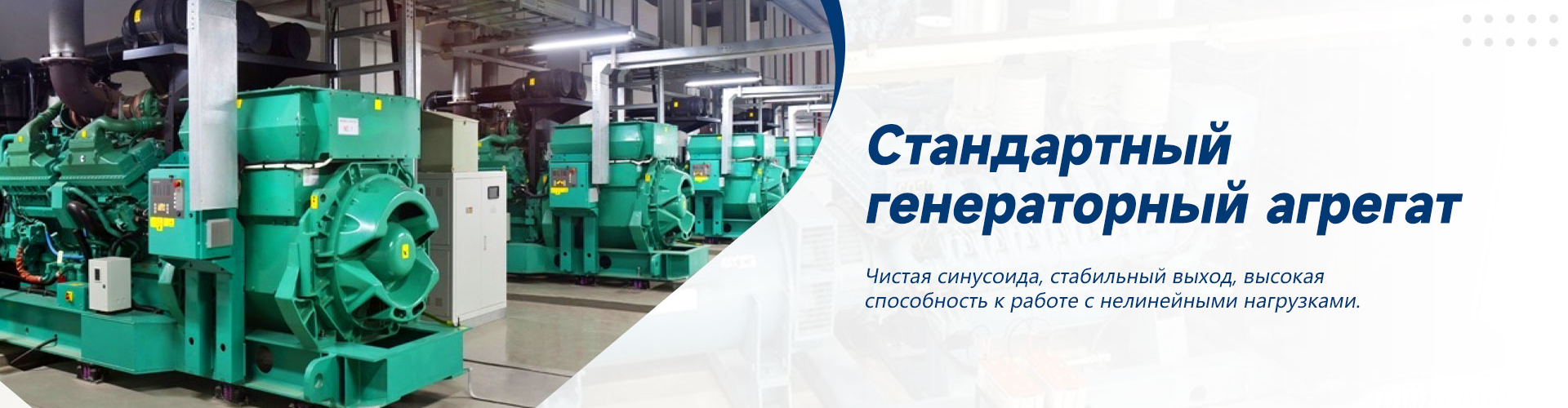
Cheap 200 kW generator: China - why?
2026-02-13
I will explain why Chinese 200 kW generators are often offered so cheaply, and what is behind this in practice. Not just “cheap labor?”, but a whole system of reasons and pitfalls that you see only after several orders and, frankly, a couple of failures.
Price and its components: breaking it down piece by piece
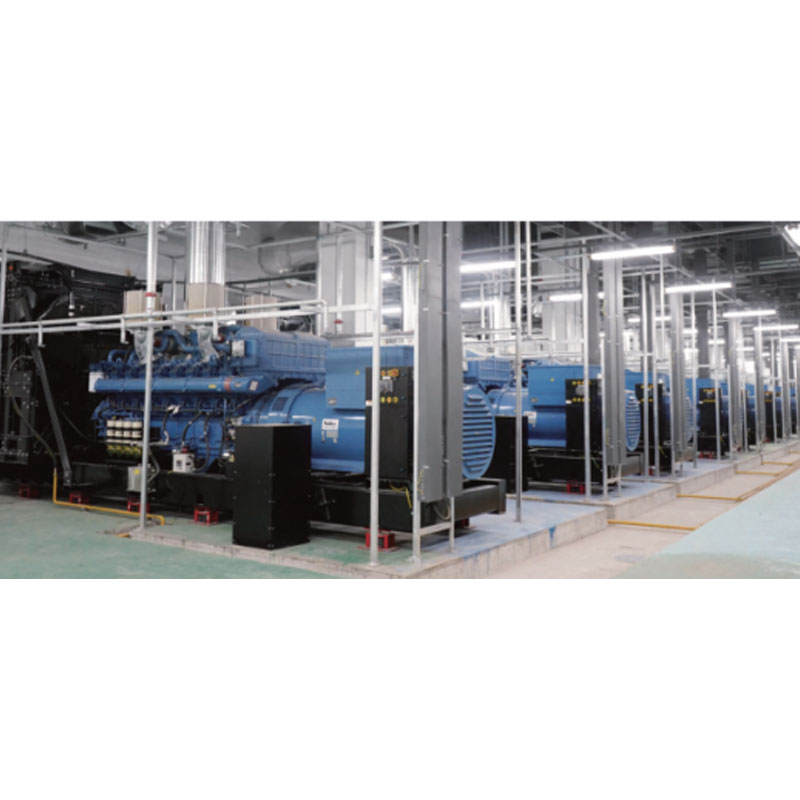
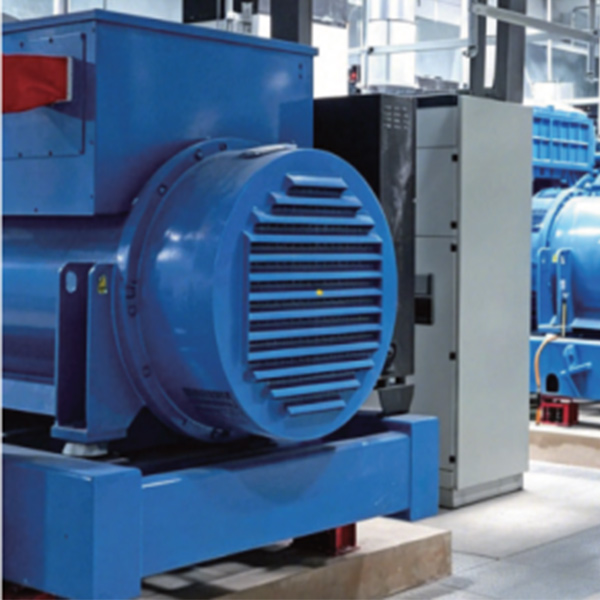
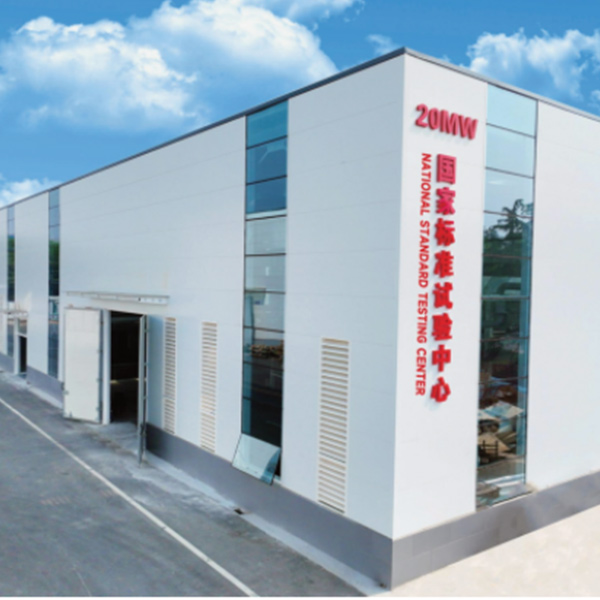
When you see a price tag two or even three times lower than the European one, the first impulse is disbelief. And rightly so. But if you dig deeper, the main economies are in scale and integration. Chinese factories, especially in Shandong, where production is concentrated, often make key components themselves: stators, rotors, control systems. There is no long chain of intermediaries, each of whom increases their own margin. FactoryYuke (Shandong) Electrical Technology Co.,Ltd- just an example of such a vertically integrated structure. They are not just assemblers, they have their own design bureau and test benches, which already cuts off some of the costs.
But here’s an important nuance that many people miss: “base price?” often includes only the minimum configuration. Standard Weichai or Yuchai engine, generator head without increased protection class, simple control panel. If you want automatic transfer of reserve (ATS), a noise-proof casing, deep customization for specific fuels - be prepared to pay extra. And here is the difference with the original “cheap” one. the price may be reduced by 25-30%.
Another point is logistics. A container from Qingdao to Vladivostok or St. Petersburg is now relatively inexpensive. Factories with a constant export flow, such asVoyoko(their online platformhttps://www.voyoko.ru), packaging and shipping schemes have long been worked out, minimizing downtime and damage. This is also included in the final price. But if you take it from a small trader who is looking for free space in the container himself, the risks and timing increase.
Quality: myths and real risks
Here's the fun part. The stereotype about low quality is persistent, but the situation is not uniform. There are roughly three echelons. The first is large manufacturers with their own brands and R&D, such as the already mentioned Yuke Electric. They make equipment to their own standards, which often comply with ISO 8528, although they do not always receive expensive European certificates like CE for all models. Their quality is predictable and adequate for the price.
The second echelon is factories that work on order or outsource. Quality depends heavily on the technical specifications and control by the customer. I came across it myself: they ordered a batch for construction, saving on the inspector at the factory. Generators arrived with a problem with voltage drop under sudden load. It turned out that the AVR was supplied with cheaper components, not those discussed in the specifications. I had to redo it on the spot.
The third is outright consumer goods, often assembled from leftovers or outdated lines. They are really “cheap”, but their service life rarely exceeds 500 hours before the first major repair. Key point: quality is often determined not by the country, but by a specific contract and how clearly you have written down all the technical conditions (TS).
Technical features and adaptation
Chinese 200-kilowatt generators are often initially tailored to their markets. For example, the cooling system is designed for mild climates. To work in Siberia at -40°, you need to immediately order a modification: a more capacious battery, a pre-heater, oil and fuel lines made of frost-resistant materials. If this is not done, the first cold start can lead to cracks.
Another common question is compatibility with Russian fuel. Chinese-made diesel engines (like Weichai) are generally unpretentious, but are sensitive to large amounts of impurities and water. The specification should immediately include water separators and fine filters from well-known brands (Stanadyne, Fleetguard), otherwise problems with fuel equipment will begin quickly. Some suppliers, like Yuke, offer already adapted for “Russian diesel fuel” configuration, but this needs to be clarified separately, this is not standard.
The control panel is a separate topic. Basic versions have a minimum of functions: start/stop, alarm. This is not enough for an automated boiler room or data center. We need integration with external monitoring systems, Modbus protocols, redundancy of controllers. Many Chinese manufacturers are now doing this, but the software is sometimes “crude”, with crooked translation. Request a demo version to test before purchasing.
Service and long-term operation
The biggest headache is not the purchase, but further maintenance. A cheap generator can be golden if you have to wait three months for parts. The choice of supplier is critical here. Large companies such asYuke (Shandong) Electrical Technology Co.,Ltd, which position themselves as an innovative enterprise with a full cycle from design to construction, usually have established parts supply channels and can provide engineering support. Their websitevoyoko.ru- this is not just a catalog, it is often an entry point for obtaining technical documentation and diagrams.
But there is a nuance: even good suppliers have a limited stock of spare parts in Russia. Most often ?on the shelf? There are consumables: filters, belts, glow plugs. But if the control unit fails or a new rotor is needed, it will most likely be made to order within 4-8 weeks. This needs to be built into the maintenance schedule for critical facilities.
Service contracts. Many Russian engineers are wary of instructions only in Chinese and English. It's a good sign if the supplier, like the team behind the DEVER and Yuke brand, provides localized manuals and online training for your mechanics. This really reduces downtime in case of an emergency.
Economic sense: when is it ?cheap? justified
So, when is purchasing such a generator a rational decision? Firstly, for projects with intermittent or backup loads. Construction site, seasonal production, backup source for irresponsible consumers. The low initial cost is important here, and a service life of 15-20 thousand hours before overhaul (with proper maintenance) is quite acceptable.
Secondly, when you have your own competent service department. If you have engineers who can understand the circuitry, make diagnostics and keep a small supply of critical spare parts, you eliminate the main risk - long downtime. The generator becomes a “constructor” that you can maintain yourself.
Thirdly, for replication of similar solutions. Let's say you are building a network of remote base stations. Having bought a batch of identical200 kW generatorsfrom one trusted supplier, you standardize spare parts, repairs and personnel training. Savings on the scale of purchase and further operation will cover possible risks. The main thing is to conduct thorough acceptance tests of the first batch, preferably with a load bank, in order to identify “childhood diseases”. models.
Conclusions without gloss
A Chinese generator for 200 kW at a low price is not a lottery if you approach it wisely. This is a tool whose effectiveness is 90% determined not at the factory, but at the stage of preparing technical specifications and choosing a partner. The key is in the details: tight specifications, production inspections, thoughtful logistics and a spare parts plan.
I myself have worked with different suppliers many times. There is no universal answer. For one project we took it from a large plant like Yuke, and everything has been working fine for five years. For another - they tried to save money, contacted an “invisible factory?” through an intermediary, we got a headache. The difference is in the approach.
Bottom line: ?cheap? - this is not about a low purchase price. It's about low total cost of ownership. If the supplier is willing to be transparent, provide access to engineers, give realistic deadlines for spare parts and not disappear after shipment - then yes, a Chinese generator can be a very profitable solution. If the conversation is only about the price per kW, and questions about technical documentation are answered evasively, it is better to pass by, no matter how much it costs. Everything depends on the professionalism of a particular company, and not on the abstract “China”.
-


-
-


WeChat

-
WeChat