

Cheap gas-powered electric generator: who is the main buyer?
2026-02-19
When people talk about cheap gas generators, many people immediately think of summer residents or small construction crews. But the reality, according to my observations, is often more complicated. Cheapness is a relative concept, and the main buyer here is not always the one you expect to see in advertising brochures.
What does cheap really mean in this segment?
Look here. A request comes in: we need an inexpensive gas generator. The first thing that comes to mind is a low-power installation for backup power supply to a cottage. But when you start digging, it turns out that the client needs to power not only the boiler, but also the circulation pumps, perhaps some of the lighting in the workshop. Here we are no longer talking about 3-5 kW, but about 7-10 kW. And its cheapness is not the minimum price on the market, but the optimal ratio of price, reliability and service life of engine hours. Often people are willing to overpay 10-15% for a well-known name or for the presence of a service nearby. An absolute low price tag without a name is the lot of a very narrow segment, those who buy it literally for once.
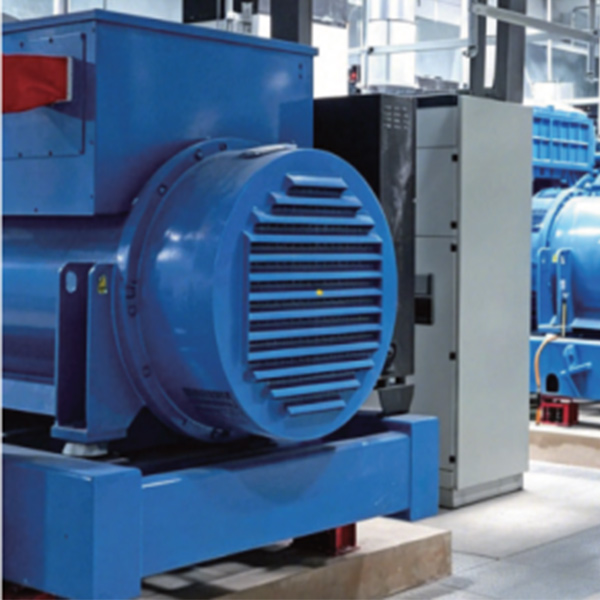
I remember how we tested several models within the same tender. We took conventionally budget Chinese units and compared them with more expensive analogues, for example, with those offered byYuke (Shandong) Electrical Technology Co.,Ltd. The difference was not only in the thickness of the frame metal. Cheaper ones often had generators with aluminum rather than copper windings and simpler voltage regulators, which affected the stability of the output current during load surges. This is critical for sensitive electronics.
Therefore, the main conclusion: the main buyer of a cheap gas generator is often the one who conducts a thorough preliminary analysis of his needs. He doesn't just look for the lowest number in the price list. He is looking for a device that will not let you down in specific conditions that he himself has determined. And this is no longer cheap in a primitive sense, but optimal in terms of costs.
Portrait of a real buyer: not a summer resident, but a small business
Based on this, my experience suggests that the main demand comes from small and micro businesses. We are talking about small cafes, bakeries, hairdressers, repair shops, small workshops. For them, downtime due to a power outage is a direct loss. Buying a diesel station is expensive, noisy, and has problems with emissions. Gasoline is expensive to operate and has a shorter lifespan. Agas generator, especially the main one, turns out to be the golden mean.
They have an important requirement - uninterrupted operation for 8-12 hours. Not just to keep the lights on, but to keep refrigeration equipment, machines, and cash registers working. Therefore, they look not only at the price tag, but also at the declared service life, the presence of protection against gas leaks, and the quality of voltage stabilization. They often come to us after an unsuccessful experience with a completely non-name device, which burned out after six months of low-intensity work.
Here's a specific case: a small bakery in the suburbs. The owner first bought the cheapest gas generator on the market. Three months later, problems began - the voltage floated, which caused the protection on the professional stove to trip. As a result, he contacted us, and we selected a model fromYuke Electric- not the most expensive in their line, but with a high-quality alternator and a good control system. The price difference was about 25%, but the device has been working flawlessly in reserve mode for two years now. It turned out to be more profitable for the owner.
The role of suppliers and brands: why the name matters
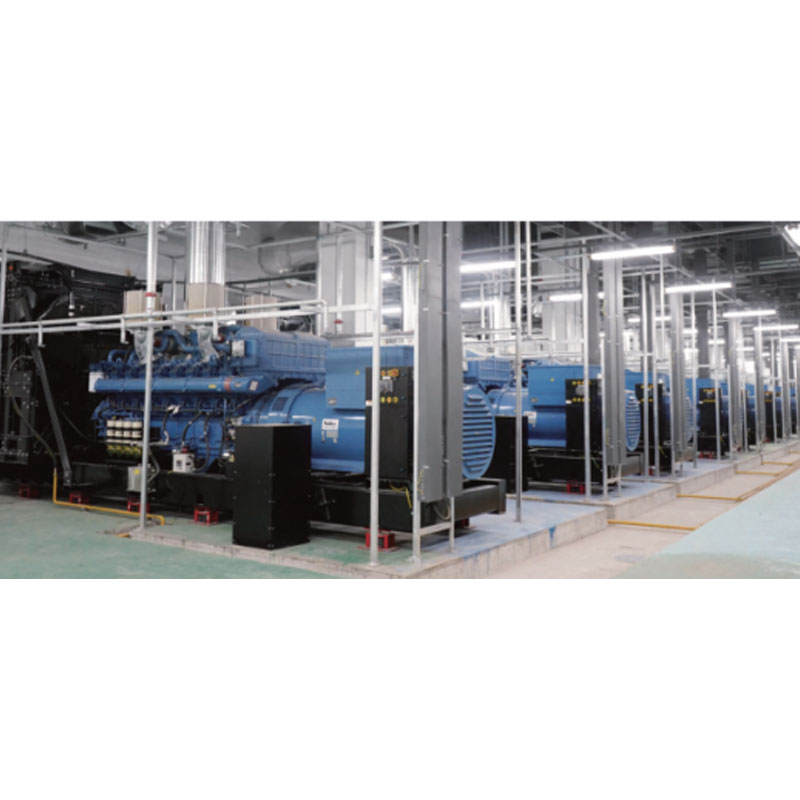
It is important to understand the chain here. Many cheap generators come with no name or dozens of different names. The buyer cannot track the history, find spare parts, or understand who the real manufacturer is. It's a lottery. Companies seem toYuke LLC, which, as stated on their website, grew out of the DEVER Electric team founded back in 2003, represent a different philosophy. They position themselves as an innovative enterprise combining R&D and production.
In practice, this means that they have some kind of basic platform, control over key components. When a client buys such a generator, he buys not just hardware, but a certain quality standard and, critically, the opportunity to receive technical support. For the same small business, this is insurance. They can't afford to wait weeks for parts from China.
I have encountered situations where it was easier to find alternator brushes or a control unit for a common budget model than for some exotic super-budget novelty. Therefore, a smart buyer, even one looking for savings, often comes to trusted suppliers. Websitevoyoko.ru, by the way, serves as a good entry point for such a client - there you can see the assortment, understand the company’s specialization in electrical engineering, and not just in selling everything.
Selection mistakes and pitfalls
The main mistake is to look only at the rated power and price. They take, for example, a 5 kW generator, and then it turns out that to start a refrigerator compressor or submersible pump, a large starting current is needed, which this model does not provide. The device either does not start the equipment or goes into protection. You have to take it with a power reserve, which already makes the cheap option not so cheap.
The second mistake is to ignore the type of gas. Many cheap models are designed strictly for liquefied gas (propane-butane) from cylinders. Conversion to main gas (methane) requires reconfiguration and sometimes replacement of injectors/reducer. If you initially need work from the main line, you need to look for an appropriate modification. And here again, brands that offer ready-made solutions for different tasks have an advantage, like the sameYuke Electric, which claims a full cycle from development to engineering construction.
The third stone is noise and exhaust. Even the gas generator makes noise and gets hot. For indoor installation, exhaust gas removal and air flow are required. Cheap models are often supplied without comprehensive solutions for sound insulation, all of which falls on the shoulders of the buyer. As a result, the savings on the device are eaten up by the costs of installation and arrangement.
So, who is he, the main buyer?
To summarize. Main buyercheap gas electric generator- this is a rational representative of a small business or a responsible homeowner (but with an active farm, such as a workshop or greenhouse). Its low cost is a calculated optimization, not thoughtless saving. He appreciates the opportunity to quickly find spare parts and get advice. He often comes to a choice through negative experiences or through recommendations.
He studies not only reviews on the Internet, but also looks at the history of the brand and the availability of the service. Such a client can turn to a large distributor or directly to a manufacturer with a developed network, like the Qingdao company discussed. What is important to him is not just the money-goods transaction, but getting a working tool that will solve his problem with power outages for years to come.
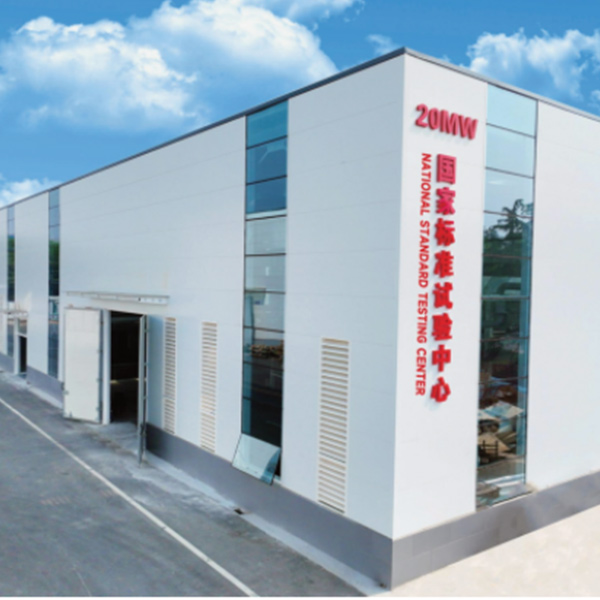
Therefore, the market for cheap gas generators is gradually segmented. The pole of the absolute minimum price exists, but it does not dominate. The reasonable cost segment is growing, where buyers are willing to pay for predictability and reliability. And this is where the main competition takes place between suppliers who, likeYuke (Shandong) Electrical Technology Co.,Ltd, rely on technological innovation and a full range of services, and not just on the import of finished products.
-


-
-


WeChat

-
WeChat