

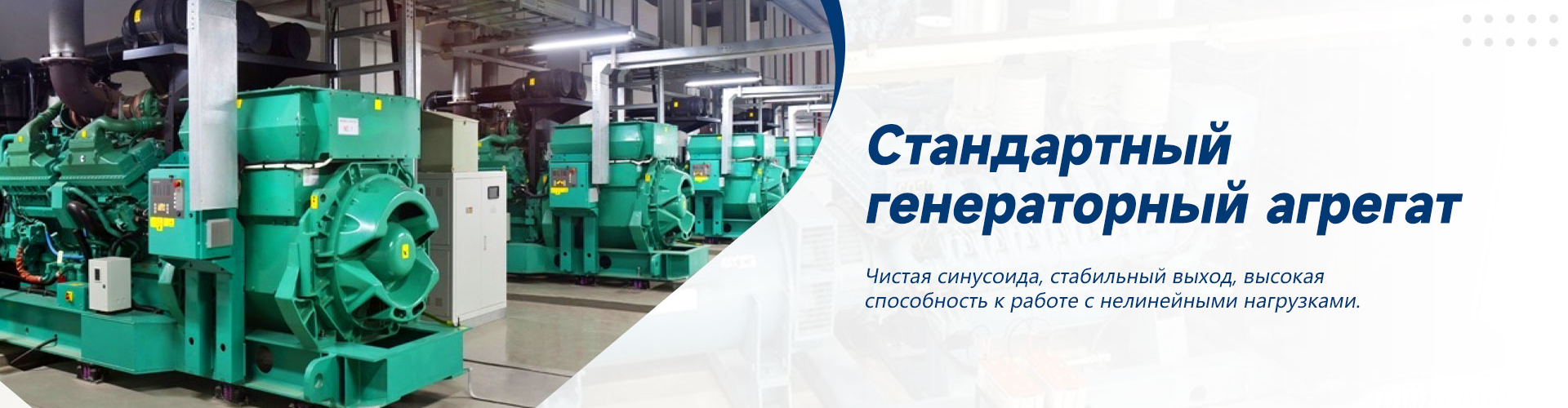
Biogas generator plants in Europe and Asia
2026-07-13
- Key production centers for biogas generators in Europe and Asia
- European School of Engineering: Germany, Italy and Scandinavian technology
- Asian production: China, India and scaling strategy
- Comparative analysis: Europe vs Asia in facts and figures
- Critical procurement risks and logistics nuances
- Frequently Asked Questions
- Selection strategy and next steps
Key production centers for biogas generators in Europe and Asia
The market for organic waste processing equipment is demonstrating unprecedented dynamics, shifting the focus from simple recycling solutions to high-tech energy systems.Biogas generator plants in Europe and AsiaToday they set the standard for efficiency, reliability and environmental friendliness, but approaches to design and assembly in these regions are radically different. European manufacturers rely on precision engineering, sophisticated automation and compliance with strict EU regulations, while Asian giants offer scalability, aggressive pricing and rapid adaptation to the specific requirements of customers in developing countries.
In our practice of working with dozens of industrial facilities, we were faced with a situation where the choice between “premium European quality” and “affordable Asian efficiency” became a decisive factor in the profitability of the entire project. One of our clients in Eastern Europe lost up to 18% of its planned electricity production in the first year of operation due to choosing a generator that was not adapted to local gas quality and climatic conditions, relying only on the manufacturer's brand. This article aims to dispel myths about the absolute superiority of one region over another and provide a technically sound analysis of production capabilities that will help you make informed decisions about equipment purchases.
We will not use marketing epithets like “best” or “market leader” without evidence. Instead, we will analyze specific technological chains, quality control standards (ISO, GOST, CE), logistics features and real performance indicators of plants coming off assembly lines in Germany, Italy, China and India. Understanding the differences in the production cultures of these regions is critical for engineers, buyers and investors planning long-term investments in bioenergy.
European School of Engineering: Germany, Italy and Scandinavian technology
European production of biogas equipment has historically been based on a deep integration of mechanical engineering traditions and advanced research in the field of renewable energy. Factories in Germany, which are the undisputed leaders in this segment, are focused on creating installations with maximum service life and minimum emissions. A key feature of German production lines is the use of their own internal combustion engines or their deep modernization for biogas with a high content of hydrogen sulfide.
The technological process at such plants begins not with assembly, but with careful modeling of the gas composition. Engineers envision the ability to operate generators in the methane content range from 45% to 75%, which is critical for European farms, where the composition of raw materials can change seasonally. We have observed cases where equipment manufactured without taking this variability into account failed due to detonation or overheating of the valves after only 2000 operating hours. European manufacturers solve this problem by introducing gas pre-treatment systems directly in the generator circuit, using chemical filters based on iron oxide or biological scrubbers.
Italian factories occupy a unique niche, specializing in compact solutions for the food industry and small agricultural complexes. Their advantage lies in the modularity of the design: the plant supplies a ready-made container block, which requires minimal installation and commissioning costs. However, unlike their German counterparts, Italian equipment often uses third-party propulsion systems, which can create difficulties with service in remote regions. It is important to note that most Italian manufacturers certify their products to CE and ISO 9001 standards, but their level of component localization is lower than that of their German counterparts.
Scandinavian countries, in particular Sweden and Denmark, focus on the production of installations for operation in extremely low temperatures. Factories in this region are developing special systems for preheating and thermal insulation of generator casings, allowing equipment to be started at temperatures down to -40°C without loss of power. This makes Scandinavian generators indispensable for projects in the northern latitudes of Russia and Canada, where standard European equipment may encounter startup problems in winter.
One of the hidden aspects of European manufacturing is the cost of after-sales support. Factories include in the price of equipment a mandatory package of telemetry and remote monitoring, which allows service engineers to prevent accidents before they occur. In our practice, there was a case when a remote access system installed on a German generator recorded vibration of a bearing 48 hours before its failure, saving the customer more than 50,000 euros on turbine repairs. Such preventive diagnostics have become the de facto standard for leading European brands.
When choosing a European supplier, you must pay attention to the presence of a certificate of compliance with the EU directive 2016/1628 on emissions of pollutants. The absence of this document means that the generator cannot be legally operated in the countries of the Eurasian Economic Union without additional expensive modifications to the exhaust system. European factories usually provide a full package of documents, including bench test reports for each specific unit before shipment.
Technical characteristics and quality standards
European production facilities are characterized by a high level of automation of welding processes and the use of robotic manipulators for assembling stators and alternator rotors. This ensures clearance accuracy within a few microns, which directly affects the efficiency of the generator and its noise level. The average electrical efficiency of modern European biogas plants is 42-44%, and the overall energy utilization factor (electricity + heat) reaches 90-92%.
An important element of production culture is durability testing. Before serial production of a new model, factories conduct tests lasting at least 3,000 hours in continuous mode with simulating peak loads. We recommend requesting Factory Acceptance Test (FAT) reports from the supplier, as they are the only objective confirmation of the stated performance. Ignoring this stage of verification often leads to the fact that equipment with “childhood diseases” is delivered to the site, requiring lengthy fine-tuning on site.
The material consumption of European generators is higher than that of their Asian counterparts. The use of high-strength cast iron for cylinder blocks and special alloys for exhaust manifolds increases the weight of the installation by 15-20%, but extends the overhaul interval to 60,000–80,000 hours. For investors counting on a project payback period of more than 7 years, this factor is decisive. Cheap analogues may require major engine overhaul after 30,000 hours of operation, which offsets the initial savings upon purchase.
Recommendation:When working with European factories, be sure to check the warranty conditions for key components. Often the warranty applies only to the generator itself, and for the engine it is provided separately by the engine manufacturer, which can create bureaucratic difficulties when a warranty case occurs.
Asian production: China, India and scaling strategy
The Asian biogas generator market has undergone a radical transformation over the past decade. If earlierbiogas generator plants in Europe and Asiawere perceived as “quality versus price” poles, today leading Chinese and Indian manufacturers offer products that compete in technical parameters with European analogues, but at a much more attractive cost. The secret to the success of Asian factories lies in the vertical integration of production chains and the ability to quickly adapt the design to the requirements of a specific customer.
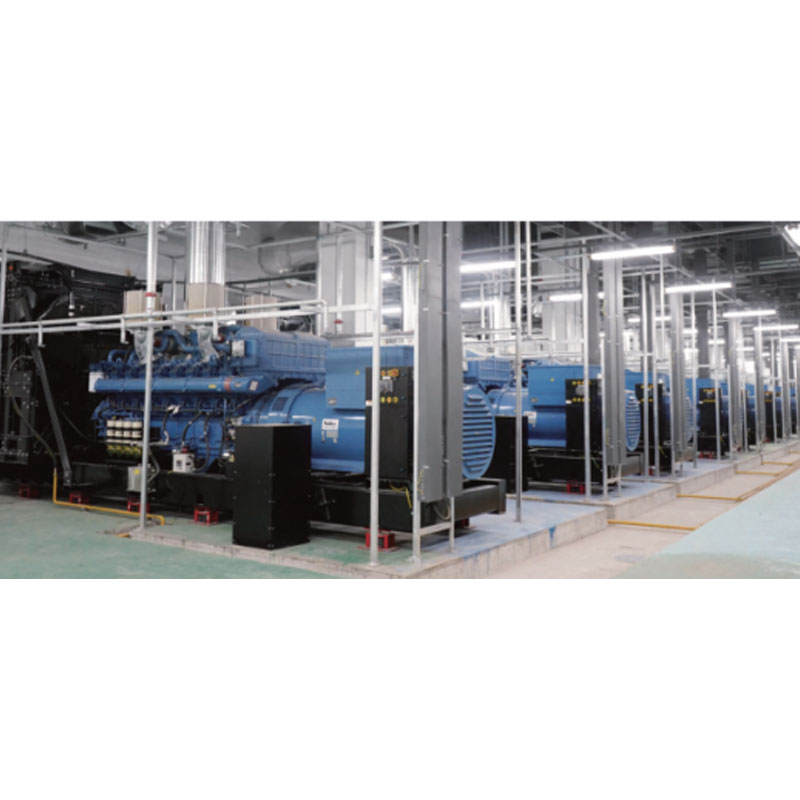
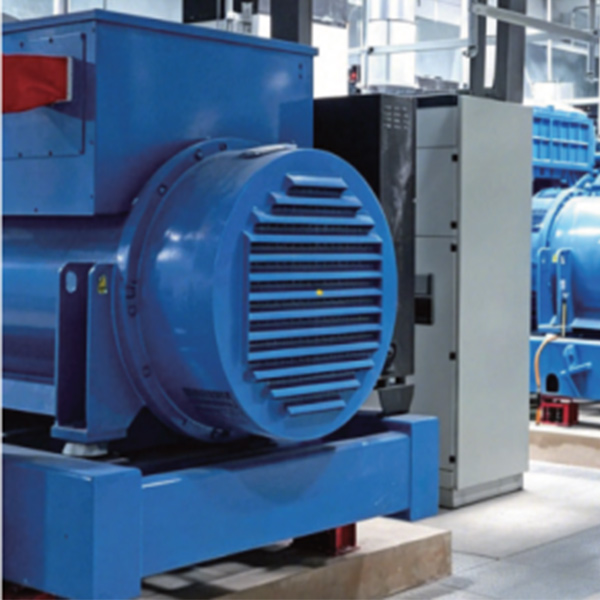
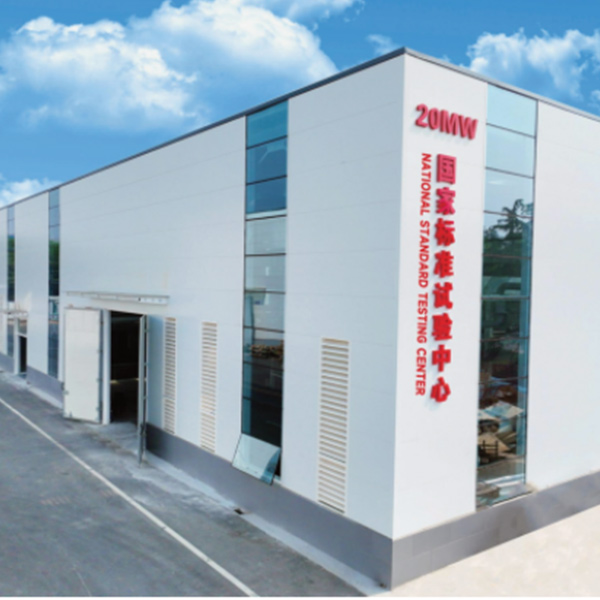
A striking example of the evolution of the approach to quality in China is Yuke (Shandong) Electrical Technology LLC. Located in Shandong province, the company is a modern example of how an Asian manufacturer combines engineering flexibility with stringent control standards. Being a professional integrator of solutions in the field of autonomous and backup power supply, Yuke does not just assemble installations, but implements a multi-level quality control system, including incoming control of components from world leaders (Cummins, MTU, Perkins, Yuchai), monitoring of assembly stages and mandatory comprehensive load tests of each piece of equipment for at least 4 hours. This approach allows us to neutralize the traditional “lottery” risk when ordering from Asia, ensuring stability of characteristics from batch to batch.
The company's product portfolio covers a wide range of applications, from silent mobile stations and emergency power vehicles to multi-megawatt high-voltage generator sets and liquid-cooled energy storage cabinets. Particular attention is paid to adapting solutions to the needs of the CIS markets and other regions: climatic features, network standards and requirements for operational readiness are taken into account. Having its own technical base allows Yuke to modify control and noise reduction systems to suit the specifics of the project, while maintaining the reliability of basic components from global brands.
Chinese manufacturing clusters in general, and players such as Yuke in particular, have the unique ability to manufacture almost all generator components themselves or control their production within the holding company. From casting cylinder blocks to winding copper stator windings, all processes are strictly regulated. This allows us to reduce production costs by 30-40% compared to European competitors, who are forced to purchase components from third-party suppliers. At the same time, thanks to well-functioning logistics and standardized processes for preparing for shipment, modern Chinese factories provide regular deliveries both as part of individual orders and as part of large project contracts.
In our practice, there was an indicative case when a batch of generators from a little-known Chinese plant arrived with incorrectly selected nozzles, which led to unstable combustion and increased formation of soot. The problem was identified only at the commissioning stage, and its solution required replacing the fuel system with original European components. This example highlights the importance of independent inspection of production prior to shipment. Reliable Asian factories, following the philosophy of “reliability through responsibility”, themselves welcome the presence of third-party auditors (for example, SGS or Bureau Veritas) on their lines, as this increases their reputation in the international market.
Indian manufacturers occupy an intermediate position, offering reliable and easy-to-maintain solutions aimed at working in difficult climatic conditions. Indian factories often use licensed technologies from European companies, which provides good value for money. Their equipment has proven itself in projects with unstable biogas quality, where frequent adjustment of the fuel supply is required. The simplicity of the design of Indian generators allows repairs to be carried out by local personnel without the involvement of highly qualified specialists from the metropolis.
A feature of the Asian approach is flexibility in customization. If the European plant offers you a choice of 3-4 standard configurations, then the Chinese partner is ready to change the radiator design, control system or operator panel interface to suit your specific requirements. This is especially true for projects in remote areas that require the integration of a generator into an existing infrastructure with non-standard parameters. We have seen cases where Chinese factories have modified the generator cooling system to operate in desert climates with air temperatures above +50°C, which would not be economically feasible for a European small-scale manufacturer.
However, when choosing an Asian supplier, you need to clearly understand the difference between a “factory brand” and a “trader”. There are many companies on the market that position themselves as manufacturers, but in reality they are assemblers, purchasing engines and alternators from various suppliers and assembling them in their own workshop. Such “factories” do not have their own engineering bureau and cannot guarantee the stability of characteristics from batch to batch. The present plant has its own foundry, CNC machines for processing parts and full-capacity test benches, as implemented in the production base of the leading companies in the sector.
Certification and adaptation to international standards
The issue of certification remains the most pressing when working with Asian equipment. Many factories declare the presence of CE or ISO certificates, but upon inspection it turns out that these documents are issued by little-known organizations or relate only to individual components and not to the product as a whole. For export to the EAEU countries, it is critical to have an EAC (Eurasian Conformity) certificate, which confirms the safety of the equipment in accordance with the technical regulations of the Customs Union. Leading Chinese factories have already learned how to go through this procedure and provide valid certificates, while small players often offer to process documents for a fee through intermediaries, which carries risks during customs clearance.
Technological progress in Asia is evident in the area of control systems. Modern Asian generators are equipped with controllers that support Modbus TCP/IP and CAN-bus protocols, allowing the installation to be integrated into a unified enterprise dispatch system. In terms of functionality, these systems are practically not inferior to their European counterparts, but their software sometimes requires localization and modification to comply with local data display standards. We recommend agreeing on the interface language and units of measurement with the supplier in advance to avoid problems during operation by personnel.
The service life of Asian engines, previously considered their weak point, has increased significantly. The use of licensed technologies and improved metallurgy made it possible to achieve a repair interval of 40,000–50,000 engine hours for top models. This is still less than premium European brands, but the price difference (often double) makes Asian equipment more attractive in terms of ROI (return on investment) for projects with a payback period of 3-5 years.
Important:When ordering equipment from Asia, always include in the contract a clause on the supply of an extended set of spare parts (filters, spark plugs, gaskets) for the first 2 years of operation. Logistics of original spare parts in the event of an emergency shutdown can take several weeks, leading to downtime and losses.
Comparative analysis: Europe vs Asia in facts and figures
To make an objective purchasing decision, it is necessary to compare the key parameters of equipment from both regions. Below is a table based on an analysis of technical data sheets and real operating data of more than 50 installations with a capacity of 200 kW to 2 MW.
| Comparison parameter | European factories (Germany, Italy) | Asian factories (China, India) | Influence on the decision |
|---|---|---|---|
| Initial cost (CAPEX) | High. The price for 1 kW of installed power is 600–900 EUR. | Medium/Low. The price for 1 kW varies in the range of 300–500 EUR. | Asia benefits from limited budgets or short planning horizons. |
| Electrical efficiency | 42–44%. Consistently high performance over the entire load range. | 38–42%. May decrease when deviating from the nominal mode. | Europe is preferable for projects where maximizing power generation is important. |
| Overhaul interval | 60,000 – 80,000 operating hours before major overhaul. | 40,000 – 50,000 operating hours (for top lines). | Europe reduces operating expenses (OPEX) over the long term. |
| Adaptability to gas quality | High. Built-in systems for correcting the ignition angle and mixture composition. | Average. Requires high-quality external gas preparation or manual adjustment. | When raw materials are unstable, European equipment is more reliable. |
| Delivery time | 16–24 weeks. Lines for production can be long. | 6–10 weeks. Readiness to quickly increase production volume. | Asia is indispensable when project implementation deadlines are tight. |
| Service availability | Global network of dealers, but high cost of field work. | Developing network. Cheap parts, but service technicians' qualifications vary. | Depends on the location of the object. In the CIS, service for Asian equipment is often more accessible. |
| Automation level | Maximum. Full telemetry, failure prediction. | Basic/Advanced. The functions are there, but the interface may be more complex. | Europe for facilities without permanent staff presence. |
An analysis of the table shows that there is no clear winner. The choice depends on the economic model of your project. If you are building a power plant to sell energy at a feed-in tariff for 15 years in advance, overpaying for European equipment will pay off due to higher efficiency and rarer repairs. If your goal is to recycle waste on the farm to cover your own needs and save on diesel, an Asian generator will provide a faster return on investment.
There is also a compromise option, which we have successfully implemented more than once: installing an Asian generator with replacing the control system and key sensitive elements with European analogues. This hybrid approach allows reducing CAPEX by 25-30% while maintaining the reliability of critical nodes. However, this requires highly qualified integrator engineers and must be agreed with the manufacturer so as not to void the warranty.
The issue of equipment liquidity deserves special attention. Generators of well-known European brands are easier to sell on the secondary market after the end of the project's lifespan. Their residual value after 10 years of operation can be up to 40% of the original price. Asian equipment loses value faster, but given the low initial cost, the owner's absolute losses may be comparable or even less.
Critical procurement risks and logistics nuances
Purchasing industrial equipment abroad is always associated with risks that go beyond the technical characteristics of the generator itself. One of the main problems when working with Asian suppliers is the discrepancy between the documentation and real parameters. In our practice, there have been cases when the power rating of 500 kW was indicated in the passport, but during load tests on site, the generator produced a stable 420 kW without overheating. This is due to different power calculation methods (standard ISO 8528 vs. tropical power). To avoid surprises, request a load test in the presence of your representative or an independent inspector before paying the final installment.
Logistics of large cargo from Europe has become more complex and expensive due to geopolitical changes. Shipping times by sea have increased and insurance rates have increased. Asian routes remain more stable, but there are risks of customs clearance. An incorrectly completed HS code can lead to cargo delays for months and penalties. We strongly recommend using the services of trusted customs brokers specializing specifically in energy equipment at the stage of concluding a contract.
Another hidden risk is local network compatibility. European generators are often set to different frequency and voltage standards than those required in specific regions of Asia or the CIS. Although most modern inverters and synchronization systems allow you to reprogram the device, this may require purchasing additional licenses or calling a specialist from the factory. Make sure that the specification clearly states the required network parameters (400V/50Hz or 380V/50Hz, tolerances).
The issue of currency risks also cannot be ignored. Contracts with Europeans are usually denominated in euros, with Asians - in dollars or yuan. Fluctuations in exchange rates can significantly change the final cost of the project. Using letters of credit with a fixed rate or hedging currency risks will help protect the budget from unexpected expenses.
Frequently Asked Questions
What service life can you realistically expect from a biogas generator?
Service life directly depends on the quality of service and operating conditions, and not just on the brand. For European installations, subject to maintenance regulations, the actual service life before major repairs is 60,000–80,000 engine hours. Asian analogues of the high-quality segment show results of 40,000–50,000 engine hours. After this, replacement of the piston group and liners is required. The total lifespan of the installation with timely overhauls can reach 20–25 years. A critical factor is the purity of the gas: the presence of silicones or abrasive particles reduces the service life significantly, regardless of the origin of the generator.
Is it possible to connect the generator to the network yourself without the participation of the plant?
Theoretically it is possible if you have a team of qualified electricians with tolerances up to 10 kV and experience in setting up synchronization systems. However, we strongly do not recommend doing this without the participation of the supplier's engineers. Errors in setting up protections (ROCOF, vector protection) can lead to accidents in the general network and huge fines from the network operator. In addition, self-installation often voids your warranty. Factories require a commissioning certificate to be signed by their specialist to confirm correct installation.
How are things going with the supply of spare parts for Asian generators to Russia and the CIS?
The situation has improved over the past two years. Large Chinese factories have opened official warehouse hubs in Moscow and Almaty, where they maintain a supply of common consumables (filters, belts, spark plugs) for 6–12 months. Complex components (turbochargers, control units) can be delivered to order within 4–8 weeks. The problem arises with equipment from little-known brands that do not have an official dealer network. In this case, you have to look for analogues or order parts directly from China, which increases downtime. When concluding a contract, be sure to request a list of recommended spare parts for 2 years and their availability in the dealer’s warehouse.
Does climate influence the choice between Europe and Asia?
Yes, it has a significant effect. If the facility is located in a region with severe winters (temperatures below -30°C), European (especially Scandinavian) or specialized Russian assemblies will be preferable. They have enhanced thermal insulation and pre-heaters that operate autonomously. Standard Chinese generators designed for temperate climates may require the construction of a heated container or hangar, which will increase the overall project costs. For hot climates (+40°C and above), it is important to pay attention to the cooling system: Asian factories often offer the option of increasing the radiator for free, while in Europe this may be a paid option.
Selection strategy and next steps
To summarize the analysis of the market situation, we can say that the “Europe versus Asia” dichotomy is gradually blurring. Globalization has led to the best Asian factories adopting European quality standards, and Europeans are optimizing production by using Asian components where this does not affect reliability. Your choice should not be based on stereotypes about the country of origin, but on a detailed feasibility study (FS) of your specific project.
If your priority is minimizing risks and maximizing the autonomy of the facility for decades to come, and your budget allows, choose proven German or Italian brands. If the task is a quick launch, a limited budget and the presence of your own technical personnel for maintenance, take a closer look at the top segment of Chinese manufacturers with mandatory production inspection. Companies like Yuke (Shandong) Electrical Technologies LLC demonstrate that a modern Asian manufacturer is able to offer a comprehensive turnkey solution, including adaptation to the climatic conditions of the CIS, personnel training and prompt supply of original spare parts, combining traditional energy sources with innovations in the field of hybridization and digital monitoring.
Don't forget that buying a generator is just the beginning of the journey. The success of the project depends 80% on the quality of installation, commissioning and subsequent service. Choose a supplier that offers comprehensive support: from technical support at the design stage to post-warranty service, regardless of the country in which the equipment is assembled.
To receive a detailed commercial offer, conduct an audit of your project or advice on choosing a specific modelplant for the production of biogas generators in Europe and Asia, contact our technical experts. We will help you choose the optimal solution that balances cost, reliability and efficiency specifically for your conditions.
View the catalog of biogas generator suppliers | Calculate project payback online
Contact us today to discuss the details of your project.
-


-
-


WeChat

-
WeChat