

How are innovations impacting gas generators?
2025-05-31
content
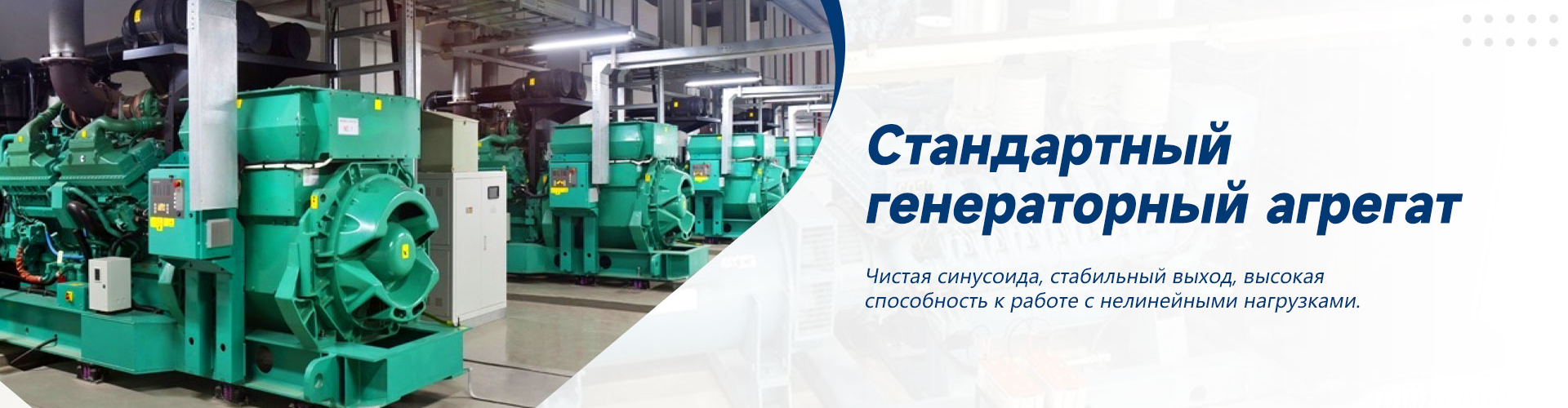
Modern energy solutions are becoming increasingly relevant in the context of rapid technological development and changing climate conditions. In this context, they play an important rolegas generators, which provide a reliable source of energy for various consumers - from industrial facilities to private homes. These devices are successfully replacing traditional energy sources, and this is where innovation plays a key role. The introduction of new technologies improves efficiency, reduces emissions and reduces operating costs. Let's consider how innovation affects development and improvementgas generators, their designs and operating principles.
Improved fuel efficiency
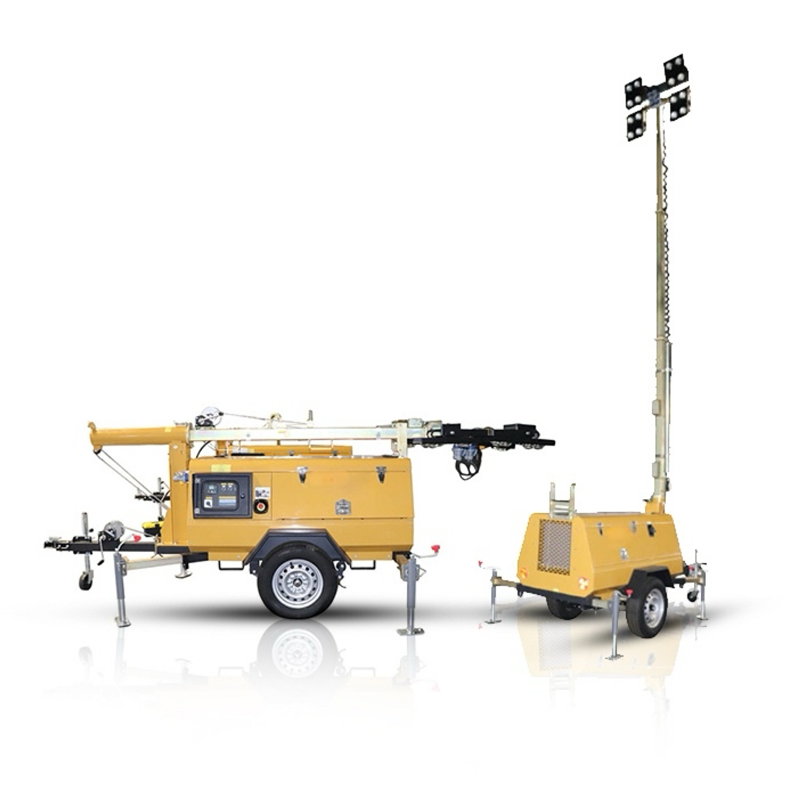
Moderngas generatorsbenefit significantly from the introduction of new fuel system technologies. Improved fuel injection systems and improved combustion mechanisms optimize fuel consumption, making the use of generators more economical. One of the key innovations is the use of intelligent control systems that automatically adjust the combustion process depending on current conditions and load. This not only reduces fuel consumption, but also reduces emissions, which is especially important in the face of stricter environmental regulations.
Advances in materials technology are also contributing to fuel efficiency. New materials used in the design of the combustion chambers and exhaust system reduce heat loss, which directly affects the overall efficiency of the installation. In addition, the development of new gaseous fuels, such as synthetic gas, makes it possible to use generators in environments where traditional natural gas is not available. These steps makegas generator setmore versatile and ready to use in any conditions.
Noise reduction
One of the significant problems that owners facegas generators, is the high level of noise they produce. Innovations in acoustics and sound insulation are helping to solve this problem, making generators more suitable for use in residential areas and sites where quiet is important. Modern technologies make it possible to use specialized noise-proof housings and materials that significantly reduce the noise level during generator operation.
Active noise reduction systems used in the design of generators provide additional absorption and dispersion of sound waves, which further enhances the noise reduction effect. Some models are also equipped with built-in vibration damping systems that reduce vibration of the unit, stabilizing its operation and extending its service life. Thus, thanks to acoustic innovationsgas generator setbecomes more comfortable for users and the environment.
Increased reliability and durability
One of the priorities of modern manufacturersgas generatorsis to increase their reliability and durability. Innovation in engineering and materials science plays a key role here. The use of high-quality materials, such as highly wear-resistant alloys and anti-corrosion coatings, helps reduce wear on key generator components.
Advanced diagnostic and monitoring systems allow you to proactively identify potential problems and take corrective action before serious problems arise. Built-in sensors and remote monitoring systems provide continuous monitoring of the installation’s operating parameters, which prevents the possibility of emergency situations.
New design solutions that reduce the number of moving parts and reliable cooling systems improve overall uptime. This provides users with high reliability and confidence in the operation of the equipment even in the harshest conditions. As a resultgas generator setbecomes more stable and attractive to various markets.
Environmental Innovation
Moderngas generatorsare developed to meet increasingly stringent environmental standards. The use of environmentally friendly materials and technologies can significantly reduce harmful emissions and reduce the carbon footprint of equipment. One of the areas of such innovation is the introduction of catalytic afterburning systems that effectively remove harmful impurities from exhaust gases.
Another important component of greening is the development of thermal energy recovery technologies. This allows the heat generated during generator operation to be used for heating or other needs, increasing the overall efficiency of energy use. Modern control systems are capable of automatically switching generator operating modes taking into account the required environmental indicators.
The combination of these measures can significantly reduce the environmental impactgas generators, which makes them more suitable for use both on an industrial scale and in small power systems focused on sustainable development.
Introduction of digital technologies
Digitalization is covering more and more industries, andgas generatorsare no exception. The introduction of digital technologies opens up new horizons for plant control and monitoring. Modern digital systems allow precise control over all parameters of generator operation, ensuring their stable and efficient operation in various modes.
One of the areas of digitalization is control automation, which allows you to remotely control and configure the operation of generators through special applications or online platforms. Sensor technologies and IoT (Internet of Things) provide a continuous flow of data on the status of the plant, allowing maintenance to be planned in advance and fuel consumption optimized.
Digital solutions also enable integrationgas generatorsinto integrated energy systems, which makes it possible for them to work in a single complex with solar panels or wind generators. This contributes to more efficient use of resources and increases the overall sustainability of energy systems.
Prospects for the development and implementation of new technologies
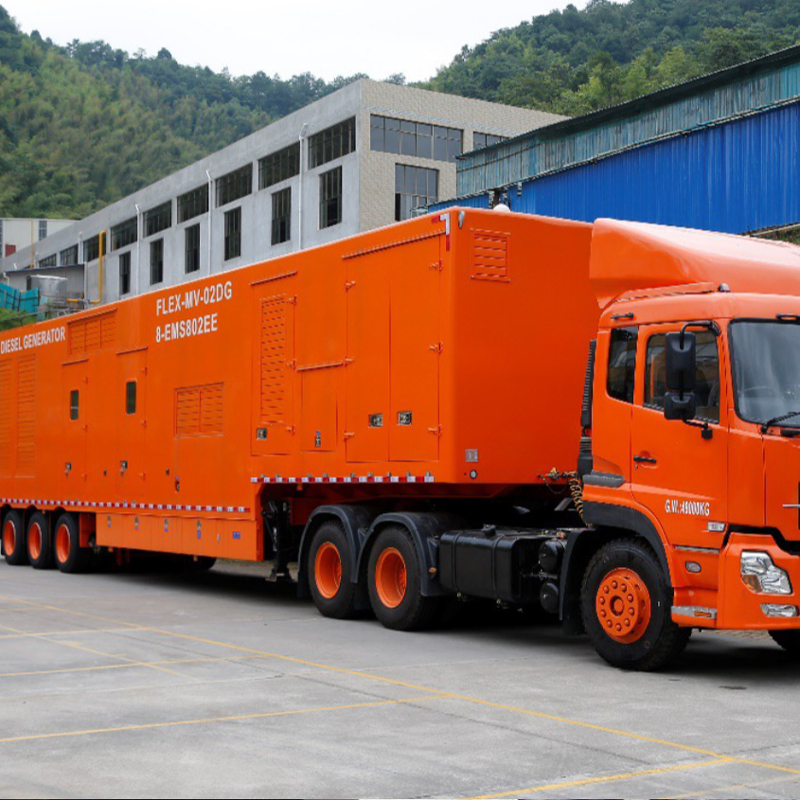
Futuregas generatorsis closely related to the continuation of research and development of new technologies. The focus on sustainability and environmental friendliness opens up a huge number of opportunities for innovation in this area. An important direction could be the development of alternative gas sources, such as biogas or hydrogen, which can significantly reduce dependence on traditional natural gas and hydrocarbons.
Integration with renewable energy sources and the creation of hybrid energy systems make it possible to use resources more efficiently and reduce harmful impacts on the environment. In addition, the use of artificial intelligence and machine learning technologies can make managementgas generatorseven more intelligent and adaptive.
Constant development and introduction of new technologies will ensuregas generator setlong-term competitiveness in the market, helping to meet increasing demands for reliable and clean energy sources.

-


-
-


WeChat

-
WeChat