

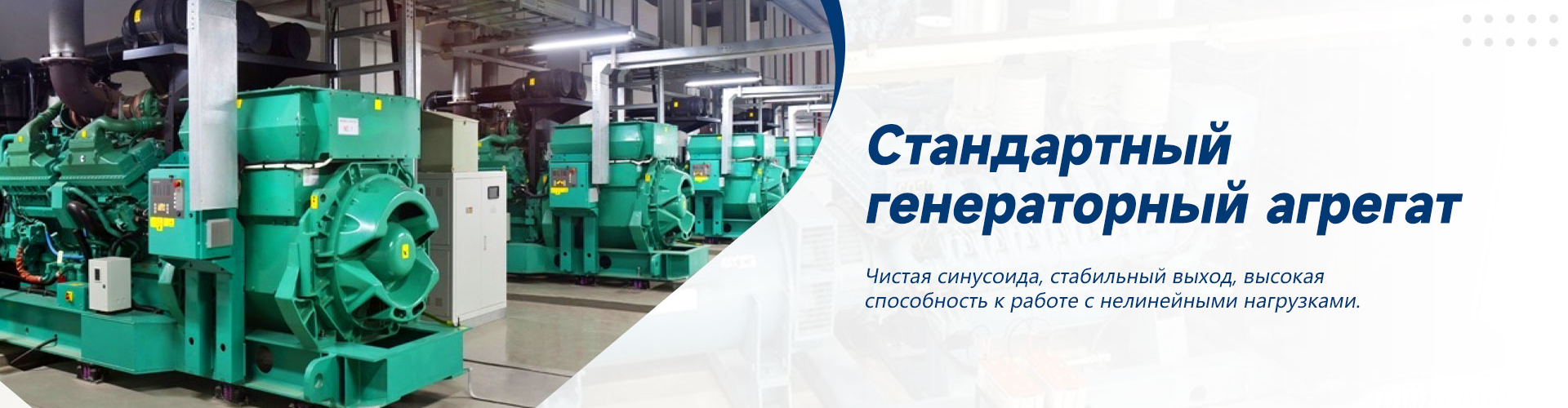
How to distinguish a high-quality diesel generator from a fake?
2026-07-16
- How to distinguish a high-quality diesel generator from a fake: the first signs in 30 seconds
- Physical diagnostics: weight, metal and welds
- Engine: the heart of the installation and methods for identifying restored units
- Documentary evidence and certificates of conformity
- Load testing: the only way to find out the truth
- Economic risks of buying counterfeit goods
- A professional approach to production: an example of a responsible integrator
- Frequently Asked Questions
- Conclusion: your energy security is in your hands
How to distinguish a high-quality diesel generator from a fake: the first signs in 30 seconds
You can distinguish a high-quality diesel generator from a fake by three key parameters even before starting the engine: the weight of the unit, the quality of the frame welds and the presence of original markings on the cylinder block. In our practice, we encountered a situation where a client purchased a “premium” unit at a price 40% below the market, which failed after 120 operating hours due to the use of a re-ground cylinder block instead of a new one. Counterfeiting in the industrial energy supply segment is not just low quality metal, it is a direct threat to the safety of the facility and financial losses amounting to millions of rubles during production downtime. If you see a generator with a perfect appearance, but without a clear engraving of the serial number on the crankcase or with a suspiciously light alternator, stop - this is a likely imitation.
The market is saturated with proposals where Chinese OEM factories produce products under the brands of well-known European brands without a license, or local assemblers use remanufactured engines, passing them off as new. Tohow to distinguish a high-quality diesel generator from a fake, it is not enough just to look at the logo. It is necessary to conduct a physical inspection of the components, check the documentation for compliance with GOST and ISO, and also analyze the electrical parameters under load. This article is based on 15 years of experience operating and auditing hundreds of pieces of equipment in various climate zones, from arctic conditions to hot southern climates.
Why visual inspection is often misleading
The first thing that deceives the buyer is the perfect appearance. Modern technologies of powder coating and laser cutting are available even to small garage workshops. Fraudsters know the psychology of the client: they install an expensive control panel with a color display, install high-quality circuit breakers from well-known brands (often stolen or counterfeit) and assemble all this on a frame painted in the branded color of a well-known manufacturer. However, the devil is in the details, which are not visible during a quick inspection in the showroom.
In one of the audits conducted by our team, we discovered a batch of generators where the copper stator winding was replaced with copper-plated aluminum. There was no way to tell them apart visually without removing the end cap and doing chemical analysis or a simple magnet test (aluminum is not magnetic like copper, but the sputtering is confusing). The result of operating such an installation led to overheating of the winding at 85% of the load and subsequent interturn short circuit after 6 months of operation. This highlights the importance of not only examining the exterior, but also checking the internal architecture of the machine.
Another common trick is to use smaller motors with artificially high speeds to achieve the desired current frequency. Such an engine will operate at the limit of its capabilities, which reduces its service life by 3-4 times compared to a properly selected unit. A high-quality diesel generator always has a torque reserve, which allows it to easily withstand the starting currents of electric motors without voltage drops and black smoke from the exhaust pipe.
Physical diagnostics: weight, metal and welds
Weight is one of the most objective indicators of quality, which is difficult to fake without significantly increasing the cost of the design. A high-quality diesel generator is heavy. Heavy because it uses cast iron for the cylinder block (in powerful models), thick-walled steel for the frame and full copper in the alternator windings. If you lift the hood or look under the cowl and see thin sheet metal that bends when pressed with your finger, that's a red flag.
We weighed two 100 kW generators from different suppliers. The weight difference was 280 kg in favor of the original equipment. During disassembly, it turned out that the “light” competitor had a fuel tank wall thickness of 1.5 mm versus 4 mm for the original, and the frame was welded from a profile pipe with a wall thickness of 2 mm instead of 5 mm. Thin metal not only reduces durability, but also increases vibration, which destroys bearings and connections faster than designed for.
Frame weld analysis
Pay attention to the welds on the supporting frame. In high-quality production, welding is performed by robotic systems or highly qualified welders in compliance with all technologies. The seam should be uniform, scaly, without pores, cracks or lack of penetration. Often on fakes the seams are simply painted over with a thick layer of paint to hide the defects. Run your fingernail or wrench along the seam (if the paint allows). If you feel unevenness, sagging or, conversely, obvious depressions, the build quality is questionable.
Pay special attention to the places where the engine and alternator are attached to the frame. Dampers (vibration supports) are installed here. Counterfeits often skimp on rubber components, using low-grade hard technical rubber that hardens in the cold or crumbles from vibration. Original vibration mounts have complex geometry and are made of special compounds that dampen resonant frequencies. Ask the seller to show a certificate for rubber-metal supports or simply press on the corner of the frame - it should not shake.
Checking the alternator (generator part)
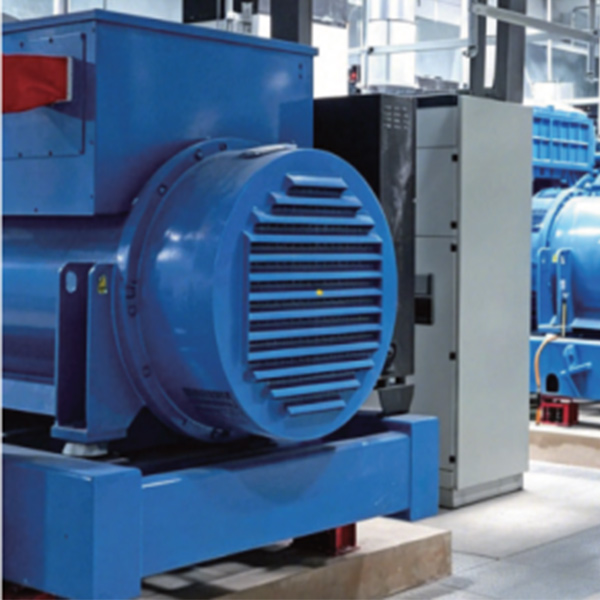
The alternator is the heart of the electrical part. This is where fraud occurs most often. The main method of deception is to replace the copper winding with aluminum. Copper has better electrical conductivity and heat dissipation. Aluminum heats up more and requires a larger cross-section to transmit the same current. Manufacturers of counterfeits use aluminum to reduce cost, but pass off the product as copper.
How to check without disassembling? Look into the stator vents. Copper has a characteristic reddish-golden hue, aluminum - silver-gray. However, as we mentioned earlier, there is a technology for copper plating aluminum. A more reliable way is to ask the seller for a test report of the DC winding resistance. The resistance of the aluminum winding will be higher with the same geometric dimensions. Also pay attention to the insulation class. High-quality machines have class H (up to 180°C), while cheap fakes are often limited to class B or F, which is critical for working in hot climates or under prolonged overload.
Engine: the heart of the installation and methods for identifying restored units
The internal combustion engine accounts for up to 60% of the cost of a diesel generator, so this is where the main risks of purchasing counterfeit goods are concentrated. The market is flooded with aftermarket engines that have been overhauled, repainted, and sold as new. It is difficult to distinguish them from new factory products, but it is possible if you know where to look.
Markings and serial numbers
Every self-respecting engine manufacturer (be it Perkins, Volvo Penta, Cummins, Yanmar or quality Chinese brands like Weichai and Yuchai) puts the serial number directly on the cylinder block. This number should not be on a sticker that can be peeled off and replaced. It must be stamped with a metal stamp or laser engraved. Compare this number with the number in the product data sheet and in the manufacturer's database (many brands allow you to check the engine history online using the serial number).
In our practice, there was a case when a series of generators arrived with engines in which the areas for the serial number were cleaned with a grinder and welded, and then new markings were applied. Microscopic analysis or even careful examination with a magnifying glass revealed traces of tampering with the metal. If you see traces of paint around the marking area that are a different shade from the base color of the block, or if the area itself looks too smooth compared to the rest of the casting, this is a sign of overmarking.
Condition of fasteners and traces of use
The new engine shows no signs of loosening the bolts. Pay attention to the cylinder head bolt heads, valve cover and intake manifold. Factory engines often have paint marks (seals) placed after the final tightening. If these marks are knocked down, displaced or missing, and there are traces of the key on the edges of the bolts (even minimal abrasions of the chrome), then the engine has been opened. A new engine may have signs of factory installation, but they should be consistent and neat. Chaotic scratches indicate handicraft assembly or repair.
Also check the condition of the cooling system pipes and fuel hoses. On a new engine, the clamps are straight, the tires are fresh, without cracks or creases. If you see traces of sealant where it should not be (for example, at joints that should be sealed with paronite gaskets), this is a sure sign that the engine was disassembled to replace the piston group or liners.
Turbocharger and fuel equipment
The turbine is an expensive component, which is often replaced with a reconditioned one during engine repair. Rock the turbine shaft by hand (with the pipe removed). Shaft play is unacceptable; only minimal radial runout is allowed within the manufacturer's tolerances (usually fractions of a millimeter). If the shaft dangles or a grinding noise is heard when rotating, the turbine is faulty or worn out. On new engines, the turbine housing is clean, without traces of soot at the joints, which indicates that there have been no previous exhaust leaks.
The high pressure fuel pump (HFP) and injectors are also quality markers. On modern Common Rail engines these components are extremely sensitive. Check the presence of seals on the fuel injection pump adjustment screws. If the seals are broken, the setting may have been changed to compensate for wear on the plunger pairs, resulting in incorrect injection timing and increased fuel consumption in the future.
Documentary evidence and certificates of conformity
Paperwork is not bureaucracy, but your main shield against counterfeiting. A high-quality diesel generator is always accompanied by a full package of documents, each sheet of which carries a legal and technical burden. The absence of any of the following documents should be the reason for refusal of the transaction.
Product data sheet and instruction manual
The passport must be made on thick paper, with clear printing, contain a unique numbering of the copy, date of issue and the seal of the technical control department (QC) of the manufacturer. The passport must indicate:
- Full technical characteristics (reserve and main power, power factor cos φ, fuel consumption at 50%, 75% and 100% load).
- Serial numbers of the motor, alternator and controller (they must match those on the unit).
- Date of next maintenance and list of recommended lubricants.
A common mistake made by counterfeiters is the use of template passports, where the data is entered by hand or printed on a regular printer without security elements. The original often has watermarks, holograms or special fonts. The owner's manual should be detailed, with electrical and hydraulic diagrams, and not just a 5-page brochure with general safety phrases.
Certificates of conformity (GOST, EAC, ISO)
For legal sale in the Russian Federation and EAEU countries, equipment must have a certificate of compliance with the Technical Regulations of the Customs Union (TR CU). Look for markingsE.A.C.on the generator nameplate. The presence of this mark confirms that the product has been tested in an accredited laboratory for electrical safety, electromagnetic compatibility and noise level.
The ISO 9001 certificate of the manufacturing plant is also important. It confirms that the quality management system at the plant is functioning correctly. However, remember: ISO certification is issued to the factory, not to a specific model. Therefore, ask for a copy of the certificate for the exact model you are buying, or a declaration of conformity. Counterfeiters often attach copies of certificates from other factories or expired documents. You can check the validity of the certificate in the RosAccreditation register using the document number.
Warranty
The warranty for a high-quality diesel generator usually ranges from 1 to 3 years or a certain number of engine hours (for example, 2000 m/h). An important nuance: the guarantee must be provided by the availability of service centers in your region. If the seller offers a “guarantee”, but the nearest service is 1000 km away, such a guarantee is fictitious. The purchase and sale agreement must clearly state the terms of warranty service, the response time of the service department and the list of works included in the warranty. Avoid the wording “warranty subject to maintenance only at the dealer” if there is only one dealer in the whole country - this is a trap for creating artificial grounds for refusing repairs.
Load testing: the only way to find out the truth
No visual inspection can replace a real test. Before payment and shipment, request acceptance testing (APT) at the stand or directly on site. This is a paid service, but it saves millions in the future. How to distinguish a high-quality diesel generator from a fake during operation?
Checking voltage and frequency stability
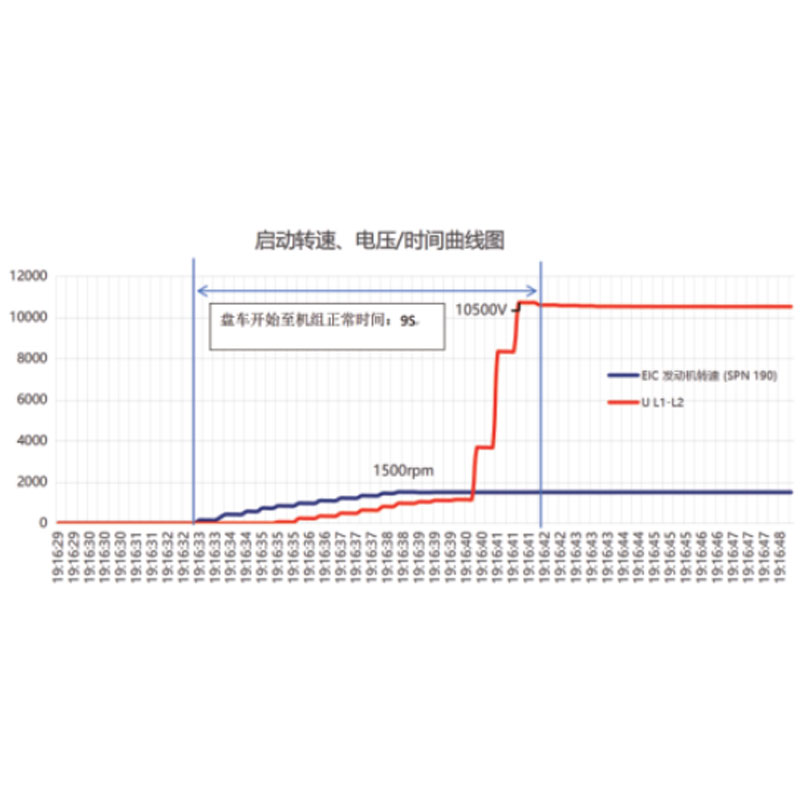
Connect a professional power quality analyzer. Start the generator and let it warm up. Then connect the active load (heaters) and inductive load (motors) in stages: 25%, 50%, 75%, 100% and briefly 110%.
A quality unit should maintain voltage within ±2.5% (for class G2 according to ISO 8528-5) and frequency within ±0.5% when loading and unloading. Counterfeits often “sag” the voltage when powerful consumers are turned on, and the AVR (automatic voltage regulator) system does not have time to handle surges. If you see that the incandescent light bulbs noticeably change brightness when the pump is turned on, the stabilization system is not coping.
Temperature and fuel consumption
Measure the coolant and oil temperatures after 1 hour of operation at rated load. For most diesel engines, the operating temperature is 80-95°C. If the temperature exceeds 100°C or rises continuously, the cooling system is ineffective (perhaps the radiator is too small or the pump is weak). Also measure your fuel consumption with a measuring cup or flow meter. Inflated consumption (more than 10-15% of the passport data) indicates inefficient combustion, problems with injectors, or a discrepancy between the actual engine power and the declared one.
Noise and vibration level
Use a sound level meter. A high-quality generator in a noise-proof casing should not exceed 75-85 dBA at a distance of 7 meters (depending on power). A booming sound, metal clanging or high-frequency whistle indicate poor balancing of the alternator rotor, worn bearings or poor-quality sound insulation of the casing. Vibration transmitted to the floor indicates improper damper installation or engine imbalance.
| Verification criterion | High quality diesel generator | Fake / Refurbished unit |
|---|---|---|
| Unit weight | Meets specification, significant weight reserve due to cast iron and copper. | Noticeably lighter (saving on metal, aluminum instead of copper). |
| Frame welds | Uniform, scaly, without painting over defects. | Uneven, covered in paint, traces of corrosion under a layer of paintwork. |
| Engine markings | Clear engraving/stamp on the block, matches the documents. | Sticker, traces of stripping, repainting, mismatched fonts. |
| Working under load | Stable voltage (±2.5%), fast ramp-up, quiet operation. | Voltage sags, long acceleration, black smoke, overheating. |
| Documentation | Full package, original seals, valid EAC/ISO certificates. | Photocopies, missing serial numbers in the passport, errors in translations. |
| Price | Market or above average, transparent pricing. | Dumping price (30-40% below the market) for no obvious reason. |
Economic risks of buying counterfeit goods
Many buyers are guided by the principle “buy low, sell high” or are simply trying to save the project budget. However, in the industrial energy supply segment, the rule “the stingy pays twice” works squarely. Let's calculate the real losses from buying a fake.
Let's imagine that you saved 20% on the purchase of a 200 kW generator. This is about 1-1.5 million rubles. Six months later, the engine requires major repairs due to the destruction of the liners (poor metal quality). The cost of repairs, taking into account delivery, work and plant downtime, will be 2-3 million rubles. But that's not the main thing. The main thing is simple production. If your plant shuts down for 1 hour due to lack of energy, the losses can amount to hundreds of thousands of rubles. A reliable generator insures you against these risks. A counterfeit creates them.
In addition, the liquidity of equipment. A high-quality branded generator (even used) can always be sold on the secondary market for 60-70% of the original price. It is almost impossible to sell an anonymous fake or a unit with a “murky” engine history, or only at the price of scrap. Thus, the initial savings turn into a direct loss when attempting to withdraw assets.
Impact on insurance claims
An important aspect that is forgotten is insurance. If a fire occurs due to the fault of electrical equipment, the insurance company will order an examination. If an expert determines that the burnt generator was counterfeit, not certified, or had fatal defects, you may be denied compensation. The presence of certificates of conformity and quality passports is your alibi before the insurer.
A professional approach to production: an example of a responsible integrator
To avoid the risks described above, it is important to choose suppliers whose philosophy is based on the principle of “reliability through responsibility”. A striking example of this approach is the companyYuke (Shandong) Electrical Technology LLC" Located in Shandong province, this organization specializes not just in assembly, but in the development of comprehensive solutions in the field of autonomous and backup power supply, combining engineering competencies in the field of generation and modern energy storage systems.
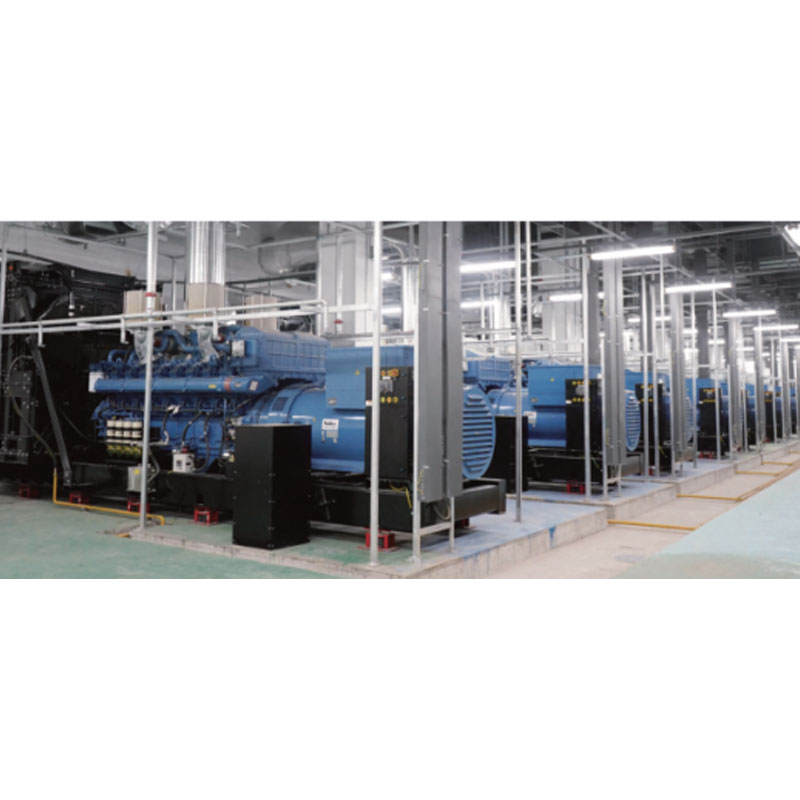
Unlike garage assemblers, Yuke operates as a full-fledged integrator, relying on strategic partnerships with global industry leaders. Their portfolio includes solutions based on Cummins engines (VCD, VHCD5 series), Perkins (VPD), MTU (VHMD5), as well as reliable Chinese brands SEM and Yuchai (VSD, VYG, VHSD5, VHYD5 series). The company produces a wide range of equipment, from silent generator sets and mobile light towers to multi-megawatt high-voltage systems and liquid-cooled energy storage cabinets.
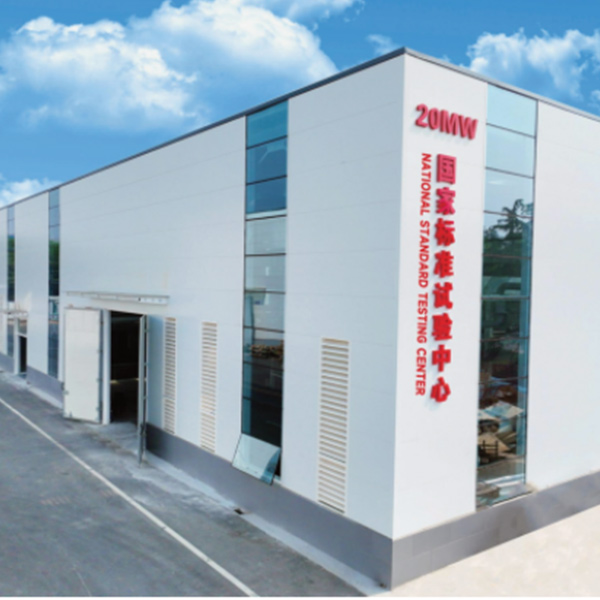
The key difference between a quality manufacturer, such as Yuke, and the creators of fakes is a strict quality control system at every stage. A multi-level audit has been implemented at their production base: incoming control of components, assembly monitoring and, most importantly, mandatory comprehensive load tests of each piece of equipment for at least 4 hours. Only after checking the parameters of noise, vibration, temperature and voltage stability is the installation allowed for shipment. All products are adapted to the requirements of the CIS, Asian and Middle East markets, meeting international standards for electromagnetic compatibility and safety.
By choosing a partner with its own technical base and a network of authorized service partners, you get not just hardware, but guaranteed energy security. The company provides full support: from design and personnel training to prompt delivery of original spare parts. It is this approach, combining the use of proven brand components with our own engineering control, that eliminates the risk of counterfeit products and ensures long-term reliability of the power system.
Frequently Asked Questions
Is it possible to distinguish a fake by price?
Price is an important, but not the only indicator. If the offer is 25-30% or more cheaper than the average market price, it is almost guaranteed to be a fake, a refurbished unit or equipment with reduced characteristics. Miracles do not happen: the cost of copper, steel and high-quality casting is the same for everyone. The manufacturer cannot sell at a loss. The low price is achieved only through hidden savings on materials (aluminum instead of copper, thin metal) or the use of used components. Always request quotes from 3-5 different suppliers to develop an understanding of true market value.
Does a well-known brand guarantee the absence of counterfeits?
Unfortunately no. Popular brands (Cummins, Perkins, Caterpillar) are most often counterfeited. Fraudsters buy cheap Chinese analogues, put on nameplates of a well-known brand and sell them at three-way prices. The only guarantee is purchasing from official dealers or trusted integrators whose status can be confirmed. Check the holographic stickers on the engine and alternator. Many brands are introducing QR codes to verify origin. If the seller cannot provide a letter from the factory about dealer authority or proof of factory tests (as, for example, Yuke does), the risk of running into a fake increases many times over.
What should I do if I have already bought a fake?
If the fact of counterfeiting is discovered after purchase, immediately record all discrepancies in an inspection report with the involvement of an independent expert organization. Do not try to repair the unit yourself - this will give the seller a reason to say that you yourself broke the equipment. Write an official complaint to the seller with references to the Consumer Protection Law and the terms of the contract. Demand termination of the contract and a refund. If refused, go to court. Save all correspondence, photos and videos, test results. The faster you act, the higher the chances of getting your money back.
Conclusion: your energy security is in your hands
Choosing a diesel generator is an investment in the continuity of your business for years to come. Questionhow to distinguish a high-quality diesel generator from a fakedoes not tolerate a superficial approach. Trust facts, figures and documents, not the nice words of sales managers. Carry out a thorough inspection, load test the equipment and work only with trusted partners who are ready to take responsibility for their product.
Do not risk the stability of your enterprise for the sake of dubious savings. True quality is confirmed by time, the weight of the metal, honest documents and a transparent production process. If you want to get advice on choosing reliable equipment, audit existing offers, or order professional testing of a generator before purchasing, our experts are ready to help.
Contact us todayto receive a detailed checklist for checking a diesel generator and consultation with an engineer. We will help you avoid mistakes and choose a solution that will last for decades.
-


-
-


WeChat

-
WeChat