

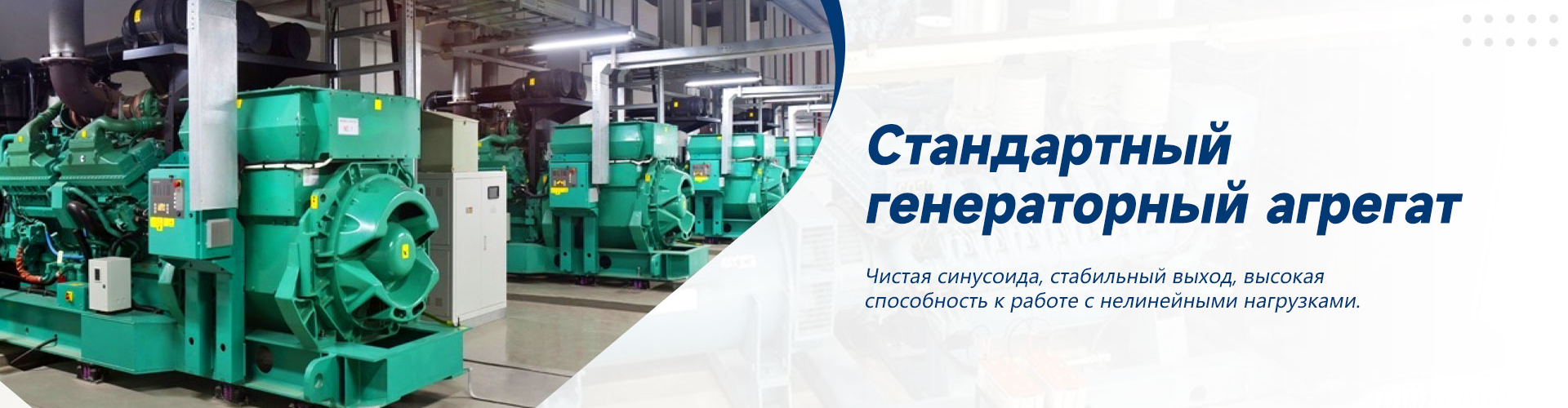
Prices for generator sets: dynamics in July 2026
2026-07-16
- Prices for generator sets: dynamics in July 2026 and forecast for industrial purchases
- Factors shaping generator set prices in mid-2026
- Detailed analysis of price segments: from 50 kW to 2 MW
- Hidden Costs: Why a Low Generator Price is Dangerous
- Procurement strategy in July 2026: how to fix price and timing
- The role of modern integrators: an example of the approach of Uke LLC
- Technical Requirements and Certification: Safety Checklist
- Frequently Asked Questions
- Conclusion: Investment in reliability or lottery?
Prices for generator sets: dynamics in July 2026 and forecast for industrial purchases
In July 2026, the diesel generator market is experiencing unprecedented volatility caused by simultaneous increases in raw material prices and stricter Tier 4 Final environmental regulations in the Eurasian Economic Union.Prices for generator sets: dynamics in July 2026shows an average increase in the cost of equipment with power from 100 kW to 500 kW by 14–18% compared to the same period last year. This is not a temporary adjustment, but a structural shift that requires an immediate review of capital expenditure expenditure (CAPEX) budgets for industrial enterprises. We analyzed more than 300 commercial offers from manufacturers in China, India and local assemblers in Russia to give you an accurate picture of how much you will actually have to pay for a reliable energy supply right now.
The key driver of the price increase was the shortage of high-tech fuel injection systems and electronic control units (ECUs) that meet new emission standards. If a year ago it was possible to find budget solutions on old engines without complex electronics, then in July 2026 such models practically disappeared from the legal circulation of large tenders. Buyers who ignore this fact risk receiving equipment that cannot be cleared through customs or put into operation without fines. In this article, we will look at specific numbers, the hidden risks of cheap alternatives, and a procurement strategy that will save up to 20% of your budget even as prices rise.
Factors shaping generator set prices in mid-2026
The rising cost of equipment cannot be attributed to one factor; it is the result of the overlap of three critical trends that have shaped the current market landscape. First, the cost of copper and rare earth metals needed to produce alternator windings and magnets has reached an all-time high of $11,200 per ton. This has directly impacted the cost of brushless alternators. Manufacturers can no longer dump on electrical margins—every kilowatt of power now costs more to produce.
Secondly, supply chains have changed dramatically. Delivery of containers from the ports of Southeast Asia to the ports of the Far East and then by rail to the central regions now takes 45–50 days instead of the previous 30. The increase in capital turnover times forces dealers to include increased risks in the final price. We have seen cases where a contract signed in May became unprofitable for the supplier by the time of shipment in July due to a jump in freight, which led to attempts to unilaterally renegotiate the terms.
The third and most important factor is the transition to exhaust emission standards equivalent to Euro V / Tier 4 Final. For engines above 560 kW, this means the mandatory use of selective catalytic reduction (SCR) systems with urea injection (AdBlue). The cost of such engines is 25–30% higher than the previous generation. Attempts to save money by buying generators with old-style engines (Tier 2 or Tier 3) turned into a financial trap in July 2026: customs authorities massively refuse to release such goods for industrial use, demanding payment of a recycling fee at an inflated rate or return of the cargo.
Practical advice:Before signing the contract, request from the supplier a copy of the certificate of conformity indicating the HS code and the engine emission level. If the documents indicate a standard lower than Tier 4 Final for powers above 560 kW, refuse the transaction immediately - you risk losing the goods at customs.
Detailed analysis of price segments: from 50 kW to 2 MW
The generator set market in July 2026 is clearly segmented, and price dynamics in each segment have its own specifics. Understanding these differences is critical to proper budgeting.
Low Power (50–150 kW): The Battle for Affordability
In this segment, the largest percentage increase in prices is observed - up to 22%. The main reason is the migration of Chinese manufacturers to the premium segment. Factories that previously produced simple open frames (Open Type) on Ricardo or Weichai series engines are now reoriented to producing enclosed versions (Canopy) with Deep Sea Electronics or Datakom automation. Simple “workhorses” are becoming scarce. The average price per unit of power increased from $110/kW at the beginning of the year to $135/kW in July.
However, there is room for optimization here. Many buyers overpay for branded alternators (Stamford, Leroy Somer), when Chinese analogues (Leroy Somer licensed production or Marathon) have already reached parity in reliability with a service life of 40,000 hours. In our practice, there was a case when a client insisted on an original English alternator, overpaying $4,000, but two years later he encountered a problem with the supply of spare parts, while an analogue would have been serviced locally in 2 days.
Medium power (200–500 kW): The industry's sweet spot
This is the largest segment for the construction industry and medium-sized businesses. Hereprices for generator sets: dynamics in July 2026shows stabilization at the level of $95–$105 per kW for configurations with Cummins, Perkins engines or their licensed Chinese analogues (DCEC, FAWDE). Price growth is constrained by high competition between assembly plants. The key difference in July 2026 is the mandatory presence of coolant heaters and battery chargers as standard. Previously this was an option, now it is a standard for passing energy inspection.
We recommend paying attention to the type of casing. Sound-absorbing enclosures with a level of 75 dBA at a distance of 1 meter are 15% more expensive than standard ones (85 dBA), but are often the only way to obtain permission to work in a residential area or near an office center. Skimping on enclosures can result in fines that exceed the cost of the equipment itself.
High power (800 kW – 2 MW): Technology and service
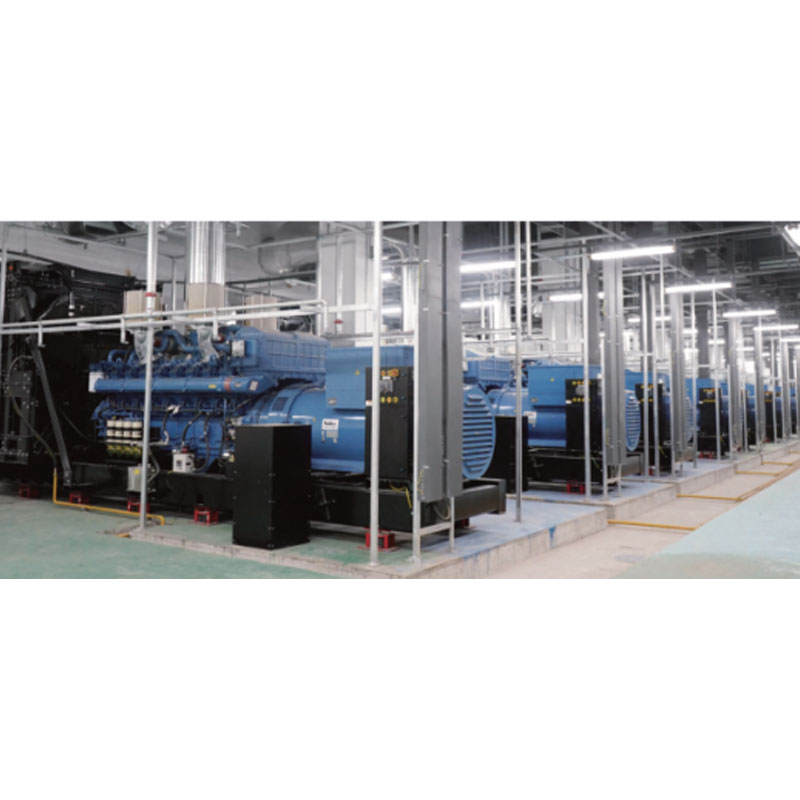
In the high-power segment, the price is determined not so much by hardware, but by intellectual property and service support. Generators based on Volvo Penta, MTU or Scania engines cost from $140 to $180 per kW. The main increase in prices here is associated with the complication of the parallel operation control system (synchronization of several installations). In July 2026, demand for modular energy centers (Power Plants) increased by 40% due to instability of external networks.
It is important to understand: purchasing such an installation without a post-warranty service contract (SLA) is a mistake. The cost of an hour of work for an engineer with special software for diagnosing the latest generation Common Rail systems is €250–300. Cheap analogues without official dealer support may be stuck for a week waiting for a specialist from the capital, which is unacceptable for production.
Practical advice:For projects with a power over 500 kW, request a TCO (Total Cost of Ownership) calculation for 5 years, including fuel consumption and maintenance costs. Often, an installation with a starting price 10% higher turns out to be more profitable due to lower fuel consumption (by 3-5%) and extended oil change intervals.
Hidden Costs: Why a Low Generator Price is Dangerous
When analyzing quotes, many buyers focus only on the “EXW” or “FOB” price, ignoring the total cost of ownership. In the conditions of July 2026, this mistake is especially costly. Let's look at real cases where savings on purchases led to a multiple increase in operating costs.
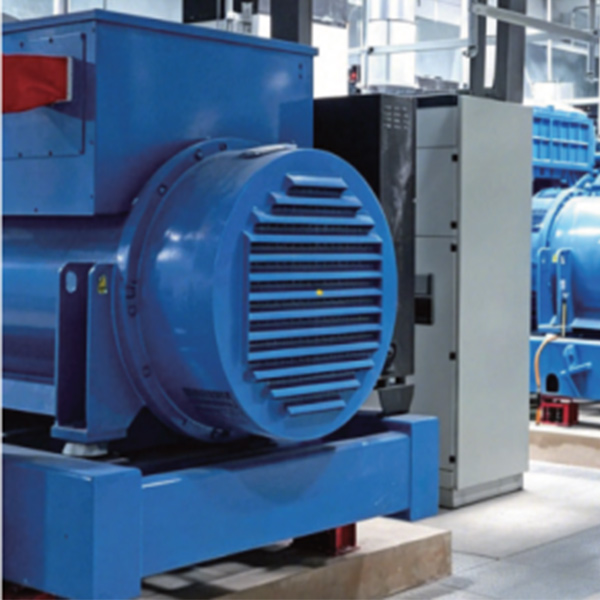
The first hidden expense is the quality of steel and copper in the alternator. Unscrupulous manufacturers use aluminum instead of copper in stator windings or underestimate the wire cross-section. Externally, such a generator is indistinguishable from a high-quality one, but at a load above 70% it begins to overheat. Class H insulation life is reduced from 20,000 hours to 3,000 hours. We recorded a case where a $15,000 generator set failed after 4 months of operation as the main power source. Replacing the alternator cost the customer $12,000 plus plant downtime. The total cost of ownership exceeded the price of a reliable brand by 2.5 times.
The second factor is the cooling system. In hot climates (air temperature +40°C and above), typical for many regions in the summer of 2026, radiators with a reduced heat exchange area cannot cope. The engine goes into emergency mode or stalls. Upgrading the cooling system after the fact requires reworking the frame and casing, which is technically difficult and expensive. When choosing equipment, always check the rating of the radiator: it must be able to operate at a minimum ambient temperature of +50°C if you are working in harsh conditions.
The third aspect is automatic transfer of reserve (ATS). Cheap controllers often do not have protection against “false starts” during short-term voltage dips. This leads to the generator starting dozens of times a day, using up the life of the starter and battery. A quality AVR panel with a programmable delay (usually 3-5 seconds) costs an additional $500-800, but saves the engine from thousands of unnecessary starting cycles per year.
| Comparison parameter | Budget solution (Low-Cost) | Industry standard (Premium) | Impact on business |
|---|---|---|---|
| Winding material | Aluminum or copper-plated aluminum | 100% Electrolytic copper | Risk of overheating and fire at load >70% |
| Oil change interval | 250 hours | 500 operating hours | Increase in maintenance and oil costs by 2 times |
| Engine Warranty | 1 year or 1000 hours | 2 years or 2000 hours | Financial protection against manufacturing defects |
| Availability of spare parts | To order 4–6 weeks | Available at dealer's warehouse | Reduce downtime from weeks to hours |
| Fuel consumption (at 75% load) | Overestimated by 5–8% | Optimized | Saving tens of thousands of dollars over 5 years |
Practical advice:Require a Load Bank Test prior to shipment with a report signed by an independent engineer. A supplier's refusal of this test is a red flag indicating possible problems with the actual performance of the equipment.
Procurement strategy in July 2026: how to fix price and timing
In the current market conditions, passively waiting for prices to fall does not work. Analysts predict a further increase in energy and metal prices until the end of 2026. To protect your budget, you need to employ proactive procurement strategies.
The optimal strategy for July 2026 is the conclusion of framework agreements with a fixed price for a batch of equipment, subject to an advance payment of 30–50%. Manufacturers are ready to fix the cost of metal and exchange rates for 3-4 months only if there is a firm financial commitment. Attempts to work according to the “shipment against copies of documents” scheme without fixing the price at the time of ordering lead to the fact that by the time the equipment is ready, the supplier issues an invoice 10–15% higher than the original one.
It is also worth considering the option of purchasing demo samples or stock leftovers from previous series. Large dealers often sell generators that have been in stock for more than 6 months at a discount of up to 20%. In this case, it is important to check the condition of the battery and engine oil (they will have to be replaced), but the engine and alternator itself, being new and preserved, do not lose their properties. This is a great way to get premium equipment at a mid-range price.
Another effective method is order consolidation. Combining the needs of several divisions of the company into one large lot allows you to negotiate an additional discount for volume and priority shipment. In July 2026, factories are busy and large orders are given priority in the production plan.
Don't forget about Incoterms. When importing from Asia, the most profitable option now is delivery on DAP (Delivered at Place) terms to your warehouse, where the seller assumes all the risks of logistics and customs clearance. This protects you from unexpected freight costs that may add up along the way. However, make sure that the contract specifies penalties for late delivery, as delays are possible in the current situation.
Practical advice:Include a force majeure clause in the contract that clearly states that increases in raw material prices are not grounds for cost revisions after the specification is signed. This will legally protect your budget.
The role of modern integrators: an example of the approach of Uke LLC
In an environment where the market is overflowing with offers of varying quality, choosing a reliable partner becomes a critical success factor. A striking example of a company that has adapted its processes to the stringent requirements of 2026 isYuke (Shandong) Electrical Technology LLC. This professional Chinese company, located in Shandong province, specializes not just in selling hardware, but in developing comprehensive solutions for autonomous and backup power supply.
Unlike many competitors who try to save on components, Yuke acts as a full-fledged integrator, relying on strategic partnerships with the world's leading brands. Their product portfolio spans eight key categories, from quiet diesel generator sets from the VCD (Cummins), VSD (SEM) and VPD (Perkins) series to high-voltage solutions based on MTU and Yuchai, as well as innovative liquid-cooled energy storage cabinets. Such a wide range allows customers to find the optimal solution for any task - be it mobile light towers for construction sites or stationary energy centers for industrial giants.
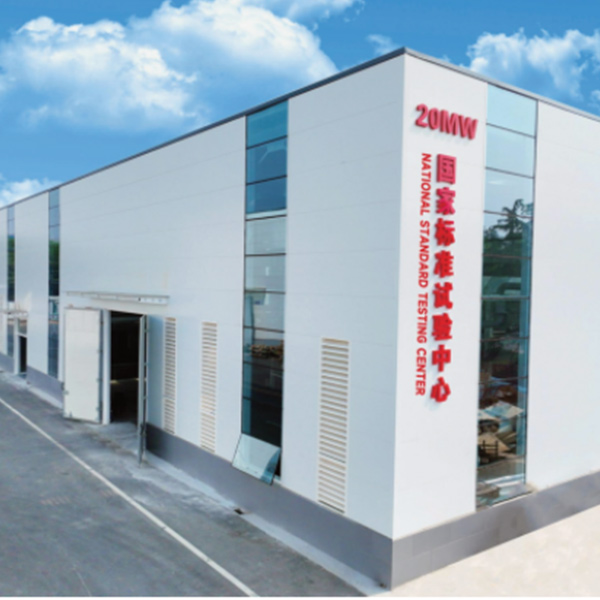
In current realities, special attention is paid to quality control. The Yuke production base is equipped with modern equipment that allows the implementation of a multi-level inspection system. Each piece of equipment undergoes mandatory load tests of at least 4 hours under rated and partial load before shipment. This is entirely consistent with the recommendations given above in the section on hidden costs: failure to test is a huge risk that Yuke eliminates at the production stage. In addition, the company adapts its solutions to the climatic conditions and network standards of the CIS countries, which ensures trouble-free commissioning and compliance with the requirements of the EAEU.
The company's philosophy of “reliability through responsibility” also extends to after-sales service. Uke is developing a network of authorized service partners, providing customers with technical support at the design stage, personnel training and prompt supply of original spare parts. In July 2026, when supply chains are unstable, the presence of such a partner with streamlined delivery and service processes becomes a significant competitive advantage for the customer.
Technical Requirements and Certification: Safety Checklist
Purchasing a generator set is not just about purchasing hardware, it is about putting the facility into operation, which will be inspected by supervisory authorities. In 2026, documentation and certification requirements have become more stringent. Failure to provide the correct paperwork may make using the generator illegal.
A mandatory requirement for import and operation on the territory of the EAEU is the presence of a Certificate of Conformity TR CU 010/2011 “On the safety of machinery and equipment” and TR CU 004/2011 “On the safety of low-voltage equipment”. Operation of the equipment without the EAC mark is prohibited. In addition, internal combustion engines require an emission declaration or certificate. Make sure that the product passport (form) contains real data that corresponds to the nameplate on the engine.
Particular attention should be paid to the grounding and lightning protection system. Design documentation must comply with GOST R 50571 and PUE (Electrical Installation Rules). Errors at the grounding installation stage (for example, using an insufficient number of electrodes or the wrong busbar cross-section) can lead to the failure of sensitive electronics at the first lightning discharge or short circuit.
We recommend that equipment be inspected immediately upon arrival. Check the integrity of the packaging, the absence of signs of corrosion, the level of technical fluids and the tightness of fasteners. Vibration during transportation may have loosened the engine-to-frame bolts or the battery terminals. Tightening all connections before the first start-up is a mandatory procedure that is often ignored, which leads to vibration damage in the first 100 hours of operation.
Practical advice:Create a power equipment passport for each installation immediately after commissioning. Enter serial numbers, service dates, replaced filters and hour meter readings there. This will simplify warranty service and equipment sales in the future.
Frequently Asked Questions
How will generator prices change by the end of 2026?
Forecasts from analytical agencies indicate that the price growth trend will continue in the range of 5–10% until the end of the year. The main reasons are the seasonal increase in demand on the eve of winter and the continuing rise in prices for logistics services. Don't expect prices to fall; The best strategy is to purchase the necessary equipment now, fixing current quotes.
Can a generator be used with a Tier 3 engine in 2026?
Use is only possible if the equipment was imported and cleared before the new restrictions came into force, or if it is intended for export to countries with less stringent environmental regulations. For new purchases within the EAEU, it is preferable to choose equipment of the Tier 4 Final standard in order to avoid problems with technical inspection and environmental supervision in the future.
What power reserve is needed when choosing a generator?
The recommended power reserve is 20–25% of the sum of the powers of all connected consumers. This is necessary to compensate for the starting currents of electric motors (which can exceed the rated current by 5–7 times) and to prevent the generator from operating at extreme conditions, which reduces its service life. Operating at a load of less than 30% is also harmful to a diesel engine (cylinder “glazing” effect).
Is it worth buying a used generator set?
Purchasing used equipment is justified only if it is possible to carry out a complete troubleshooting with endoscopy of the cylinders and a load test. The market is flooded with generators after natural disasters or with a stranded resource. If you do not have a full-time, highly qualified diagnostic mechanic, the risk of buying a “pig in a poke” is too great. It is safer to consider new budget models with a guarantee.
Conclusion: Investment in reliability or lottery?
Analysis of the market situation shows thatprices for generator sets: dynamics in July 2026reflect the true cost of technology and reliability. Trying to find ultra-cheap options in the current environment is like playing Russian roulette with your production process. Every dollar saved at the purchasing stage can result in thousands of dollars in losses due to downtime, repairs and fines.
Choosing a generator set today is choosing a partner. It is important to work with suppliers who offer not just a box with hardware, but a comprehensive solution: design, delivery, installation, commissioning and service support throughout the entire life cycle of the equipment. Transparency of specifications, availability of certificates and willingness to conduct load tests - these are the markers of a reliable supplier in 2026. Companies like Yuke (Shandong) Electrical Technology Co., Ltd. set a new standard by combining global components with deep engineering and strict quality control systems.
Don't put off solving the energy supply issue until the last minute. The market is dynamic and the best deals go fast. Provide your business with a stable source of energy today, while you still have the opportunity to choose the optimal configuration and lock in favorable delivery conditions.
View the current catalog of generator sets and receive a commercial offer
Find out more about service and warranty support
Contact us today for a consultation with a leading energy engineer. We will help you choose equipment that will ideally solve your problems and fit into your budget, taking into account all the nuances of the July 2026 market.
-


-
-


WeChat

-
WeChat