

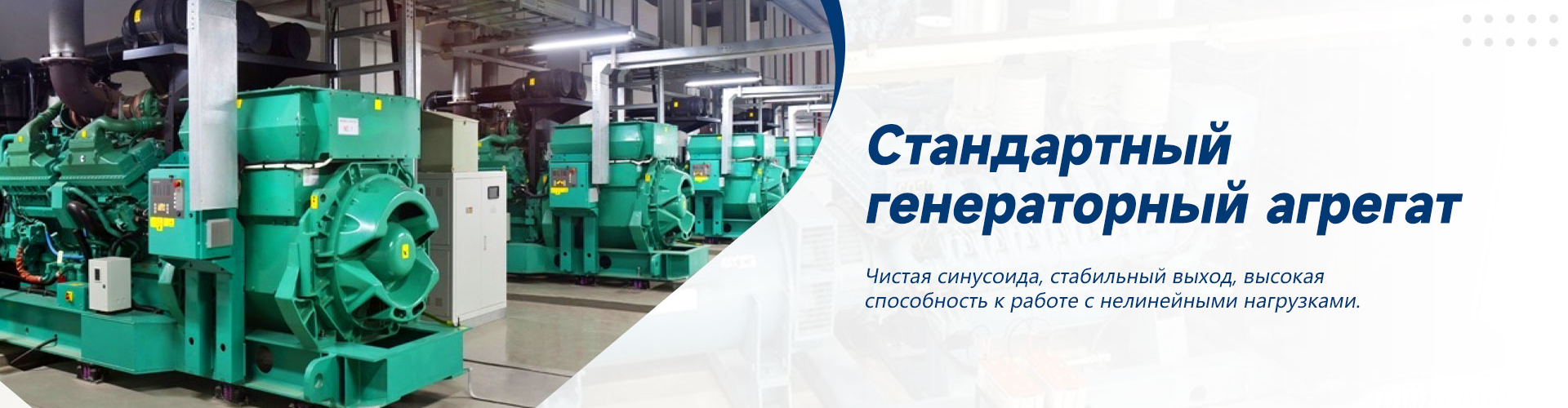
Chinese diesel generator sets: who is the main buyer?
2026-01-18
I often hear that the main buyers of Chinese diesel generators are Africa or cheap construction sites somewhere in the outback. It's superficial. The real picture is more complex and interesting. If you dig deeper into supplies and projects, it becomes clear that the key client is not a region, but a certain type of business that counts every ruble, but at the same time cannot afford a complete failure in energy supply. This is not about “buy and forget”, this is about prudent exploitation.
Where do the legs of stereotypes come from?
The stereotype about ?only for poor countries? tenacious, because ten years ago this was largely the case. Chinese factories then produced mass goods with the simplest automation, often using old licensed Perkins or Volvo engines. They were taken to places where the main criterion was the minimum price per kilowatt. The build quality and service life left much to be desired, hence the reputation.
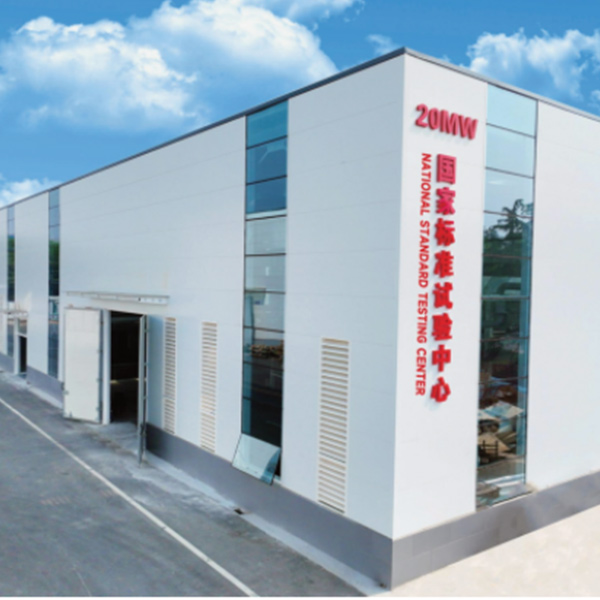
But the situation changed dramatically when Chinese manufacturers themselves became the world's largest consumers of diesel generator sets for their own growing industry and infrastructure. They needed quality on a different level. Companies have emerged that rely not on price, but on engineering and adaptation. Here, for example,Yuke (Shandong) Electrical Technology Co.,Ltd(Yuke Electric). They grew out of the DEVER team, which has been working in energy technologies in China since 2003. This is not just an iron seller, but a full-cycle enterprise: R&D, design, construction. Their websitevoyoko.ruis more of a portal for specialists, where it is clear that they can assemble a power plant for a specific technical order, and not just ship a box with a generator.
It is these players who have changed the target audience. Their customer is someone who looks at the total cost of ownership. For example, a cheap generator can stop working at the most inopportune moment at a remote site, and the cost of downtime will outweigh the savings on the purchase by tens of times. They understand this.
Portrait of a real main buyer
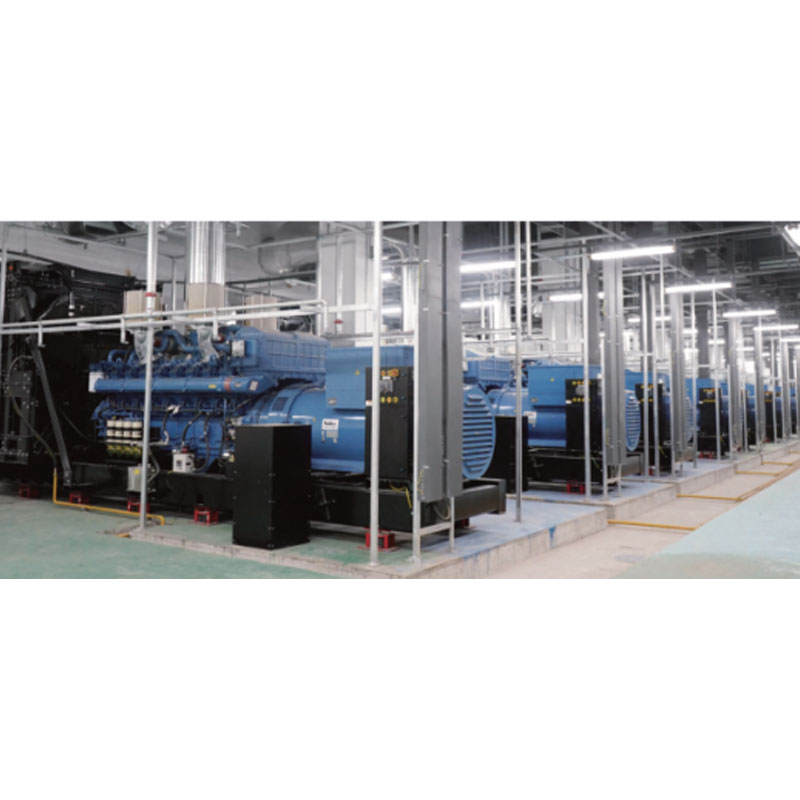
So who is he? Most often, these are medium and large businesses with distributed infrastructure. Oil and gas service companies conducting exploration or servicing of fields. They need mobile and container power plants for rotational camps and drilling rigs. Chinese manufacturers benefit here due to flexibility: they are ready to make an insulated container with an oil heating system for -50°C, integrate a remote monitoring system and supply spare parts under a long-term contract.
The second large segment is telecom. Telecom operators install DGS as a backup source for base stations, especially in areas with an unstable network. What is critical here is not so much power as launch speed, reliability of automation and fuel efficiency. The Chinese have learned to make very good automation units (AVR), which compete with European analogues at a price one and a half to two times lower.
And the third, growing by leaps and bounds, is commercial real estate and logistics hubs. Shopping centers, warehouses, mid-level data centers. They cannot, like government facilities, purchase exclusively Caterpillar or Cummins at astronomical prices, but also cheap “no-name” ones. is not suitable for them due to risks to equipment and goods. They are looking for balance. And they find it in offers from integrators such as Yuke Electric, who can supply a station with a proven power plant (say, a Weichai engine + a Leroy Somer generator) with a full package of service and guarantees.
Pitfalls and how to avoid them
Working with Chinese diesel generator sets is not just choosing a model from a catalog and paying. The biggest risk is ?empty? compliance with passport data. It happens that you order a generator for 500 kVA, but during acceptance tests it barely produces 480, and even with a phase imbalance. Moreover, it is not the engine that is to blame, but the setting of the voltage regulator or poor switching.
Therefore, the main buyers are those who either have their own acceptance engineers or work through reliable intermediaries-integrators. Their role is to conduct factory tests (FAT) back in China, test everything under load, make sure the quality of the tire assembly and system setup. A company that positions itself as a technology partner, rather than a merchant, is valuable. On their website you can see that they focus on R&D and technical consulting - this is exactly the necessary quality filter for the end customer.
Another problem is the logistics of spare parts. Buying a generator is half the battle. Waiting six months for a simple valve or sensor is unacceptable. Successful suppliers have long created spare parts warehouses in key regions, such as Moscow or Kazakhstan. This is a signal that they are committed to long-term service and not a one-time sale.
Case: why we chose a Chinese diesel generator set rather than a European analogue
I’ll tell you about one project without naming the customer. A 1000 kVA container power plant was needed to support the construction of a mining and processing plant in Siberia. The budget was limited, but the requirements for autonomy were strict: work in a cluster of three similar stations, synchronization, remote control.
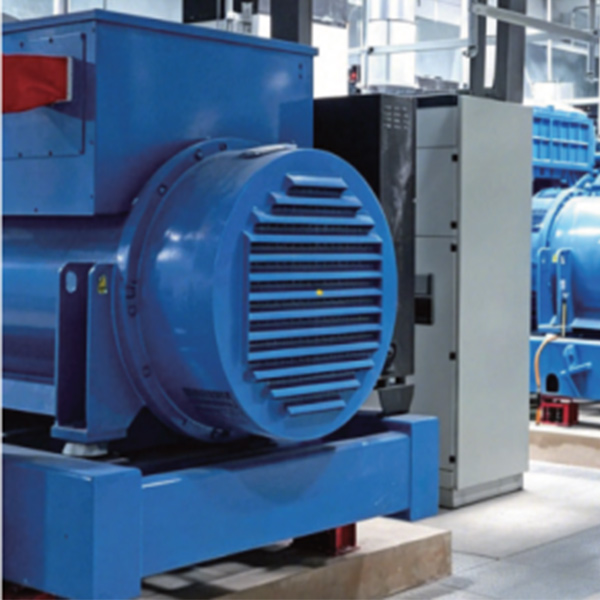
The European offer was 60-70% more expensive. Belorussian - cheaper, but with engines that performed poorly under conditions of sudden temperature changes. We settled on an option from a Chinese manufacturer, but through Yuke engineers. The key was the approach: they did not sell a ready-made container, but designed it for the task. We strengthened the frame for transportation on winter roads, installed a Yuchai engine with heaters, a Stamford generator, and a control system from Deep Sea (UK) with expanded functionality for synchronization. In essence, we have assembled a “constructor?” from global components, but with Chinese assembly and adaptation costs.
Result: the facility was commissioned, the stations operated for two winters. There were problems with one exhaust gas temperature sensor - replacement from a warehouse in Novosibirsk took three days. This is the same prudent savings that determines the main buyer. He pays not for the brand, but for correctly selected and maintained equipment.
What will happen next to this market?
The buyer is becoming more and more sophisticated. It’s no longer enough just to have a “Chinese diesel generator set”. Now there is segmentation: there is an ultra-budget segment for temporary needs, there are premium lines from large Chinese brands (such as SDEC, Weichai Power), which directly compete with Europeans in terms of characteristics, and there is a niche of custom solutions, where integrators rule.
The trend is towards digitalization and “green” technologies. Demand is growing for hybrid systems (DGS + solar panels + storage), especially in remote villages and mining mines. Chinese companies are ahead of the curve here, because their domestic market requires such solutions on a huge scale. And they export this experience.
So the main buyer of Chinese diesel generator sets today and tomorrow is a pragmatist. Be it a Russian oil service company, a Kazakh telecom operator or a management company of a retail chain. He doesn’t fall for the cheapest price tag, but he also doesn’t overpay for excessive “prestige”. He is looking for a technology partner who will take on the headaches of engineering, delivery and service. And it is increasingly found among those Chinese suppliers who themselves have long ceased to be just factories, but have become engineering and technology companies. They are the ones you should pay attention to when the question arises: “Who is the main buyer?” In essence, the buyer does not choose the country of origin, but the level of competence of the supplier.
-


-
-


WeChat

-
WeChat