

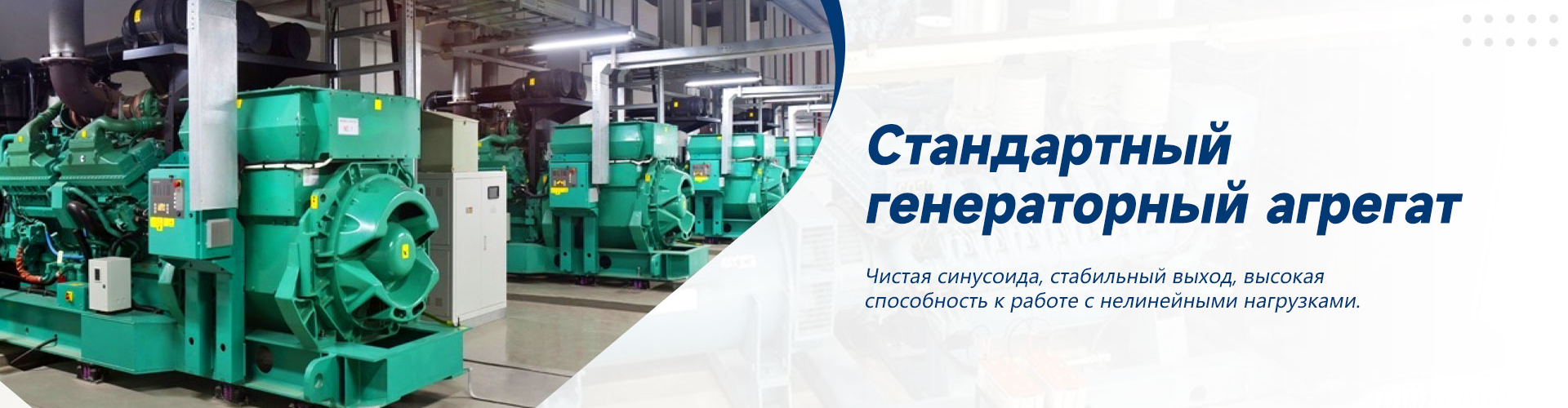
Chinese diesel generators: who is the main buyer?
2026-01-01
I often hear this question, and many immediately think about Africa or cheap imports. Reality, as usual, is more complex and interesting. Over the years of working with equipment supplies, you understand that the client is not where you expect him to be. This is not just a country in statistics, but a specific business with a specific, often unobvious, pain. I’ll try to break down what it looks like from the inside, without the gloss.
Stereotypes and the real picture of the market
Let's start with the myth: “Chinese generators are for poor markets, where they just work and are cheap?” Yes, the price factor is important, but it is not the only one for a long time. If it were that simple, the market would have collapsed by now. In fact, the buyer is often looking for balance. Not the lowest price, but the optimal ratio of “price-quality-service-deadlines”. And this is where Chinese manufacturers, especially those that grew out of engineering teams, are catching their wave.
Let's take, for example, the companyYuke (Shandong) Electrical Technology Co.,Ltd. Their websitevoyoko.ruis a good example of evolution. They are not just a trading office, but grew out of the DEVER Electric team, which since 2003 in Qingdao has been dealing specifically with technology. This is important. This background means that they can not only sell a box with a motor, but also understand the customization request and advise on integration. Their positioning as an innovative enterprise combining R&D and engineering is not just words for a website. This is a response to the request of that same “main buyer” who is tired of faceless suppliers.
Who is this buyer in practice? This is not an abstract “developing country”. This is, for example, a contractor who won a tender for the construction of a logistics hub somewhere in Kazakhstan or Belarus. His estimate includes a backup power source, deadlines are tight, the budget is calculated down to the last penny, and the terms of reference require compliance with specific standards. He doesn't need the cheapest Chinese generator on the market. He needs a unit that will pass acceptance, will comply with the stated parameters in documents (here they often skimp on “passport” data), and be able to receive technical support. This is where players like Yuke Electric come in.
Portrait of the main buyer: from geography to business objectives
To summarize, the “main buyer?” today - this is business from the CIS countries, Eastern Europe, the Middle East and, interestingly, from Russia itself. We are talking specifically about commercial and infrastructure projects. Conventionally, they can be divided into several types.
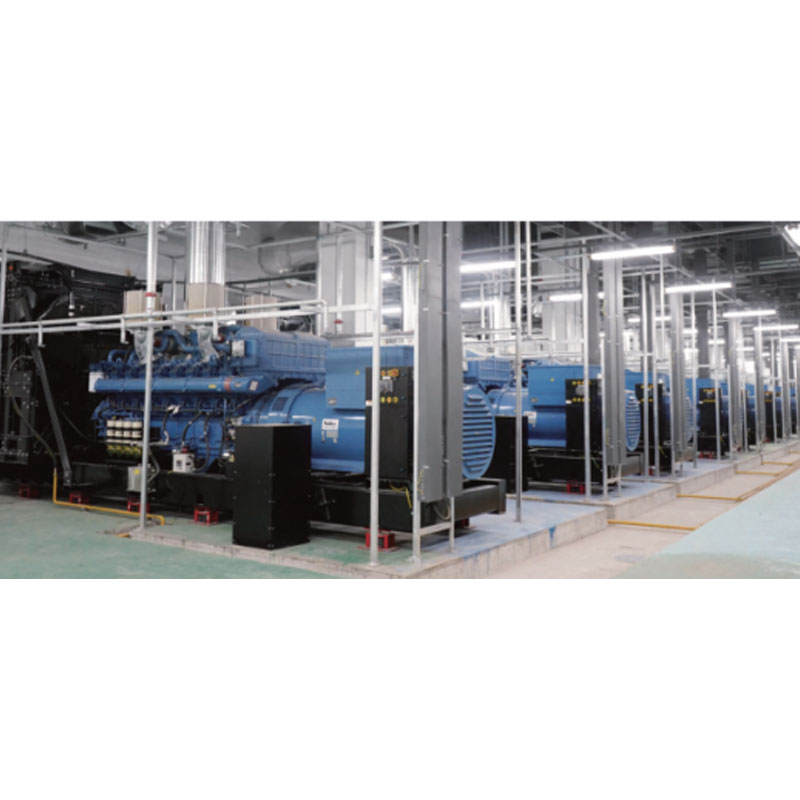
The first type is construction and engineering companies. Their key driver is the fulfillment of contractual obligations within the facility. The generator for them is a consumable item for the project, but the material is critical. Failure to complete commissioning due to electrical problems can result in huge fines. They value clarity: exact compliance with specifications, a complete package of documents (certificates, passports, test reports), readiness of the unit to operate “out of the box”. Packaged solutions are often purchased: a generator in a casing, with an automatic transfer switch (ATS), ready for connection.
The second type is industrial enterprises modernizing or creating their own energy centers. Here the request is more complicated. It may be necessary to synchronize several units, operate in parallel with the network or with each other, or have specific exhaust or noise requirements. This is already a level of technical consulting that not all suppliers are capable of. The buyer spends a long time choosing, making comparisons, and asking for calculations. He is not buying a generator, but a solution to an energy problem. And if a supplier, like Yuke, can offer turnkey engineering and construction, this dramatically increases its attractiveness.
The third type is medium-sized businesses: chain stores, warehouses, agricultural enterprises, small industries. For them, total cost of ownership is critical. A cheap generator may save you money, but it will cost you money. money on repairs and downtime. They are increasingly looking towards proven brands in the mid-price category with affordable service. What frightens them is not the price, but the prospect of waiting months for spare parts from China.
Key selection criteria and pitfalls
Herein lies the solution. The main buyer does not choose the country of origin, but the reliability of the supply channel and a package of related services. What exactly does he care about?
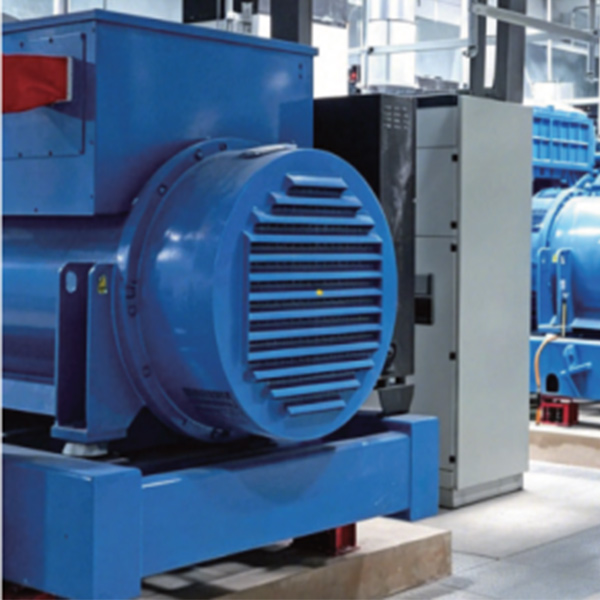
Engine and alternator. Everyone knows names like Cummins, Perkins, MTU, Stamford, Leroy-Somer. Many Chinese generators are assembled using their licensed engines or high-quality analogues such as Weichai, Shangchai, Ricardo. The buyer is now savvy. He asks not “Chinese or not?”, but “which engine, which alternator?” If the specification says “engine, similar to Perkins?”, this requires decoding. Honest suppliers directly indicate the brand and model of the power unit.
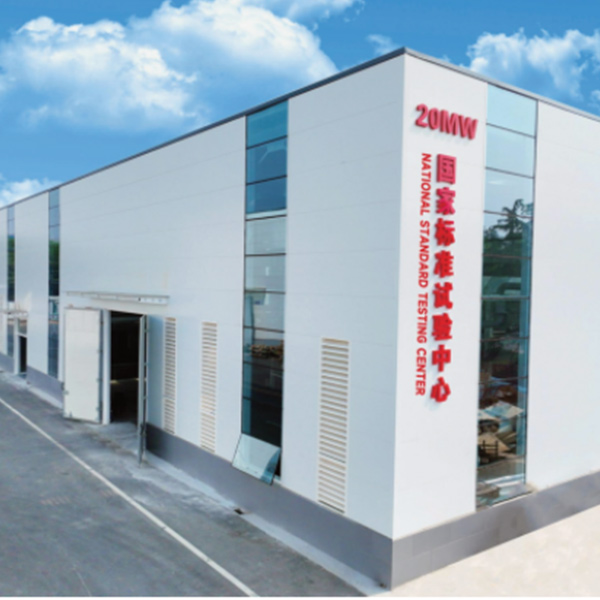
Acquisition and control. A story about “assembling from what was?”. I have seen cases where a good engine, a weak alternator and a primitive control panel were combined in one unit. The generator worked, but the current parameters were unstable for a sensitive load. The buyer finds out about this too late. Therefore, serious players focus on full chain control and load testing before shipment. MentionedYuke Electricin its activities it focuses specifically on technological innovation and custom processing, which, in essence, is the answer to this challenge.
Service and spare parts. This is perhaps the decisive factor in ensuring that the transaction becomes not a one-time deal, but opens up a long-term relationship. Having a service center or well-established spare parts logistics in the buyer’s region is a huge competitive advantage. Without this, even the best generator turns into a headache.
Practical example: when price was not the main thing
I’ll tell you about one project that well illustrates the shift in thinking. There was an order from a network of food distribution centers in Russia. We needed 400 kW backup generators for several facilities. There was a request for proposals. The prices came from the conditional "simple" an importer, from a European brand and from a company with an engineering bent, similar to the Yuke model.
The offer is ?simple? the importer was the cheapest. But the specifications are all “analogues”. and common phrases. Warranty - 1 year, service - “by the customer or calling a specialist from Moscow?”. The European brand is great, but the price is 60-70% higher, and the delivery time is 5-6 months.
The engineering company offered a price 15% higher than the first option. But the specification included a detailed breakdown: a Weichai engine with a specific model, a Stamford alternator, a Deep Sea or ComAp control panel with advanced monitoring functionality. Plus, they immediately offered a layout diagram, noise reduction calculations, adaptation of the casing to low temperatures and, most importantly, an annual service agreement with the engineer on duty in the region. And the delivery time is 10 weeks.
We chose the third option. Why? Because the customer did not consider the cost of the generator, but the cost of the risk of downtime of his distribution center. Potential losses from damage to goods and disruption of logistics many times covered the difference in price. The main buyer in this situation was not the one who was looking for the cheapest, but the one who was looking for the most predictable and safe solution.
Evolution of demand and the future
The market does not stand still. Requests are growing. If earlier the main question was “will it launch?”, now more and more often the question is “how will it work in a digital system?”. Integration into SCADA systems, remote monitoring of parameters, predictive analytics for maintenance - this is no longer exotic.
Suppliers who remain simply “iron sellers” are gradually losing the field. The future belongs to those who, as indicated in the descriptionYuke (Shandong) Electrical Technology Co.,Ltd, combines R&D, technical consulting, supply and construction. The main buyer increasingly comes not for a product, but for competence.
Another trend is hybrid solutions and environmental issues. Demand for gas piston units, biofuel solutions, combinations with solar panels. This is still a niche, but it is emerging. And here, Chinese manufacturers are also actively joining the race, offering technologically advanced and competitive solutions.
So who is the main buyer of Chinese diesel generators? In the end, he is a pragmatic businessman who has overcome the prejudice of “Chinese quality”. and learned to distinguish between those who sell a device and those who sell a working, predictable, serviceable energy solution in the sea of offers. His loyalty goes to the one who fulfills not only the basic, but also related needs: for documents, for consultation, for fast service, for adaptation to the task. Geography is secondary. The primary focus is business logic and risk minimization. This is the field where the real game is taking place today.
-


-
-


WeChat

-
WeChat