
Chinese diesel power plants YaMZ: who is the main buyer?
2026-01-27
I often see the same simplified view in discussions: they say, since these are Chinese diesel power plants on YaMZ engines, it means that they are taken only because of the price, and the client is a small business or remote villages. In reality, everything is much more interesting and not so clear. Price is just a door that people knock on. But who actually comes in and becomes a regular customer - this is where the real work begins, with its pitfalls and unexpected turns.
Not just a “cheap alternative”: a portrait of a real customer
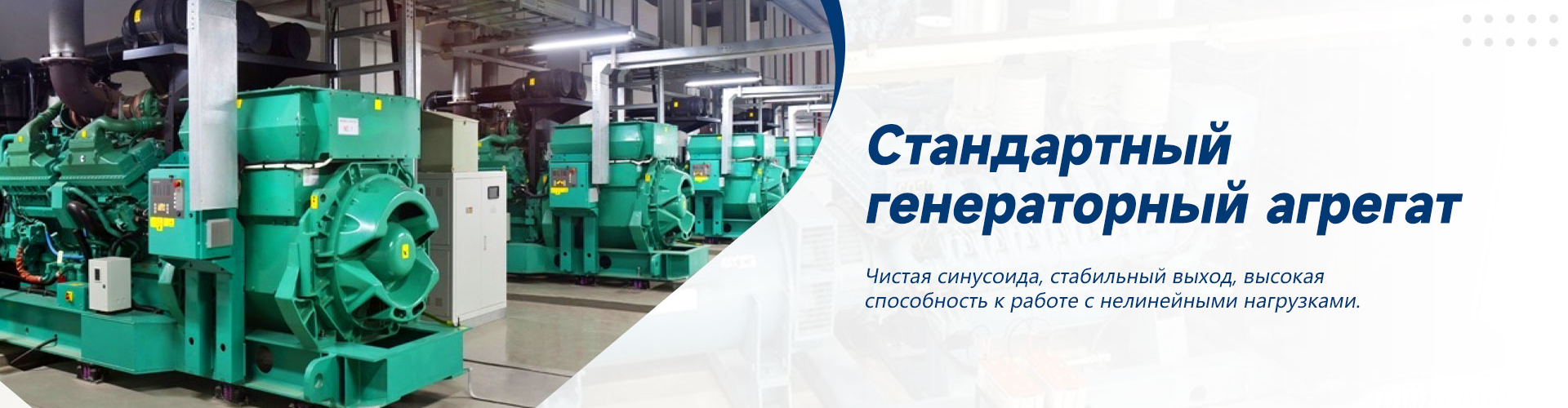
If we discard theoretical calculations and look at real contracts of recent years, the picture becomes clearer. The main buyer is not the one who is looking for “the cheapest thing at once?”. This is usuallyindustrial enterprisesmedium-sized companies that already have a fleet of equipment at YaMZ - dump trucks, loaders, maybe some old agricultural equipment. For them, the key factor is unification. Spare parts, oils, filters, repair skills - everything is already there. Installing a diesel engine on the same engine is a logical solution that reduces maintenance and personnel training costs.
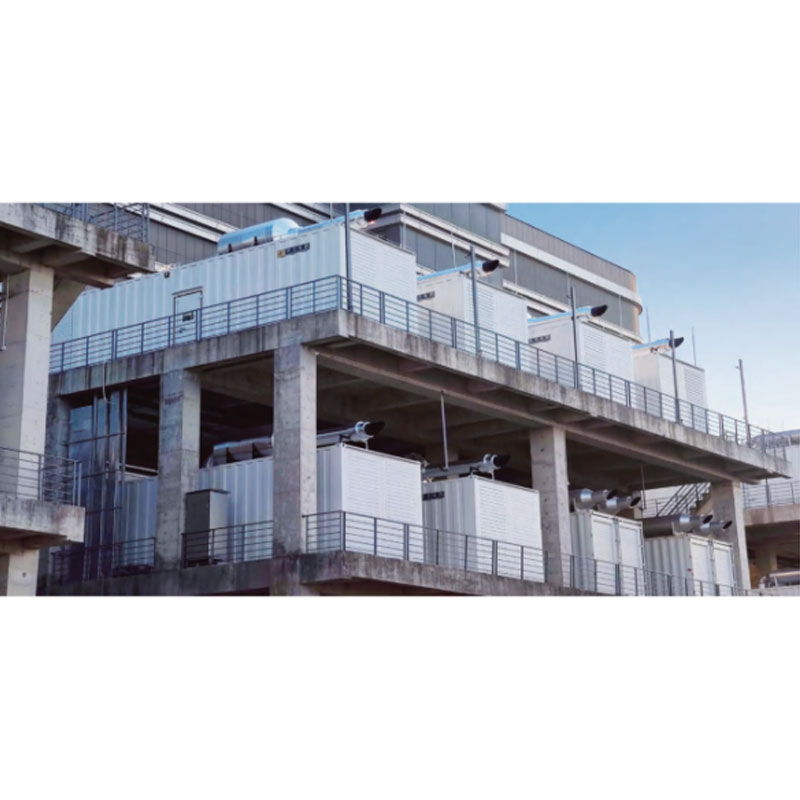
The second large segment is contractors working forlarge infrastructure facilities: construction of roads, pipelines, remote logistics terminals. They often work in tandem: the main energy comes from networks or powerful stationary diesel generator sets, and for auxiliary work, temporary facilities, and perimeter lighting, mobile or container diesel generator sets are used. The reliability of YaMZ for such conditions is a known value, and the Chinese assembly of the unit allows it to fit within the project budget without losing any key parameters.
And here is an important nuance that many people miss. These customers rarely buy ?naked? unit. They are interested in the complex: the diesel power plant itself, perhaps an automatic transfer system (ATS), fuel preparation, a noise-absorbing casing or a container design for specific climatic conditions. That is, they are looking not just for a product, buttechnical solution. Companies that can offer this enter into long-term relationships.
Supplier mistakes and customer pain
I myself have seen how projects were disrupted due to seemingly trifles. One of the main mistakes of new players in this market is a lack of understanding of the difference between the “YaMZ engine?” and an “engine compatible with YaMZ”. The client, especially an experienced technical director, immediately asks: is this an original YaMZ from the Yaroslavl plant, a licensed assembly or a contract one? The resource, availability of specific spare parts (for example, injection pump or turbocharger) and, ultimately, the reputation of the supplier depend on this.
There was a case: we ordered a batch of three 400 kW container diesel power plants for a quarry. The engines were declared as YaMZ-238. They came, launched it - it seems to work. But after 500 operating hours, problems began with the cooling system - overheating. It turned out that the radiator group was designed “back to back”. for rated power, without adequate reserve for operation in dusty conditions at +35. We had to urgently modify it on site and change the fans. The client, of course, was unhappy. We lost not only the profit on this contract, but also potential subsequent ones. Conclusion: you need to sell not passport data, but a unit that is ready for real, not ideal conditions.
Another pain point is documentation and service. They send a catalog in Chinese with a crooked translation, electrical diagrams with inappropriate symbols. For an industrial plant, this is a red flag. Service history, the ability to quickly get advice or a part - this is often more important than a one-time saving of 5-7%.
Who survives in this market? Case Study
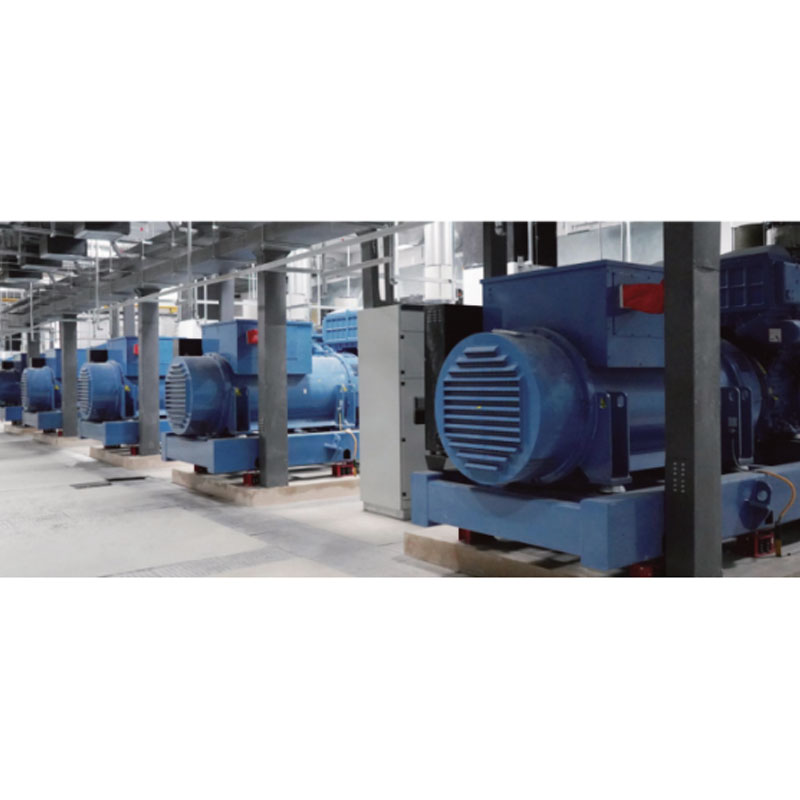
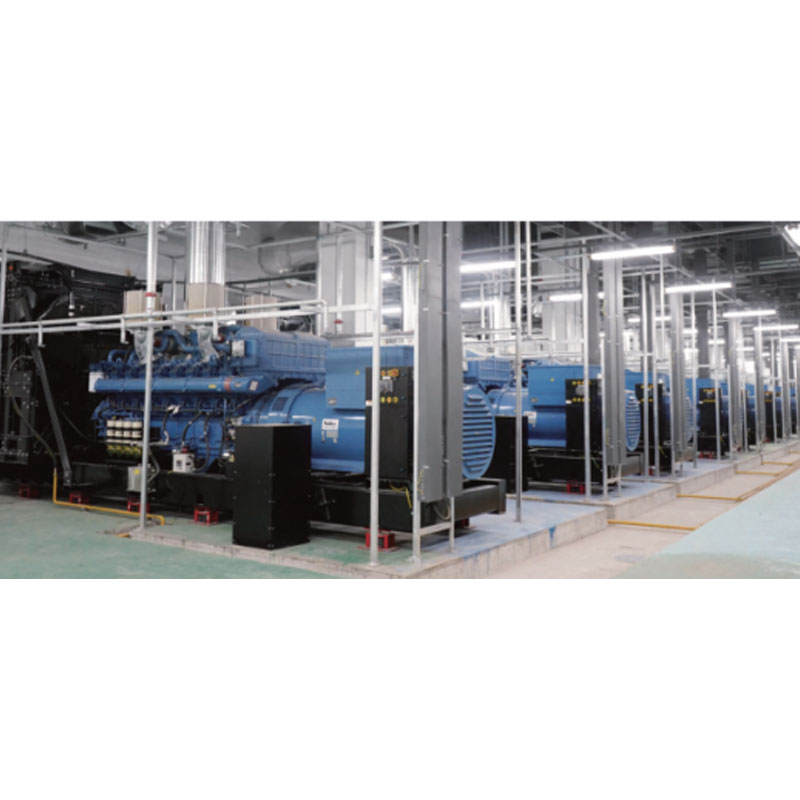
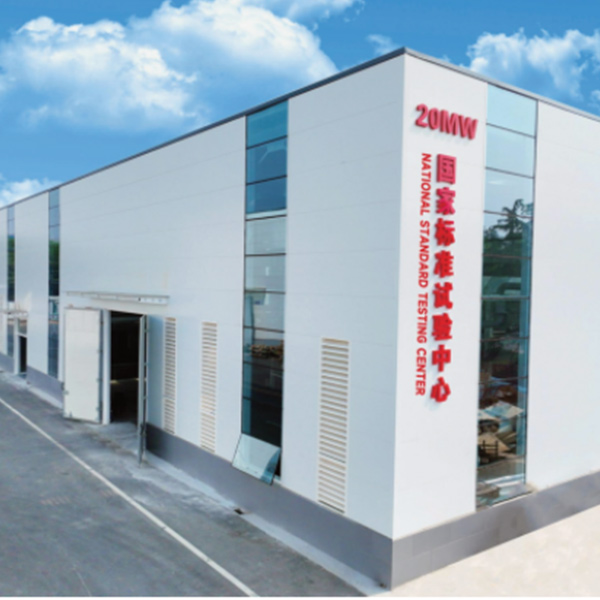
The market for Chinese diesel power plants at YaMZ is a constant “sifting”. Those who survive are those who work not as simple resellers, but as engineering and technical partners. Take, for example, the companyYuke (Shandong) Electrical Technology Co.,Ltd(Yuke Electric). Their websitevoyoko.ru- this is not just a showcase. It is clear that they are driven by the brand and technology. They position themselves not as a “diesel generator supplier”, but as a technology company that combines R&D, technical consulting and engineering.
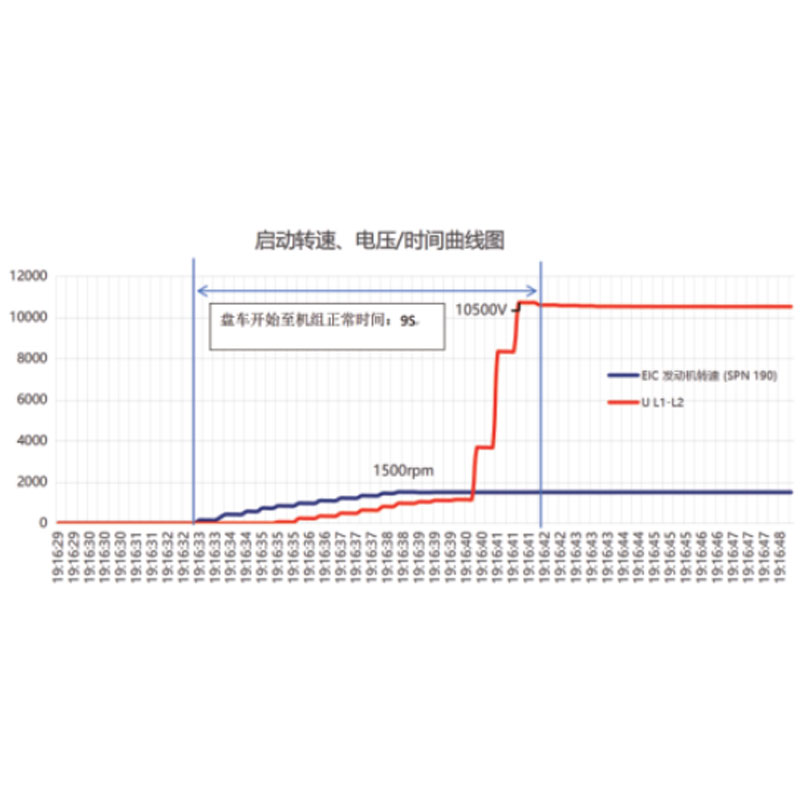
Why is this important? Because this approach just meets the needs of that very “main buyer”. When a customer comes to them with a task: “We need to provide backup power for a pumping station where there are load surges, and place it in a limited space?” — they can offer not a standard unit from the catalog, but design a solution. Perhaps this will be a diesel power plant at YaMZ with special generator characteristics, equipped with a control system that levels out starting currents. This is their statedcore competitiveness— product and technological innovations.
Their background, based on the description, is a team that has been working since 2003. This means that they have gone through several generations of technology, seen typical mistakes and, most likely, have accumulated a base of solutions for different industries: from construction to utilities. For a buyer, such a story is a sign of stability. He understands that in a year he will be able to call the same number and get support for the supplied equipment.
Trends and “undercurrents”
Now I see a shift in demand. Previously, the main thing was kilowatt per ruble. Now they are increasingly asking about the noise level, about the environmental class of the exhaust (the transition to Euro-3/Euro-4 even for industrial diesel power plants is becoming a topic), about the possibility of integration into facility dispatch systems. The client has become more literate.
Another point is hybridization. At remote sites, the options “Diesel power plants + solar panels + batteries” are increasingly being considered, where diesel operates in optimal mode, reducing fuel consumption and wear. And here the diesel power plant at YaMZ, as a well-known and reliable power plant, can become part of such a hybrid system. But for this, the manufacturer or integrator must have competence in the field of alternative energy, and not just diesel engines.
What's next? I think the market will continue to consolidate. Small traders who are only chasing low prices will leave. There will be companies that, likeYuke Electric, rely on comprehensive solutions, a deep understanding of technology and long-term partnerships. Their client is the “main buyer”: demanding, strategically thinking and valuing predictability more than immediate profit.
Instead of a conclusion: not “who?”, but “why?”
So who is the main buyer? Summarizing my experience, I will say this: the main buyer of Chinese diesel power plants at YaMZ is a pragmatic specialist who is responsible for the uninterrupted operation and budget of his enterprise. Its choice is determined not by the country of origin of the assembly, but by a combination of factors: a known and repairable engine platform, adequate build quality of the generator part, technical support and the willingness of the supplier to solve non-standard problems.
He is not just buying a device that generates electricity. He buysminimizing risksdowntime, unification of the fleet and, ultimately, confidence in the future of your production. And if you, as a supplier, can give him this confidence, backing it up with specific engineering competencies and examples of completed projects, then the question is: who is the main buyer? will disappear by itself. It will be you for your market segment. Everything else is just technical details, which, however, as we know, decide everything.
-


-
-


WeChat

-
WeChat