

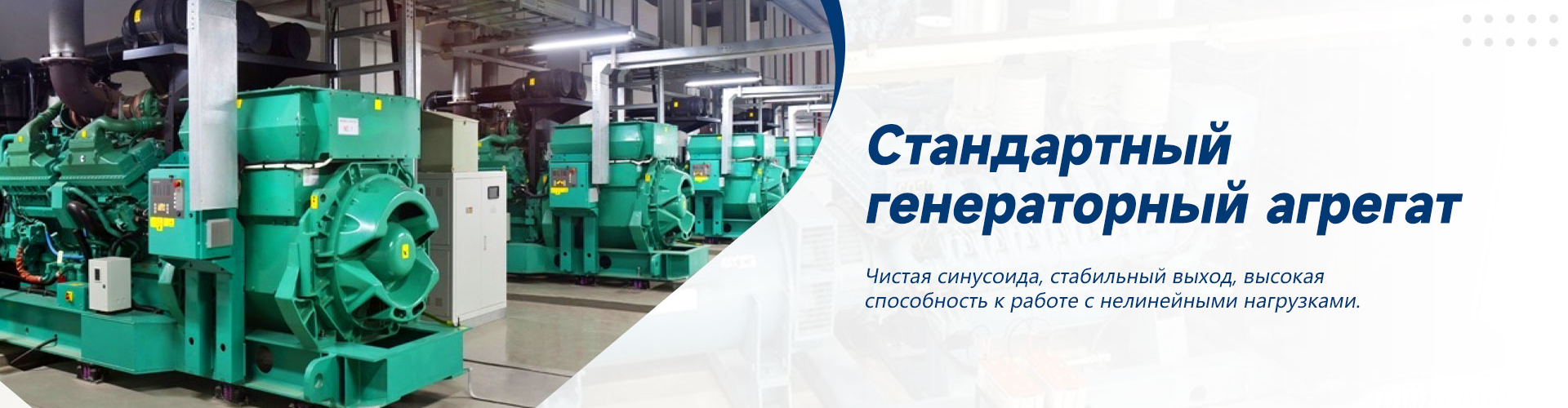
Chinese 150 kW generators: who is the main buyer?
2026-01-24
If you ask many people, they will immediately say: builders, of course. And they will be wrong, or, more precisely, they will greatly understate. Over the years, I have encountered so many times that people confuse the niche. They think that since the power is solid, it means it is suitable for large objects. But the real picture is much more interesting and, often, more prosaic.
Where does this demand even come from?
When we first started working with Chinese power plants, for example, through partners likeYuke (Shandong) Electrical Technology Co.,Ltd, then they themselves focused on the classics. 150 kW is almost 200 hp, a serious unit. It makes sense to take it to construction sites and quarries. But the market quickly put everything in its place.
The first real discovery came with the delivery of a batch of generators for a logistics hub near Rostov. Not for construction, but for backup power supply to refrigerated warehouses and control systems. That’s when I started thinking: the main consumer is not the one who constantly digs, but the one whose business cannot stop for a second. A minute of downtime means direct losses. And here are Chinese units, especially from trusted manufacturers with deep R&D support, like Yuke Electric (their website, by the way,voyoko.rualways on hand to check specifications) turned out to be surprisingly in demand.
Price, of course, is the main trump card. But not the only one. A European analogue of such power can be one and a half to two times more expensive. For a business where the generator is an insurance policy and not the main tool, this difference is decisive. The quality has leveled off dramatically over the past 5-7 years. Not without nuances, but more on that later.
Portrait of the main buyer: not the one you expect
So who is he? I would highlight three key groups. The first is medium and small industrial businesses. Not giants who have their own thermal power plants, but factories, food production facilities, processing lines. They often have an old electrical network, or the power allocated is limited. And there are plans for expansion. So they putgenerator 150 kWas a permanent reserve or even to cover peak loads. I remember we supplied installations for a metal structures workshop in Kazan - they simply couldn’t turn on a new machine without upgrading the network; approvals would have taken a year. We solved the problem with a generator that runs several hours a day.
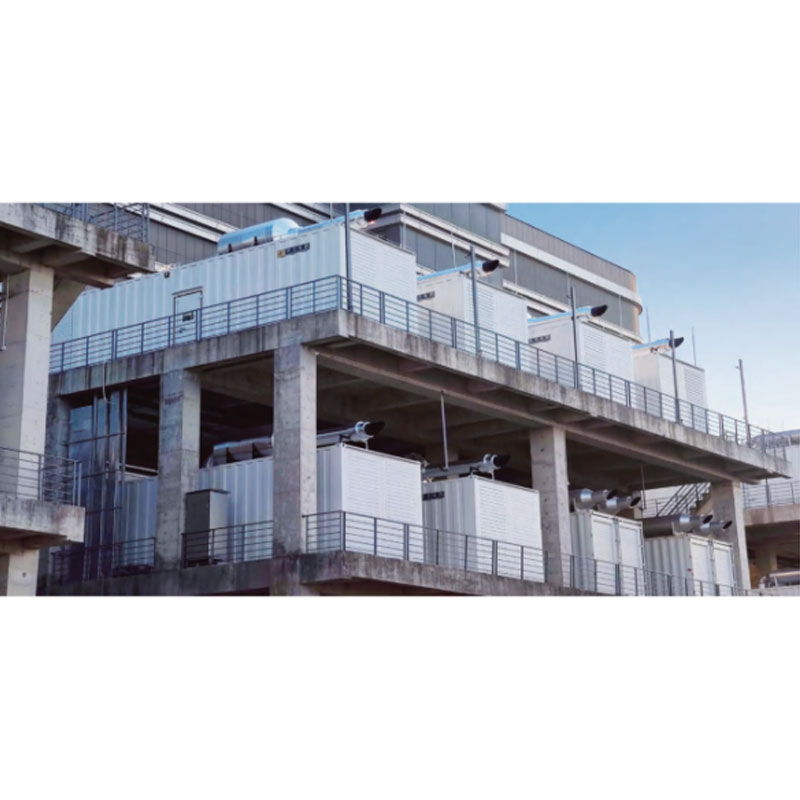
The second group is commercial real estate and infrastructure. Shopping centers, hotels, private clinics, data centers. For them, stopping means a collapse of reputation and fines. What is important here is not only the fact that there is a reserve, but also relative silence (they are looking for models with an improved casing) and starting reliability. This can be difficult, especially with cheap name brands. Therefore, buyers in this category more often contact specialized integrators or directly to reputable manufacturers.
The third, and most unobvious, is agricultural processing and greenhouse complexes. Especially those that work for export or precision logistics. A refrigerator filled with meat or vegetables has stopped working—the entire presentation is lost. A power of 150 kW is just enough to support the critical systems of several hangars or a modern greenhouse. Here the buyer is very down to earth, he counts every ruble, but also considers the risks. Heavy, low-speed diesel models are often chosen, even if they are more expensive in initial cost, but with a service life in mind.
Where do they go wrong when choosing?
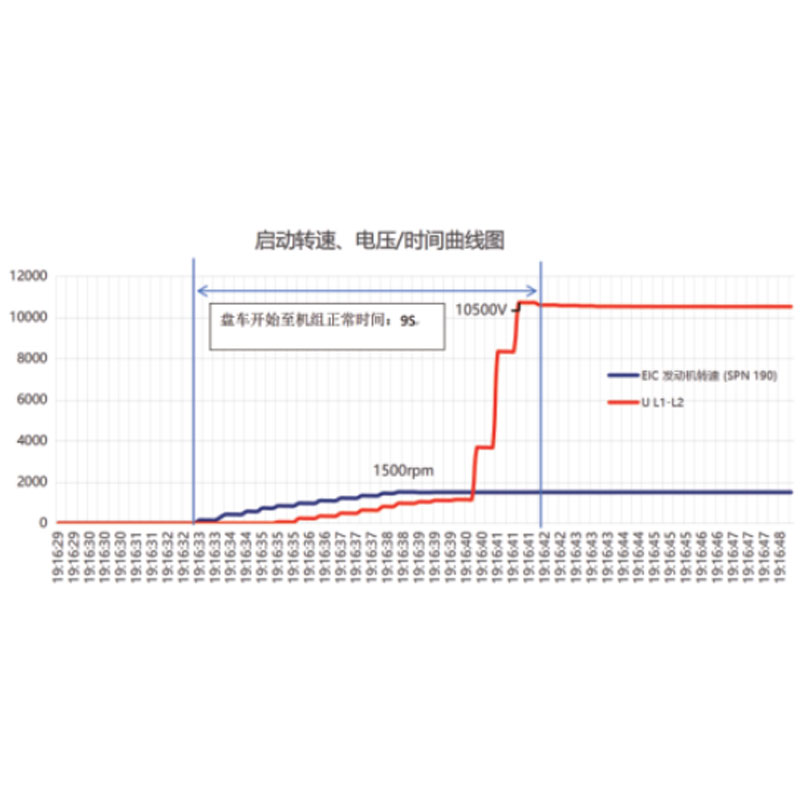
The most common mistake is to chase watts, ignoring the type of load. A 150 kW generator is not 150 kW for any equipment. Starting currents, especially in pumps, compressors, and engines, are killers. I saw a situation where they bought a good unit, but did not take into account the moment of starting the crushing plant. The generator simply went into defense over and over again. I had to install a soft start system, additional costs. Now I always clarify: What exactly will turn on first when the lights go out?
The second is service. Chinese technology has become more reliable, but it will not last forever. And the main question for the buyer: Who will service it in your city? It often turns out that the dealer who sold is located a thousand kilometers away. And local servicemen are afraid to approach the Chinese, there are no spare parts. This is a dead end. Therefore, now, first of all, I recommend looking at the availability of a service network. At the sameYuke Electric LLC, if you take their line, they often have partners in the regions or they promptly supply spare parts. That settles it.
Pitfalls and personal experience
Not everything was smooth sailing. There was a supply for a small plastics factory. The generator worked perfectly for six months, and then the interruptions began. The local electrician shrugged his shoulders. It turned out the problem was fuel. The owner filled it with diesel fuel from a nearby gas station, which was not of the highest quality, plus the tank was not cleaned. The filters became clogged and pressure drops began. Chinese engines, especially modern ones with electronic control, are very sensitive to dirty fuel. I had to teach the client the ABCs of operation. Now I always include a reminder in Russian about fuel and service intervals in the set of documents.
Another point is adaptation to our climate. Standard Chinese equipment is often designed for milder winters. The battery is weak, preheating may be an option. If the buyer from Siberia has not specified this point, the very first winter becomes a problem. We have to staff it on site. This is extra hassle, but if you warn, the client is only grateful.
Why exactly 150 kW, and not more or less?
This, one might say, is the golden mean. Smaller capacities are already a mass segment for small businesses and private owners, there is fierce competition, there is a lot of outright rubbish. More powerful - there are different money, different requirements, and the buyer more often looks towards European or American brands, if the budget allows.
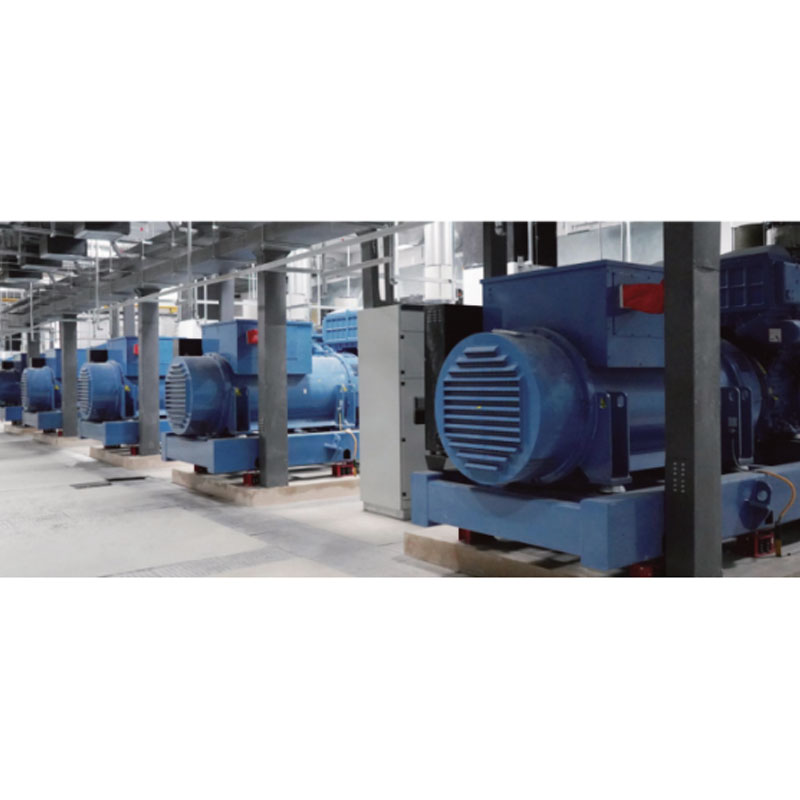
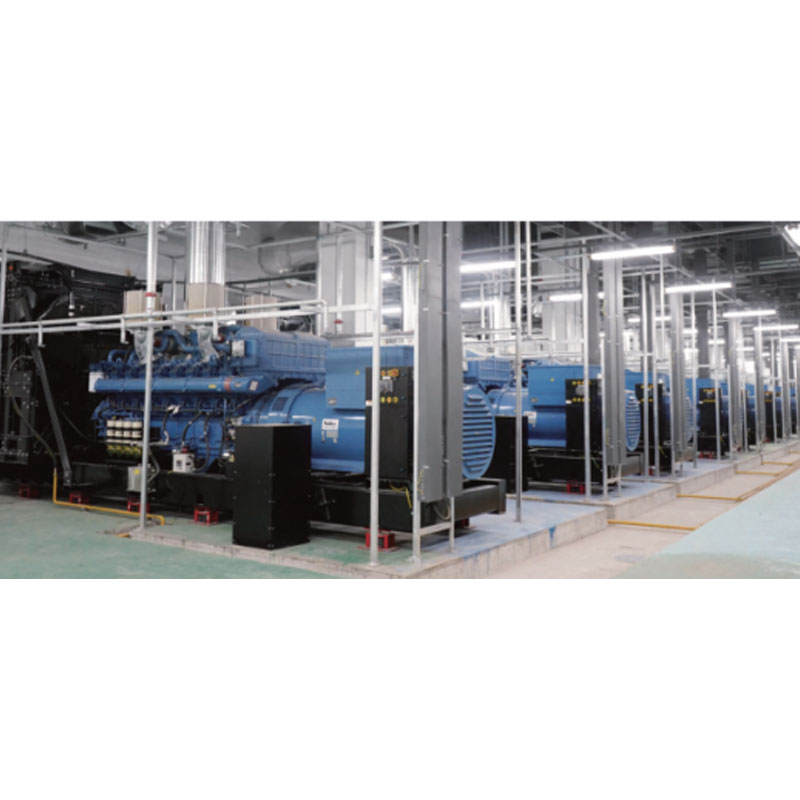
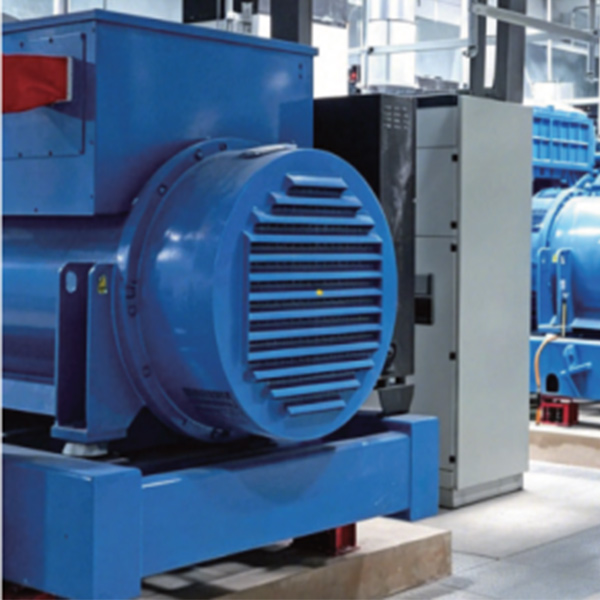
150 kW is the point where serious industry begins, but investments are not yet prohibitive. For this money you can get a high-quality unit with a Weichai, Yuchai or Cummins engine (Chinese assembly), with a Leroy Somer or Marathon alternator (often also locally produced), in an all-weather casing. Enough to be a workhorse and not a crutch. And the main buyers, as can be seen from practice, are pragmatic business owners who consider not only the cost of purchase, but also the cost of ownership. They have already passed the stage of cheap one-time generators and are looking for a reliable solution. And they are increasingly finding it among Chinese manufacturers, who, likeYuke Electrical Technology, grew up from engineering teams and understand that they are not selling hardware, but energy security.
So, returning to the title question: the main buyer is not the abstract construction sector. This is a specific factory director, warehouse owner or clinic manager who once calculated the risks and now sleeps more peacefully. And his choice increasingly falls on this very golden mean of 150 kilowatts.
-


-
-


WeChat

-
WeChat