

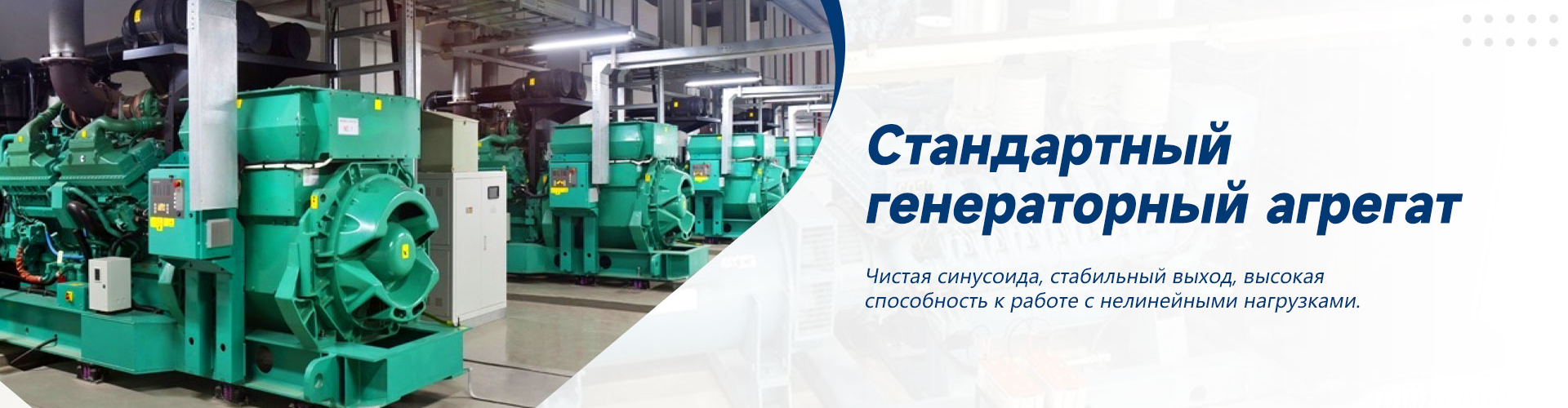
Is China the main buyer of generators?
2026-01-03
I often see this question in analytics and from colleagues. I’ll say right away that the question is not posed entirely correctly, or rather, incompletely. If we talk about net purchases of finished units, then perhaps not. But if you look at it as the largest sales marketgenerator equipment, components and, more importantly, technological solutions for their production - then the answer will be much closer to “yes?”. It's just that the picture is more complicated than it seems on the import graphs.
Where do the legs of a myth come from?
Many, looking at production volumes in China, draw a simple conclusion: since they make so much, it means they have nothing to buy. This is the first mistake. The Chinese market is not one monolith, but a layer cake. There are gigantic government projects (such as the Belt and Road Initiative) that require powerful industrial installations, often on special order. They can be made domestically, but key components - engines, control systems - are often imported. And there are small and medium-sized businesses, municipalities, construction sites - this is their massive demand and creates a huge volume.
About five years ago, I myself participated in a tender for the supply of diesel generators for a chain of small hotels in Yunnan province. The local manufacturer won on price, but when problems with the automation began, it turned out that the controllers were German and the engine was licensed. That is, formally, a Chinese purchase of a Chinese generator. In fact, the money was spent on European and Japanese technologies. This is a typical situation.
Another nuance is the upgrade. Factories built 10-15 years ago are now massively modernizing their fleet. It is not always profitable to buy a new unit. It is often cheaper and more efficient to purchase a ?heart? - a new engine or alternator - and built into the old frame. And this market for components and engineering services is colossal. Here it is no longer just a “buyer”, but a “buyer-integrator”.
What they actually buy: breakdown by bone
If we discard the general figures, the picture becomes clearer. China purchases huge quantities of:
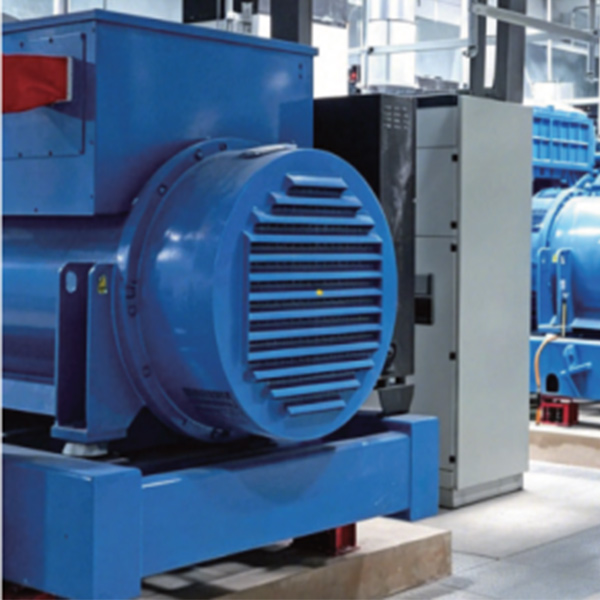
1. High-torque motors for megawatt stations. There are some, but for critical facilities (airports, data centers) trust in brands like MTU, Cummins, Perkins is still higher.
2. Specialized power electronics. Parallel operation systems, intelligent control panels. Here the leaders are again non-Chinese.
3. Accessories for "green" energy - for example, equipment for biogas generators. European experience is in demand here.
At the same time, China has become the largest exporter of finished gasoline and small diesel generators. Paradox? No. This is a classic scheme: we purchase high-tech components, add our own high-quality manufacturing (frames, tanks, harness) and competitive logistics - and sell the finished product all over the world, including Africa and Southeast Asia. So he is both a buyer and a seller, just at different stages of the chain.
Case study: when the specification is everything
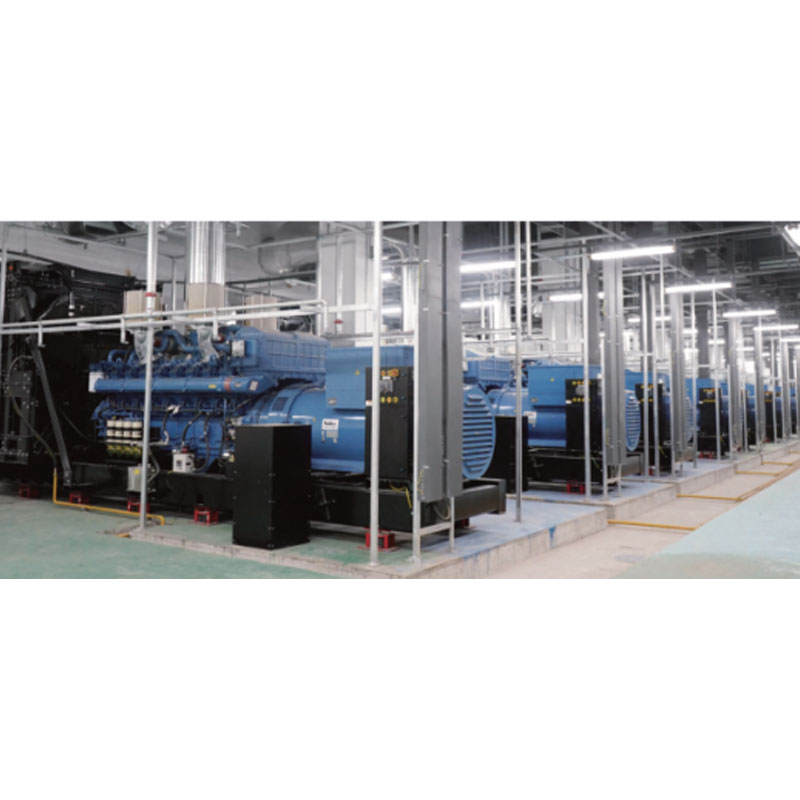
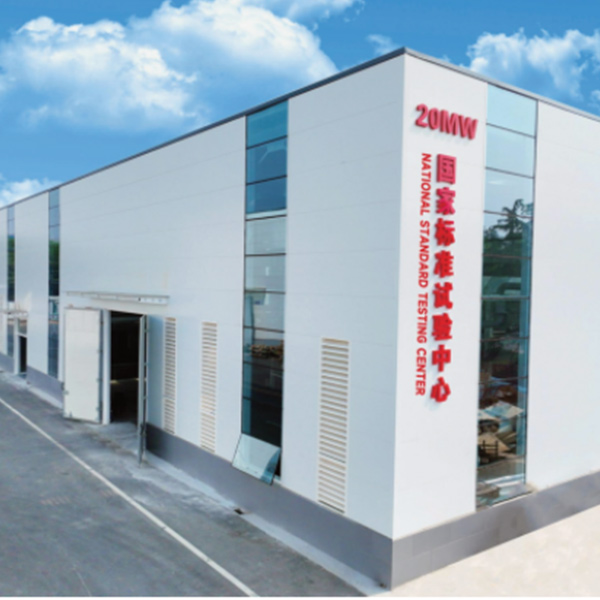
We had a project for a quarry developer in Shandong. A powerful diesel power plant was needed for temporary power. The Chinese contractor insisted on a local brand. But the terms of reference included strict conditions regarding uninterrupted operation time at peak load and remote monitoring. Local manufacturers offered either inflated parameters “on paper” or a control system with reduced functionality. As a result, the hybrid scheme won: Volvo Penta engine (Sweden), Leroy-Somer alternator (France), and assembly, frame and primary integration -power plant- were made locally in China by a company with good engineering experience, such asYuke (Shandong) Electrical Technology Co.,Ltd. They are just like that - they started with R&D and technical consulting, and now they do a full cycle for complex tasks. Without such a partner on the ground, the project would have stalled.
The role of engineering and the “hidden” demand
This is perhaps the most important point that statistics miss. China today is not a passive buyer of generator boxes. This is an active buyer of solutions. They need not just kilowatts, but, for example, a cogeneration system for a plant that recovers heat from exhaust. Or a hybrid solar-diesel installation for a remote base.
Companies that understand this win contracts. The sameYuke Electric LLC(YuKe Electric), judging by their portfolio, built a business on exactly this: not just selling “hardware,” but research and development for a specific customer, then delivery, construction and service. In their case, the DEVER brand, with which they started in 2003, apparently became the technological core. This approach creates a ?hidden? demand: the client comes for a solution, and his estimate includes the purchase of very specific, often customized equipment. And this equipment may have international content.
I somehow failed with the proposal of standard power plants for the modernization of a textile mill. We came and looked - they needed not just backup power, but frequency stabilization for sensitive imported equipment and connection with the existing boiler house. Our standard proposal was put on the table. The winner was a local engineering firm that assembled a puzzle from an imported controller, a Chinese generator with modified windings and a heat recovery system.
The future: from buyer to co-developer
The trend of the last 2-3 years is no longer just the purchase of licenses or components. Chinese companies are increasingly acting as equal partners in the development of new models, especially those aimed at the Southeast Asian and BRICS markets. They say: “We have an understanding of local requirements (dust, humidity, fuel quality) and cost-effective production. Let's make a line together, and you will supply the “brains”, and we will supply the “body” and access to your sales market.
This is the next level. Question ?main buyer?? transforms into “the main partner in creating products for growing markets?”. And in this sense, his role becomes absolutely central. Demand is shifting from goods to competences. And those who sell not just generators, but technological platforms for their creation, are winners.
Therefore, returning to the title question. If we speak in the language of the old market, maybe not the main one. But if you look at the market of today and tomorrow, where value is created in the chain and not in the warehouse, then China is a key node in the global network of supply and demand for generator solutions. Not taking this into account means working with yesterday's statistics.
-


-
-


WeChat

-
WeChat