

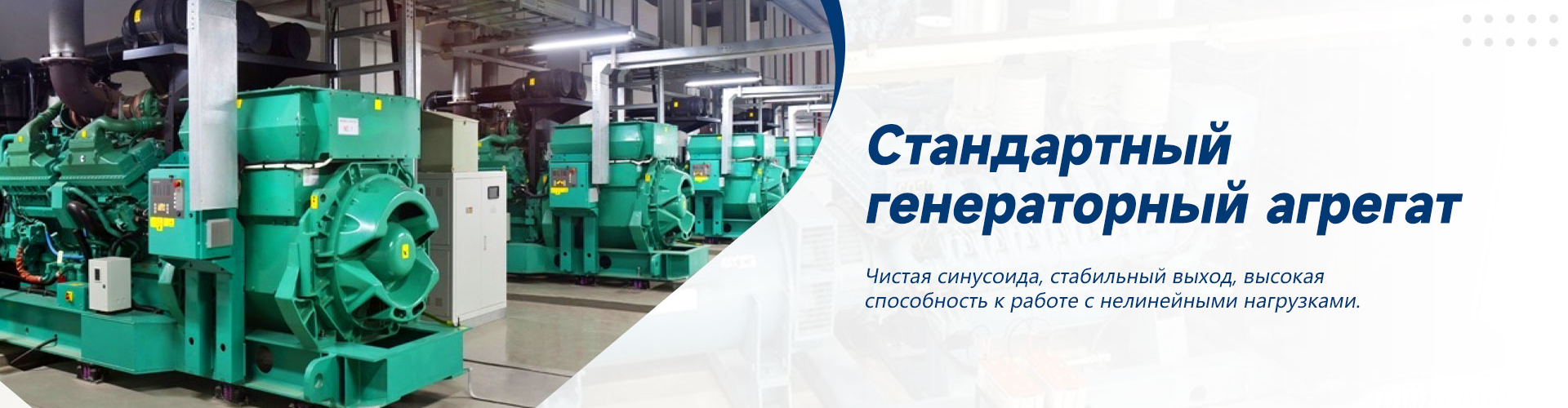
Is China the main buyer of generator engines?
2026-01-06
I often see this question in discussions, and it always makes me smile a little. The wording ?main buyer? - She’s so... one-sided. It immediately paints an image of a bottomless market, which does nothing but absorb tons of equipment. In reality, everything is more complicated and, to be honest, more interesting. Yes, China is a colossal consumer, but its role has long ceased to be passive. He is not just a “buyer”, he is a key player shaping demand, standards and often the technologies themselves in the power equipment segment. My experience of working with supplies and projects in the energy sector says that the question needs to be posed differently: not “is China buying?”, but “what, how and why exactly is China buying?” And this is where the fun begins.
From ?iron? to “solutions”: how demand has changed
Previously, about ten years ago, everything was relatively simple. The request from China often sounded like “we need a diesel generator of such and such power, preferably of European assembly?”. The emphasis was on basic parameters and, frankly, on price. Now requests have transformed beyond recognition. Now it's rarely about an individualgenerator engine. This is about integrated energy solutions: hybrid systems, integration with renewable energy sources, smart load management, remote monitoring and predictive service.
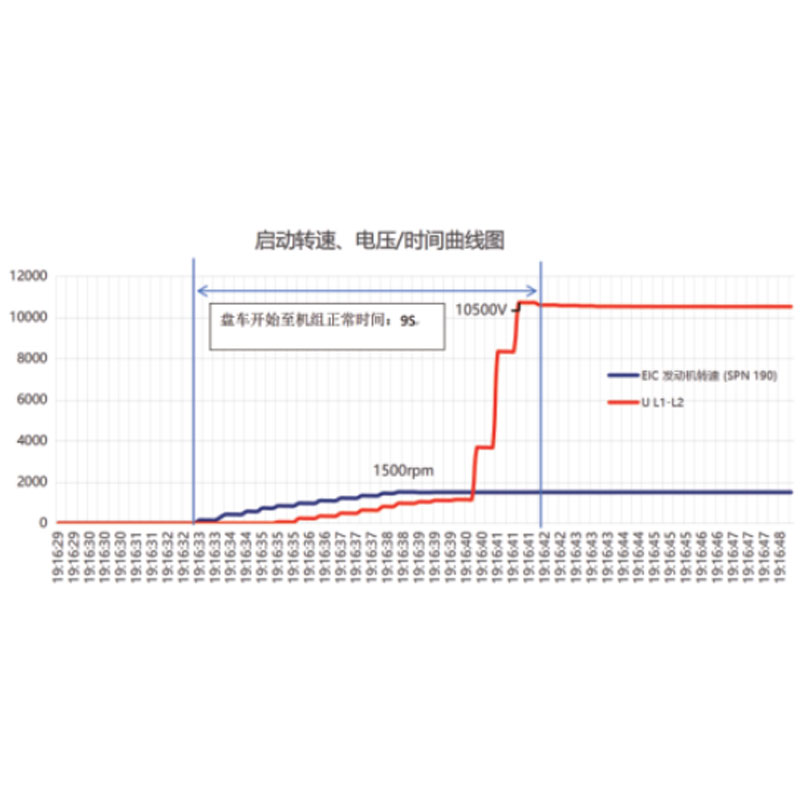
I remember one project for a logistics hub in Shandong province. The client initially wanted to simply replace the old units with new ones of similar power. But after a joint audit with engineers, it turned out that their peak loads are short-term, and background energy consumption can be partially covered by solar panels installed on the roof. As a result, instead of a direct replacement, they designed a system where newgenerator setswork in tandem with an energy storage system (ESS) and existing solar generation. The engines were taken with improved characteristics in terms of speed at which they reach the operating mode and flexibility of regulation. The key was not the engine itself, but the algorithm that controls this entire economy.
This case is not an exception, but a trend. The Chinese market is moving from the purchase of equipment to the purchase of technologies and intelligent services. A manufacturer that simply offers hardware, even very high-quality ones, is already losing to those who can offer a digital shell and a long-term service contract. This shifts the focus from price per kilowatt to life cycle cost and overall system efficiency.
Localization and “double circulation”: barrier or opportunity?
Here lies one of the main nuances for foreign suppliers. “Double circulation” policy and total support for production localization is a reality. Many people think that this closes the market. Partly yes, for mass, standard positions. But it opens up to complex, high-tech solutions and know-how.
For example, we are seeing a steady demand for high-speed engines for gas piston power plants (GPU) of low and medium power, where the requirements for efficiency and environmental standards are stricter than the industry average. Completely localizing their production while maintaining all parameters is a task that will take more than one year. Therefore, Chinese power equipment manufacturers often take the partnership route: they purchase key components, such asmotor generatorsor control systems, and the final assembly, adaptation and integration are performed locally.
Companies that have understood this are actively developing not just distribution, but technical support and joint engineering centers. Take, for example,Yuke Electrical Technology Co., Ltd. (Shandong). Studying their approach on the sitevoyoko.ru, it is clear that they build their activities precisely around this model: not just the sale of a “ship”, but research and development, technical consulting and engineering for a specific project. Their history, dating back to 2003 with the DEVER Electric Energy Technology team, shows an evolution from manufacturer to technology partner. For a foreign engine supplier, an alliance with such a company is often a more efficient route to market than selling directly to the end user.
Project specifics: where do they look for “non-standard”?
The mass market is gradually becoming saturated with local players. But there are niches where Chinese customers are still actively looking for foreign solutions. These are, first of all, facilities with special requirements: ultra-reliable power supply for data processing centers (DPCs), oil and gas industry facilities in difficult climatic conditions, specialized transport (for example, mining dump trucks with a hybrid power plant), as well as “green” projects. energy.
We had experience in supplying engines for biogas stations. Modifications were required that were resistant to aggressive impurities in biogas (high hydrogen sulfide content, organosilicon compounds). Standard offers from local factories did not pass through the resource. I had to delve deeply into the specifications of materials, coatings, and the fuel preparation system. Interestingly, the Chinese engineers on the customer’s side were well aware of the problem and initially counted on a non-standard solution. Their main question was not “how much does it cost?”, but “what is the guaranteed service life under these conditions and do you have any references?” This is an indicator of market maturity.
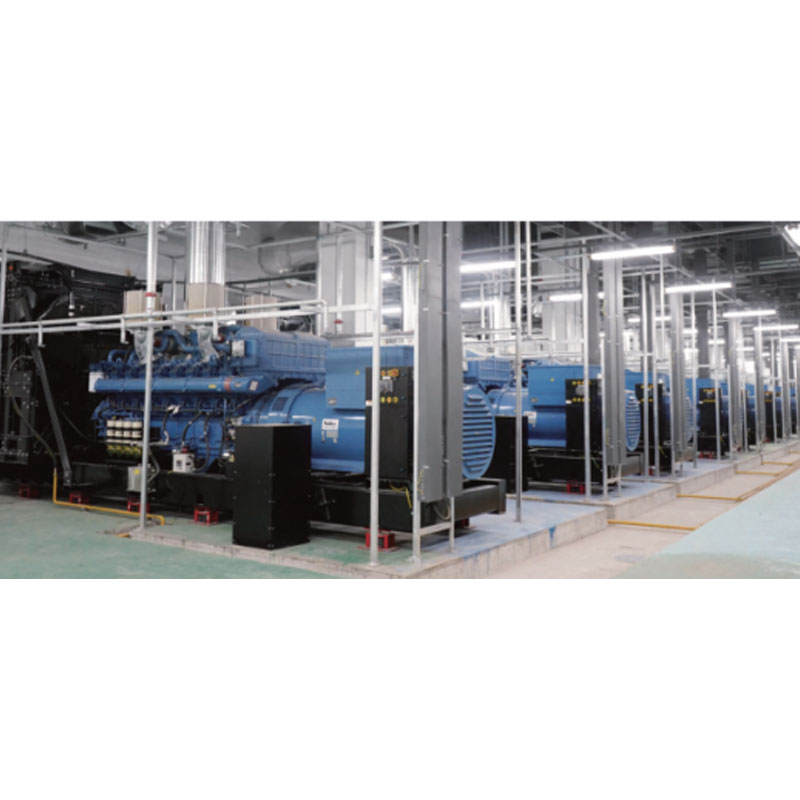
Another growing segment is mobile and containerized power plants for Belt and Road projects. in third countries. Chinese contractors building projects in Africa or Central Asia often prefer to use power equipment with global service support or a proven track record of operating in harsh conditions. Here again, proven ones are in demanddiesel generator setswith a global service network, even if they are assembled in China.
Supply chain and logistics ?rake?
When talking about shopping, we cannot ignore practical issues. Even with a perfectly suitable product, the project can fail at the logistics and customs clearance stage. China is no longer a country where you can bring just anything. Requirements for certification and environmental regulations (especially in developed coastal regions and megacities) are changing rapidly.
One of the common mistakes is underestimating the need for local testing and obtaining Chinese certificates, even if there are European or American ones. For example, for gas engines, a CQC certificate or compliance with GB standards may be mandatory. The process is slow and requires close cooperation with a local partner, who will take care of communication with certification bodies.
In addition, the importance of having spare parts warehouses in China has increased. Warranty obligations specified in the contract are one thing. But the actual speed of reaction to a breakdown is completely different. A customer whose plant may be idle due to the lack of some injector, expected two weeks from Europe, will no longer work with such a supplier. Localization of a spare parts warehouse is no longer a competitive advantage, but a necessity for a serious game.
Bottom line: not a buyer, but a demand architect
So is China the main buyer? If you just count by volume, then probably yes. But such an assessment will be superficial. Today, China is the main architect of demand in this segment. It sets trends for digitalization, hybridization, and “greenness.” It splits the market into a highly competitive mass segment (where local players dominate) and a niche high-tech segment (where there are opportunities for foreign companies with deep expertise).
Success here depends not on aggressive sales, but on the readiness for deep cooperation, flexibility in creating solutions for specific tasks (as, by the way,Yuke Electric, positioning itself as an innovative full-cycle technological enterprise) and understanding that it is no longer the device that is being sold, but the value in the form of reliability, efficiency and intelligent service.
Therefore, returning to the main question: yes, he buys a lot. But it does this more and more selectively and complexly. And this is perhaps the healthiest sign for any market. For us, practitioners, this means that we need to think less about “selling to China?” and more about “cooperation with Chinese partners?” to create final value. This, in my opinion, is the correct answer.
-


-
-


WeChat

-
WeChat