

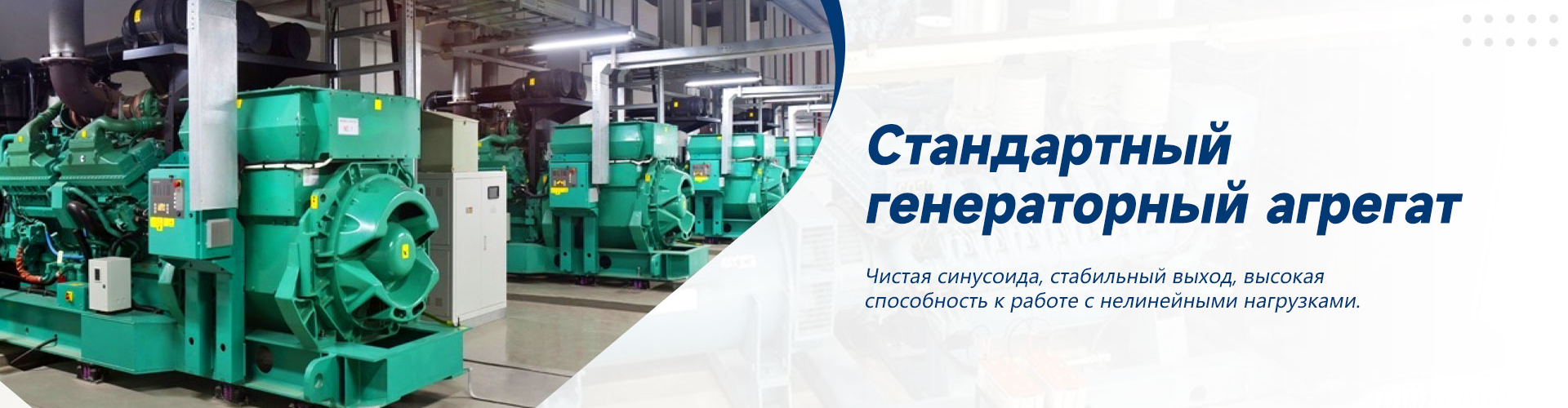
Is China the main buyer of generators?
2026-01-12
I hear this question often, and it always makes me chuckle. Many people imagine just a gigantic sales market, where everything is transported and transported. In reality, everything is more complicated. Yes, China is a huge consumer, but the word “main”? may be misleading. This is not just a country that is passively buying. This is an active, discerning and often very specific customer, especially when it comes to industrial generator sets. And if we talk about “purchase”, then you need to understand why? For infrastructure megaprojects? For backup power for growing data centers? Or, perhaps, to provide energy to remote industrial facilities? Context is everything.
From ?just power? to integrated solutions
Previously, about ten years ago, a request from China often sounded like this: “We need a 2 MW diesel generator.” Price?? Now this dialogue begins differently. The focus has shifted from kilowatts to kilowatt-hours, to overall system reliability, integration with renewable sources, and smart load management. They are buying not just “hardware,” but energy security and predictability.
I remember one tender for a site in Shandong province. The client needed not just a backup power plant, but a system capable of operating in parallel with a local biogas mini-grid and performing the functions of a peaking power plant. Standard offers with ready-made models didn’t work. The winning solution was where the engineers sat down and literally re-designed the control system, taking into account the specifics of local fuel and load schedules. It was no longer a product, but a technological service.
It is in such niches that companies likeYuke (Shandong) Electrical Technology Co.,Ltd. Looked at their websitevoyoko.ru- it is clear that they position themselves not as simple sellers, but as an innovative enterprise that combines R&D and engineering. This is exactly the profile that is now in demand: the ability not to supply a box with equipment, but to solve a complex problem of power supply. Their background, coming from DEVER Electric since 2003, confirms this - they have experience behind them that allows them to speak the same language with technical directors of Chinese enterprises.
The trap of ?government procurement? and real business
When they talk about the “main buyer”, many people immediately think about government contracts: airports, railways, public hospitals. Yes, the volumes there are colossal, but this is a separate universe with its own logic, long cycles and strict localization specifics. It’s almost impossible for a beginner to get there.
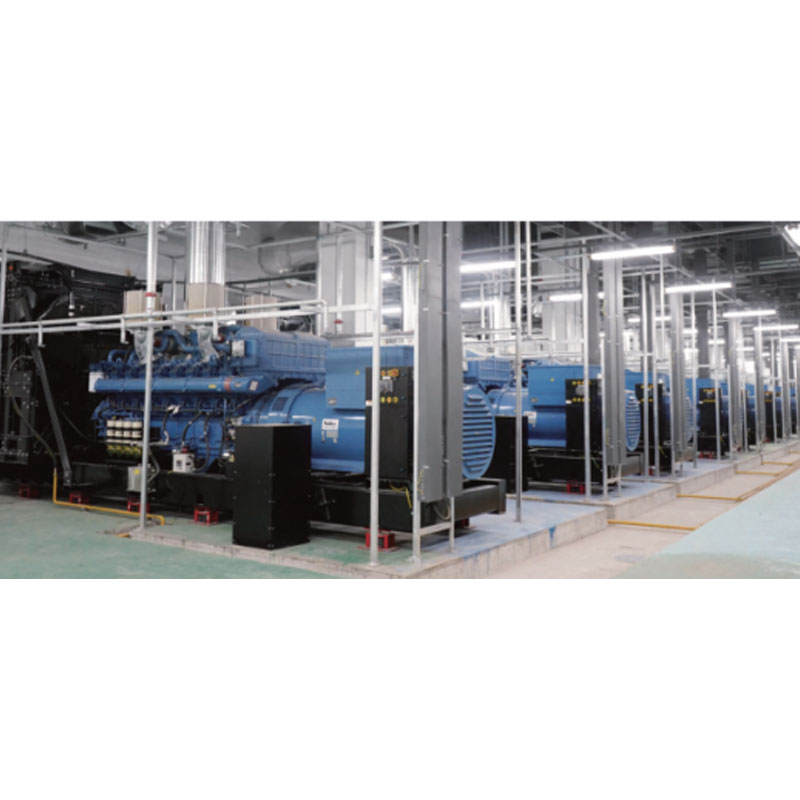
Much more interesting, in my opinion, is the private sector and fast-growing industries. The same e-commerce, giant logistics hubs Alibaba or JD.com. Their data centers cannot afford even a second of downtime. For them, the generator is the last line of defense, and they are willing to pay for absolute reliability and speed of commissioning. Here, the requirements for equipment are sometimes even higher than in the public sector, because every minute of downtime means direct multimillion-dollar losses.
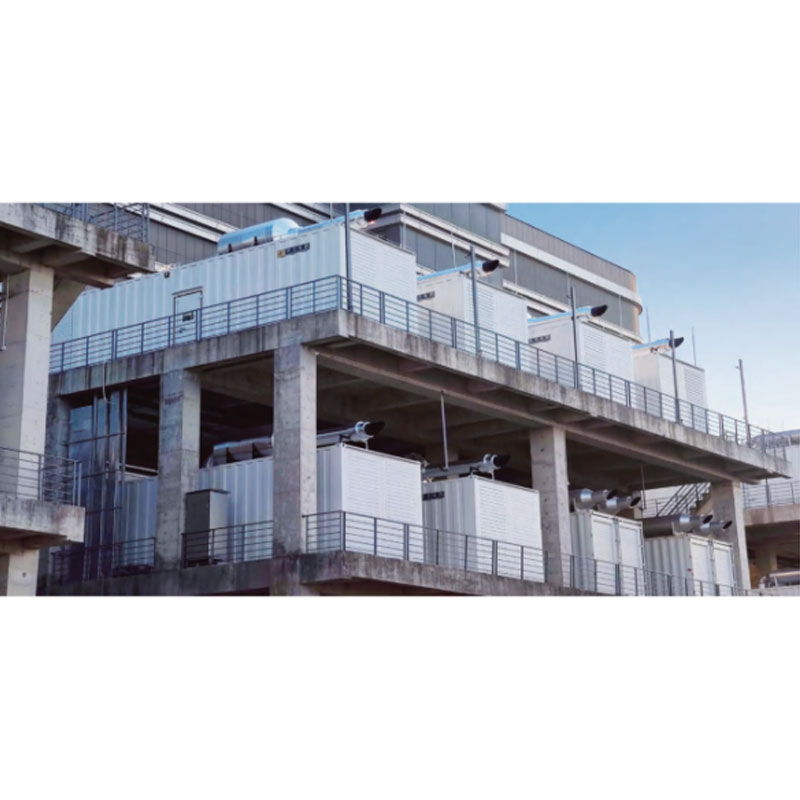
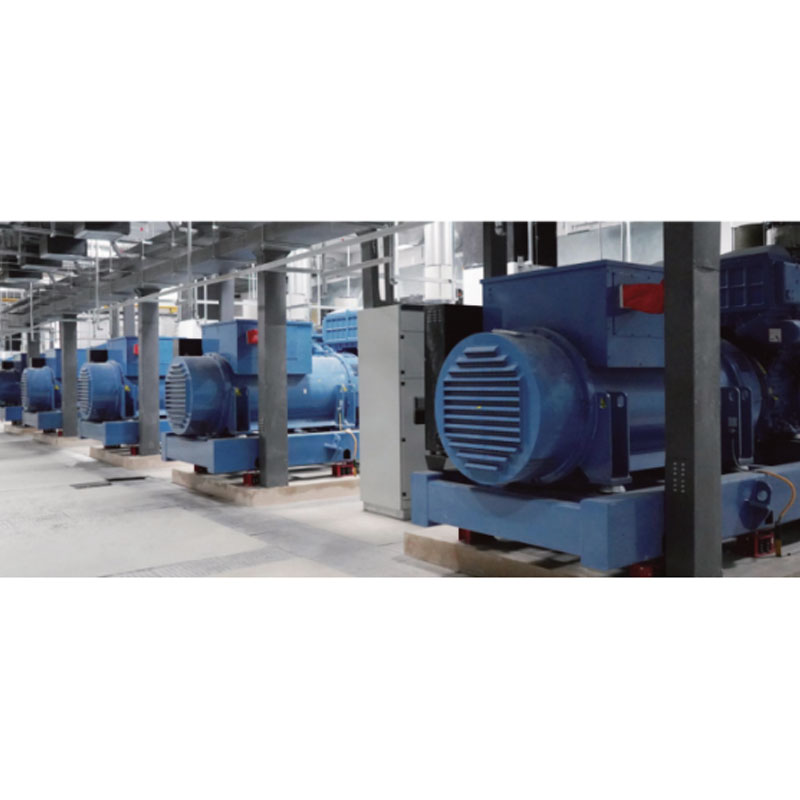
We had experience in supplying one such data center. It would seem that everything has been calculated: fuel systems, cooling systems, container design. But the main problem turned out to be... vibration. The equipment passed all factory tests, but at the site, on a special foundation, a resonant frequency arose that the standard dampers could not dampen. We had to urgently call acoustics specialists and modify it on the spot. This is the case when theory collided with the practice of builders who “saved” a little. on the foundation project. The client was shocked, and so were we. But in the end we decided together.
More than just imports: a growing domestic forge
This is the key point that everyone misses. China not only buys, it also produces. And a lot. From simple gasoline generators for home to powerful turbine units. Therefore, the question is “main buyer?” need to be divided into two: for which segment?
For standard low and medium power solutions, the domestic market is almost saturated with local players. Their products are competitively priced and tailored to local conditions. Importing here only makes sense for very niche or premium brands.
But when it comes to high-tech solutions, gas piston units for cogeneration with high efficiency, special designs for Arctic conditions, or systems operating on specific associated gas - this is where Chinese companies are actively looking for partners or technologies abroad. They can buy a license, set up joint production, or purchase a batch “for disassembly”. The goal is not constant import, but the acquisition of competencies. These are strategic purchases.
Companies that understand this build long-term relationships. Like the sameYuke Electric, judging by their description. They rely on product and technological innovation as their core competitiveness. This is the right position to play in such a market. Simply bringing and selling a finished unit is a road to nowhere. And to offer joint development, adaptation, technology consulting - this is a different level of trust and a different scale of business.
Logistics, service and the last mile
Any story about supplies to China comes down to two words: logistics and certification. You can make the perfect car, but if you haven’t passed the Chinese CCC (China Compulsory Certification) or haven’t figured out the intricacies of customs clearance of components, your project is doomed.
One of our contracts almost fell through because of a seemingly trivial matter: the color of the wires in the control cables did not meet local standards. For the inspector at the receiving plant, this was important. I had to urgently look for a local contractor for reconnection. Trifle? Yes. But it is precisely these little things that make up the reputation of an “unreliable supplier”.
And service. Chinese customers are increasingly demanding not just a guarantee, but a full maintenance contract with clear SLAs (service level agreements), with a spare parts warehouse in the province and an engineer onsite within a maximum of 4 hours. Organizing such a network is a task of enormous complexity and cost. Many Western brands partner with local companies that already have infrastructure and teams. This, in fact, becomes the main competitive advantage after the product itself.
So who's in charge?
I return to the initial question. Is China the world's top generator buyer? In terms of gross volume, probably yes. But this is too simplistic a picture.
He is the main buyer of certain technologies, complex engineering solutions and competencies. It is one of the most demanding and demanding markets, where they value not so much the brand name as the real ability to solve a problem here and now, taking into account local specifics.
The market has matured. The era of simple sales is over. Now is the time for those who can be not just a supplier, but a technology partner. Just like the story with that data center or the biogas station. Success comes to those who are willing to dive into the details, who can customize a control system, who understand the importance of wire color, and who build a service network, not just a warehouse.
Therefore, if we talk about the “main buyer”, then this is the buyer who himself teaches suppliers to be more flexible, smarter and closer to real tasks. And in this sense, China is certainly one of the key drivers of development for the entire energy equipment industry. He doesn’t just consume - he sets trends and the level of complexity. And you need to be able to adapt to this challenge.
-


-
-


WeChat

-
WeChat