

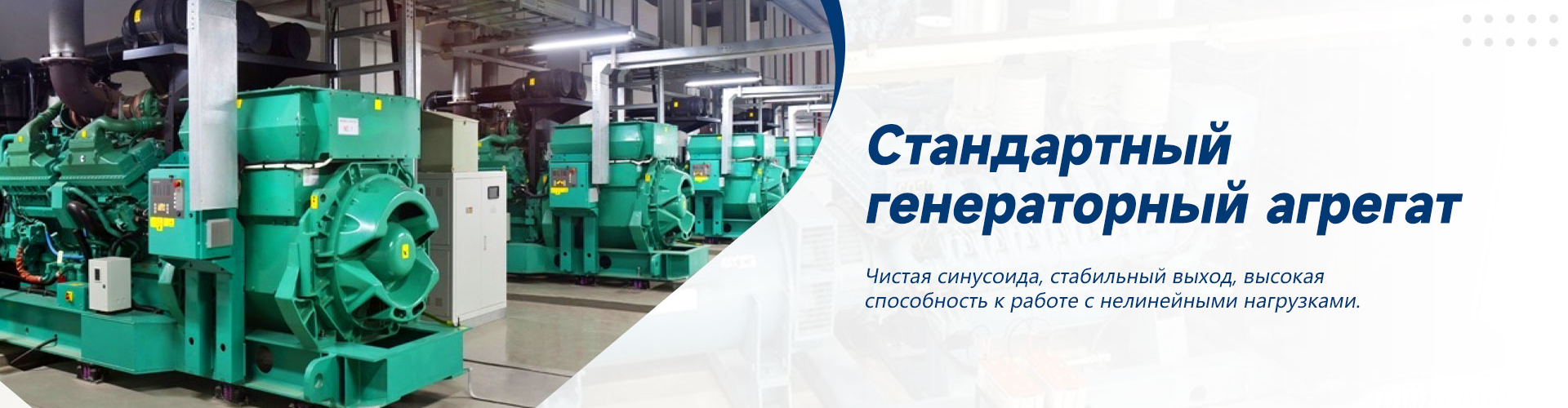
China: the main buyer of 500 kW diesel power plants?
2026-01-31
The question in the title sounds like a typical search engine query, but the answer is not as clear as it seems. Many people immediately think about large-scale construction projects or mines where large power is needed. But in practice, if we talk specifically aboutdiesel power plants 500 kWas a separate, clearly defined niche, the picture becomes more interesting and a little different. The overall size of the diesel generator market in China is often confused with the specific demand for units of this particular power. Yes, China is a huge consumer, but is it the “major buyer?” for 500 kW models? Let me share my observations based on working with equipment supplies.
Where are “five hundred” really in demand??
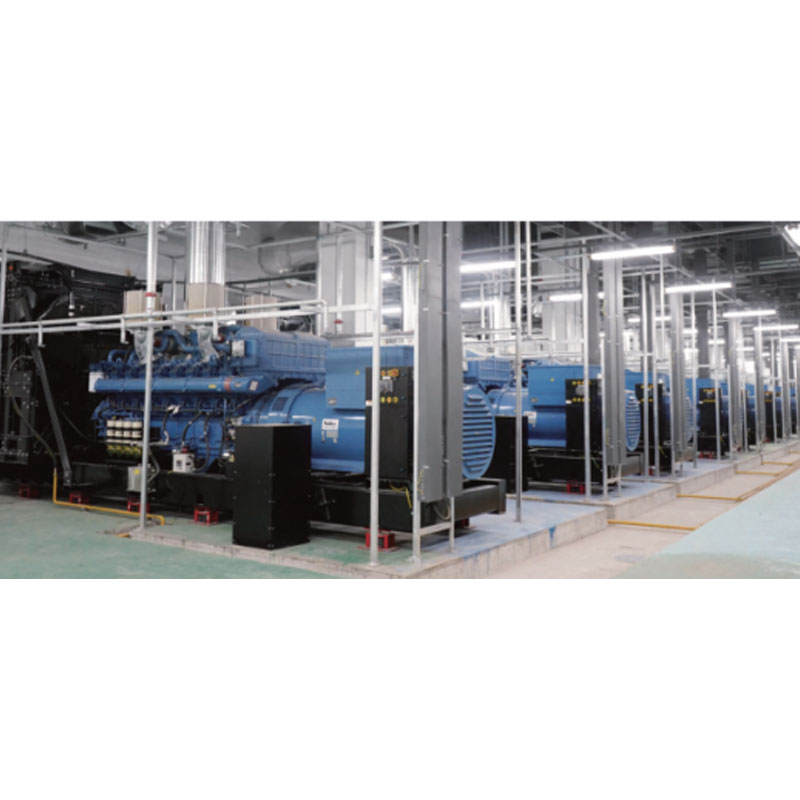
A power of 500 kW is a very specific milestone. This is no longer a mobile installation for a small facility, but not yet a giant megawatt station for a large plant. In China, such units often turn out to be “workhorses”. for a medium-sized industrial enterprise that is expanding, or for backup power for an entire complex of buildings - for example, a hospital, a shopping center or a hotel in a second or third tier city. The key word here isbackup power supply. The main network is generally reliable, but the penalties for downtime are enormous, so insurance in the form of DGS is mandatory.
However, my experience suggests that pure ?purchases? for permanent work (as the main source) there is less in this segment than you might think. More often these are turnkey projects, where the generator is only part of the system. The client buys not just hardware, but a guarantee that at moment X everything will turn on automatically and will work exactly as long as needed. Therefore, it is not so much individual units that are valued as solutions. Here are companies likeYuke (Shandong) Electrical Technology Co.,Ltd(Yuke Electric) and find their niche by offering engineering and comprehensive services, from consulting to construction.
An interesting nuance: the demand for 500 kW is strongly tied to regional politics and the infrastructure construction cycle. A couple of years ago there was a surge in requests from provinces that were actively developing mid-range data centers. Now the wave may shift, for example, towards storage and logistics facilities. This is not a static market.
Manufacturer versus buyer: the Chinese paradox
Here we come to the main incident. China is by far the world leader in the production of diesel power plants, including 500 kW models. Dozens of factories, from giants to assembly shops, produce them in huge quantities. But a significant part of this product is exported. The domestic buyer is often more capricious and requires adaptation to local standards and, importantly, to a specific fuel, the quality of which may vary.
Therefore, speaking about the “main buyer?”, we need to clarify: for whom? For a Chinese manufacturer, the main buyers may be in Africa, Southeast Asia or the Middle East, where such stations are used as the main source of energy for mining sites or remote villages. And within the country, this is a competitive market for services, where it is important not just to sell the unit, but to integrate it. Look at the sitevoyoko.ruis a representative office of Yuke Electric. Pay attention to how the information is presented: emphasis on R&D, technical consulting and engineering. This is the answer to the request of the domestic market.
I remember a case when a station was selected for a chemical plant in Shandong. The technical specifications were for 500 kW, but after analyzing the peak starting currents of all equipment and load factors, in consultation with Yuke engineers, they came to a decision on a system of two synchronized units of 300 kW each. This gave flexibility and fuel economy in normal modes. Sell one ?five hundred? It would have been easier, but the right decision turned out to be different. The buyer ultimately bought not power, but efficiency.
Procurement specifics: what are Chinese engineers looking for?
When working with customers, you see certain patterns. Firstly, the request almost never starts with “we need a 500 kW diesel generator?”. Usually it sounds: “we have a facility of such and such size, with such and such equipment, we need a guarantee of uninterrupted power supply?”. And only then, after calculations, this figure comes out - or something close to it.
Secondly, great attention is paid to the ?heart? installations - diesel engine. Brands like Cummins, Perkins, MTU or their Chinese licensed analogues (for example, Guangxi Cummins) are a separate topic for long discussions. The client wants not just a name, but the presence of a service network in his region. The engine is a long-term expense, and everyone understands this.
Thirdly, more and more often it is required not to be “naked” generator in a container, and an intelligent control system, remote monitoring, the ability to integrate into the overall energy management system of the enterprise. This is where companies with a serious engineering background likeYuke Electric, which grew out of the DEVER Electric team founded back in 2003, gain an advantage over simple trading houses. They can offer technological innovations, and not just a box with a device.
Trends and pitfalls
The market is changing. Electrification and "green" agenda puts pressure on diesel generation. In large cities, environmental regulations on emissions are being tightened. For a 500 kW installation, this means additional costs for exhaust treatment systems, which affects the final cost and therefore the buyer's decision. Sometimes it is easier and cheaper to split the power into several smaller units, distributing the load and environmental responsibility.
Another challenge is logistics and installation. Delivery and installation of a heavy unit is a separate project. Often, at facilities, especially those being reconstructed, problems arise with placement, fuel supply, and noise reduction. The success of a transaction is often decided not in the sales office, but at the construction site, where an installation company engineer finds a non-standard solution for piping or foundation. Companies that control the entire cycle - from R&D to construction - are the winners here.
Imported components have been a separate headache in recent years. Supply chains are breaking and deadlines are increasing. This spurs interest in high-quality localization. But localization is not just assembly, but quality control at every stage. The buyer has become more discerning. He is willing to pay for reliability, and not for the lowest price in the catalog.
Conclusion: so who is in charge?
Returning to the title. Is China the main buyer of 500kW diesel power plants? If we count by the number of physical units sold within the country, perhaps yes, this is one of the largest markets. But if you look deeper, then the “main buyer?” is not an abstract China, but a specific segment of its industry and infrastructure, which requires not a product, but a technological solution for guaranteed energy supply.
This is a market where the winner is not the one who is cheaper, but the one who can calculate the load, select the optimal configuration, integrate control and be there throughout the entire life cycle of the station. This is precisely what players such as Yuke (Shandong) Electrical Technology LLC are focusing on, positioning themselves as an innovative full-cycle enterprise.
So, to answer in a businesslike way: yes, the demand is huge. But he is complex, demanding and mature. The buyer is the “main” one here. in the literal sense of the word - he dictates terms based on pragmatic calculations, and not on loud slogans. And this is perhaps the most accurate indicator of the state of the market.
-


-
-


WeChat

-
WeChat