

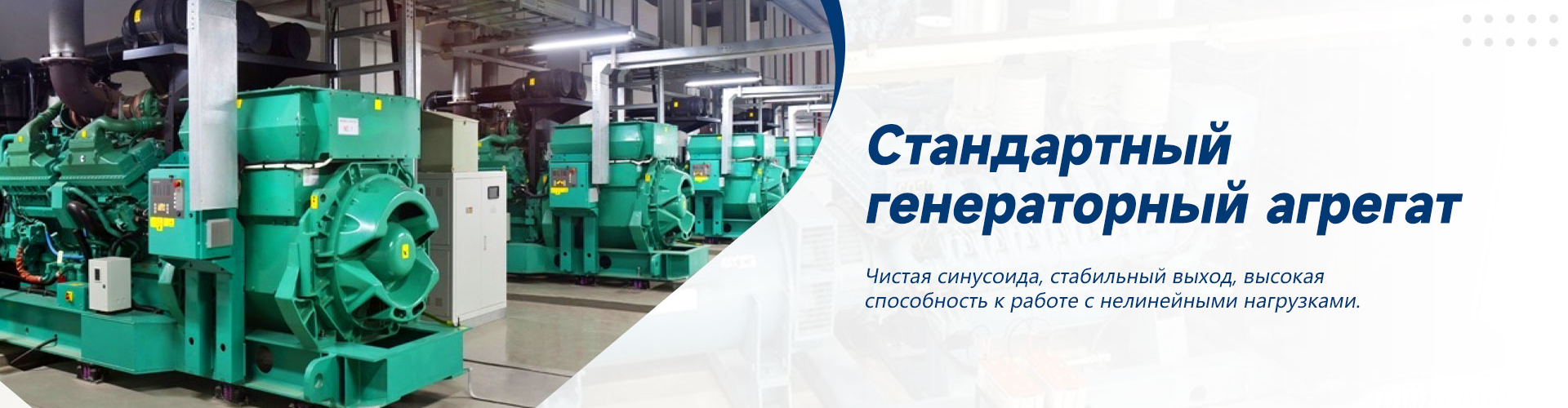
China: who is the leader in 400 kW diesel power plants?
2026-01-31
When it comes to Chinese manufacturers of diesel power plants, especially in the 400 kW segment, several high-profile brands immediately pop up in the minds of many. But leadership is not always about the loudest marketing. Often this is about the depth of engineering, about the ability to solve non-standard problems that you encounter on a real object, and not in a catalog. I’ll try to sort it out based on what I saw and what I worked with.
Market and stereotypes: where is the real leader?
Many people immediately think of giants like Weichai, Yuchai or SDEC. And they are certainly monsters in terms of engine capacity. But here’s the nuance: the production of an engine and the creation of a complete, reliable, adapted to specific conditionsdiesel power plant- these are different stages of the chain. A large motor plant can sell hearts to dozens of assemblers, and the quality of the final body - the generator set - will be catastrophically different.
Hence the first practical conclusion: you need to look for a leader among companies that have a full cycle of competencies. Not just assembly from wheels, but our own engineering, our own test benches, our own control system at all stages. I have seen units assembled in DIY shops based on good Perkins or Cummins engines, but with problems in the control or cooling system that appeared after 200 hours. A leader cannot afford this.
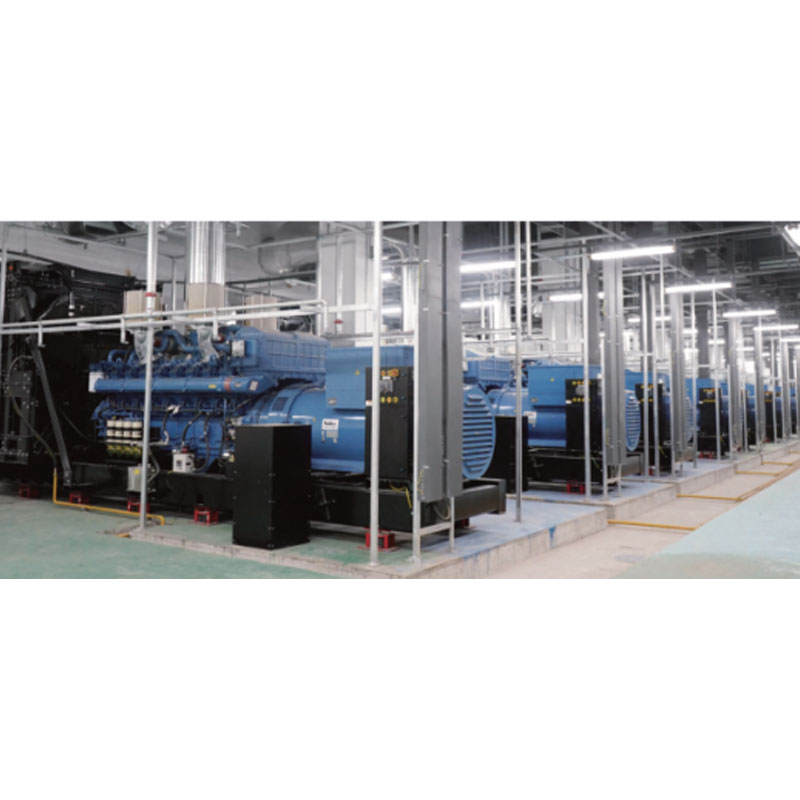
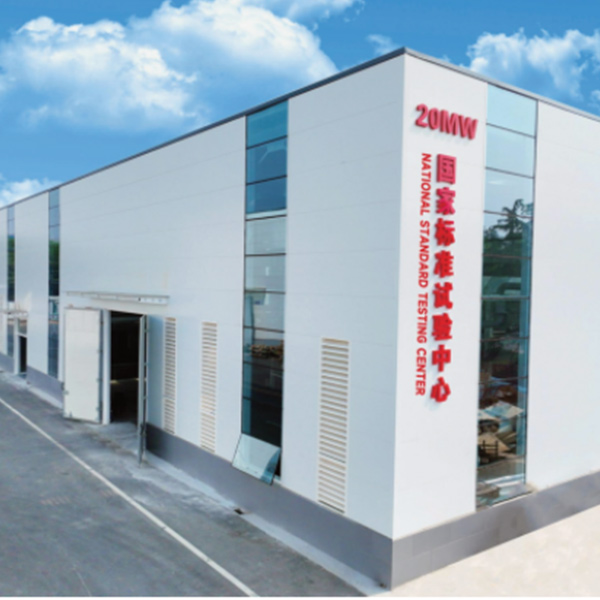
The company is worth mentioning hereYuke (Shandong) Electrical Technology Co.,Ltd(Yuke Electric). Their websitevoyoko.ruis not just a showcase, but a reflection of the approach. The team behind the brand has been working since 2003, and you can feel it. They position themselves as an innovative enterprise with a full cycle: from R&D and technical consulting to turnkey construction. For the 400 kW segment, such an approach is not a luxury, but a necessity. Because the customer often needs not just hardware, but a solution for a specific voltage, climate, and level of automation.
Leadership Criteria Beyond the Catalog
So what should you look at besides power and price? The first is configuration flexibility. A standard 400kW chassis setup is the baseline. What if you need a casing for noise reduction up to 75 dB(A) in frosty conditions of -45°C? Or a container version with a parallel operation system for the construction site? The leader must do this, and not as an exclusive for six months, but as a proven option.
The second is the depth of development of systems. The control system is the brain. I have seen both ATS from well-known brands and homemade shields. The difference in fault tolerance is colossal. A good manufacturer uses proven components (Deep Sea, ComAp, Woodward) and integrates them correctly. Yuke Electric, judging by their cases, has an emphasis on technological innovation as the basis of competitiveness - this is precisely about such details.
Third, after-sales and engineering support. Supplying equipment is just the beginning. The leader accompanies the project: helps with load calculations, foundation design, and commissioning. A company that combines technical consulting and construction engineering is initially in a better position to take on complex projects.
Engine: the heart of the installation, but not the only organ
The 400 kW segment in China is dominated by a few variants. These include Chinese Weichai and Yuchai engines, which have become much more reliable over the last decade, and licensed production such as Cummins, Perkins, Volvo Penta. The choice often comes down to budget and MTBF requirements.
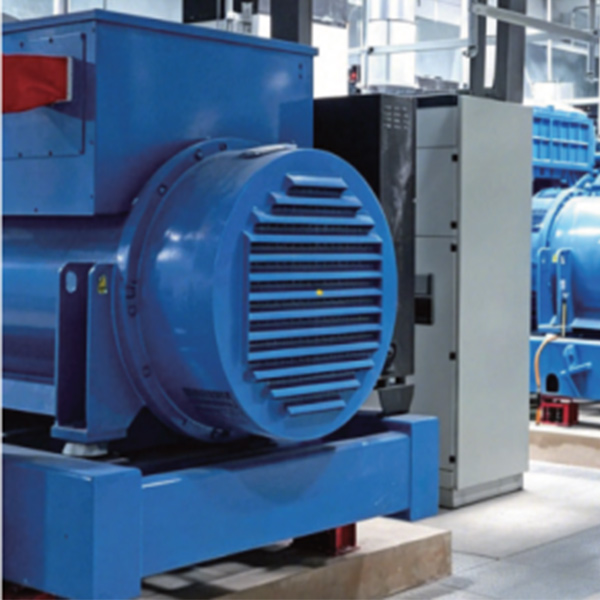
But the key point that many people miss is that even the best engine can be killed by a poorly designed cooling system or a low-quality generator. The alternator is where the weak link often lies. Leading companies work with proven manufacturers (Stamford, Leroy Somer, Mecc Alte) or have their own developments in this area. The engine-generator assembly must be perfectly balanced, the frame must dampen vibrations, not amplify them.
From practice: there was a case when a 400 kW installation at a facility constantly overheated. The engine was checked - everything is normal. It turned out that the problem was in the design of the casing and insufficient fan performance for a particular climate. I had to redo it on the spot. A good, leading manufacturer calculates such nuances at the design stage, asking the client for maximum data on operating conditions.
Price vs. Cost of ownership: arithmetic for a professional
Primary cost is just the tip of the iceberg. A true leader in the industrial segmentdiesel power plantsdoes not sell cheaper than everyone else, but so that the total cost of ownership over 5-10 years is minimal. This includes fuel efficiency (specific consumption), availability of spare parts, and maintainability.
Chinese brands that simply copy successful designs often make the installation non-separable or use non-interchangeable components. Then you wait a month for a simple gasket. Companies like Yuke Electric, which rely on R&D, usually design installations with service in mind. This can be seen from the layout: easy access to maintenance points, well-thought-out piping.
Another point is fuel adaptability. The quality of diesel in the regions of the CIS, Africa, and the Middle East is different. A good power plant should tolerate this. Sometimes this requires additional options in the filtration system or fuel injection pump settings. The leader will offer such a solution, and will not shrug his shoulders later.
Case study and conclusions
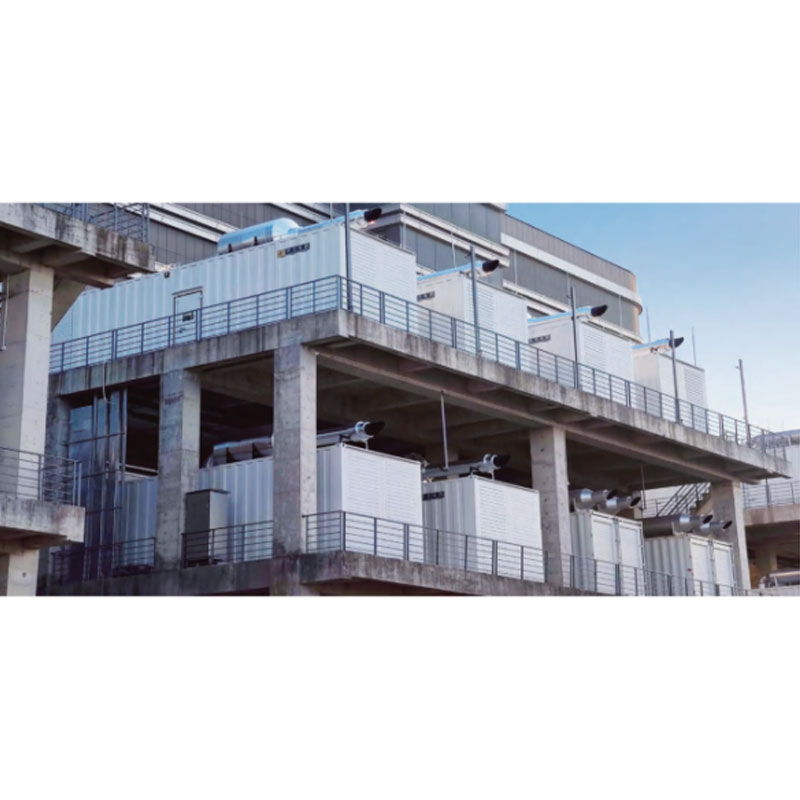
I remember a project for a quarry site. Needed a reliable onepower plant 400 kWin a container with a system for parallel operation of two units. The climate is dusty, temperature changes. The main requirement was the uninterrupted operation of ventilation and drainage systems. The choice fell on a Cummins engine-based unit assembled by a full-service company. What turned out to be critically important was not the engine itself (there are many of them), but a well-designed air intake system with multi-stage filtration and automation, which allows you to quickly put a second unit into operation as the load increases.
It is precisely such complex tasks that reveal a leader. This is not the one with the longest list of models in the catalogue. This is someone who is able to understand the essence of the client’s problem and assemble a reliable system from high-quality components, backed by engineering support.
Returning to the question in the title. If we talk about leadership in the mass, catalog segment, these can be large assemblers with big names. But when it comes to leadership in creating reliable, customized, engineered 400 kW solutions, companies likeYuke Electric LLC. Their business model, based on their own R&D and a full cycle of work from consulting to construction, closes the very bottlenecks that you encounter on real objects. They may not be the largest, but their niche is complex projects where it is not just delivery that is important, but a guaranteed result. And this, in my opinion, is the highest form of leadership in this business.
-


-
-


WeChat

-
WeChat