

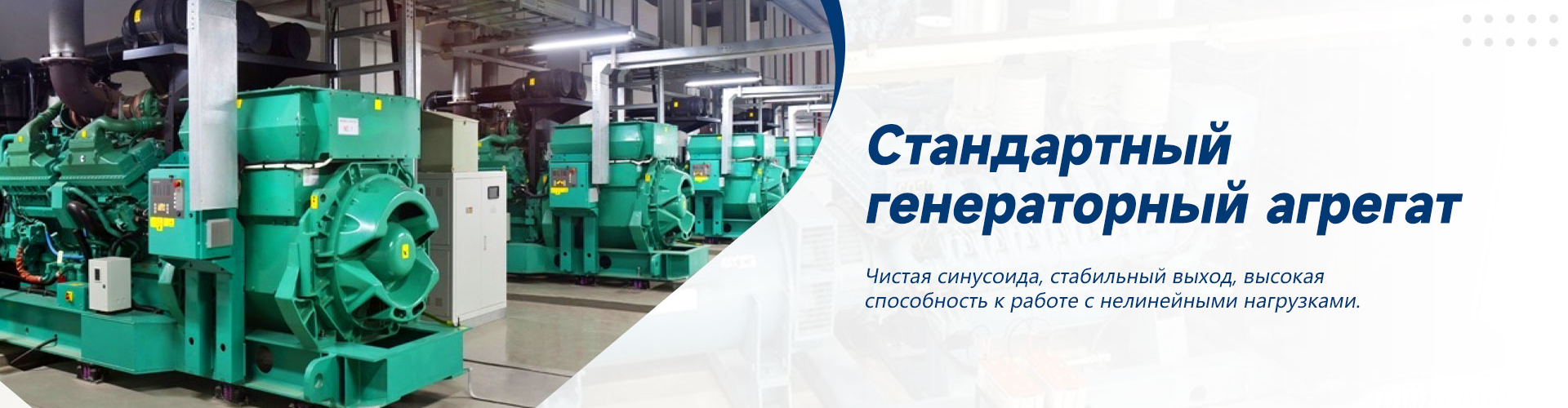
China: who is the main buyer of diesel power plants?
2026-01-29
I often hear this question, and I immediately want to give a simple answer: the mining sector, construction sites, telecom. But the reality, as usual, is more complicated. Many people think that the main driver is government infrastructure megaprojects. In part, yes, but there are some nuances with tenders and specifications that not every manufacturer can cope with. In fact, if you look at supply volumes and repeat orders, the picture turns out to be more detailed and interesting.
The unobvious leader: medium-sized businesses and distributed generation
The paradox is that the most stable and massive buyers are not those who loudly declare themselves. These are medium-sized manufacturing enterprises, often in regions where there are problems with the network. Not permanent, but seasonal or cyclical. An agricultural processing plant that needs capacity for three months of the year for refrigeration units. It’s time-consuming and expensive for them to build power lines, butdiesel power plantsolves the issue. They rarely take the cheapest Chinese installations, but they also do not chase premium brands. They need a reliable workhorse: a Perkins, Cummins or even a Weichai of high quality, with a good generator. This is where companies that know how to make a good “middle segment” shine.
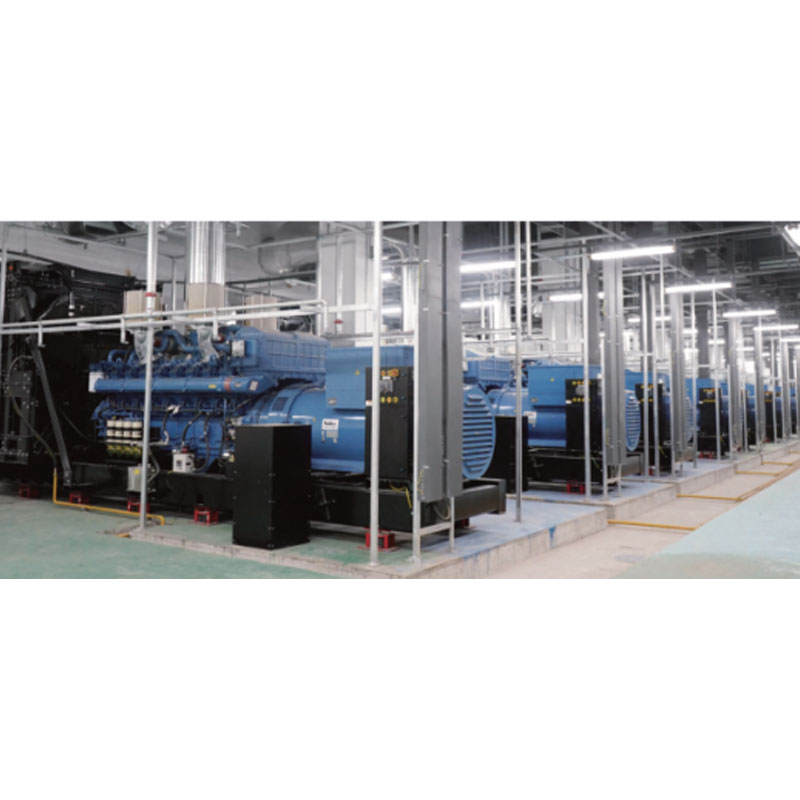
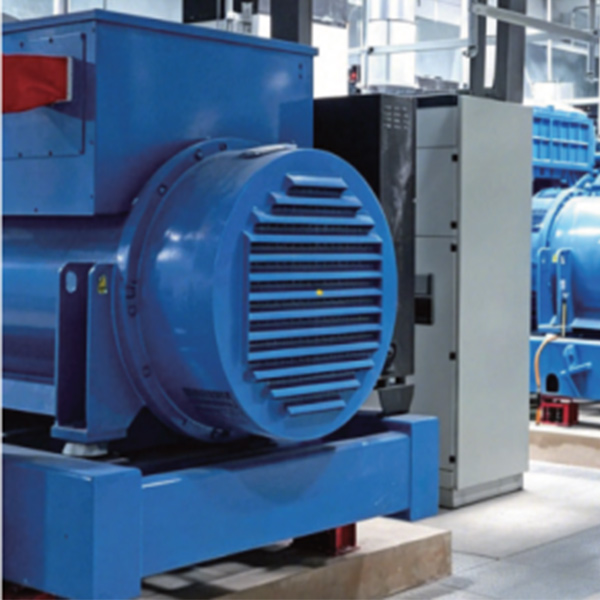
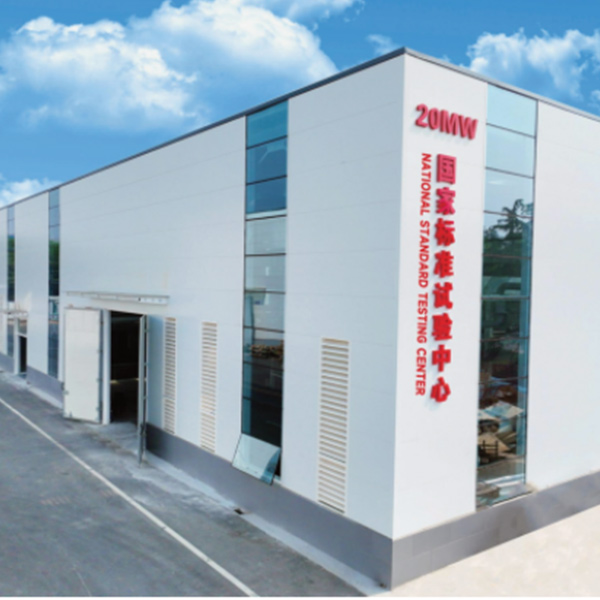
For example, we worked with one manufacturer from Shandong -Yuke (Shandong) Electrical Technology Co.,Ltd. They are not the most famous on the market, but they have their own trick. I look at their websitevoyoko.ru— it is clear that the emphasis is not on aggressive marketing, but on the technological base. The company, according to the description, grew out of a team that was involved in energy technologies back in 2003. This is important. Such players often understand the needs of this particular segment - medium-sized businesses. They need not just a box with an engine, but a solution: with containerization, automatic transfer systems (ATS), adapted to specific operating conditions, be it high humidity or dust.
Why are these the main buyers? Because there are many of them. One metal rolling shop orders a station for 500 kW, another for 1 MW. And there are hundreds of such workshops across the country. This creates constant, sustainable demand, in contrast to piecemeal projects for oil companies, where competition is fierce and the sales cycle stretches for years.
Where suppliers go wrong: the myth of “cheap China”
It’s a big mistake to think that the Chinese market is geared only to low prices. Yes, there is such a segment, and it is huge. But those who buy for a responsible object are not chasing the price, but the ratio. I have seen many examples when something bought “on the cheap” the station broke down in the first month of intensive work, and the client lost more in downtime than he saved. After this, he is already looking for a reliable partner.
Therefore, successful suppliers are the sameYuke Electric, rely on innovation and customization. In their case, as stated, this is “product and technological innovation as the main competitiveness?”. In practice, this could mean an in-house developed remote monitoring system or a special cooling scheme for hot climates. A client who has already been burned is willing to pay for it. He becomes the “main buyer?” — loyal and repeat orders.
I remember the story of the supply for a chain of small hotels. They needed quiet and compact emergency power stations. The standard options were not suitable for noise levels. We had to work on soundproofing casings and the exhaust system. This was not specified in the original terms of reference, but without this the solution would not work. This willingness to improve is key.
Pitfalls of logistics and the “last mile”
But what often falls out of beautiful presentations is logistics. You can make a great station, but it needs to be delivered, unloaded, installed and launched. In Russia there are great difficulties with this, especially beyond the Urals. The main buyer is also the one who understands these complexities and includes them in the budget and time frame.
Sometimes the problem is not in the power plant itself, but in the installation components: specific cables, adapters, fasteners. Their absence on site can stall the project for weeks. Therefore, now many serious suppliers offer not just a boxed product, but a turnkey engineering service. Take a look at the range of servicesYuke Electric: R&D, technical consulting, supply, construction. This is exactly the answer to the market request. The client wants one point of responsibility.
Seasonality and regional features
Demand fordiesel power plantsin China it is strongly tied to geography and time of year. The north, especially areas of new mining or active construction, sees peak bookings in the spring and summer. You need to make it in time for the short warm season. The south, with its developed industry, is more uniform, but there are higher requirements for resistance to moisture and corrosion.
There are also specific niches. For example, data centers. They are not mass buyers, but they are very demanding buyers. Continuity is critical for them, and they often choose hybrid solutions. Or agriculture: it seems like a simple segment, but it’s not - we need mobile units that can be transported from field to field. Finding the right product for each segment is an art.
Here again, companies with deep expertise win. When a manufacturer not only sells, but consults, offers the optimal solution from its portfolio, or even develops a new one, this is worth a lot. This approach appears to be what allows companies likeYuke LLCmaintain its share in a competitive market.
The future: who will remain in charge tomorrow?
A trend that I have been observing for the last couple of years is the demand for “smart” ones. and environmentally friendly solutions. Even in the diesel generator segment. Not just an AVR, but integration with solar panel systems or energy storage devices. The buyer becomes more complex. He does not want an emergency source, but a part of the energy system with optimization of fuel costs.
Therefore, the main buyer of tomorrow will be the one who thinks strategically, who looks at the Total Cost of Ownership (total cost of ownership), and not at the price tag in the catalog. These could be large logistics hubs, IT parks, modern agricultural complexes.
Manufacturers and suppliers will have to shift their focus from hardware to software and services to stay in the game. Remote monitoring, predictive analytics for maintenance, flexible power rental schemes - this is what will be in demand. Those who likeYuke Electric, claim to integrate R&D and engineering, are on the right track. Their customer is no longer just a buyer of equipment, but a partner who needs a complete technology solution for energy.
In the end, returning to the original question... Top buyer? He's different. But he has one thing in common: the need is not for hardware, but for a guaranteed result. In kilowatts that will arrive on time where they are needed and will cost exactly as much as they should. And those who understand this simple and complex truth at the same time find their main buyers again and again.
-


-
-


WeChat

-
WeChat