

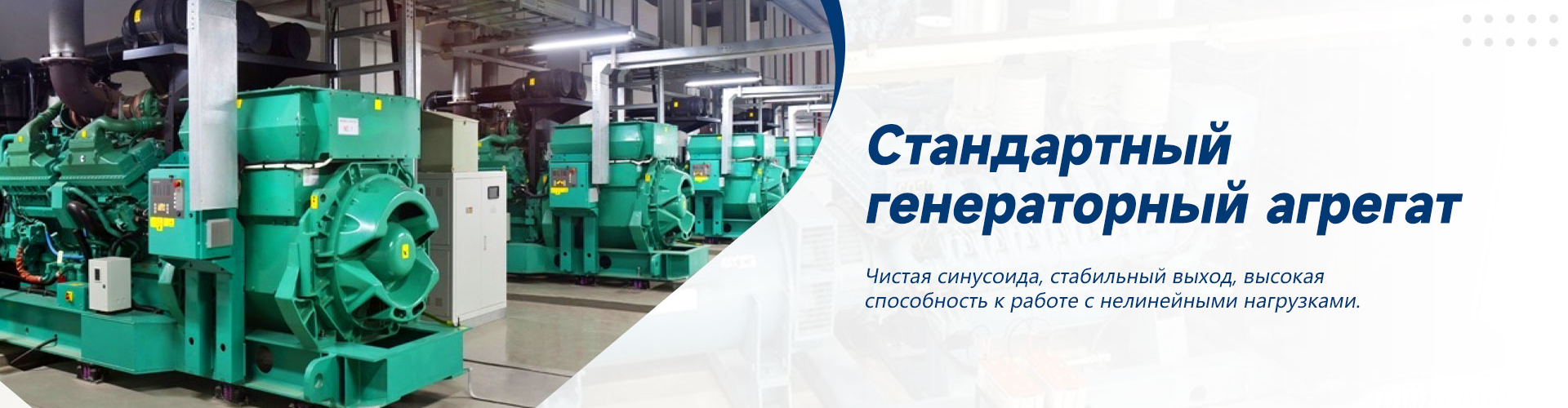
Is China the main buyer of oil-fired power plants?
2026-01-29
The question is in the title - it constantly comes up in conversations at exhibitions like ?Electro? or ?Power Gen?. Many people, especially colleagues from the CIS, imagine China as a gigantic, insatiable market that buys everything, including diesel and gas piston power plants. But reality, as usual, is much more complex and interesting. In short: yes, China is a huge consumer, but not in the role of a simple “buyer of ready-made stations”. Rather, it is a giant manufacturer, integrator and, increasingly, a source of technology for specific projects, including abroad. And demand within the country is highly segmented and depends on things that you wouldn’t even think about right away.
Where do the legs of a myth come from?
Misconception about the “primary buyer” It's clear. The size of the Chinese economy is amazing. You see the statistics on the commissioning of new capacities, gigawatts, and it seems that entire energy production plants are being purchased there. But the key nuance is in the structure of the energy balance and industrial policy. Over the past 20 years, China has been making a huge bet on coal, hydroelectric power plants, and now also on renewable energy sources and nuclear power.Oil power plants(I mean primarily diesel and gas piston engines running on liquid fuel) - this is a niche solution for them. Not for base load.
The main scope of application is backup power for critical infrastructure (hospitals, data centers, telecom) and, less obviously, mobile solutions for construction and mining in remote areas. Where there is no quick access to networks. But even here, Chinese developers often prefer not to buy a ready-made “assembled” station. from Caterpillar or Cummins, but they will order the engine, for example, Weichai, and the generator and control system from local manufacturers. They will assemble it themselves, it will be cheaper. This is their approach.
I remember in the mid-2010s we tried to promote one European line of medium-power gas piston units to the Chinese market. We hit the wall. Local engineering companies looked at our beautiful, ready-made “container?” and immediately asked: “Can you sell just the engine?” Will we supply our own control system and do the assembly here? For them it was not a product, but a set of components. It was a valuable, if expensive, lesson. Their market is a market of integrators, not end users in our understanding.
Where is the real demand then? A view from inside the supply chain
So if not mass purchases of ready-made stations, then what? There is demand, but it is specific. Firstly, these are the “Belt and Road” projects. (BRI). Chinese contractors building a port in Africa or a plant in Central Asia often bring power equipment with them. But they usually bring Chinese equipment. This creates domestic demand among Chinese manufacturers themselves.
Secondly, there is a segment of high-tech components. The Chinese have become strong not only in assembly, but also in individual components. For example, control systems (APCS) for power plants. Or modern exhaust cleaning systems. For such “pieces” they sometimes turn to the foreign market if their own is lagging behind. But these are targeted purchases, not mass purchases.
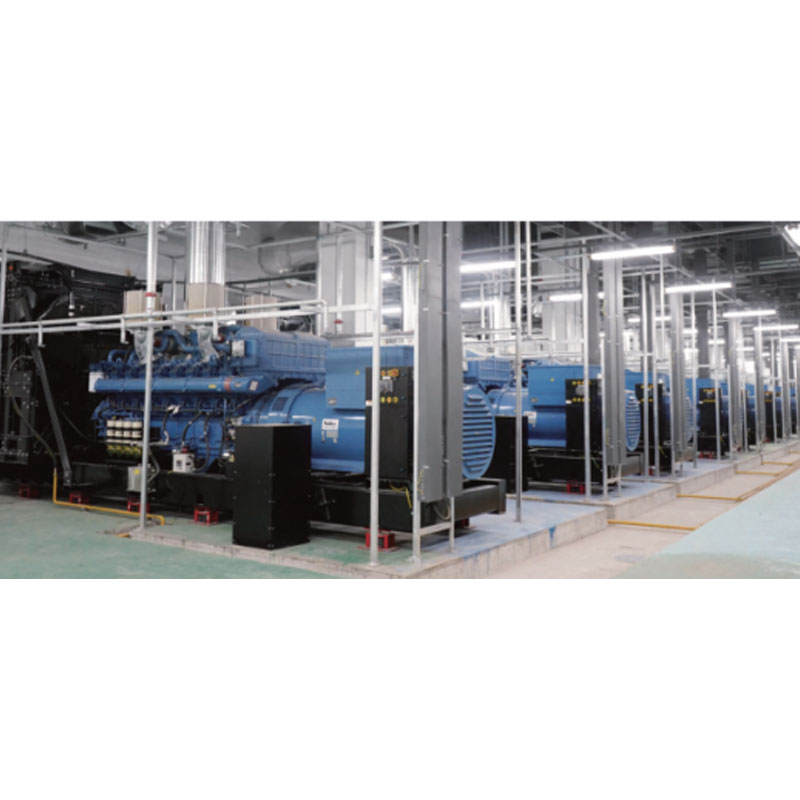
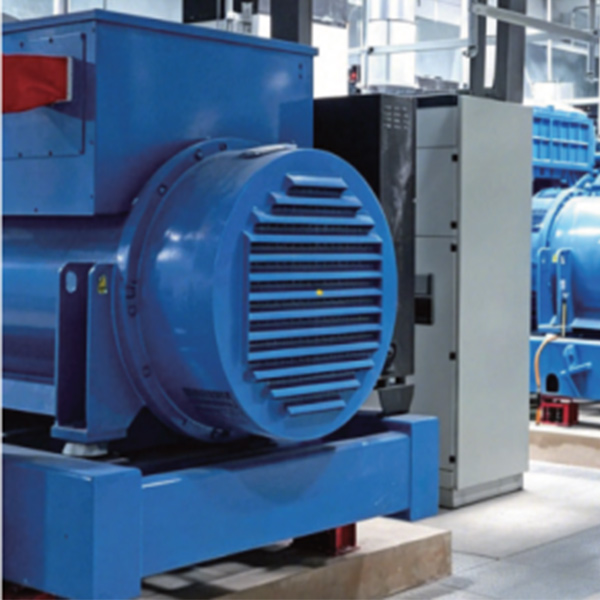
Thirdly, and this is important, the market for used and remotorized units. This is a separate universe. I know of several cases when large Chinese energy companies bought batches of old, but high-quality European engines (say, MTU 2000 series), brought them, completely overhauled them, installed new Chinese-made generators and sold them as “stations based on a German engine?” for projects in Southeast Asia. The result was a competitive product at a price lower than the new European station, but with a premium “name” in the heart. This is such a tricky game.
Case: when a Chinese company is not a buyer, but a technology partner
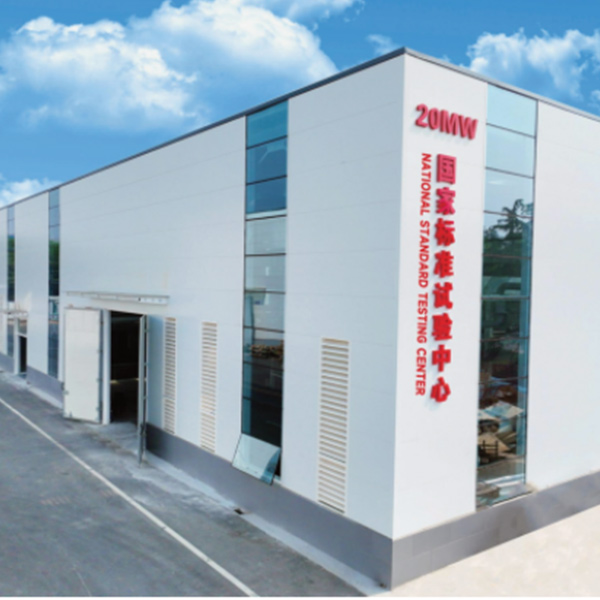
A good example that breaks the usual logic are companies likeYuke (Shandong) Electrical Technology Co.,Ltd. Let's take a look at their websitevoyoko.ru. This is not just a trading house. Judging by the description, this istechnological enterprise, which grew out of an engineering team founded back in 2003 in Qingdao. They position themselves as full-cycle integrators: R&D, consulting, supply, construction.
We have encountered such players. Their role in the oil-fired power plant market is often not that of a buyer, but rather a contractor or solution provider. Let’s say there is a project in Russia to modernize the energy supply of a remote oil depot. A hybrid system is needed: solar panels, a diesel generator set and an energy storage system. A Russian customer can turn to Yuke Electric not for a ready-made “Cutter” product. station, but for a comprehensive solution. The Chinese side will design the system, perhaps supply inverters and a control system of its own design, and the diesel generator may be assembled at Weichai or even purchased from Perkins. Or he will offer an option to remotorize an existing engine.
Their competitive advantage is not in the sale of “hardware,” but in the ability to connect everything together on a turnkey basis, often with a more attractive price due to the localization of some components. This is no longer a “purchase”, but a “cooperation”. And in this role, China is becoming increasingly visible in the energy installations market.
Failed attempts and lessons: why ?go to China? so difficult?
I’ll tell you about one of our failures, which clarifies a lot. About seven years ago, we had high hopes for the supply of specially designed muffler systems and exhaust pipes (for harsh climates) for diesel stations. Found through contacts of a Chinese distributor. Test batches have been sent. The quality was appreciated, even praised. But when it came to the contract for the series, everything came down to certification and, most importantly, the need to adapt the design to local installation standards. Their engineers sent a dozen corrections on fastenings, on the location of flanges - little things, but critical for mass assembly on their conveyor.
In Europe, we were not ready to change equipment and drawings for a specific customer - the volume was not guaranteed for years to come. They wanted to get the “ideal” one. detail for your process. In the end, they found a local supplier who copied our basic idea, but made the fastenings “the way they wanted”. We lost the contract. Conclusion: the Chinese market requires flexibility at the design level, readiness to “join in” into their production chains. They are not buying a product, but a solution to their problem, and that solution must be tailored to their specifications.
This also appliesoil power plantsassembled. A Western manufacturer that wants to sell to China must be prepared to either create a JV with a local partner for final adaptation, or sell licenses and key components. Direct deliveries ?as is? They work only in the premium segment (for example, for large foreign corporations building factories in China), and even then this is a drop in the bucket.
The future: buyer, competitor or standard setter?
So who is China, in the context of our question? Today it is probablymain engine(pardon the pun) certain market segments, but not as a passive buyer. It creates demand for components, hybridization technologies, and remote monitoring. Their internal demand for reliable backup power is growing with the development of the digital economy - each new data center is a mini-power plant nearby.
But more importantly, China is becoming a powerful competitor in third markets. The same companies, like Yuke Electric, come out with complex offers to Africa, Latin America, and Russia. They offer not just a generator, but an “energy solution?” with financing, construction and service. And these packages often featureoil power plantsChinese assembly or with Chinese engines.
So, back to the title. ?Main buyer?? No, that's too simplistic. Rather, it is a major fabricator, integrator and increasingly influential player redefining value chains in the sector. Their ?purchases? - This is often the purchase of semi-finished products or technologies for subsequent transformation into their own product, which they then offer to the whole world. Understanding this difference is key to any conversation about the real, rather than mythical, Chinese power equipment market.
-


-
-


WeChat

-
WeChat