

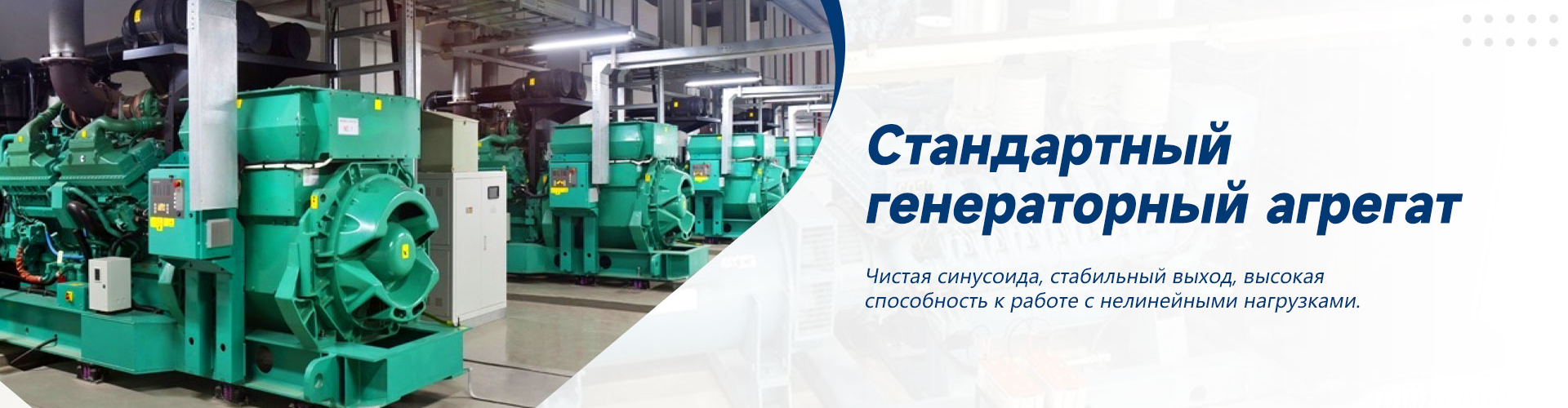
China: who is the leader in purchasing 800 kW generators?
2026-01-07
If we talk about the market for 800 kW generators, a picture immediately appears of giant construction sites and industrial zones. Many people mistakenly believe that the main buyers are oil or mining companies. In practice, over the past 5-7 years the picture has shifted, and this shift is very indicative of the entire Chinese economy. I’ll try to sort it out based on what I saw myself and what my colleagues are talking about.
Where do the big volumes actually flow?
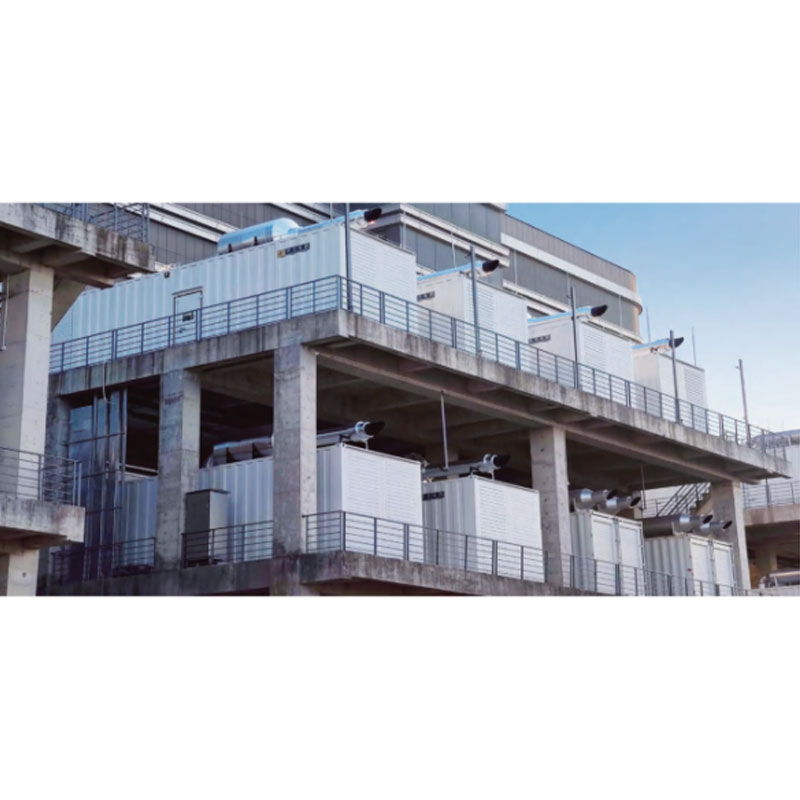
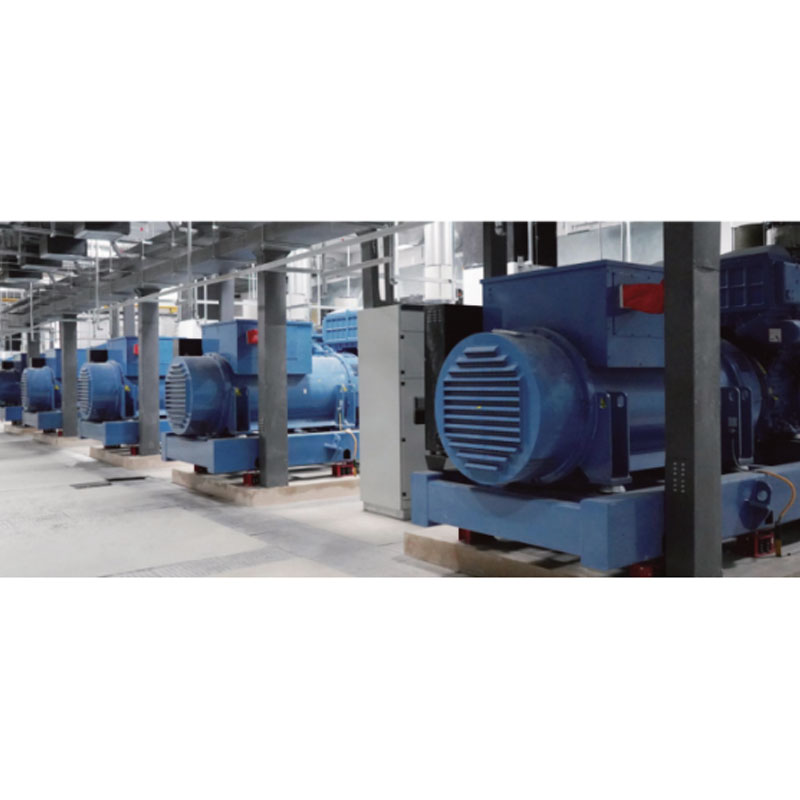
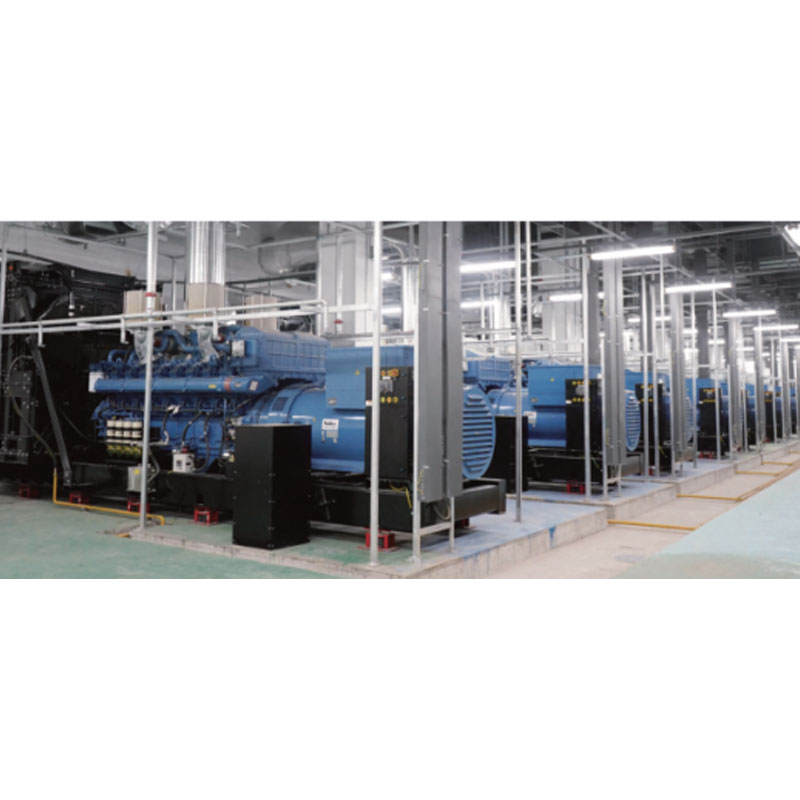
The main demand today is generated not so much by traditional deposits, but by infrastructure facilities and, oddly enough, the commercial real estate sector. We are talking about large logistics hubs, data processing centers (DPCs) and, most importantly, backup power supply systems for high-rise administrative and shopping complexes. The requirements here are specific: not just power, but reliability, integration with the existing network, and often strict environmental standards for emissions in urban areas.
I had experience in supplying several Perkins 800 kW units for one such data center near Shanghai. The customer initially wanted to save money on a noise reduction and automatic transfer system (ATS). As a result, after the first test shutdowns of the city network, problems arose with synchronization and overload. We had to redo the project on the go, adding more intelligent control units. This is a typical story: a client buys hardware, but often underestimates the cost and complexity of the brains and accompanying engineering.
Another growing segment is equipment manufacturers. Yes, it sounds paradoxical, but their factories producing, say, machine tools or electronics have also become active buyers of generators in this power range. The reason is the desire to ensure uninterrupted technological cycles. Downtime due to a power outage at such an enterprise can cost hundreds of thousands of dollars. Therefore, the generator set for them is not a backup, but, in fact, a part of the main process equipment.
Procurement leaders: state vs. private capital
If we take into account volumes and regularity, then the undisputed leader is government infrastructure projects. Construction of high-speed railways, expansion of ports, smart city projects. There, purchases are made in large quantities, often through tenders, but with their own difficulties: requirements for the localization of components, lengthy acceptance procedures, and a strict connection to the budget cycle.
The private sector, especially large developers and network operators, buys fewer pieces, but more often and faster. Their solutions are more flexible. They can choose not a famous European brand like Cummins or Volvo Penta, but, for example, an assembly on a reliable Chinese Weichai or Yuchai engine, but with a top-end German generator head and control system. This gives the best value for money for their needs. By the way, it is in working with such clients that the speed of after-sales service is important - spare parts must be in stock in the region, otherwise the reputation will go to hell.
Here it is worth mentioning companies that have built their business on understanding this difference in approaches. Here, for example,Yuke (Shandong) Electrical Technology Co.,Ltd(YuKe Electric). They don't just sell generators, they operate as an engineering company. I look at their websitevoyoko.ru— it is clear that the emphasis is on the full cycle: from design and technical consulting to construction and service. This is exactly the approach needed for complex projects withgenerators 800 kW, where integration is critical. Their background, coming from DEVER Electric since 2003, is felt to be focused on technological solutions, and not just on trading hardware.
Price, logistics and pitfalls
When you discuss the price of a generator set with a client, you always have to break it down into three large parts: the cost as a product in a warehouse, the cost of adaptation to the facility (frame, casing, cooling system, fuel equipment) and the cost of the soft part - design, installation, commissioning. Ongenerators 800 kWthe last part can reach up to 25-30% of the total contract amount. Many newcomers to the market do not understand this and then run into budget issues.
Logistics are a separate headache. The dimensions and weight of such an installation require special transport, and often coordination of routes with local authorities. Once we were transporting a unit to the north of the country, and it turned out that the bridge on the planned route had a load limit. I had to look for a detour, add several thousand dollars to the cost of transportation and miss the deadline. Now we always check the traffic situation first.
Another stumbling block is warranty obligations. Who does them? Dealer, importer or manufacturer? And where are the service engineers and spare parts warehouse located? The ideal option that smart buyers are looking for is when the supplier, like the sameYuke Electric, acts as a single window: he sold, installed and now services it himself. This dramatically reduces the risks for the buyer.
Trends: what will influence purchasing tomorrow?
Obviously, tightening environmental standards is not a trend, but a given. Especially in the eastern, more developed provinces of China. Demand is shifting towards generators with cleaner exhaust (Stage II, Stage III standards) and the ability to operate on biofuel or liquefied gas. This increases capital costs, but for many projects, especially those involving government funding or located near residential areas, this is now a prerequisite.
The second trend is digitalization. Remote monitoring of operating parameters, maintenance forecasting, integration with smart grid systems. The buyer is increasingly asking not just about the control panel, but about communication protocols and the ability to integrate data from the generator into their overall facility energy management system. Without this, it is now difficult to compete in the market for serious solutions.
And thirdly, growing competition among the manufacturers themselves. In addition to global brands, Chinese manufacturers have become very strong. Their quality has grown enormously over the past decade. And their key advantage is not only price, but also flexibility in the production of non-standard configurations and much shorter production times to order. For a project that is on fire, this can be a deciding factor.
So who is the leader?
The short answer is that there is no abstract leader. There are leaders in different segments. In terms of total volume - state infrastructure corporations. In terms of growth dynamics - private data center operators and high-tech industries. In terms of complexity and technological effectiveness of the tasks, these are large commercial developers building smart buildings.
But if we look at the issue more broadly, then the real purchasing leader is the one who buys not just a generator, but a comprehensive, reliable and adaptable solution to future requirements. And in this sense, the leaders are those customers who choose not just an equipment supplier, but a technology partner capable of closing the entire cycle - from consultation to long-term service. This is exactly what, if you look at it, many successful market players build their work, including the specialists mentioned above who focus on engineering and the full cycle of services.
Therefore, when I am asked the question who is the leader?, I usually answer the question with a question: For what project? For road construction or for a data center? Context is everything. But the general rule is one: the market is shifting from trading in kilowatts of hardware to selling guaranteed and smart energy independence. This, in fact, is what the hunt is for.
-


-
-


WeChat

-
WeChat