

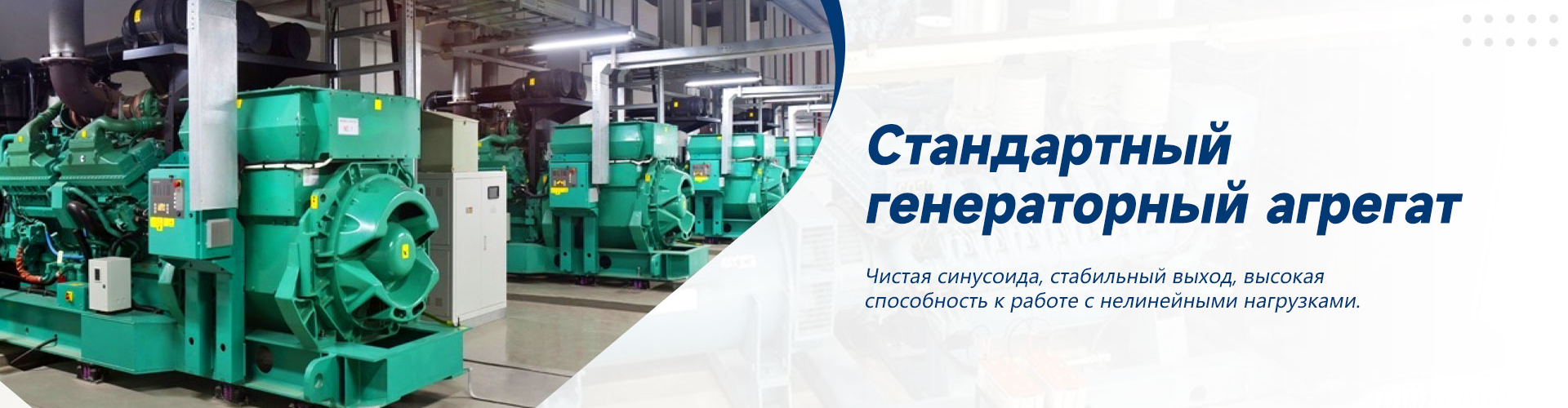
Is China the main buyer of container generators?
2026-01-07
You see this headline and you immediately want to say: “Well, of course, China is buying everything?” But in reality, with generators, especially container ones, everything is not so simple. Two things are often confused: where they are produced and who the final buyer is. China is certainly a giant manufacturer, but its domestic market for such installations has its own specifics, which are not always understood from the outside.
Market: demand from within and projects from outside
If we talk about domestic demand, it is really huge, but structured. This is not about buying one generator for the store. We are talking about large infrastructure projects, industrial parks, mines in remote regions where there are problems with the network. Or about backup power for data centers and hospitals. The demand here is stable, but very demanding in terms of specifications and, importantly, environmental standards, which are becoming stricter every year.
On the other hand, Chinese companies themselves have become powerful exporters of energy solutions. Many ?purchases? Container generators are actually a configuration stage for projects in Africa, the Middle East, and Central Asia. A Chinese contracting organization wins a tender to build, for example, a factory, and orders power equipment for it from its own Chinese manufacturer. From the outside it looks like an internal purchase, but in fact the equipment is immediately exported.
I had experience several years ago when we were looking for a supplier for a project in Kazakhstan. We turned to a famous Chinese brand. Everything is fine, but during the negotiations it turned out that their “standard” The container for the CIS market is not suitable for our winters in terms of climatic design - the specifications for heating and materials had to be completely reworked. They were sincerely surprised; for them -20°C was already ?arctic? regime. This is a telling point: their domestic market in large parts of the country does not face such extreme conditions, so the approach is different.
Product specifics: not just a ?box with an engine?
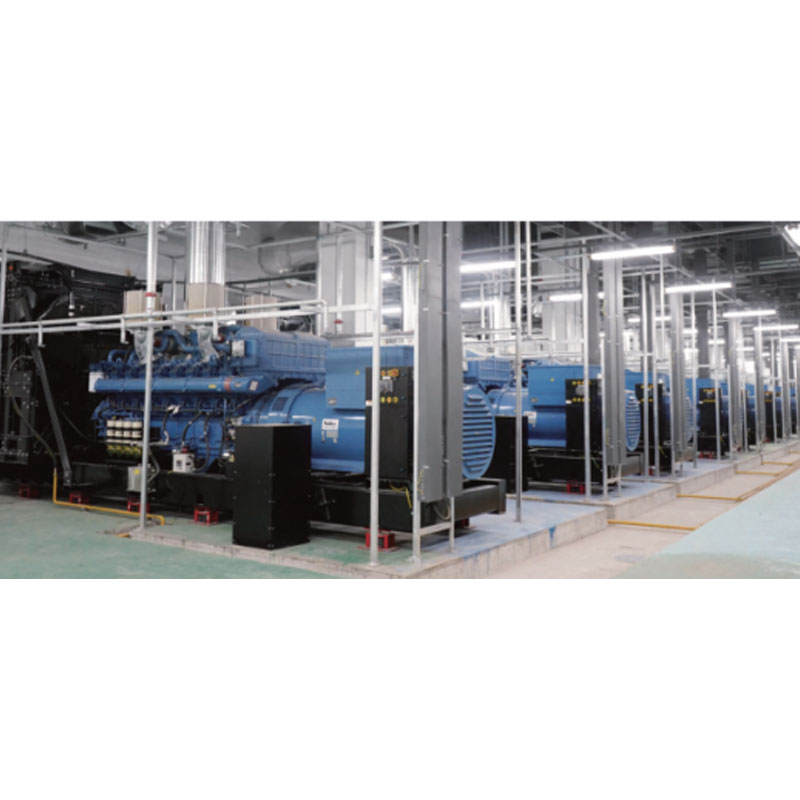
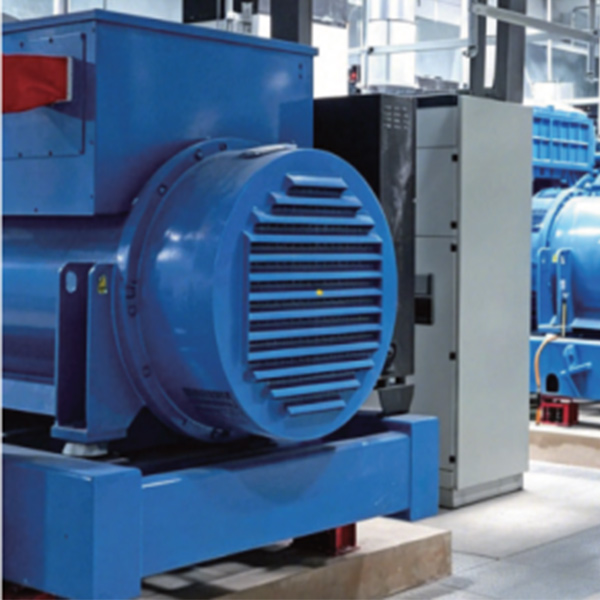
This is where the key difference lies. The Chinese market now requires more than just a generator in a box.Container generators- these are increasingly complex solutions: with a noise reduction system (especially for installation in urban areas), with an exhaust cleaning system, with intelligent control and remote monitoring. Price is no longer the only deciding factor.
For example, for green projects energy sector, where the generator is paired with solar panels or wind turbines, requires special operating modes and controls. The engine must start quickly, reach the load, and stop when the renewable source is available again. This is a killer mode for a regular diesel engine unless it is specially designed. And Chinese engineers are actively working on this, because domestic demand for hybrid systems is growing.
I remember how we tested one such installation from a young but ambitious company. Everything seems to be perfect on paper: both monitoring via the cloud and efficiency are stated to be high. But in practice, the control system froze? during a sudden load surge. It turned out that the software was not properly tested on real, “torn” ones. modes that are typical for backup power. The manufacturer then refined the software for six months. This is a typical growth story: the hardware is excellent, but sometimes there are problems with complex control logic.
Supply Chain and Logistics
Logistics is a separate headache that greatly influences the final price and purchasing decision. A container generator is a heavy and bulky thing. Shipping from the inland provinces of China to the port and then by sea takes time and money. Many end buyers in Russia or the CIS are now looking towards manufacturers who already have assembly facilities or ready-made warehouses somewhere in Kazakhstan or Belarus. This reduces time and risks.
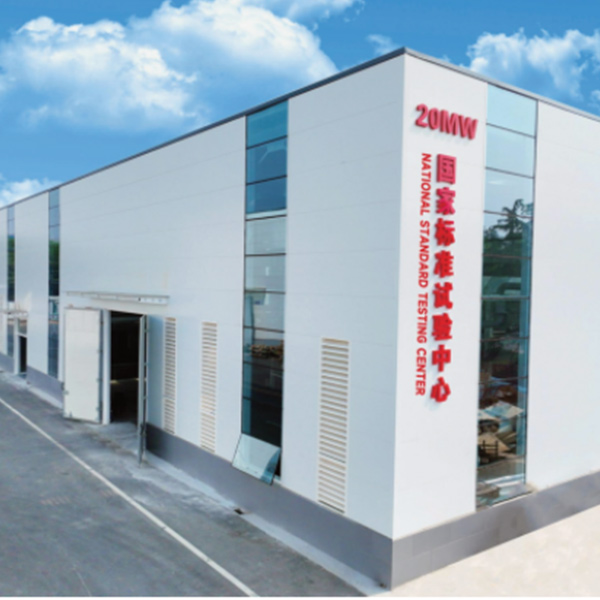
It's interesting to see companies that have figured this out. They don't just sell equipment, but offer engineering support and localization. For example, take a look atYuke (Shandong) Electrical Technology Co.,Ltd(YuKe Electric). They are positioned not just as a seller, but as a technology enterprise combining R&D and engineering construction. Their websitevoyoko.ruis more of a portfolio of solutions. It is important for the buyer that they can not only supply the “box”, but also help with integration into the existing network, which is critical for industrial facilities.
In one of our past projects there was a hitch precisely because of logistics. We ordered generators from a trusted manufacturer in Shandong. According to the documents, everything is smooth, but when the cargo arrived at the destination port, it turned out that the fastening elements inside the container for especially difficult transportation conditions (which we specially ordered) were not installed. Some of the components received microcracks from constant vibration along the way. The manufacturer, of course, replaced it, but the project was delayed for a month. Now we always specify the standard of packaging and fastening as a separate clause in the contract.
Competition and future trends
China is a field of fierce competition from hundreds of manufacturers. There are giants like Weichai, Cummins China (joint venture) that set the tone. And there are a lot of medium and small companies that survive due to flexibility, low prices or narrow specialization. It's easy for a foreign buyer to get lost. The key issue now is the transition to more stringent environmental standards (China Nonroad Stage IV, analogous to Euro IV). This forces us to switch to new, more complex and expensive engines. Many small players may not be able to make this transition technologically.
The future, in my opinion, is not simply selling pieces of equipment. The future lies in energy services. Rental of generating capacity with full service, contracts for ensuring the availability of energy (Availability Contracts) - this is where everything is moving. In China, this is already being tested in some industrial clusters. The enterprise does not need to capitally purchase and maintain the installation; it pays for kilowatt-hours of guaranteed power. This changes the very essence of the question “who is the buyer?”.
So is China the main buyer? As a sales market for its own producers - of course. But this market is mature and complex. But as an importer of ready-made solutions - no, here he is rather a net exporter. Main threadcontainer generatorscomes from China, but often with a Chinese sign from the customer, who is taking them to build a road or factory in another country. Therefore, when seeing statistics on production in China, one must always ask the question: where is the final point of unloading of this container?
A Personal View: What the Smart Shopper Looks for
Based on all this, what advice would I give to a colleague who wants to work with Chinese generators? Firstly, look not at the catalog, but at the history of the projects. The company seemsYuke Electric, which claims a full cycle from design to construction, is a potentially more reliable partner for a complex project than a factory that only churns out “iron”. Their background, dating back to DEVER Electric since 2003, speaks volumes of experience.
Secondly, always request a test protocol (factory acceptance test) for your specific conditions, and not be content with general certificates. And attend these tests in person or through a trusted engineer. I saw how the generator showed ideal parameters during testing, but when it was delivered and connected to a real nonlinear load (modern equipment with switching power supplies), problems with harmonics and overheating began.
Thirdly, consider not the unit cost, but the cost of ownership for at least 5-10 years. A more expensive, but technologically advanced and reliable unit with a good monitoring system will pay for itself through savings on fuel, repairs and downtime. Chinese manufacturers have already reached the level where they can compete not only on price, but also on TCO (Total Cost of Ownership). The main thing is to find someone who understands this, and is not just chasing sales volume. Then cooperation will make sense.
-


-
-


WeChat

-
WeChat