

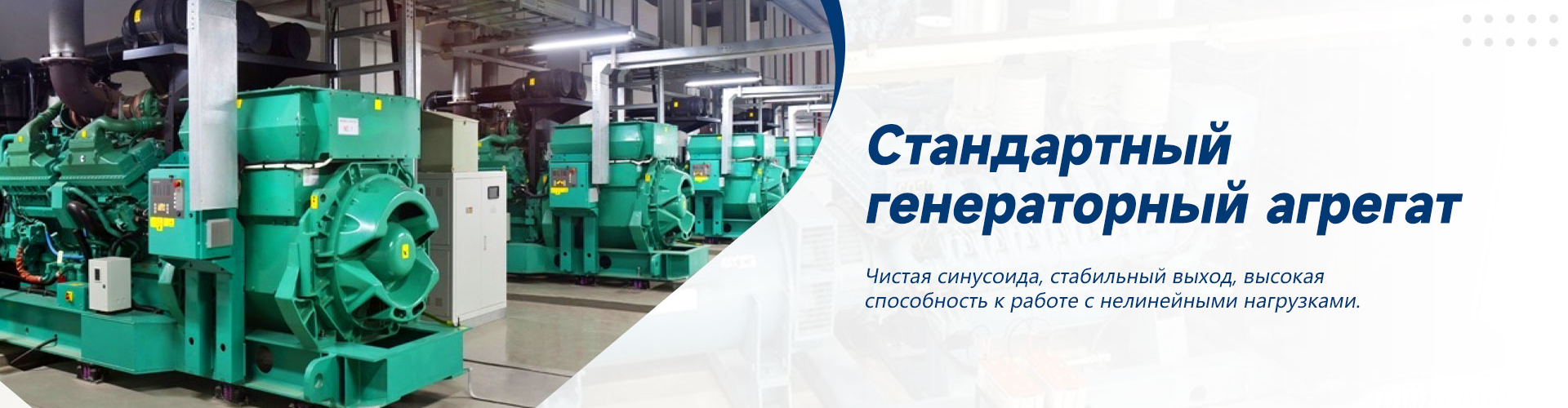
Is China the leader in diesel generators?
2026-01-15
A question that often comes up in conversations with customers from the CIS. Many people immediately imagine endless factory workshops churning out tons of cheap units. But reality, as usual, is more complex and interesting. Leadership is not only about volumes, but also about what stands behind these volumes. I’ll try to sort it out based on what I’ve seen on the market for ten years.
What's behind the production numbers?
Yes, in terms of the number of units produced, China is certainly in the first position. The statistics don't lie here. But if you dig deeper, the first nuance arises: a huge part of this production isdiesel generatorslow and medium power, the so-called “consumer consumer goods” for the local market and developing countries. Conveyor, often simplified production. When you hear “Chinese generator”, many people immediately think of this.
However, over the past seven or eight years the picture has begun to change dramatically. The same Chinese manufacturers who previously chased only quantity are now investing serious money in R&D. And these are not just words for a brochure. I saw how catalogs changed: from simple units with licensed-assembled Perkins or Cummins engines to completely proprietary power plants with comparable parameters in terms of service life and efficiency. It's not just about price, but about technological competition.
For example, let's take a companyYuke (Shandong) Electrical Technology Co.,Ltd. On their websitevoyoko.ruthis evolution is visible. The company, which grew out of the DEVER engineering team of 2003, positions itself not as a simple assembly shop, but as an innovative enterprise with a full cycle: from development to engineering. This is a typical trend. Their activity is a particular example of a general strategy: moving away from the image of a “cheap manufacturer?” to the status of “technological partner?”. And such companies no longer just copy, but offer customized solutions, which is a key factor for the generator market.
Strength and Weakness: Supply Chain and Hardware
The main advantage that cannot be disputed is a complete, deep supply chain. From iron block casting and copper winding production to AVR electronic control systems and digital panels, everything is within a radius of several hundred kilometers. This gives enormous flexibility and control over costs. A European or American manufacturer could never dream of this.
But there is also a trap here. This same chain is very heterogeneous in quality. You can order a generator set, where the engine will be assembled in a modern plant with robotic lines, and the cooling system or fuel equipment will be from a “second-tier” subsupplier, with unpredictable reliability. The risk of a “pig in a poke” was and remains a major headache for importers. You need to understand very well what you are buying, or work with trusted partners who maintain strict input control.
In my practice, I came across a situation where a project in Kazakhstan requireddiesel power plantswith increased engine life for work in cold weather. Standard offers from large factories were not suitable - they used ordinary materials. I had to dive deeply into the specifications, literally “assembling?” a unit of components from different but proven factories, including those who, like Yuke Electric, are engaged in custom developments. This was not just a purchase, but a full-fledged engineering consulting. Without this approach, you can easily burn out.
Price vs Cost of Ownership
This is where the biggest myth and the hottest field for discussion is born. Low starting price is a magnet. But smart buyers, especially in the industrial segment, have long considered the Total Cost of Ownership rather than the purchase price. It includes fuel consumption, maintenance frequency, availability of spare parts, and downtime.
Chinese manufacturers have caught on to this trend. More and more often in the specifications you see not just power in kVA, but figures for specific fuel consumption at 75% load, declared engine life before the first overhaul, oil change intervals. They are actively working to ensure that theydiesel generator setswere not just cheap, but also economical in the long run. Competition forces.
But there is a nuance: you need to be able to check these passport data. We once tested two units of the same declared power from different Chinese suppliers. One had 12% higher fuel consumption, although the price was more attractive. It turned out that an outdated injector and a less efficient pressurization system were used. The seller, of course, talked only about price and warranty. Therefore, now for serious projects we always insist on pre-sale tests with measurements of key parameters. This cuts off the unscrupulous.
Niche solutions and engineering
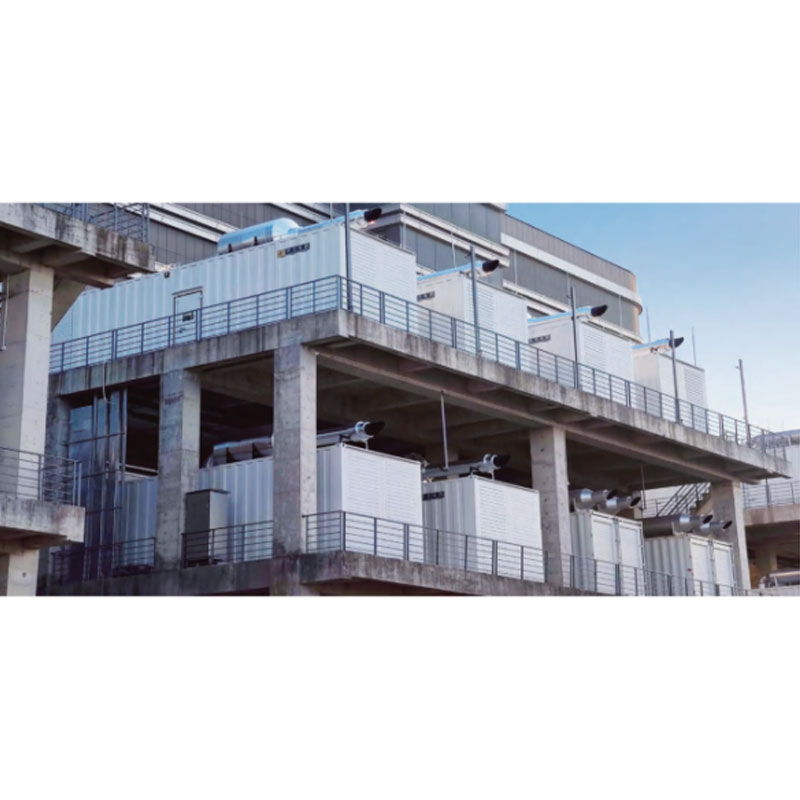
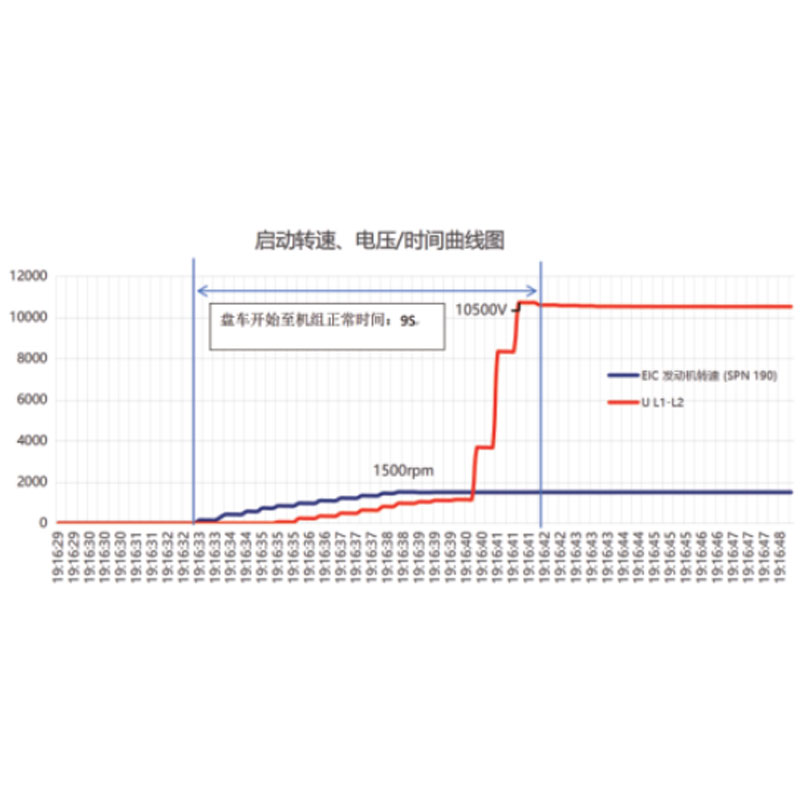
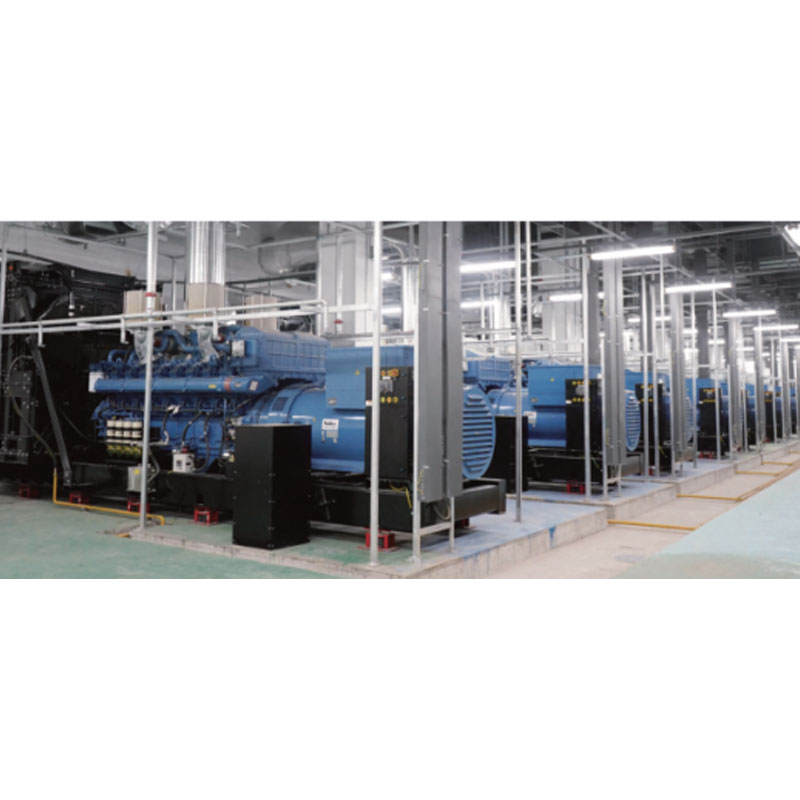
True leadership begins where you need not “something from a catalogue,” but a solution for a specific problem. And here the Chinese market is showing explosive growth. We are talking about generators for renewable energy sources (as a reserve for solar parks), about high-voltage installations, about mobile stations in turnkey containers. with climate control and noise reduction systems, synchronizing several units into one network.
This is already the level of engineering, not hardware trading. Companies that were able to adapt to this request actually become leaders. They offer not just a product, but a service: technical consulting, design, installation supervision, commissioning. Let's go back to the exampleYuke Electric LLC. From their description it is clear that they position themselves as such an integration company: research and development, custom processing, engineering construction. This is the answer to the question of leadership - the ability to complete complex, non-standard tasks entirely.
Participated in a tender for the supply of a power plant for a mine, where not just power was needed, but resistance to constant overloads due to the startup of crushing complexes and an adaptive control system. The European solution was 2.5 times more expensive. A Chinese company (I won’t name it) proposed to develop a control system with special algorithms and supply installations with reinforced starters and generator windings. It worked. The project has been implemented, the equipment is working. This is an illustrative case.
So is he a leader or not? Instead of a conclusion
A clear answer: yes? or not? No. If we talk about the market as a mass, a “body?” is certainly a leader in scale and dynamics. If we talk about the “head”, about the most advanced, complex and expensive segments, historical brands from the EU and the USA still dominate here, but the gap is closing by leaps and bounds.
China today is not a monolith. This is a multi-layered market: from handicraft workshops to high-tech holdings, which are not much inferior to the world giants. Buyingdiesel generatormade in China, you are essentially not buying “Chinese”, but the competence of a specific plant and its engineering team. The potential for leadership is enormous, and it is being realized right now, especially in the segment of integrated engineering solutions. But you can’t blindly trust rating plates. You need to look at the specifications, check references and, most importantly, understand what exactly you need: just a current source or part of a critical power system. The answer will depend on this.
-


-
-


WeChat

-
WeChat