

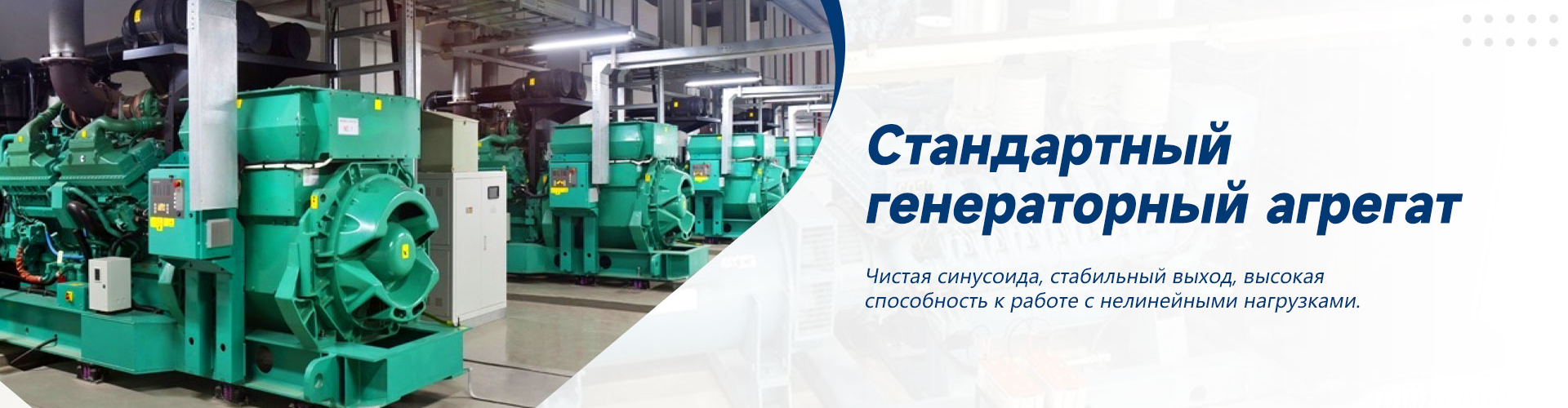
China: leader in diesel power plant capacity?
2026-01-26
This question often comes up in conversations with clients and partners. Many people immediately imagine endless factory workshops churning out tons of units. But leadership is not only about volumes. This is about what happens inside these steel cases, and about how these machines then work in real conditions, from the Siberian taiga to the African savannah. Let's understand it without gloss.
Power vs Vitality
In terms of total installed capacity, yes, China is probably unrivaled. The figures for exports and the domestic market speak for themselves. But here lies the first pitfall. When a client asks for a Chinese diesel generator, he often simply means an inexpensive unit. And in the market there is a gap between the products of giants like Weichai, SDEC, Cummins China and hundreds of small assembly plants. The first are full-fledged engineering complexes with their own engines and a deep R&D base. The second is often a constructor made from available components. Both products are exported, creating a controversial reputation.
My experience shows that the key parameter for leadership is not the nameplate power, but the guaranteed output power under real operating conditions. I have seen a declared 500 kVA, which, when tested under normal load, began to sweat and overheat already at 400. The problem is often in the cooling system and calibration of the regulators. Chinese engineers have learned to make excellent hardware - frames, casings, tanks. But fine electronic components and system integration are the next level, where leadership still needs to be confirmed project after project.
Here, by the way, the model of work of such companies asYuke (Shandong) Electrical Technology Co.,Ltd(Yuke Electric). They position themselves not just as a supplier, but as an innovative technological enterprise with a full cycle: from R&D and technical consulting to construction. This is already a step from pure production to engineering. Their websitevoyoko.rudemonstrates just such an integrated approach. In modern realities, it is precisely this depth - consultations, adaptation, service - that becomes a competitive advantage over the hardware itself.
Application scenarios: where Chinese diesel power plants are really strong
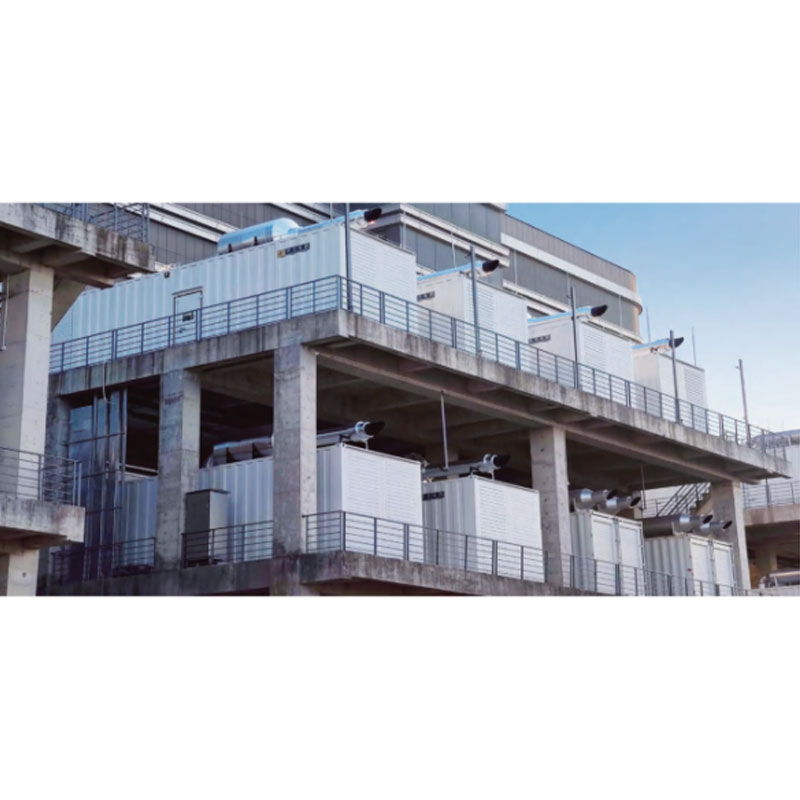
Absolute dominance - in the sector of backup and mobile energy supply for growing markets. Construction sites in Central Asia, temporary power supply to new areas in Africa, support for mining infrastructure. Price, maintainability and delivery speed are critical here. Chinese manufacturers have built ideal logistics and offer turnkey units - from the container to the ATS system. This is their natural environment.
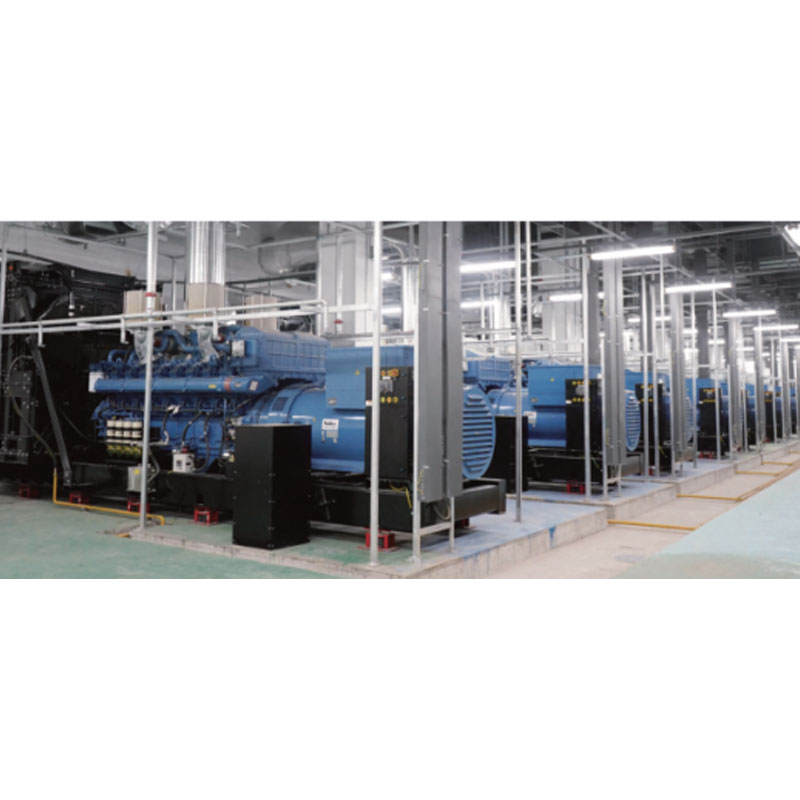
It is more difficult with objects that require long-term operation as the main source (prime power), especially in harsh climates. Here the game on a different level begins: the quality of fuel equipment, resistance to low-quality diesel, service life before major repairs. First-tier Chinese brands are actively pushing out Europeans here, offering comparable characteristics for less money. But trust takes years to gain. I personally participated in a project where Chinese 2 MW diesel generator sets operated at a remote field. The main headache was not the engines themselves, but the compatibility of the control systems with the customer’s existing SCADA. I had to do some magic with exchange protocols.
Another nuance is ecology. Tier requirements in the US and EU. Large Chinese manufacturers have long been certifying their engines according to these standards, but this makes the product more expensive. There are a lot of older and dirty models on the market. So, speaking about leadership, we need to immediately clarify: leadership in which segment? Low price or high tech?
Components: global assembly
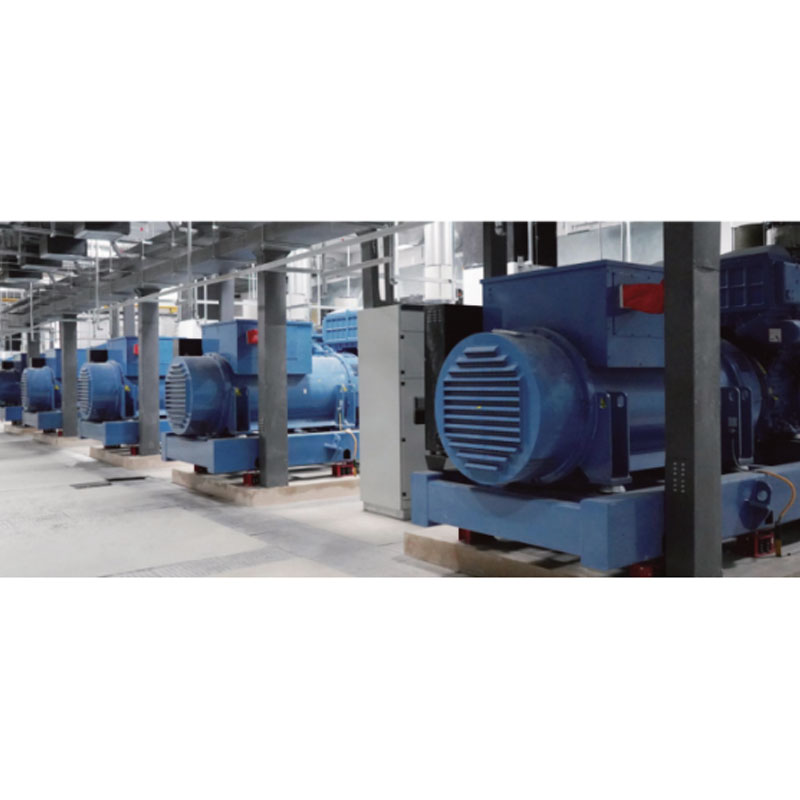
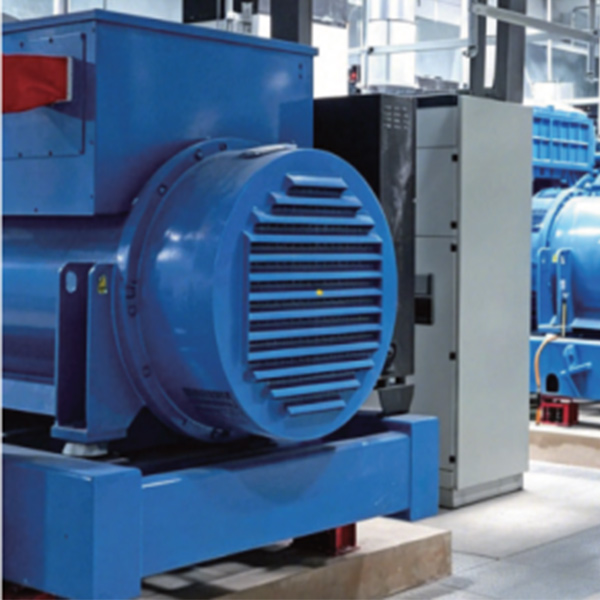
The myth of fully autonomous Chinese production. Most of even good power plants are global constructors. The engine can be assembled in China under license from Perkins or Volvo Penta, the generator - Leroy-Somer or Mecc Alte (also often produced in Asia), the control system - Deep Sea, ComAp or our own design. The strength of the Chinese manufacturer lies in the competent integration of these components into a single, well-assembled and protected case, with a well-thought-out cooling system and cabling.
This is where the experience he claims comes in handyYuke Electric— technical consulting, custom processing, engineering construction. Because the client needs not just an engine-generator combination, but a working solution. For example, an object in a high humidity area requires special anti-corrosion treatment, reinforced insulation and a block heating system. This is no longer a standard catalogue, this is engineering. The ability to flexibly work with such requests is what distinguishes a serious player from a trading office.
I remember a case when for a project in the coastal zone it was necessary to use an alternative brand of generator, which the diesel power plant manufacturer itself did not usually supply. Standard answer: we can’t, we have no experience. A more flexible supplier, working on a custom processing model, found a solution, carried out bench tests and provided a guarantee. This is the added value on top of the basic assembly.
Service and long-term money
This is perhaps the most thorny issue for the claim of unconditional leadership. Power can be increased, technology can be purchased. And a global service network, spare parts warehouses in different parts of the world and trained engineers - this has been created over decades. European and American brands still have a huge advantage here.
Chinese companies are following two paths. The first is the development of our own service centers in key regions (CIS, Middle East, Africa). The second is partnership with large distributors who undertake service obligations. Effectiveness varies greatly. Somewhere you get operational support from a local, factory-trained engineer. Somewhere - a long wait for a specialist from abroad or a search for spare parts through third parties.
Companies that want to gain a foothold in the market for a long time invest in this. View sitevoyoko.rusuggests that forYuke Electricservices and construction are an integral part of the offer. This is the correct vector. Leadership in power must translate into leadership in the equipment life cycle. The client is not buying a generator, he is buying kilowatt-hours and peace of mind.
Looking to the Future: Hybridization and Data
A conversation about leadership would be incomplete without looking ahead. The world is moving away from pure diesel solutions to hybrid systems: diesel + solar panels + storage. And here Chinese manufacturers have a phenomenal advantage, because they are also world leaders in the production of solar panels and batteries. The ability to offer a complete hybrid power plant from a single source is a powerful asset.
The second trend is digitalization and remote monitoring. Built-in GSM modules, cloud platforms for monitoring parameters, predictive analytics. Chinese manufacturers here are very agile, quickly introducing such solutions, often more affordable than their Western counterparts. For the end user, this means the ability to manage the energy consumption of a remote site from a smartphone.
So, to answer the question from the title. In terms of the number of kilowatts produced and supplied to the world, it is certainly a leader. In terms of the maturity of engineering culture, depth of service and trust in high-budget critical projects, leadership is situational and is being won right now. But the dynamics are such that the gap is rapidly closing. And the key role in this is played not by giant conglomerates, but by technology-oriented companies that understand that they are not selling metal, but a reliable energy solution. We will monitor the market.
-


-
-


WeChat

-
WeChat